Ghumoopedia — Explore, Discover, Experience
Sign in
Darbhanga, near Rosera

City guide · Bihar

Rosera

Rosera is a municipal town and subdivision in Samastipur district, in north Bihar. Set beside the Budhi Gandak River, it serves as an administrative and commercial centre for nearby villages as well as a stop on regional road and rail routes.

Famous for

  • Budhi Gandak riverbank
  • Rosera Ghat rail link
  • Regional market town
  • Road links across north Bihar

Why Rosera matters

Rosera is a municipal town and subdivision in Samastipur district, in north Bihar. Set beside the Budhi Gandak River, it serves as an administrative and commercial centre for nearby villages as well as a stop on regional road and rail routes. The surrounding countryside connects the town to the agricultural life of the district, while its markets and public services draw people in from the wider area.

Rosera’s appeal is more everyday than landmark-driven: visitors come for local business, family and religious occasions, and the experience of a working river-side town. State Highway 55 links it toward Begusarai district, while State Highway 88 provides a route toward Darbhanga. Rosera Ghat railway station adds another connection beyond the road network. The town is also a useful base for exploring this part of Samastipur district. Its importance lies chiefly in this combination of regional access, local trade and administrative services, rather than in a nationally renowned monument or specialist tourist attraction.
Famous for: crafts, trade & products

Rosera is best understood as a local trading and service centre, not as a major textile or handicraft hub. Its bazaar serves residents of the town and surrounding villages, with everyday household goods and farm-linked commerce forming part of the local economy. The town is not widely associated with a specific saree tradition, named craft or GI-tagged product, so visitors should not expect a dedicated cluster of specialist artisan shops.

For a sense of local trade, explore the central bazaar and the streets around the main market area; small shops are the most practical places to look for regional groceries, snacks and daily-use goods. Stock and specialties vary, and purchases are generally made through ordinary retailers rather than tourist-focused outlets. Rosera’s role as a subdivision centre is also reflected in its administrative and service institutions, which support nearby settlements. Travellers looking for a broader selection of Bihar handicrafts or recognised regional products may find more choice in larger cities, while Rosera’s markets offer a closer view of routine commerce in the Samastipur countryside.

History

Rosera’s growth is closely connected to its position beside the Budhi Gandak and its role as a market and service centre for a settled agricultural hinterland. River routes and crossings have long mattered to movement across the plains of north Bihar, although the town is not chiefly known for a single surviving royal monument or a well-documented courtly history. The wider region experienced successive political and administrative changes over many centuries, but these are better understood as part of north Bihar’s history than as a distinct sequence of rulers based in Rosera.

During the colonial period and after independence, expanding administration, transport and commerce helped towns such as Rosera serve larger surrounding areas. Its present identity is that of a municipality and subdivision in Samastipur district. The block includes 48 villages, and the town’s road connections toward Begusarai and Darbhanga, along with rail access at Rosera Ghat, reinforce its regional role. Modern Rosera has developed primarily through these civic, transport and market functions.

Food, festivals & culture

Everyday food in Rosera reflects the broader cuisine of Bihar rather than a single celebrated local dish. Rice, lentils, seasonal vegetables and breads are common; litti-chokha and sattu preparations are familiar regional choices, while sweets and savoury snacks are available in local shops. The exact selection changes with the season and household traditions, so these are best treated as regional foods rather than exclusive Rosera specialties.

Chhath, observed chiefly in autumn and again in spring, is an important festival across Bihar; devotees gather near water to offer prayers, making the river an especially meaningful setting. Holi and Diwali are also widely celebrated, alongside local religious observances. Hindi and Maithili are heard in daily life, with Urdu also spoken in the area. Folk songs and devotional music accompany festivals and family events; cultural practices draw on the wider traditions of north Bihar. Temples and mosques serve local communities, though Rosera is not especially known for a single major pilgrimage site.

Visiting the city

The cooler months, roughly October to March, are generally the most comfortable time to visit; summer can be hot, and monsoon rain may affect road travel. Rosera Ghat is the town’s main railway station. Darbhanga Airport is the nearest airport commonly used by visitors, with onward travel needed to reach Rosera.

Within town, auto-rickshaws and local shared transport are practical for short journeys; confirm the route locally before setting out. Road links include State Highway 55 toward Begusarai district and State Highway 88 toward Darbhanga. For a brief visit, explore the central bazaar, the station area and public stretches along the Budhi Gandak, taking care near the river and respecting local customs. Rosera is primarily a working town, so nearby transport connections and market activity are more central to the visit than a formal sightseeing circuit.

Trips from the city

Nearest places to visit from Rosera

Our closest destination guides, by straight-line distance.

Darbhanga

48 km away · Darbhanga district

Darbhanga

Darbhanga is a major city and municipal corporation in Bihar, serving as the administrative centre of its district and division. Visitors encounter a longstanding centre of Mithila’s cultural, literary and musical traditions.

Munger Fort

60 km away · Munger district

Munger Fort

Munger Fort is a historic stronghold in Bihar, set on a rocky rise beside the Ganges. Visitors come to see its tombs, palace, temple, riverside ghat and British-era cemetery.

Bhimbandh Wildlife Sanctuary

63 km away · Munger district

Bhimbandh Wildlife Sanctuary

In Bihar’s Munger district, Bhimbandh Wildlife Sanctuary is a sanctuary devoted to wildlife. Visitors come to spend time in this wildlife-focused place in the district’s south-west.

Madhubani

67 km away · Madhubani district

Madhubani

Madhubani is a city in Bihar’s Mithila region and the headquarters of its district. Visitors may be drawn by its regional identity and administrative importance.

Takht Sri Patna Sahib

82 km away · Patna district

Takht Sri Patna Sahib

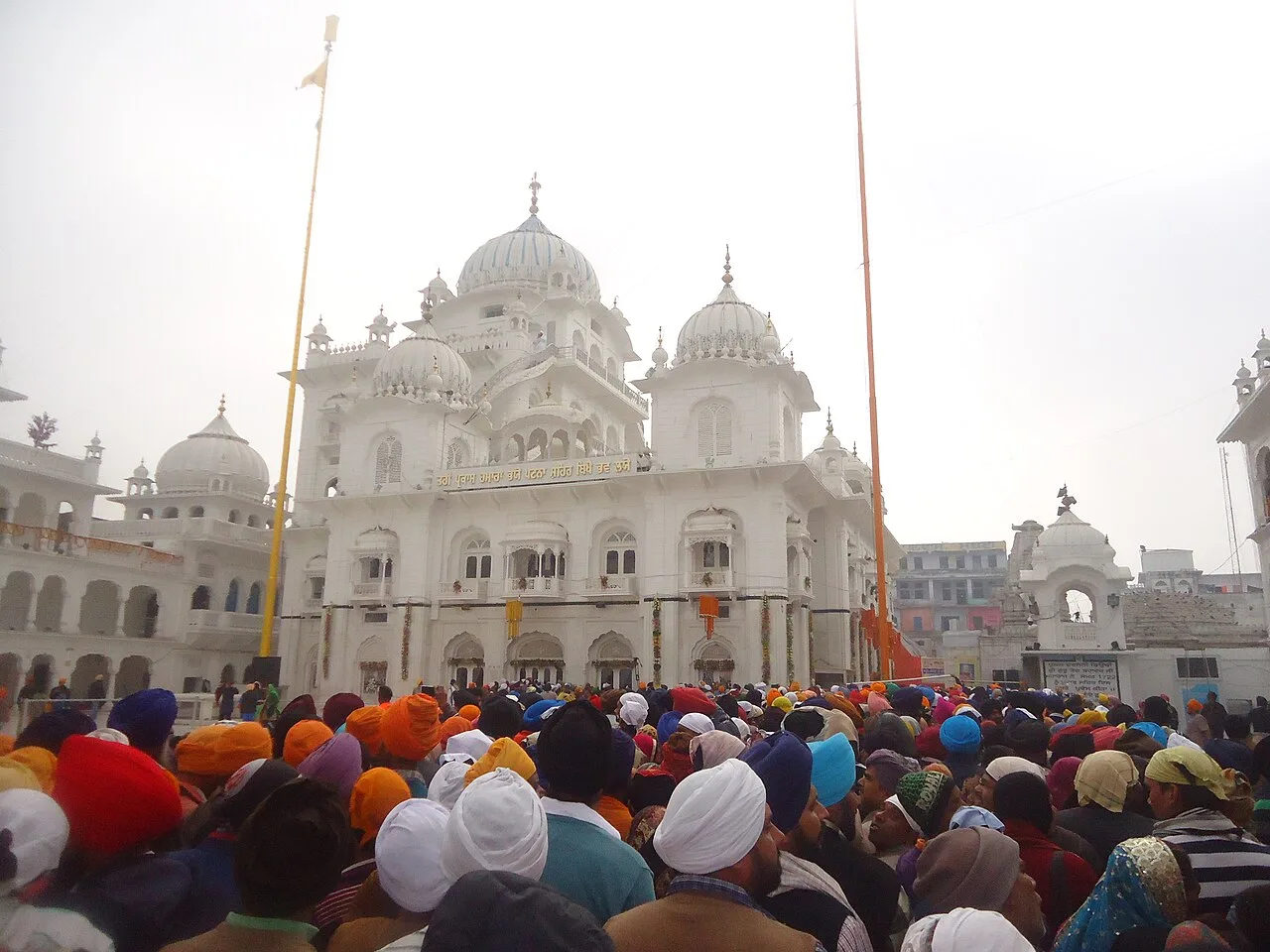
Takht Sri Patna Sahib, in Patna, Bihar, is among Sikhism’s five takhts. Visitors come to worship and pay their respects at this important Sikh religious site.

Agam Kuan

85 km away · Patna district

Agam Kuan

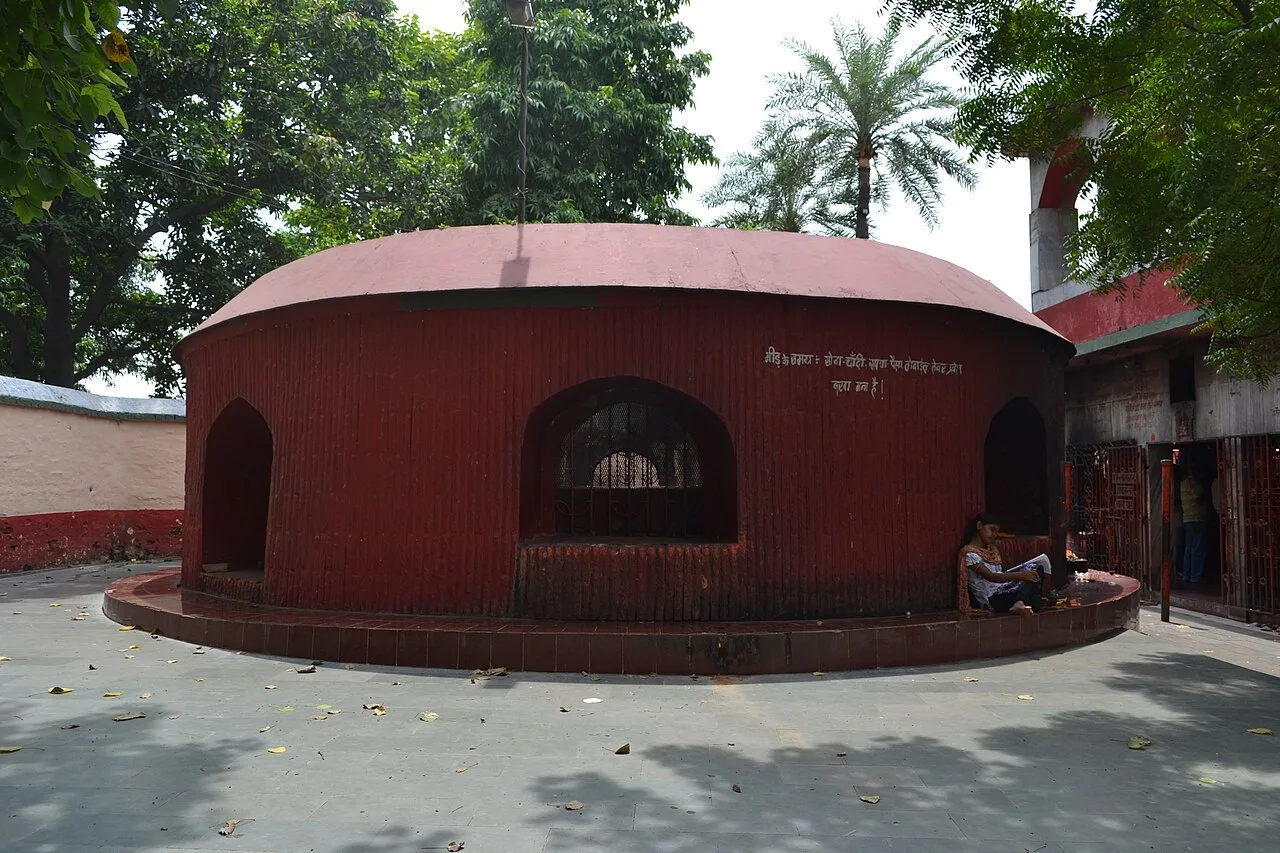
Agam Kuan is a historic circular well and archaeological site in Patna, Bihar, traditionally linked to Ashoka’s Mauryan era. Visitors also worship at the adjoining Shitala Devi temple, where the goddess and Saptamatrikas are venerated.

Sonpur

86 km away · Saran district

Sonpur

Sonpur, officially known as Sonepur, is a city in Bihar’s Saran district, beside the Gandaki and Ganges rivers. Visitors come for its cattle fair, which begins on Kartik Poornima and is Asia’s largest.

Kumhrar

87 km away · Patna district

Kumhrar

Kumhrar is an archaeological site in Patna connected with the remains of Pataliputra. Visitors come to see excavated traces of the city, including the remains of an 80-pillared hall.

Map

Rosera on the map

  1. 1Darbhanga
  2. 2Munger Fort
  3. 3Bhimbandh Wildlife Sanctuary
  4. 4Madhubani
  5. 5Takht Sri Patna Sahib
  6. 6Agam Kuan
  7. 7Sonpur
  8. 8Kumhrar

Bihar

Other cities to explore