Ghumoopedia — Explore, Discover, Experience
Sign in
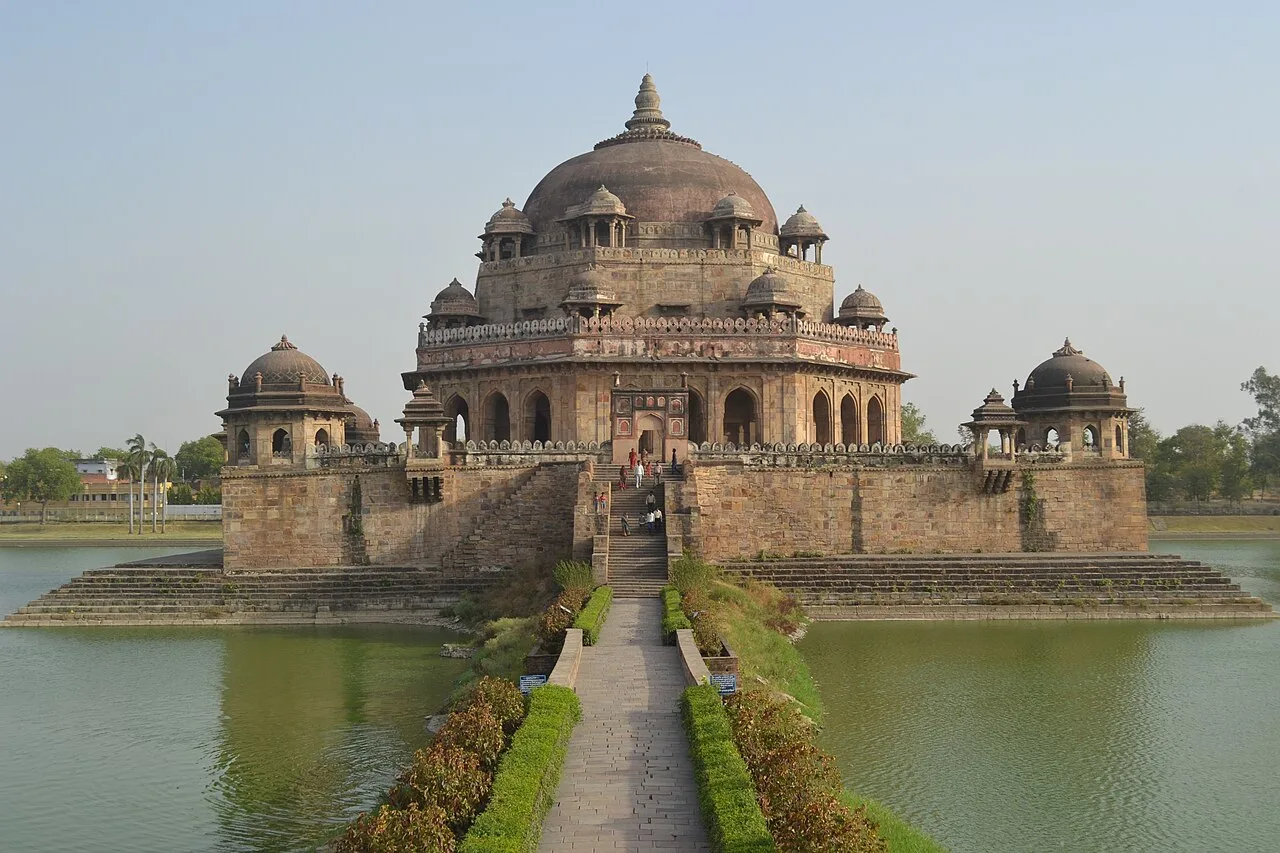
Tomb of Sher Shah Suri, near Daudnagar

City guide · Bihar

Daudnagar

Daudnagar is a town in Aurangabad district, southern Bihar, and the administrative headquarters of Daudnagar subdivision. Its position on the eastern bank of the Son River and along National Highway 139 gives it a practical role as a local centre for travel, services and trade.

Famous for

  • Daud Khan’s historic sarai
  • Son River setting
  • NH139 regional corridor
  • Historic cloth and opium trade
  • Daudnagar subdivision headquarters

Why Daudnagar matters

Daudnagar is a town in Aurangabad district, southern Bihar, and the administrative headquarters of Daudnagar subdivision. Its position on the eastern bank of the Son River and along National Highway 139 gives it a practical role as a local centre for travel, services and trade. The district headquarters, Aurangabad, lies to the south-east, while the highway links the town with places in Bihar and Jharkhand.

The town’s appeal comes from the meeting of this everyday regional life with a notable Mughal-era past. Daud Khan founded Daudnagar in the seventeenth century after a campaign against the Raja of Palamu. Remnants of its historic character include an old fort and a fortified sarai associated with the town’s founder. The Son River and the canal system also shape the surrounding landscape. Visitors generally come for local history, a stop on the highway or connections with nearby towns, rather than for a large, purpose-built tourist circuit. Daudnagar is best understood as a working market and administrative town with a distinct historical story.
Famous for: crafts, trade & products

Daudnagar is not widely identified with a particular textile, handicraft or GI-tagged product. Its reputation is more closely tied to local commerce and its history as a regional town. The early-eighteenth-century traveller Francis Buchanan described cloth and opium factories here, evidence of an earlier manufacturing and trading economy; these should be understood as historical associations, not as claims about current production.

Today, the town’s everyday bazaars serve residents and nearby villages, with shops for groceries, clothing, household goods and farm-related needs. These markets are the most practical places to browse or buy local essentials, but they are not generally known as specialist craft or souvenir markets. Agricultural produce from the surrounding countryside also supports the local economy, though no single crop or product defines Daudnagar as a destination. Visitors looking for named regional crafts or a recognised food speciality may find a broader selection in larger Bihar towns. In Daudnagar, the distinctive points of interest are its historic sarai and fort, its river setting, and the role it plays as a service and trading centre for its hinterland.

History

Daudnagar takes its name from Daud Khan, a Mughal-era commander and Subedar of Bihar under Emperor Aurangzeb. In 1664, after campaigning against the Raja of Palamu, he established a settlement here and received the surrounding area as a jagir. Its position between the Son River and the route towards Aurangabad gave the town strategic value. Daud Khan’s sarai was strongly fortified, with gates, a defensive wall and a moat, and may have served purposes beyond accommodating travellers. An old fort also remains part of the town’s historical landscape. Ahmadganj, an outlying quarter, is associated with the tomb of Ahmad Khan.

By the early eighteenth century, Daudnagar was described as a flourishing town with cloth and opium production. It later developed as a local market and administrative centre. The town became the headquarters of its own subdivision when Daudnagar subdivision was created in 1991, separating it from the previously sole Aurangabad Sadar subdivision. NH139 continues to connect it with the wider region.

Food, festivals & culture

Daudnagar shares the food traditions of southern Bihar. Everyday meals commonly centre on rice or roti with dal, vegetables and pickles; sattu-based dishes and litti chokha are familiar regional choices. Local sweet shops and market eateries cater to residents and travellers, though the town is not especially known for a signature sweet. Food offerings vary with season and household custom.

Chhath, observed mainly in autumn and again in spring, is an important festival across Bihar, with worship and offerings connected to the Sun. Holi, Diwali and other Hindu festivals bring community gatherings, while Eid is observed by Muslim residents. Hindi is widely used, alongside Magahi and Urdu; Bhojpuri may also be heard in the wider region. Folk and devotional songs are part of festival life, with popular music also common at celebrations. The town’s religious life is reflected in neighbourhood temples and mosques. Daudnagar’s historic sarai, old fort and Ahmadganj quarter offer a sense of its layered local past, while its markets and streets show the rhythms of a contemporary Bihar town.

Visiting the city

The cooler months, roughly October to March, are generally the most comfortable time to visit; summer can be very hot, and the monsoon brings rain. Gaya Airport is a nearby air gateway, while Jay Prakash Narayan International Airport in Patna offers another option. Anugrah Narayan Road railway station is a useful railhead for reaching Daudnagar; onward travel is by road. Confirm connections locally when planning a journey.

NH139 passes through town, and buses, shared vehicles and hired cars link Daudnagar with Aurangabad and surrounding settlements. Local auto-rickshaws can help with short trips. Explore the old town for the historic sarai and fort, and visit the Ahmadganj area for its association with Ahmad Khan’s tomb. The riverside setting and town bazaars offer a view of everyday local life; check locally for access to historic sites.

Trips from the city

Nearest places to visit from Daudnagar

Our closest destination guides, by straight-line distance.

Tomb of Sher Shah Suri

41 km away · Rohtas district

Tomb of Sher Shah Suri

Sher Shah Suri’s mausoleum in Sasaram, Bihar, is noted for its lake setting and distinctive octagonal form. Visitors come to see a major example of Indo-Islamic architecture and an important monument of the region.

Deo

42 km away · Aurangabad district

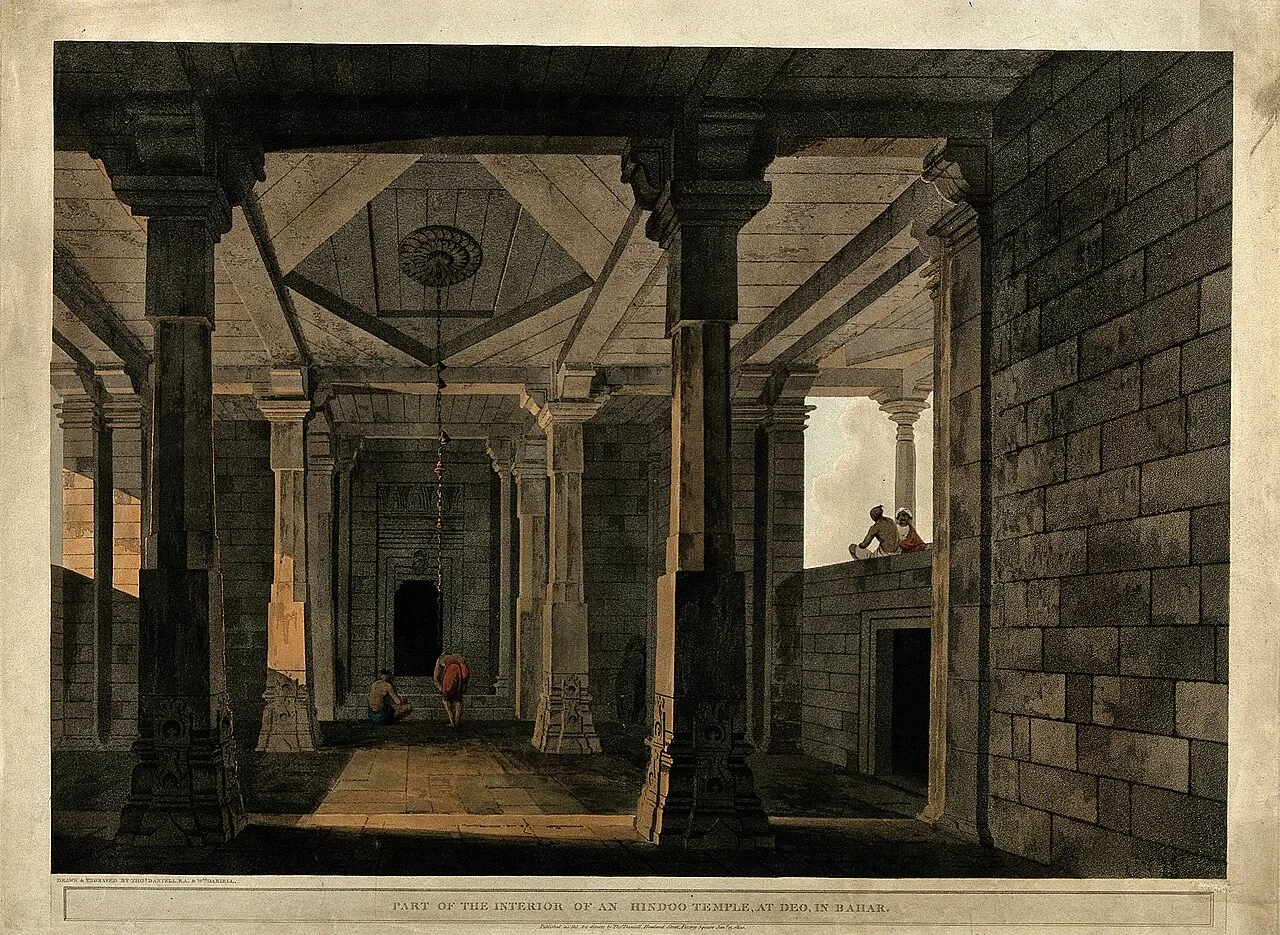
Deo

Deo, also called Dev, is a town and local civic area in Bihar’s Aurangabad district. Visitors seeking the settlement can find it about 10 km southeast of Aurangabad, the district’s administrative centre.

Barabar Caves

67 km away · Jehanabad district

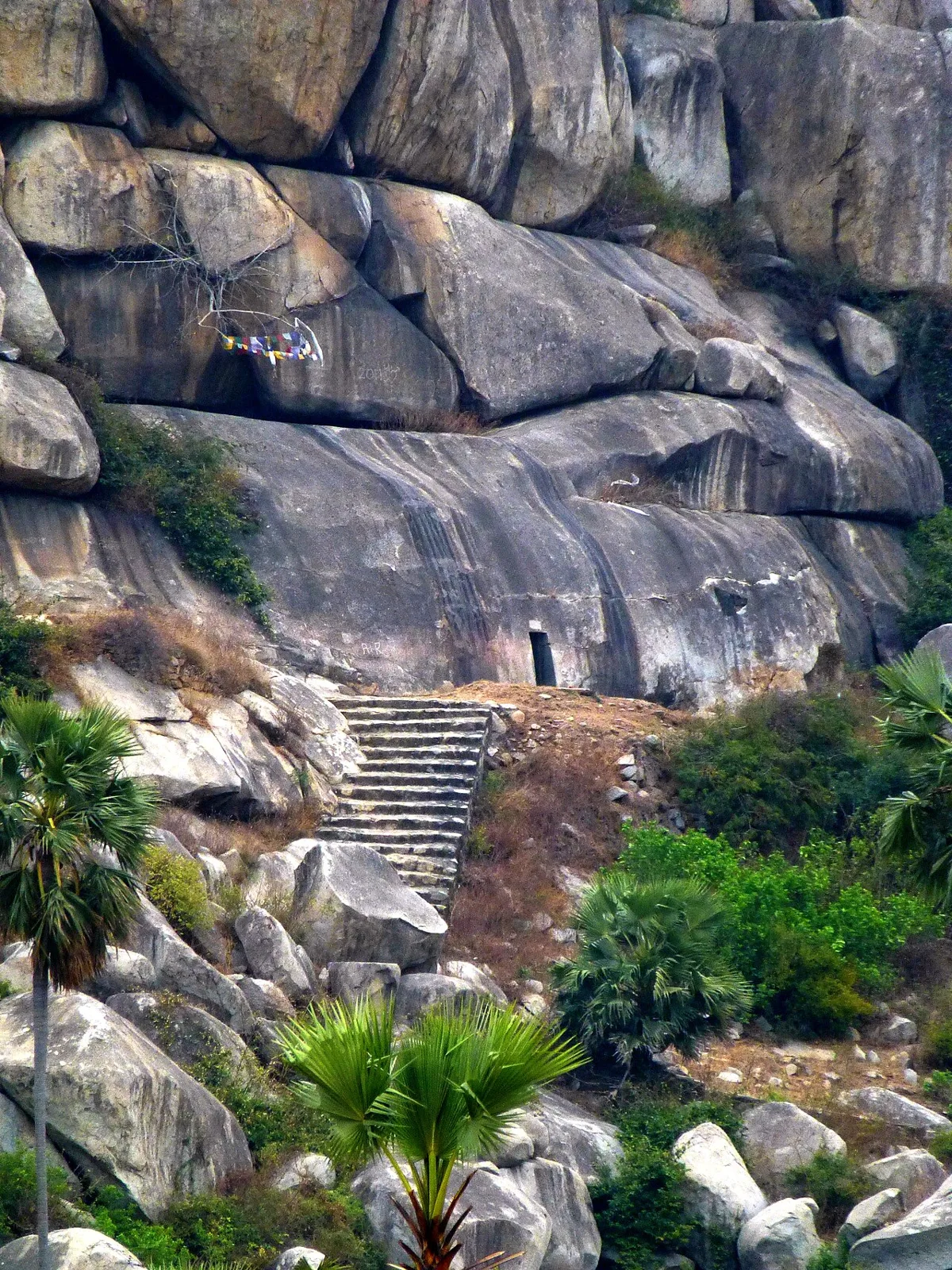
Barabar Caves

This Mauryan-era cave complex in Bihar extends across Barabar and Nagarjuni hills. Visitors come to see its inscriptions, polished granite chambers and early examples of Indian rock-cut architecture.

Rohtas Fort

67 km away · Rohtas district

Rohtas Fort

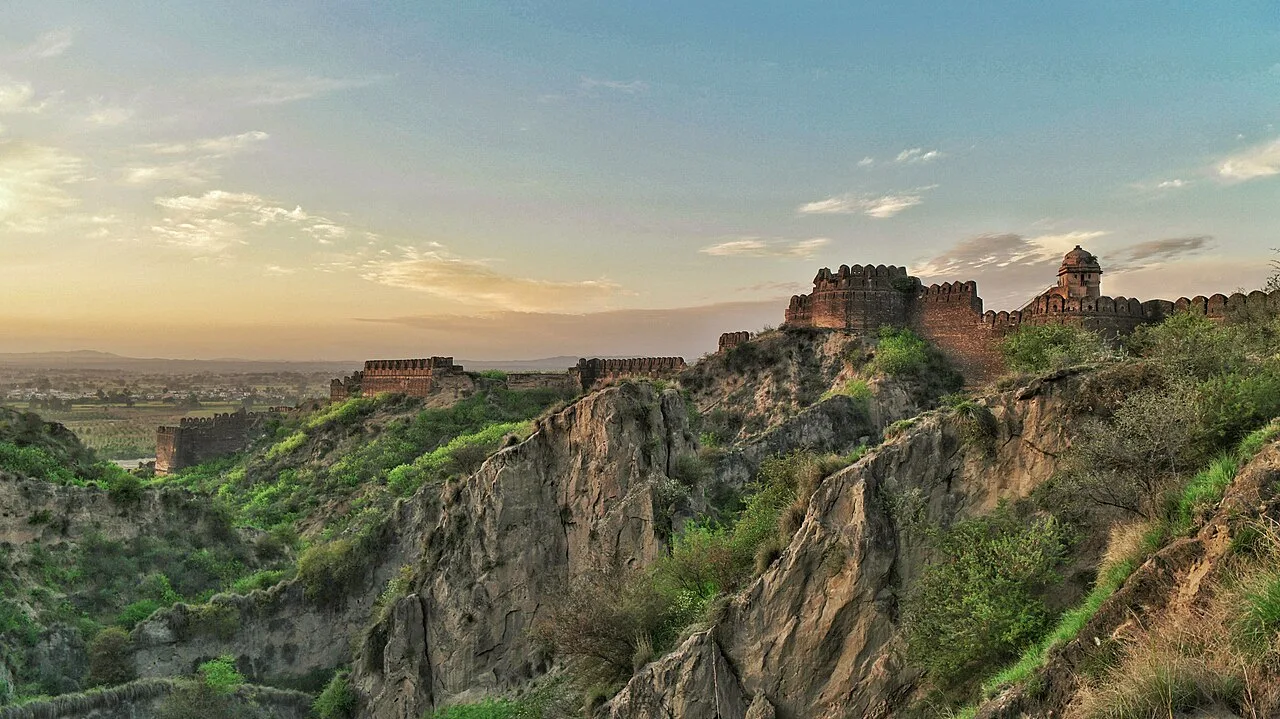
Rohtas Fort, also known as Rohtasgarh, stands in Rohtas town, within Bihar’s Rohtas district. Visitors come to see the fort in its setting in the Son River valley.

Bodhi tree

70 km away · Gaya district

Bodhi tree

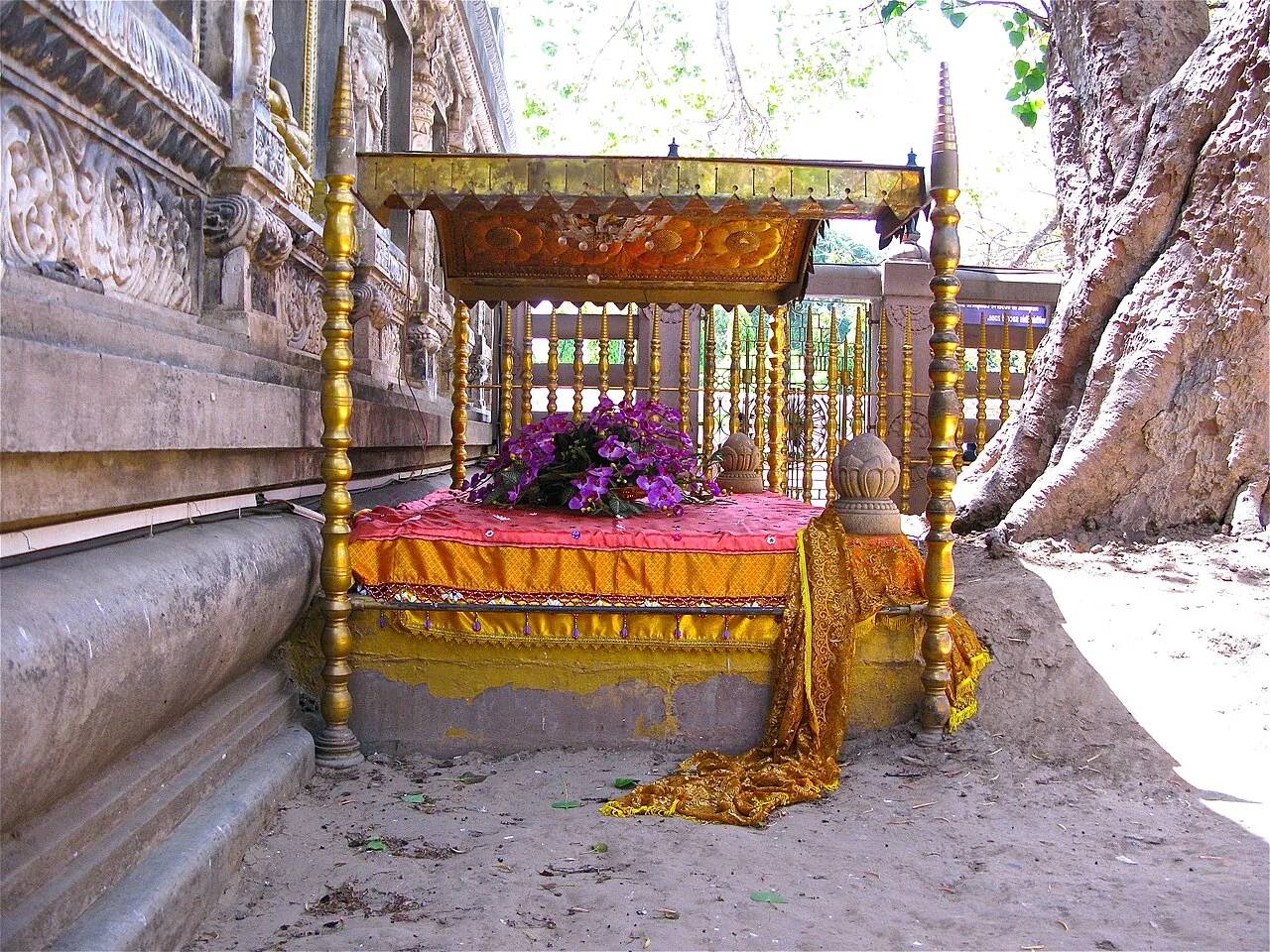
The Bodhi tree is a sacred fig at the Mahabodhi Temple in Bodh Gaya, Bihar. Buddhists visit this revered site because tradition links it to the Buddha’s enlightenment.

Great Buddha Statue

70 km away · Gaya district

Great Buddha Statue

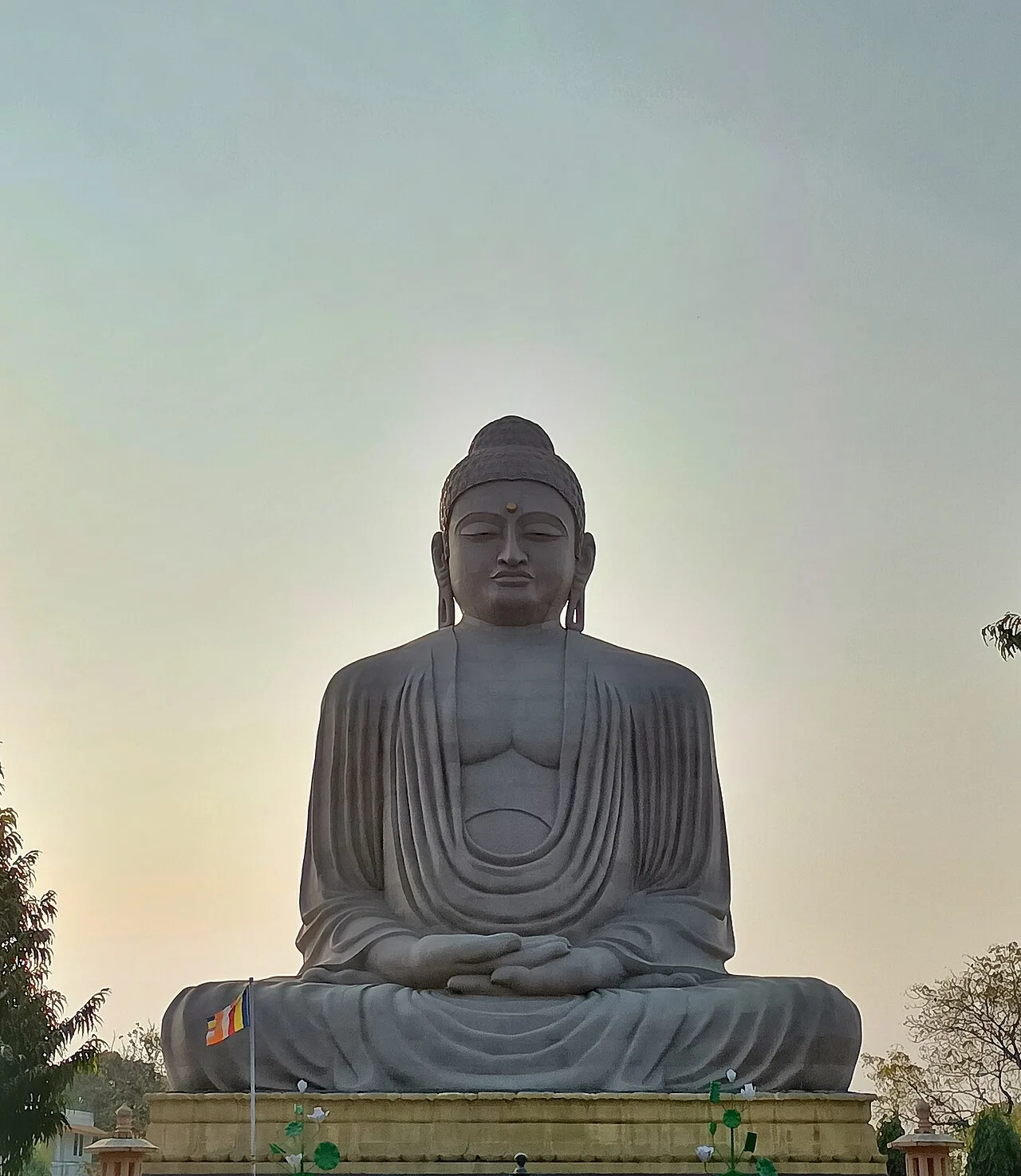
The Great Buddha Statue at Bodh Gaya is a major Buddhist monument in Bihar. Pilgrims and other visitors come to see its large seated figure, distinctive construction and surrounding sculptures.

Mahabodhi Temple

70 km away · Gaya district

Mahabodhi Temple

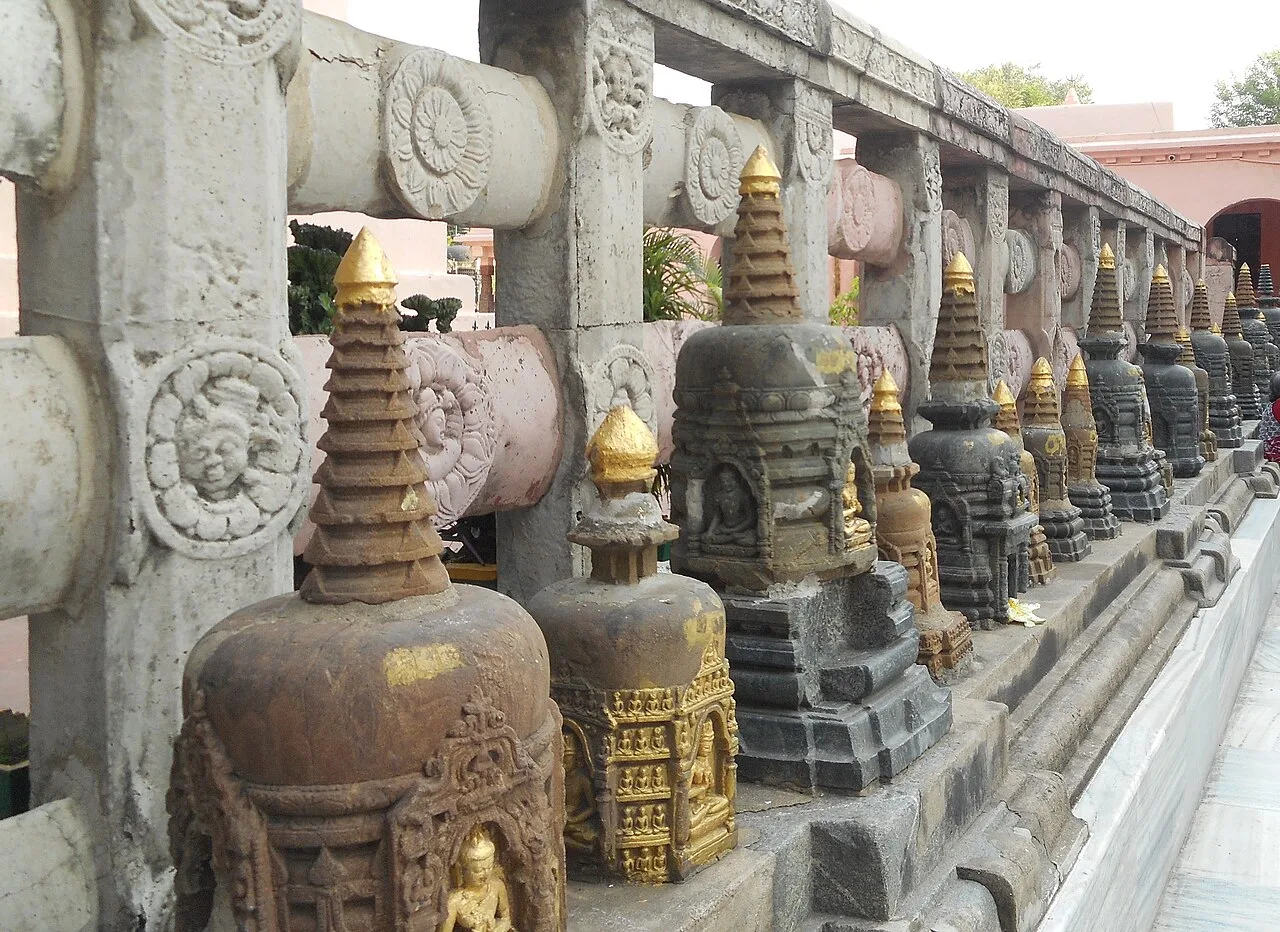
The Mahabodhi Temple is a Buddhist sanctuary in Bodh Gaya, Bihar, associated with the Buddha’s enlightenment. Pilgrims visit its sacred tree and Vajrasana, while the complex is recognised as a UNESCO World Heritage Site.

Buxar Fort

72 km away · Buxar district

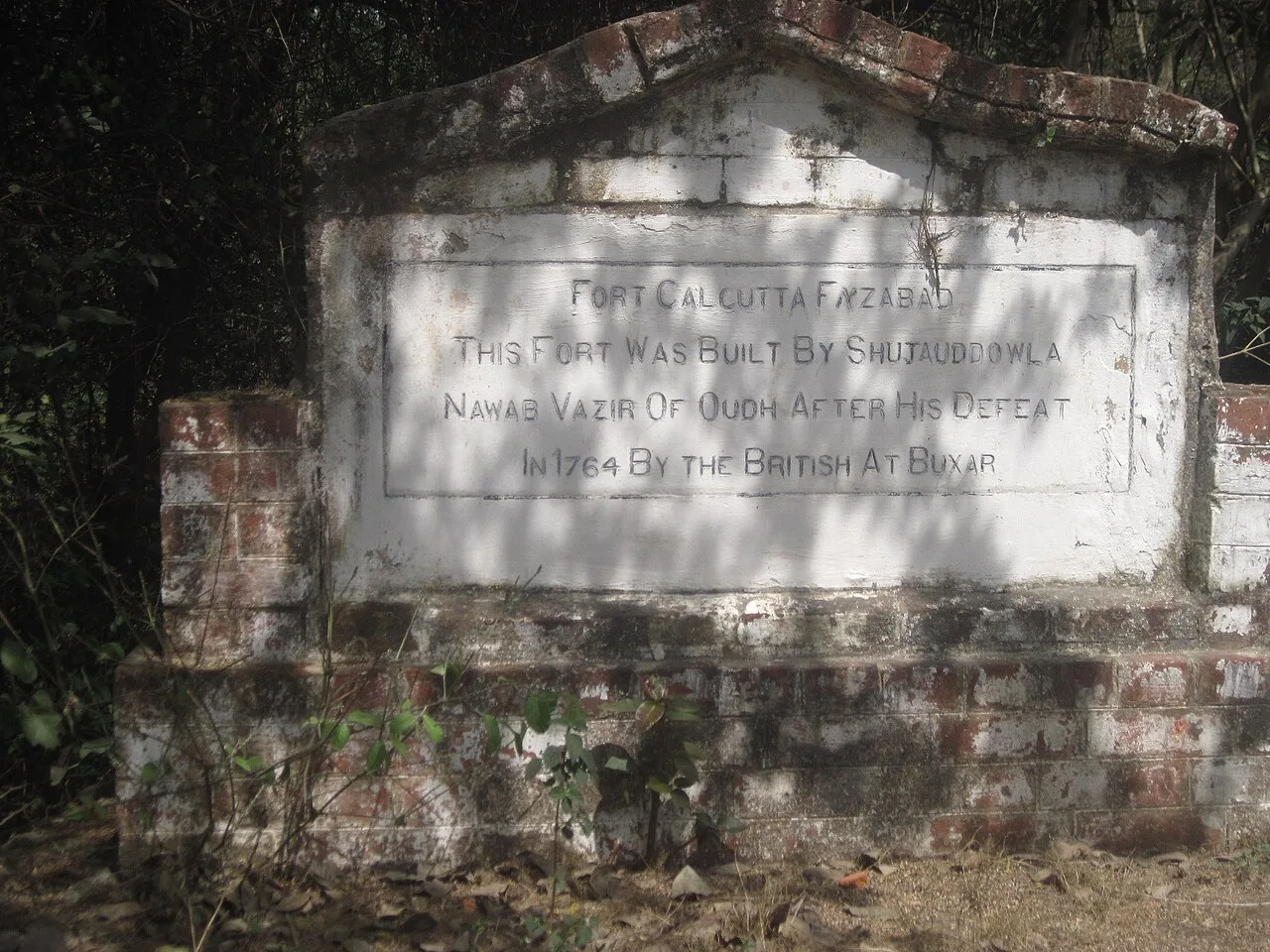
Buxar Fort

Buxar Fort is a fort in Bihar’s Buxar district, founded by King Rudra Deo. Its history and the city’s religious and cultural associations give visitors context for exploring the area.

Map

Daudnagar on the map

  1. 1Tomb of Sher Shah Suri
  2. 2Deo
  3. 3Barabar Caves
  4. 4Rohtas Fort
  5. 5Bodhi tree
  6. 6Great Buddha Statue
  7. 7Mahabodhi Temple
  8. 8Buxar Fort

Bihar

Other cities to explore