
District · Jharkhand
Sahibganj
Sahibganj lies in northeastern Jharkhand, within the Santhal Pargana region and beside the Ganges, with Bengal and Bihar close across the wider river corridor.
Sahibganj district lies in northeastern Jharkhand, where the Ganges flows past the Rajmahal Hills and the landscape shifts between river plains, wooded slopes and agricultural settlements. The river has long shaped local travel, livelihoods and connections with Bengal and Bihar. Rajmahal, a historic town in the district, was an important Mughal-era centre and retains traces of that past. The district is also part of the wider Santhal Pargana region, home to Adivasi communities including Santhals and Paharias. Udhwa Lake Bird Sanctuary protects important wetland habitat, while places such as Moti Jharna offer a glimpse of the area’s rural and hilly character. Sahibganj’s appeal is its blend of river scenery, layered history and living local cultures.
Sahibganj lies in northeastern Jharkhand, within the Santhal Pargana region and beside the Ganges, with Bengal and Bihar close across the wider river corridor. Travellers come for a combination of river scenery, the Rajmahal Hills, wetland bird habitat and a history shaped by movement along the Ganges. Rajmahal preserves links to the Mughal period, while Udhwa Lake Bird Sanctuary offers a quieter nature-focused visit. Moti Jharna gives a glimpse of the district’s rural, hilly setting. The area is also home to Adivasi communities, including Santhals and Paharias, whose living cultures are part of its regional character.
The Ganges corridor around present-day Sahibganj has long connected settlements in Bengal and the upper river region. Rajmahal gained prominence in the late sixteenth century, when Mughal governor Raja Man Singh selected it as the capital of Bengal province under Akbar. The town remained an important regional centre, though political power later shifted elsewhere. In 1763, during the conflict between the East India Company and Bengal’s Nawab Mir Qasim, the Battle of Udhwa Nala was fought near Rajmahal. Company rule brought the area into the colonial administrative system. The wider Santhal Pargana region was the setting for the Santhal Hul of 1855–56, an uprising against exploitative landlords and colonial authority led by figures including Sidhu and Kanhu; Bhognadih, now in Sahibganj district, is closely associated with the movement. Sahibganj formed part of Santhal Pargana before becoming a separate district in 1983. Its history reflects river trade, changing capitals, colonial rule and the continuing presence of Adivasi communities.
3 destination guides · 2 on the map
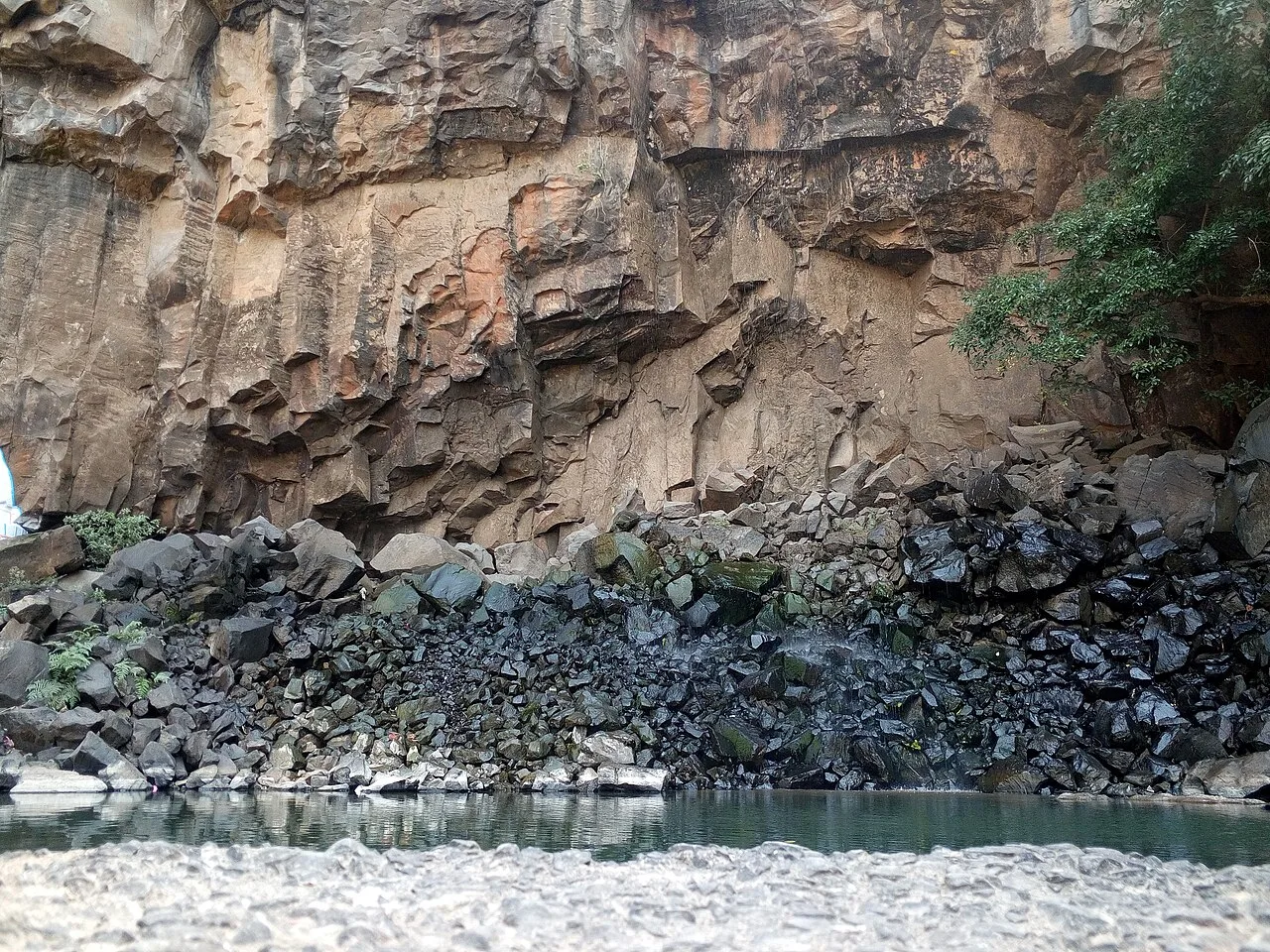
Moti Jharna
Moti Jharna is a village in Jharkhand’s Sahibganj district, within Taljhari block and Rajmahal subdivision. These administrative details help visitors locate the settlement.
Rajmahal
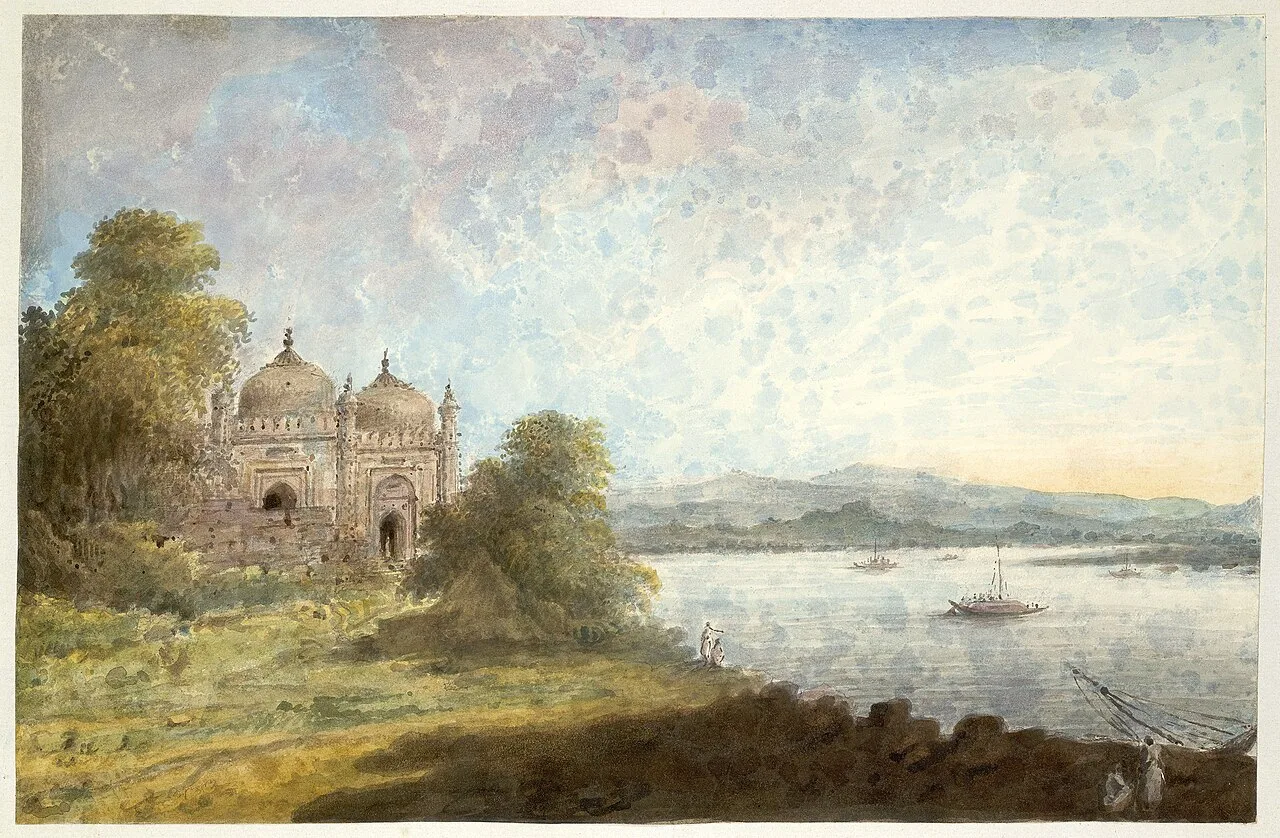
Rajmahal is a riverside town in Sahebganj district, Jharkhand, drawing interest for its former role as Bengal Subah’s capital during Man Singh I’s governorship.
Udhwa Lake Bird Sanctuary
In Sahibganj district, Jharkhand, Udhwa Lake Bird Sanctuary is a protected natural area. People visit for its bird-related character and to spend time in a site set aside for nature.
Food in Sahibganj reflects broader Jharkhand and Santhal Pargana traditions, alongside influences from neighbouring Bihar and Bengal. Dhuska, litti, pittha, chilka roti and arsa roti are among regional foods visitors may encounter. Seasonal ingredients can include mushrooms and bamboo shoots; ask what is freshly prepared, as smaller eateries may offer a limited daily menu. Rice is a staple, and some Adivasi communities prepare handia, a traditional rice-based fermented drink. Vegetarian choices are common, with non-vegetarian dishes also available in many towns. At rural sites and nature areas, food options may be scarce, so carry drinking water and snacks.
Craft traditions in Sahibganj are part of the wider cultural landscape of Santhal Pargana and Jharkhand. Adivasi communities in the region maintain varied traditions of making and decorating objects for everyday use and cultural occasions; bamboo and cane work, pottery and hand-made textiles are found in parts of the state, though availability varies by place. Santhal visual and musical traditions are also an important part of the region’s cultural life. These practices are not exclusive to Sahibganj, and visitors should ask locally about makers, materials and the meaning of particular designs rather than assume a single district-wide style.
Santhal and other Adivasi communities in the Santhal Pargana region observe seasonal festivals such as Baha, associated with spring, and Sohrai, commonly linked with the post-harvest period. Durga Puja, Chhath, Eid and Makar Sankranti are also observed by different communities in the district. Celebrations are generally most noticeable in towns and larger villages, where processions, gatherings or markets can make local roads busier. Crowds and room demand may rise around major public holidays and prominent local events, but the scale varies by place. Check locally for current festival dates and accommodation availability.
The Ganges borders the district, while the Rajmahal Hills rise inland from its river plains. Wetlands, including the lakes protected within Udhwa Lake Bird Sanctuary, sit among cultivated land, villages and wooded slopes. This mix gives journeys a changing character, but also means routes between towns and rural sites can be slow. Some smaller roads are narrow or uneven, and monsoon rain can affect access, particularly away from main routes. The river shapes local livelihoods and crossings; it is not safe to assume that a boat service will be available for sightseeing or at a particular time.
Summer is generally hot, with stronger heat in the plains; the monsoon, usually from around June into September, brings humidity and rain that can disrupt rural road travel. Winter is milder and often more comfortable for sightseeing. October to March is usually the most practical period to visit, especially for walks, town visits and birdwatching, though conditions vary from year to year. Pack light, breathable clothing for warm weather, a rain jacket or umbrella for the wet season, and a light layer for cooler winter mornings and evenings. Comfortable closed footwear is useful on uneven paths. Carry sun protection and drinking water when travelling between settlements.
Sahibganj district is served by rail, with Sahibganj railway station and Barharwa Junction among the useful stations for reaching different parts of the area. Deoghar Airport is a regional air option; onward travel is needed to reach the district, and the best airport can depend on the destination and current connections. Road journeys link district towns with other parts of Jharkhand and neighbouring states. Buses, private vehicles and shared jeeps are used for local travel; services to smaller villages and remote sites may be limited. Check current services locally before setting out.
Sahibganj, Rajmahal and Barharwa are connected by road, but reaching smaller villages and nature sites may require extra planning. Local buses, shared jeeps and autos serve some routes; availability can be less frequent outside larger towns. Taxis or hired vehicles can be useful for combining several stops, with onward arrangements checked locally. Boats operate for some river crossings in the region, but services and conditions vary, so confirm locally rather than relying on a boat for a fixed itinerary. Roads to rural sites may be narrow or rough, and travel can take longer during or after heavy monsoon rain.
2 days: Rajmahal → Udhwa Lake Bird Sanctuary; sleep in Rajmahal each night. 3 days: Rajmahal → Moti Jharna → Udhwa Lake Bird Sanctuary; sleep in Rajmahal, then Sahibganj.
Sahibganj town is a practical base for rail connections and district travel, while Rajmahal suits visits focused on the historic town and nearby sites. Barharwa can be useful when travelling through that part of the district. Expect modest hotels and guesthouses in the larger towns; dharamshalas may also be available. Homestays and government accommodation are more limited and should be confirmed directly before travel. For remote sites, arrange transport and a return plan in advance rather than assuming nearby lodging or services.
Check weather and road conditions before travelling to rural areas, especially during the monsoon, when rain can make smaller roads difficult. On hills and uneven paths, use sturdy footwear and avoid walking alone in unfamiliar terrain. Keep a respectful distance from wildlife and birds, and follow sanctuary guidance. Use treated or sealed drinking water and take usual precautions with food. Mobile connectivity can be uneven outside towns, so share your route and carry essentials. Riverbanks and boat crossings require care; use established services only. Confirm current access rules and any sanctuary requirements with official local authorities before visiting; do not assume a permit is or is not needed.
- Malda · West Bengalabout 39 km
- Purnia · Biharabout 49 km
- Bhagalpur · Biharabout 63 km
- Dumkaabout 103 km
- Murshidabad · West Bengalabout 116 km
- Deogharabout 124 km
- Birbhum · West Bengalabout 139 km
- Munger · Biharabout 143 km
Straight-line distance between the centres of each district's destinations; road distance is longer.
Q: How many days should I spend in Sahibganj district? A: Two days can cover Rajmahal and Udhwa Lake Bird Sanctuary at a measured pace; allow three days if you also want to visit Moti Jharna. Q: When is the best time to visit? A: October to March is generally the most comfortable season. Monsoon travel can be affected by rain, while summer is often hot. Q: What is the best base for exploring? A: Sahibganj town is useful for connections, while Rajmahal is a convenient base for the historic town and nearby sights. Q: How do I get to the district? A: Rail services reach Sahibganj and Barharwa; onward journeys can be made by road. Deoghar Airport is a regional option, but onward travel is required. Q: Is Sahibganj suitable for families or elderly travellers? A: Yes, with planning. Town visits are generally more straightforward, while rural sites may involve uneven paths, limited services and longer road journeys.
This page draws on our 3 destination guides for Sahibganj and is updated as our team checks it.
Be the first to share photos, stories, advice or a helpful contact for Sahibganj.
Loading…