
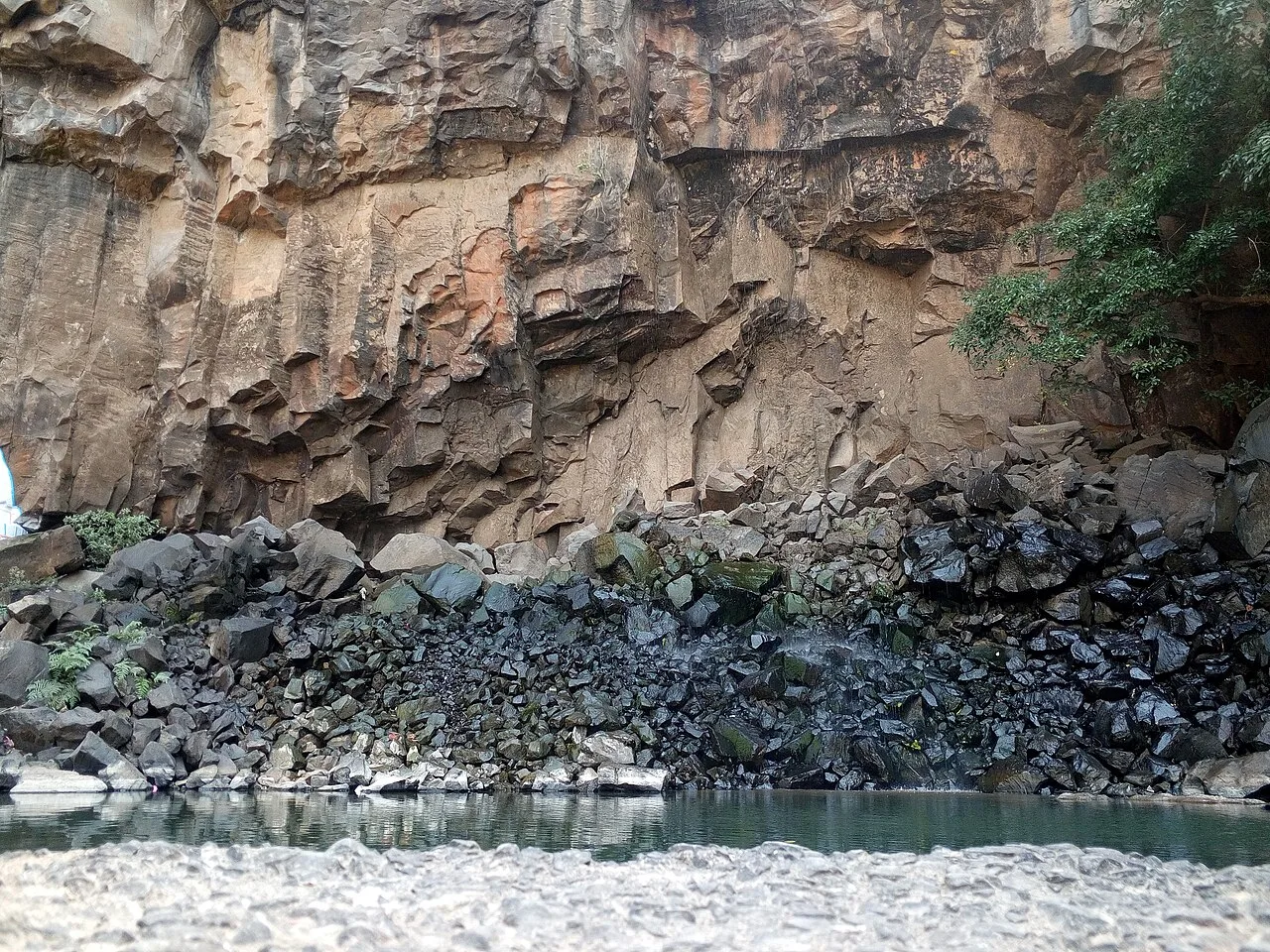
Moti Jharna
Moti Jharna is a village in Jharkhand’s Sahibganj district, within Taljhari block and Rajmahal subdivision. These administrative details help visitors locate the settlement.
Key facts · verified by Ghumoopedia editors
- Type of place
- Community & living culture
- Best time to visit
- October to February for sightseeing; July to September for waterfalls at full flow (expect slippery paths)
- Nearest railway station
- Katihar Junction · about 40 km (straight line)
- Nearest airport
- Deoghar Airport · about 135 km (straight line)
- Verified
- 21 Nov 2026
Plan a trip from Moti Jharna — a day-by-day route through places nearby.
Moti Jharna is a village situated in Sahibganj district, Jharkhand. Its administrative position is within Taljhari CD block, which forms part of Rajmahal subdivision. The village can therefore be located through several levels of administration: Taljhari is its block, Rajmahal its subdivision, and Sahibganj its district. Jharkhand is the state to which the district belongs. Together, these details place Moti Jharna within the district and subdivision named above, and identify its block-level location as Taljhari. Jharkhand is the land of forests, waterfalls and Adivasi communities such as the Santhal, Ho and Munda, with major pilgrimages at Baidyanath Dham (Deoghar) and Shikharji (Parasnath). Jharkhand has hot summers from March to June, a monsoon from June to September when the waterfalls are at their fullest, and cool winters from November to February; the Netarhat plateau stays pleasant for much of the year. The usual best time to visit is October to February for sightseeing; July to September for waterfalls at full flow (expect slippery paths). Timings, fees and access arrangements must be confirmed locally. For official information, see Jharkhand Tourism at https://www.jharkhandtourism.gov.in.
Why it matters
Moti Jharna is a village in Taljhari CD block, Rajmahal subdivision, in Sahibganj district, Jharkhand. Its local interest is associated with the waterfall suggested by its name and with the rural landscape of the Rajmahal Hills region. For residents, the surroundings are part of everyday village life; visitors should treat the site and nearby paths as shared community spaces rather than as a developed attraction. The available reference information does not establish a national or state heritage designation, nor does it identify the waterfall as an ASI-protected monument or UNESCO site. Its importance is therefore best understood as local and landscape-based. Confirm access arrangements with people on the ground, as conditions and any management rules may change.
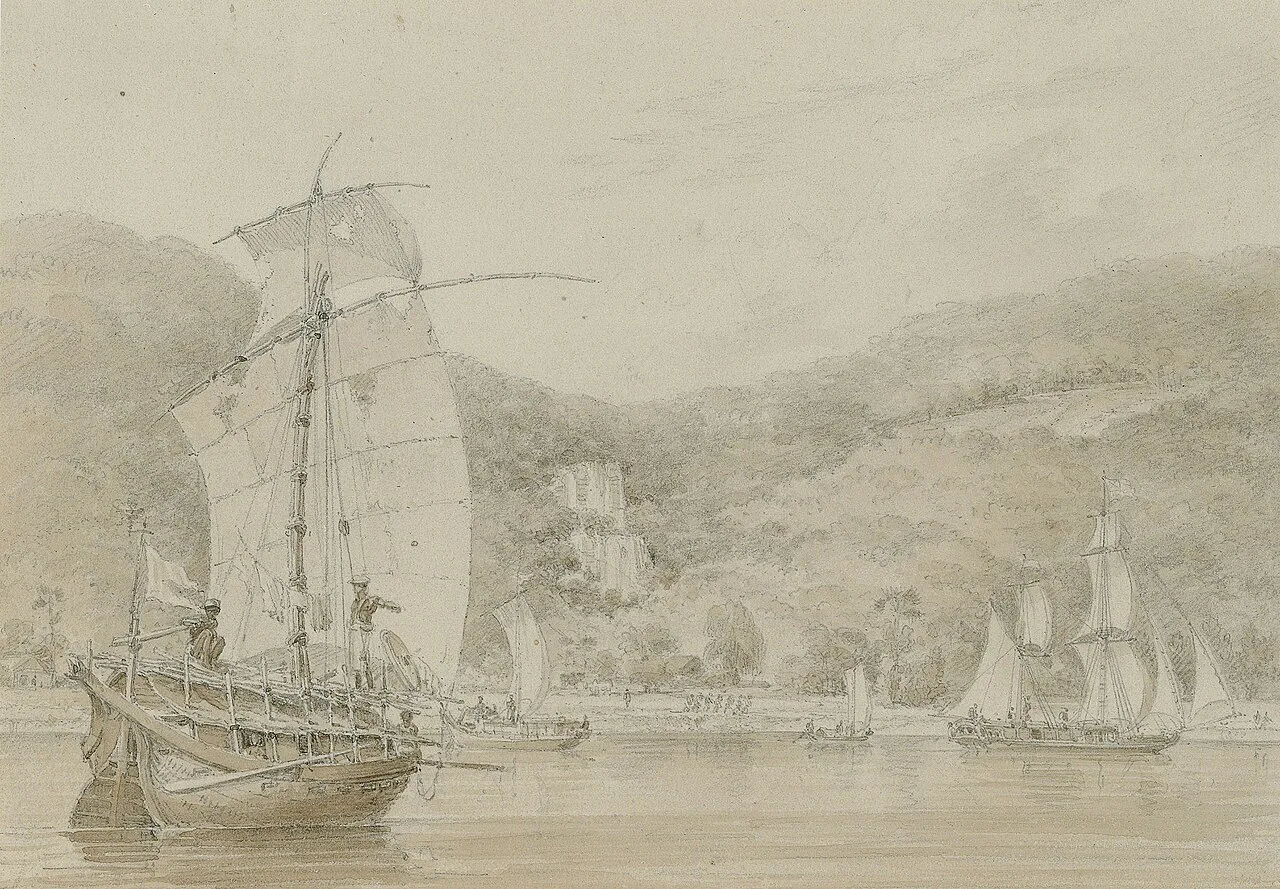
Published information about Moti Jharna chiefly identifies it as a village in Taljhari CD block, within Rajmahal subdivision of Sahibganj district. The available reference does not document when the settlement was founded, who established it, or when the waterfall first became a visitor destination. It would be misleading to assign a builder, founding date or formal restoration history without reliable local or archival evidence. The wider Rajmahal region has a long history of settlement and changing political importance, but that broader history should not be treated as a verified account of this particular village or waterfall. Today, Moti Jharna remains a lived-in rural place, and visits are shaped by local access, seasonal water conditions and the needs of residents. For a fuller account, ask locally about oral histories and consult district or state records; distinguish documented evidence from family memory and folklore. No major monument restoration or official heritage project at Moti Jharna is established by the available guide.
Origin stories & folklore
No specific origin legend for Moti Jharna is established in the available reference information. The name may invite stories about the waterfall, but visitors should not present a guessed meaning or a general regional tale as a local tradition. Oral accounts may be shared by residents, and versions can differ between families and communities. If someone offers a story, ask whether it is appropriate to record or repeat it, and identify it as a local account rather than verified history. Avoid pressing people to disclose sacred, private or restricted knowledge. The waterfall and its surroundings can be appreciated without attaching an unverified legend to them.
Spend unhurried time at Moti Jharna: walk the marked paths, use official viewpoints and ask locally whether a guide, entry ticket or forest permission is needed. Enjoy the water from safe, marked points; rocks near falls are slippery and currents are dangerous, especially in the monsoon — never swim below a waterfall. Wildlife sightings are never guaranteed — patience and quiet improve your chances. A comfortable itinerary is one main visit in the morning, a local meal at midday and a short nearby stop before an afternoon return. Use the district list on this site to find other places in Sahibganj, but check the route and its condition before combining stops. If a festival or fair is on — such as the Shravani Mela at Deoghar or Sarhul — roads and stays can be busy, and the experience can be unforgettable. Leave no litter: many sites are protected by the communities around them.
Suggested itineraries
Half day: Reach the village in the morning; ask locally about access; walk to an appropriate viewpoint and spend time observing the falls; return before the afternoon journey (about 3–4 hours, excluding travel). Full day: Travel in the morning; visit Moti Jharna at an unhurried pace; have a local meal where available; add a separately checked stop in the Rajmahal area; return before dark (about 6–8 hours, excluding long transfers). Gentler option: Keep to the nearest safe viewpoint, shorten the walk, take frequent rests and skip any nearby stop if the approach is uneven.
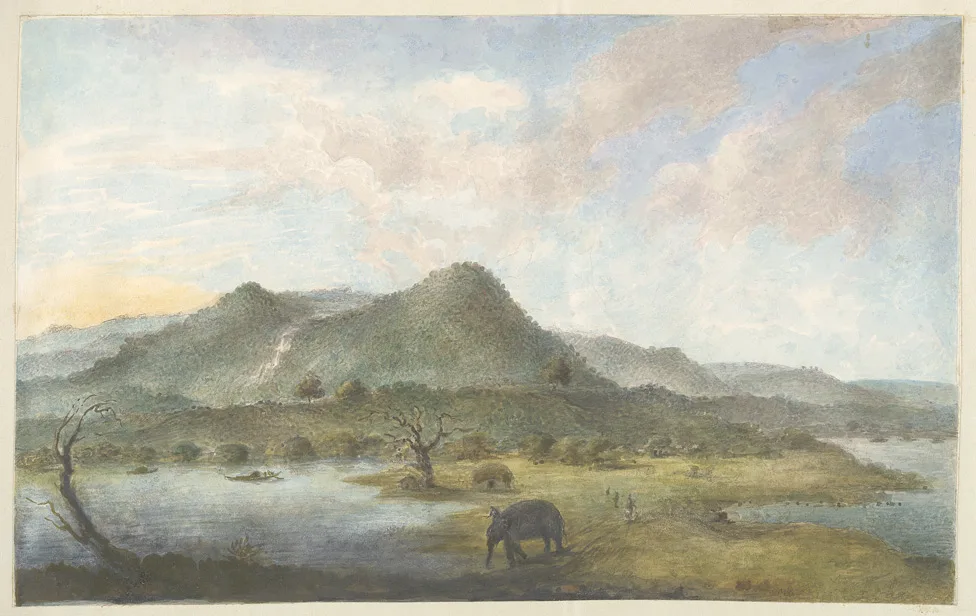
Moti Jharna is a village, not only a waterfall stop, so visitors may encounter ordinary rural routines alongside seasonal visits to the water. The wider Sahibganj region is home to Adivasi communities, including Santhal and Paharia people, as well as other residents. Santhali and regional languages are used in the area, alongside Hindi; which language a visitor encounters varies by household. Music, dance, foodways and dress differ between communities and occasions, and should not be treated as a single tourist performance. Ask before photographing people or a gathering, and follow local guidance around worship, household spaces and community events.
Local communities
The people connected with Moti Jharna include village residents and communities living across Taljhari and Sahibganj district. Santhal and Paharia communities are among the Adivasi groups associated with the wider district, alongside other local populations; this does not mean every household in the village belongs to one community. Rural livelihoods in the area may include cultivation, wage work, small trade and forest-linked activities, with patterns varying between households and seasons. Visitors should not assume that cultural practices are public attractions. Buy from local sellers where possible, seek consent for photographs and respect private land and community decisions about access.
Festivals & events
Festival observances vary between households and communities. Across the wider region, Adivasi festivals such as Sarhul, Sohrai and Karam may be observed in their seasonal periods, while Chhath is also celebrated in parts of Jharkhand. Larger festivals and local fairs can increase traffic and demand for transport or accommodation in nearby towns; the effect depends on location and year. Ask residents about any village observance before visiting, and do not treat ceremonies as performances for visitors. Deoghar's Shravani Mela is a major pilgrimage event elsewhere in Jharkhand, not a festival at Moti Jharna.
Local food in Jharkhand includes dhuska, rugra (bamboo shoot and mushroom dishes), handia (rice beer, offered by tribal communities), litti, arsa roti, pittha, chilka roti and mahua-based preparations. Ask what is fresh that day; many small eateries cook a limited daily menu. Vegetarian travellers eat very well across this region, and most towns also have non-vegetarian options. Remote sites may have no restaurant at all. Carry water and snacks, eat a proper breakfast before long drives, and ask your accommodation for a packed lunch if you are heading out early. Try a home-cooked or dhaba meal when you can — it is often the best food on the route. Choose busy, clean places, drink sealed or filtered water, and carry your packaging back with you.
Shopping & local experiences
There may be few or no dedicated souvenir shops at the waterfall. In nearby settlements or markets, look for locally made household goods, seasonal produce and snacks, while asking sellers about the maker and origin rather than assuming an item represents a particular community. Handicrafts and textiles associated with Adivasi communities should be bought respectfully and not described as authentic unless their provenance is clear. A meal or refreshments from a local business can be a useful way to support the area. Carry reusable bags, avoid purchasing wildlife products and take packaging away for proper disposal.
Moti Jharna is associated with a waterfall in the hilly landscape of Sahibganj district, within the broader Rajmahal Hills region. Water flow and the character of the surrounding paths change with the seasons; monsoon rain can strengthen the falls while making rocks and tracks slippery. Vegetation is likely to be most lush during and after the rains, but the available reference does not establish a species list for the site. The wider district has varied rural and hill habitats, and birds or other wildlife may be present, but sightings are never assured. Watch quietly from safe public areas, avoid disturbing animals or plants, and do not enter water near the cascade. Carry out all litter, especially plastic.
October to February for sightseeing; July to September for waterfalls at full flow (expect slippery paths)
The nearest principal railway station by straight-line distance is Katihar Junction, roughly 40 km away. The nearest operating airport by straight-line distance is Deoghar Airport, roughly 135 km away. These figures are calculated from map coordinates — actual road distance is longer. Ranchi, Dhanbad, Tatanagar (Jamshedpur), Bokaro and Gomoh are the main rail gateways, and Ranchi, Deoghar and Durgapur have airports. For the final leg, Jharkhand State Transport buses, private buses and shared Sumo and Bolero jeeps link district towns; shared jeeps usually leave early in the morning. A private taxi gives more flexibility for remote sites. When comparing train, bus and flight, count the complete door-to-door time: a flight saves the most time only if the onward road transfer is short, while an overnight train can save a hotel night. Book your return before you leave, because seats fill quickly on weekends, festivals and holidays. Current train numbers, timings, return services and fares are not listed here; check IRCTC and NTES for trains and the airline's own schedule for flights. No permit is needed to visit Jharkhand. Some forest and mining areas have check posts, and a few interior pockets are affected by Left-wing extremism — check current advisories with your host or the district administration before travelling to remote areas, and avoid travelling on isolated roads after dark.
Confirm onward and return timings on IRCTC / NTES, the state bus operator or your airline before travel. A dash means current timings or fares have not been verified.
Getting around
The last part of the journey is likely to require road transport from a nearby town or district route. Local buses and shared jeeps may serve district connections, while a private taxi offers more flexibility; availability can vary, particularly later in the day. Ask the driver or a local resident about the condition of the approach road and the suitable drop-off point. Autos may be available in busier settlements, but should not be assumed at the waterfall. Walk only on locally accepted paths and check where vehicles may be parked without blocking residents, farm access or emergency passage. Boat transport is not established for reaching Moti Jharna.
Hours, tickets & permissions
No verified public opening schedule, ticket arrangement or managing authority is specified in the available information. Before travelling, ask locally whether the approach is open and whether entry tickets, forest or land permissions, a guide, identification or camera restrictions apply. Rules can differ by season or by the area being visited. Confirm current visiting hours and any fees directly with the relevant local or managing authority rather than relying on old online listings. Do not cross barriers or enter a closed area, even if other visitors appear to do so.
Facilities
Do not assume that the waterfall has developed visitor facilities. Toilets, drinking water, food stalls, seating, guides and formal parking may be limited or unavailable on site. Nearby villages or larger settlements may offer basic food and services, but availability varies; check locally before setting out. Carry drinking water and take all rubbish back with you. ATMs and more reliable shops are generally more likely in larger towns than at a rural waterfall, so plan essentials in advance. Ask residents or the relevant local authority about any guide, permission or parking arrangements before entering the site.
Accessibility
The approach may involve uneven ground, natural rock and walking, and conditions can become slippery during the monsoon. The available information does not confirm paved paths, handrails, ramps or wheelchair-accessible viewpoints. Wheelchair and stroller access should therefore not be assumed. Older visitors and anyone with balance, mobility or breathing difficulties may prefer to remain at the closest safe stopping point and avoid wet or steep sections. Shade and places to rest can be limited, so plan breaks and avoid the hottest part of the day where practical. Ask locally about the current route before committing to the walk; do not attempt a section that feels unsafe.
No permit is needed to visit Jharkhand. Some forest and mining areas have check posts, and a few interior pockets are affected by Left-wing extremism — check current advisories with your host or the district administration before travelling to remote areas, and avoid travelling on isolated roads after dark. Carry a photo ID at all times and save the emergency number 112 and your accommodation's contact offline. Heat in summer and fog in winter are the main weather risks; carry water and allow extra travel time on foggy December–January mornings. Waterfalls are dangerous in the monsoon: keep behind barriers, never enter the water near a fall, and leave the area if the water level rises suddenly. Follow local guidance if access changes.
Visitor rules
Follow any signs, barriers and instructions from residents or the site manager. Wear secure footwear with grip; avoid entering the water or walking on wet rocks, and never swim below a waterfall because currents can be dangerous. Keep clothing practical for a rural outdoor visit and respect local preferences around homes and gatherings. Do not litter, leave food waste, damage plants or disturb wildlife. Stay out of restricted areas and private land. Ask permission before photographing people, homes, ceremonies or work, and follow any local photography or access limits. Alcohol, loud behaviour and unsafe climbing are inappropriate at the falls.
Photography
Soft morning light can suit views of the waterfall and surrounding greenery, while cloud and rain may change visibility quickly. Use only safe, publicly accessible viewpoints; do not climb wet rocks or cross barriers for a picture. General landscape photography may be possible, but check locally for any site restrictions or camera fees. Ask consent before photographing residents, children, homes or ceremonies, and accept a refusal without argument. Drone use can be restricted by aviation rules, local permissions or community concerns; do not fly one without confirming all requirements. Protect equipment from spray and keep clear of the water's edge.
Choose a stay by the full journey to Moti Jharna, not just the district name. Ranchi, Jamshedpur and Deoghar offer the widest choice; forest rest houses near the sanctuaries must be booked through the forest department. In summer, check air-conditioning or coolers; in December and January, check hot water. Book in advance for weekends, festivals and the peak season (October to February for sightseeing; July to September for waterfalls at full flow (expect slippery paths)). Confirm the exact location, meals included, check-in time and cancellation terms in writing. Avoid sending money to unverified contacts or touts at stations. Carry some cash, as card and digital payments can be unreliable in remote areas.
Rajmahal town is a possible addition for visitors exploring the district's historic and river-region setting; check road conditions and individual site access before combining it with Moti Jharna. Udhwa Lake Bird Sanctuary, also known as Udhwa Lake Bird Sanctuary, is a recognised destination in Sahibganj district for wetland and bird habitats; seasonal conditions affect what visitors can observe. These are separate excursions, and travel time depends on the route and road conditions. Do not assume that a same-day combination is practical without checking locally. The district headquarters, Sahibganj, may be useful for transport and services.
For couples, Moti Jharna rewards a slow pace: arrive early for soft light and fewer crowds, share a local meal and keep the evening free. A waterfall viewpoint after the monsoon or a sunset from a hill temple makes the trip memorable. Public displays of affection can be frowned upon in conservative communities and at religious sites, so be discreet. Keep a buffer in your itinerary, because weather and road conditions can delay plans.
Q: How much time should I allow for Moti Jharna? A: Allow a half day for a cautious visit and the walk, not counting a long journey to the village. Add time if roads are slow or you plan another district stop. Q: What is the best season to visit? A: October to February is generally more comfortable for sightseeing. Monsoon months can bring fuller water, but paths and rocks may be slippery and conditions should be checked locally. Q: Is there an entry ticket or permit? A: Ask locally whether a ticket, guide or permission is needed, and confirm any fees with the relevant authority. Q: Is the visit suitable for children and older visitors? A: It can be, with close supervision and a conservative route. Keep children away from the water's edge; uneven, slippery ground may not suit visitors with limited mobility. Q: Where can I stay nearby? A: Check accommodation availability in Sahibganj or other larger towns before travelling. Do not assume there are guesthouses or other overnight facilities at the waterfall.
Be the first to share photos, stories, advice or a helpful contact for Moti Jharna.
Loading…