
Ghumoopedia — Explore, Discover, Experience
Sign in
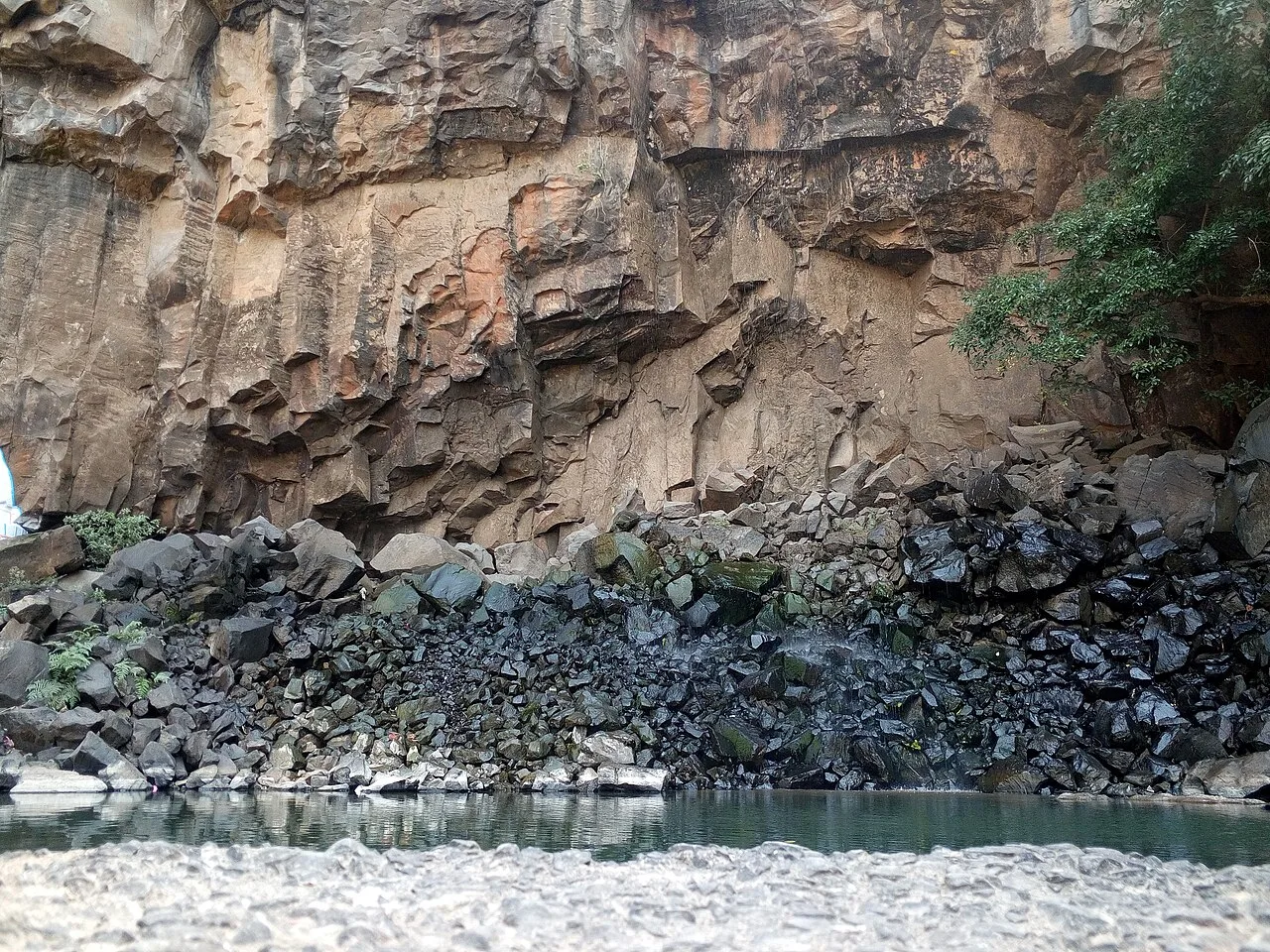
Moti Jharna, near Sahebganj

City guide · Jharkhand

Sahebganj

Sahebganj, also spelled Sahibganj, is a district headquarters and river port in northeastern Jharkhand, set on the Ganges. Its location links the Santhal Pargana region with river, rail and road routes, and the town serves as a centre for administration and trade.

Famous for

  • Ganges river port
  • Rajmahal hill gateway
  • Teliagarhi Fort
  • Santhal Pargana heritage
In the city
1
District
Sahibganj

Why Sahebganj matters

Sahebganj, also spelled Sahibganj, is a district headquarters and river port in northeastern Jharkhand, set on the Ganges. Its location links the Santhal Pargana region with river, rail and road routes, and the town serves as a centre for administration and trade. The Sahibganj Multimodal Terminal has added cargo-handling infrastructure on the Ganges, while the railway station remains an important point of arrival for the area.

Visitors come for the broad river landscape and for excursions into the history and scenery of the Rajmahal hills. Nearby sites include Rajmahal, once a Mughal provincial capital, and Teliagarhi Fort, a historic passage through the hills. The town is also a useful base for exploring the wider district, including its riverside settlements and nature areas. Sahebganj is less a conventional resort than a working regional town: its appeal lies in the combination of river views, layered history and access to the distinctive landscapes of northeastern Jharkhand.

Famous for: crafts, trade & products

Sahebganj is best known commercially as a transport and trading centre rather than as a major textile or handicraft hub. The Ganges port and railway support the movement of goods through the region. In the wider district, stone quarrying and stone aggregates are significant industries; these are more visible in the surrounding area than in the town centre. Local markets mainly serve everyday needs, with produce, fish, groceries, clothing and household goods available in the bazaar areas.

There is no widely recognised city-specific saree tradition or GI-tagged product associated with Sahebganj. Santhal and Paharia communities have distinct cultural traditions, but visitors should not assume there is a dedicated craft market or a consistently available range of locally made goods. For everyday shopping, explore the central bazaars and ask locally about seasonal produce or handmade items. The Sahibganj Multimodal Terminal is notable as freight infrastructure, rather than as a visitor marketplace. Travellers looking for crafts from across Jharkhand may find more choice in larger state centres.

History

The history of Sahebganj is closely connected with nearby Rajmahal and Teliagarhi, a strategic pass through the Rajmahal hills. The area has long been home to Paharia communities. Teliagarhi became an important route for armies travelling between Bengal and northern India. In 1592, Mughal general Man Singh made Rajmahal the capital of Bengal; the provincial capital later moved away, though Rajmahal regained prominence in the seventeenth century. The town’s name is associated with the colonial era, when Europeans lived and worked around its railway station.

British control brought conflict with Paharia communities, followed by the Santhal Hul of 1854–55, after which Santal Pargana was established as a separate district. The region also took part in the 1942 independence movement. Sahebganj later became the headquarters of its own district, formed from parts of the former Santal Pargana district. Since Jharkhand became a separate state in 2000, the town has continued as an administrative centre, with river and transport infrastructure adding to its regional role.

Food, festivals & culture

Daily food in Sahebganj reflects the wider Santhal Pargana region: rice, lentils, vegetables and fish are common, with seasonal greens and community-specific dishes adding variety. There is no single famous city sweet; snacks and festive foods vary between households and communities. Hindi is widely used, alongside Santhali, Bengali, Urdu and other regional languages. Santhal music and group dances, often accompanied by drums, are part of community celebrations and cultural gatherings.

The festival calendar includes Sarhul in spring, Karma during the monsoon season and Sohrai around the post-harvest period. Chhath, usually observed in autumn, brings worshippers to riverbanks, while Durga Puja, Eid and Christmas are also celebrated by local communities. Temples, mosques and churches serve the town’s varied population. The Ganges is important both to the landscape and to religious observances; visitors should be mindful of local customs at riverside worship sites. The Laxmi Narayan Temple is among the town’s notable places of worship.

Visiting the city

The cooler, drier months from October to February are generally the most comfortable for visiting. The nearest practical airport is Deoghar Airport; check onward connections before travel. Sahibganj Junction is the town’s main railway station. Auto-rickshaws and cycle rickshaws are useful for getting around town, while a hired car can make visits to nearby sites easier.

Explore the central bazaar and Ganges riverfront, then consider day trips to Rajmahal and Teliagarhi Fort near Mirzachauki. The wider district also offers river scenery and nature excursions, including Udhwa Bird Sanctuary. Distances and road conditions can make local journeys slower than they appear on a map, so allow time for travel beyond the town.

Attractions

Places to visit in Sahebganj

Sights within about 12 km of each other, even when they fall in different districts.

Map

Sahebganj on the map

  1. 1Moti Jharna

Jharkhand

Other cities to explore