Ghumoopedia — Explore, Discover, Experience
Sign in
Bokaro Steel City, near Dhanbad

City guide · Jharkhand

Dhanbad

Dhanbad is a major commercial and industrial centre in Jharkhand, shaped above all by the coalfields that surround it. Often called the Coal Capital of India, it is a hub for mining, energy, transport and related businesses.

Famous for

  • Coal mining and trade
  • IIT (ISM) Dhanbad
  • Damodar Valley dams
  • Maithon and Topchanchi
  • Railway and industrial hub

Why Dhanbad matters

Dhanbad is a major commercial and industrial centre in Jharkhand, shaped above all by the coalfields that surround it. Often called the Coal Capital of India, it is a hub for mining, energy, transport and related businesses. Bharat Coking Coal Limited is headquartered here, and the Dhanbad railway division plays an important role in moving coal and other freight. The city is also home to IIT (ISM) Dhanbad, a prominent institution for mining, earth sciences and engineering, and has a growing presence in other industries and services.

Visitors come for a mix of urban life and nearby landscapes rather than a single historic centre. Shakti Mandir is a well-known place of worship, while Maithon Dam, Panchet Dam, Topchanchi Lake and Bhatinda Falls make rewarding excursions in the wider district. Dhanbad’s markets, railway activity and coal-belt setting offer a vivid view of a working industrial city. Its location also makes it a useful base for exploring eastern Jharkhand and neighbouring parts of West Bengal.
Famous for: crafts, trade & products

Coal remains Dhanbad’s defining product and economic engine. Mining, coal processing, power generation, engineering and transport support much of the local trade; Bharat Coking Coal Limited and the railway division are important institutional presences. IIT (ISM) Dhanbad is another major name, drawing students and researchers in mining, geology and engineering. The city is not especially known for a signature saree, handicraft or GI-tagged product, so visitors should not expect a single local specialty market devoted to one craft.

For everyday shopping, Bank More, Hirapur and Purana Bazaar are busy commercial areas, while Saraidhela has a range of shops and services. These markets are useful for clothing, household goods, snacks and locally used products, rather than as established craft destinations. Regional foods and seasonal goods may appear in markets and festival stalls. For handloom or tribal crafts from the broader Jharkhand region, look out for exhibitions and organised fairs; selection and availability vary. Mining-related businesses and equipment suppliers are part of the city’s wider commercial landscape, though they are not generally visitor shopping attractions.

History

The area around Dhanbad was historically part of the Manbhum region and included forested country inhabited by Adivasi communities, including Santals and Mundas. Its mineral wealth transformed the region as coal mining expanded under British rule and rail links connected mines with industrial and commercial centres. Mining brought workers and businesses from many parts of the subcontinent, giving the city a diverse population and a strongly urban character.

Dhanbad was part of Manbhum district before being made a separate district in 1956, with the city as its administrative centre. The district initially belonged to Bihar. The creation and growth of coal enterprises, railways and related industries further established Dhanbad as a major economic centre. When Jharkhand was formed in 2000, Dhanbad became part of the new state. The Indian School of Mines, established in 1926 and now IIT (ISM) Dhanbad, reflects the long-standing importance of technical education to the region’s mining economy.

Food, festivals & culture

Dhanbad’s food reflects the mix of communities that settled in the coal belt. Everyday meals include rice, dal, vegetables and fish, alongside popular regional dishes such as dhuska, pitha and litti chokha. Thekua is associated with Chhath observances, while sweets and snacks vary across neighbourhood shops and family traditions. Hindi is widely used; Bengali, Urdu, Santali and other regional languages are also heard in the city.

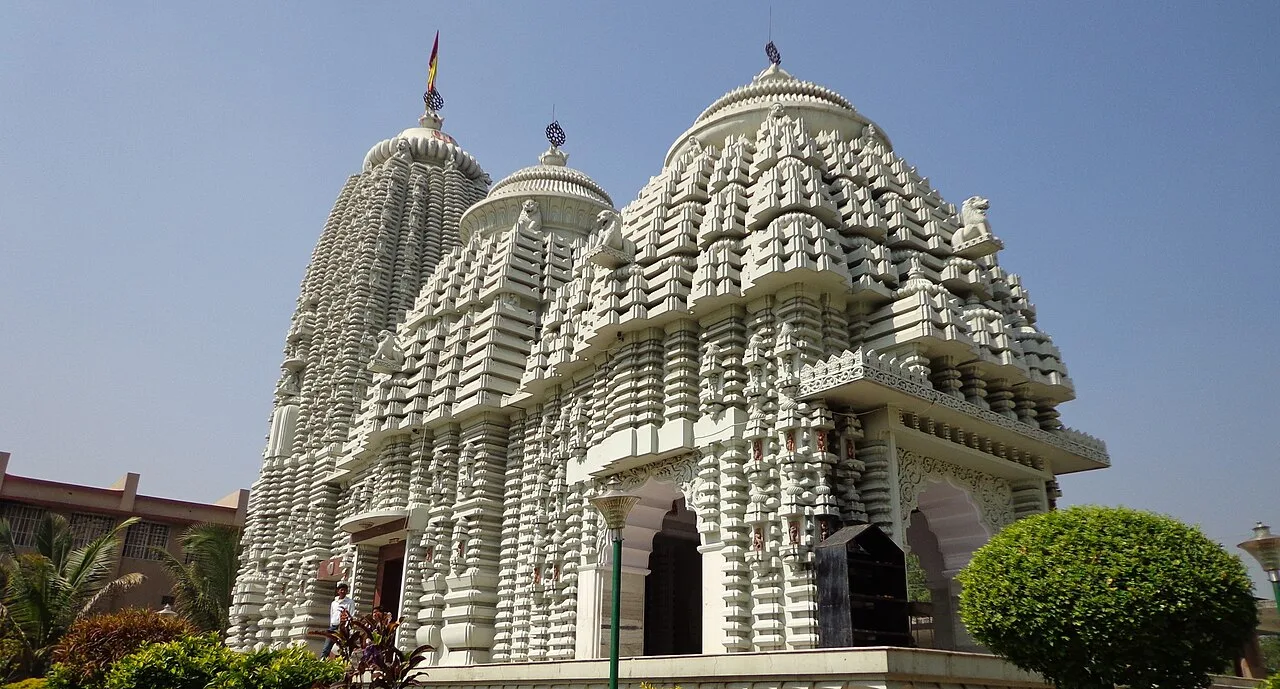
Durga Puja, usually in September or October, brings neighbourhood pandals and gatherings. Chhath, generally observed in October or November, is marked by prayers at water bodies. Sarhul in spring and Sohrai after the harvest reflect Adivasi traditions, while Eid, Diwali and Christmas are celebrated by their respective communities. Folk music and dance, including Jhumair and Santali traditions, are part of the wider cultural landscape. Shakti Mandir is a prominent city temple, and Kalyaneshwari Temple near Maithon is a well-known place of worship in the district.

Visiting the city

October to February is generally the most comfortable season for exploring Dhanbad and making trips to nearby lakes, dams and waterfalls. Summers can be very hot, while the monsoon brings heavy rain. The nearest airport options include Kazi Nazrul Islam Airport at Andal and Deoghar Airport; flight connections vary, so check routes before travelling. Dhanbad Junction is the city’s main railway station, with extensive rail connections.

Auto-rickshaws, app-based taxis where available, local buses and hired cars can help with city travel. Bank More and Hirapur are convenient areas for markets and food, while Saraidhela offers shops and services. Shakti Mandir is within the city; Maithon, Panchet, Topchanchi and Bhatinda Falls are better treated as excursions, with a car or taxi offering flexibility.

Trips from the city

Nearest places to visit from Dhanbad

Our closest destination guides, by straight-line distance.

Bokaro Steel City

32 km away · Bokaro district

Bokaro Steel City

Bokaro Steel City is a planned industrial centre in Jharkhand. Visitors come for its zoo, dam, parks and shopping mall, while the city is also known for its steel industry.

Usri Falls

34 km away · Giridih district

Usri Falls

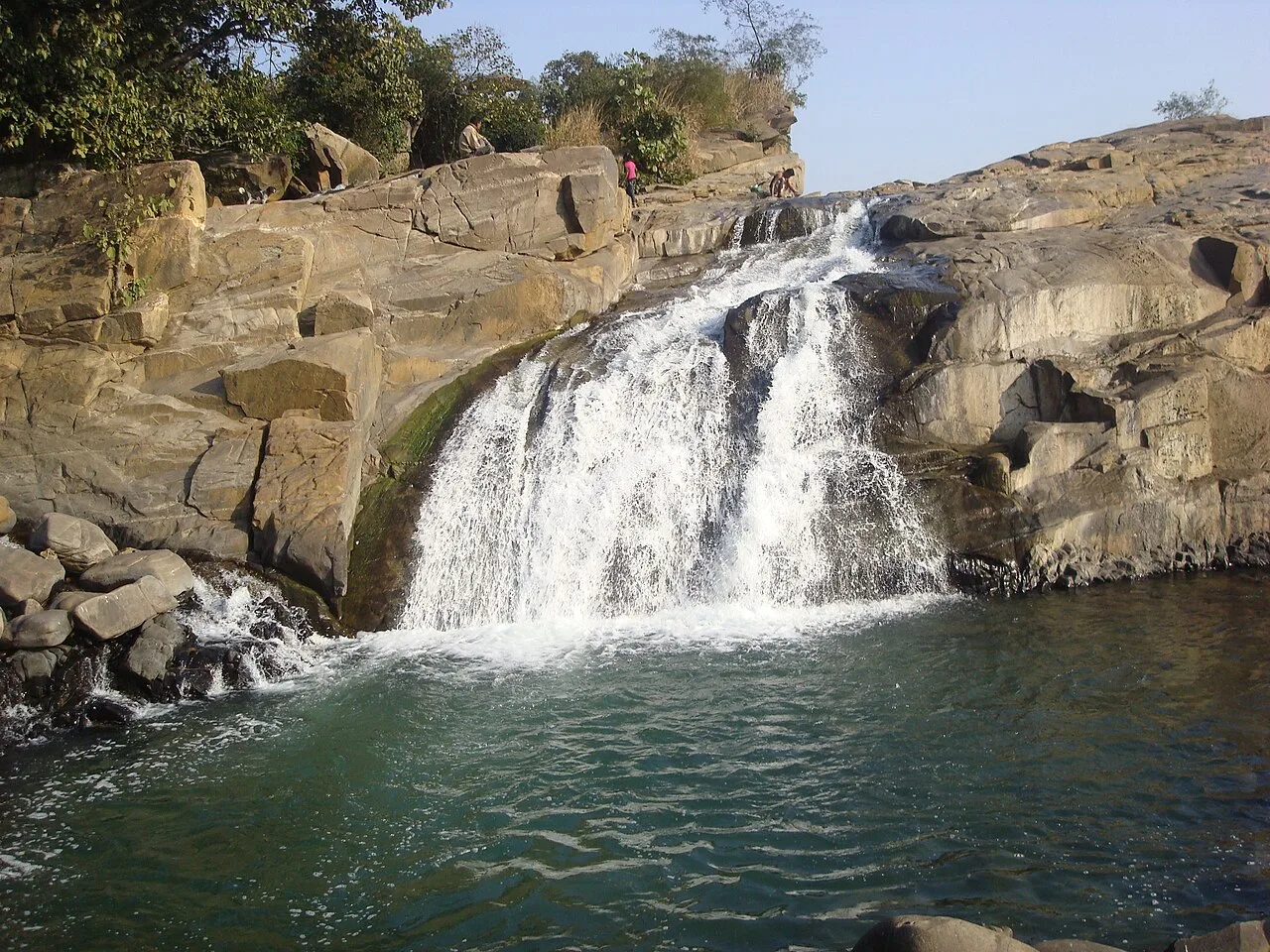
Usri Falls is a waterfall in Giridih district, Jharkhand, visited by tourists and picnickers. The name Ushree means beautiful source.

Panchet Dam

35 km away · Dhanbad district

Panchet Dam

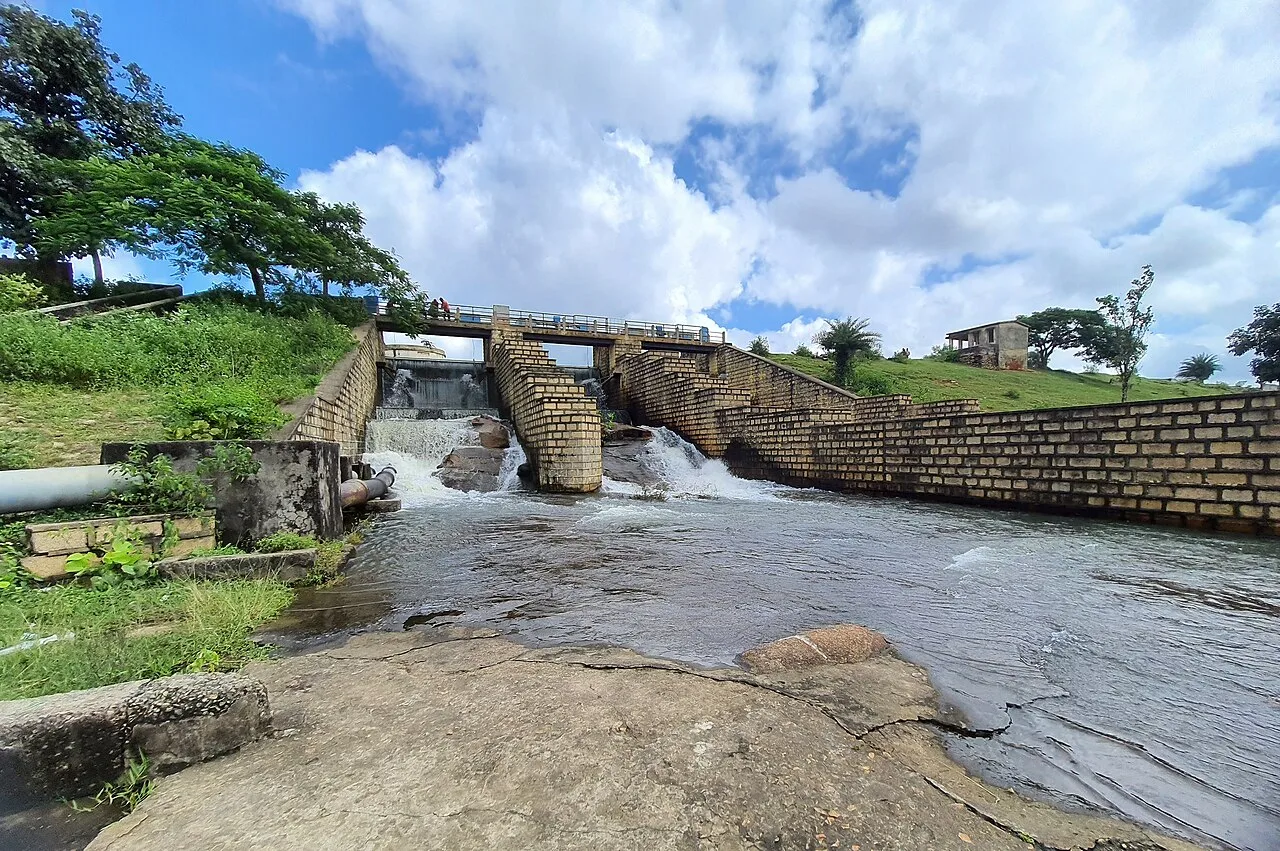
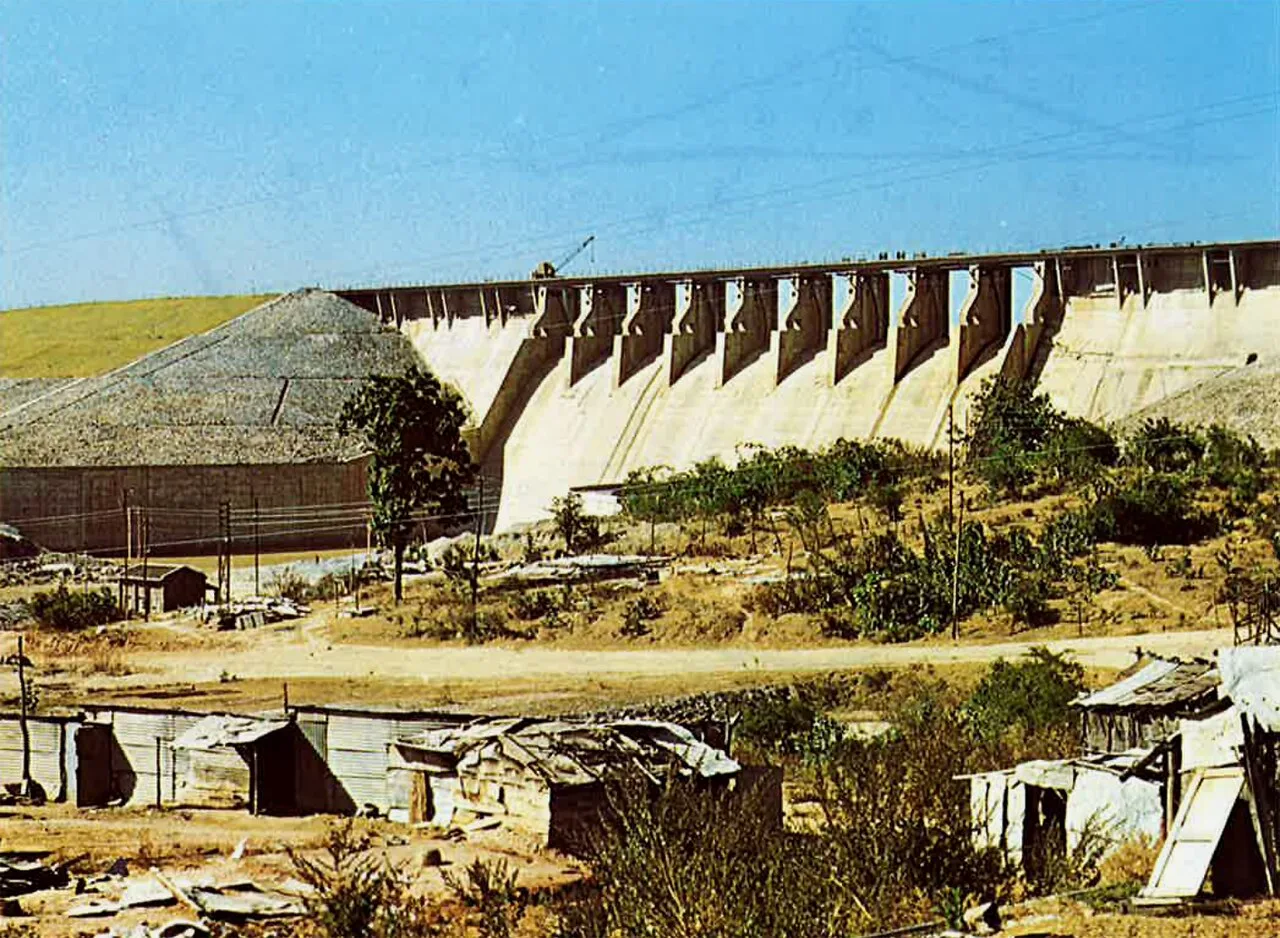
Panchet Dam is a multipurpose structure on the Damodar River in Jharkhand. Visitors come to see the dam and its place in the opening stage of the DVC’s development programme.

Shikharji

35 km away · Giridih district

Shikharji

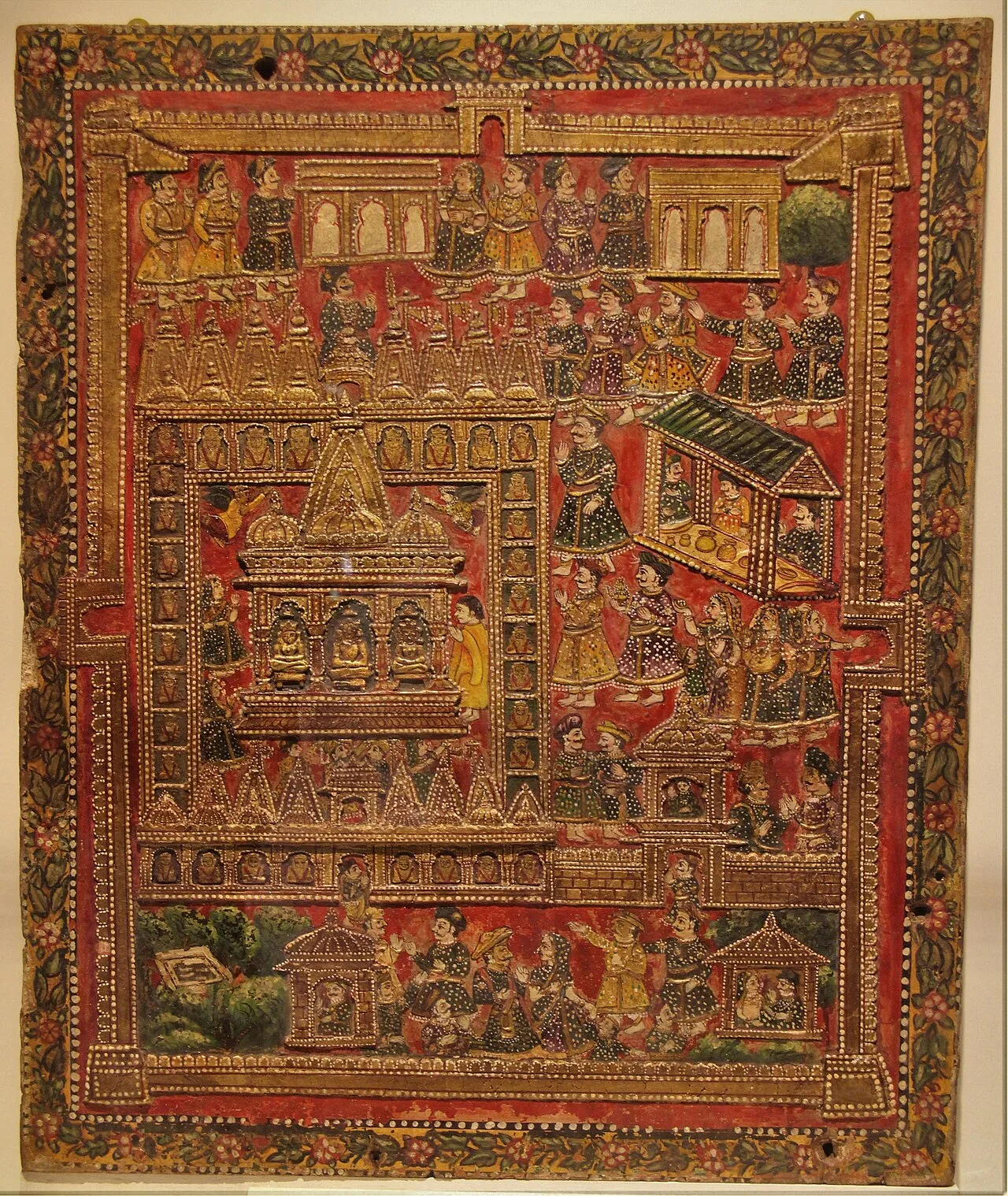
In Jharkhand’s Giridih district, Shikharji—also called Sammet or Sammed Shikharji—is a major Jain sacred destination, visited because tradition holds that many spiritual teachers attained liberation there.

Maithon Dam

36 km away · Dhanbad district

Maithon Dam

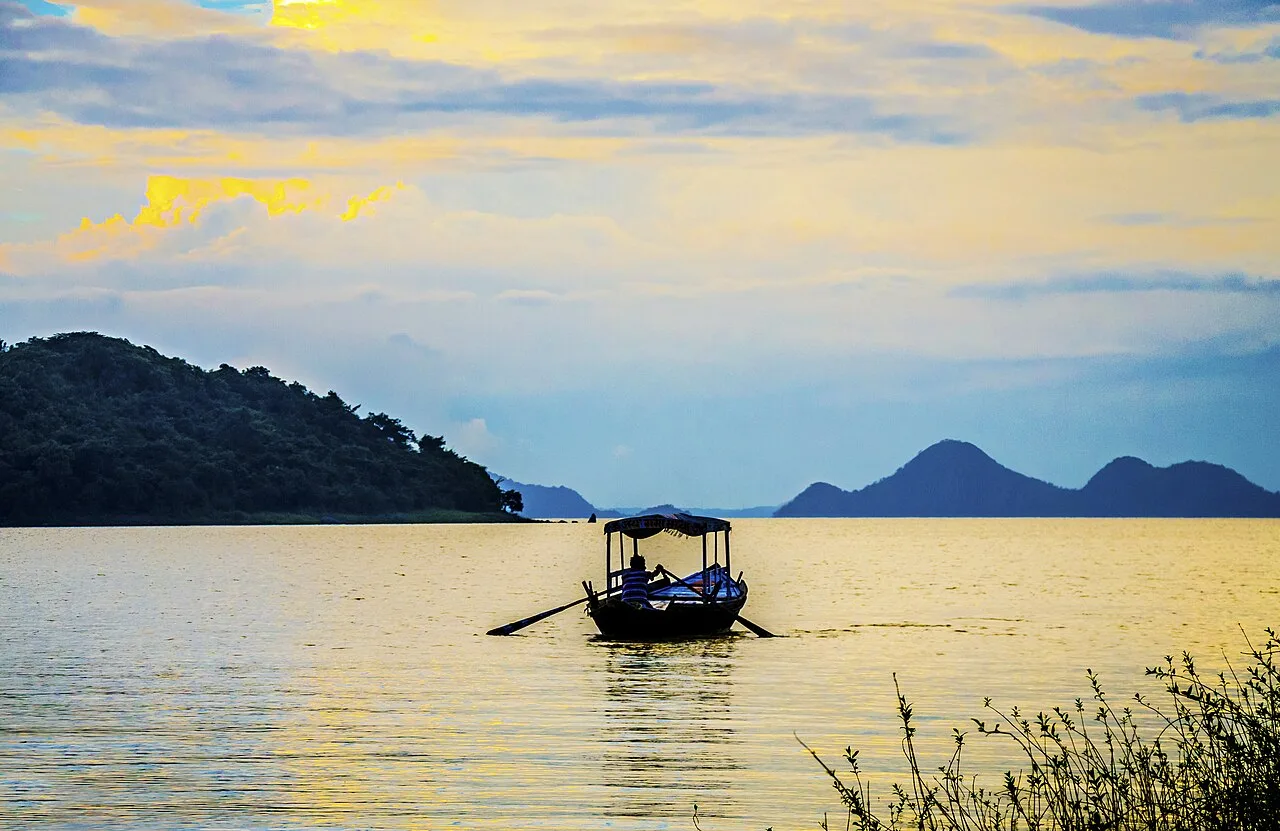
Maithon Dam, built across the Barakar River in Jharkhand, draws visitors for its underground power station, natural surroundings and religious significance, as well as its role in flood control.

Parasnath

36 km away · Giridih district

Parasnath

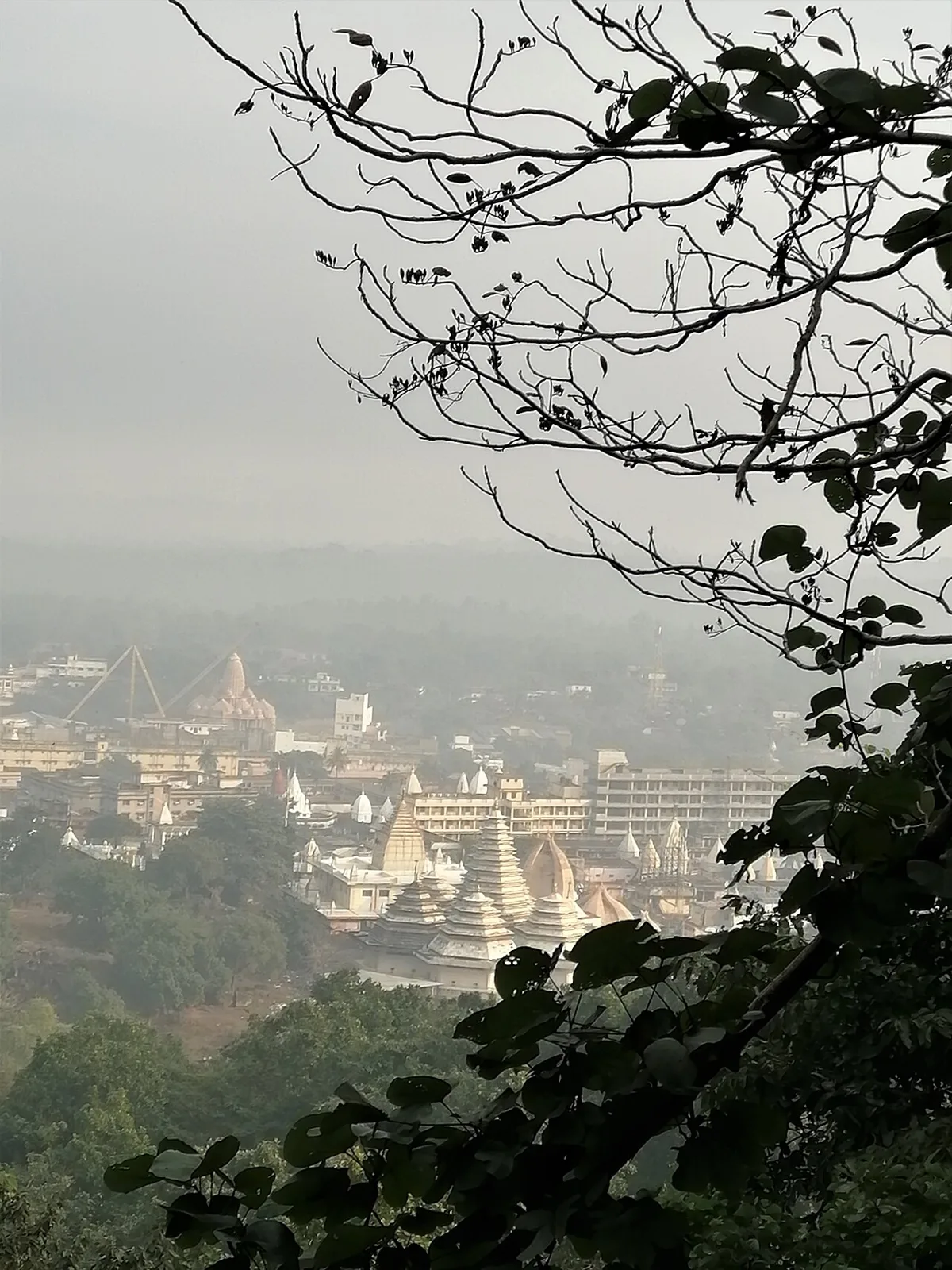
Parasnath is a summit in Jharkhand’s Giridih district and part of the range that bears its name. People visit Shikharji, the Jain pilgrimage site on the summit, linked to Parshvanatha.

Khandoli Dam

50 km away · Giridih district

Khandoli Dam

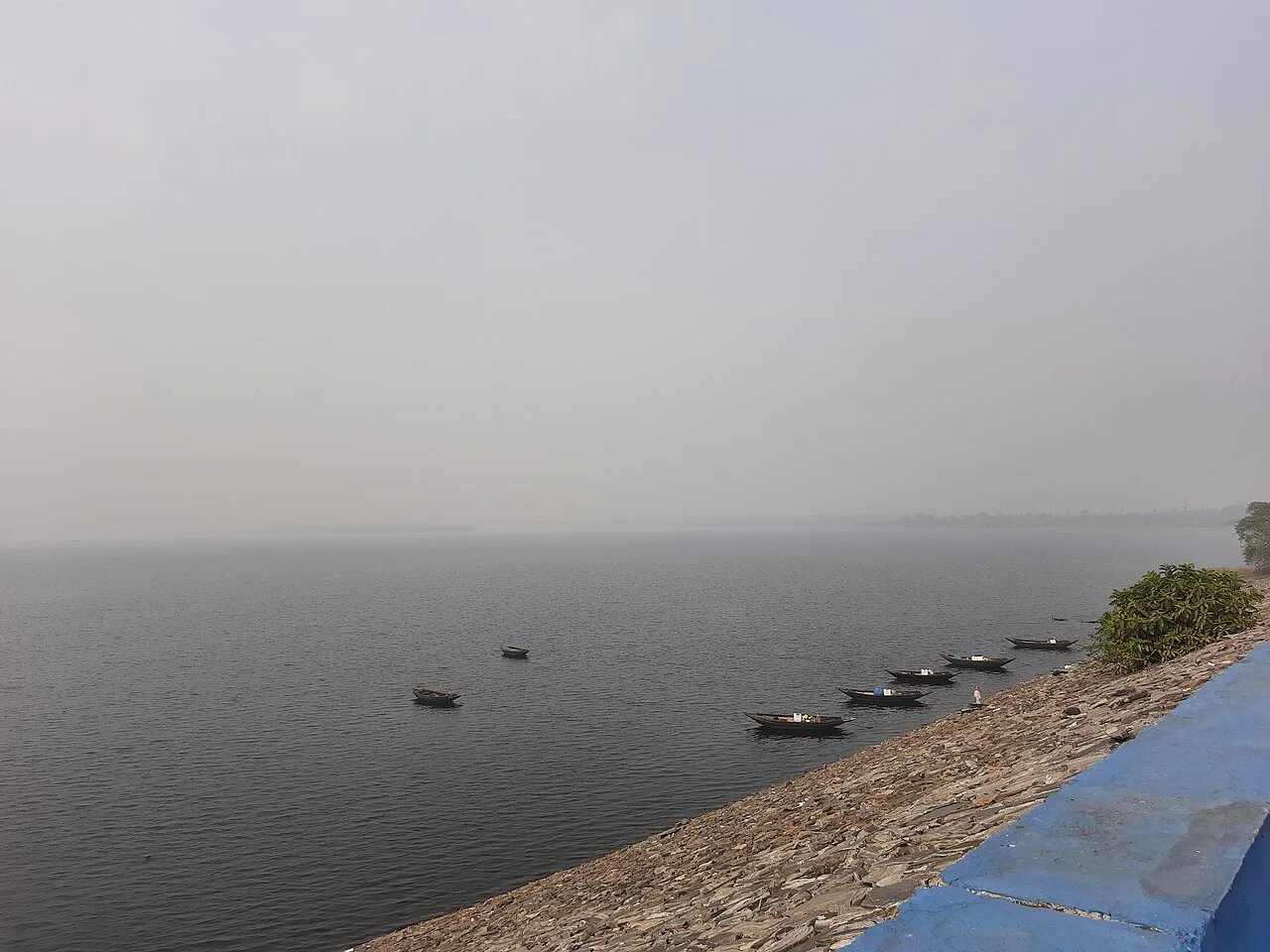
Khandoli Dam is a reservoir in Giridih district, Jharkhand, where visitors come to see the site at the base of Khandoli Hill.

Konar Dam

68 km away · Hazaribagh district

Konar Dam

Konar Dam is a multipurpose dam in Jharkhand’s Hazaribagh district, built on the Konar River as part of the Damodar Valley Corporation’s first-phase programme. Visitors come to the area for recreation.

Map

Dhanbad on the map

  1. 1Bokaro Steel City
  2. 2Usri Falls
  3. 3Panchet Dam
  4. 4Shikharji
  5. 5Maithon Dam
  6. 6Parasnath
  7. 7Khandoli Dam
  8. 8Konar Dam

Jharkhand

Other cities to explore