Ghumoopedia — Explore, Discover, Experience
Sign in
Jubilee Park, near Chaibasa

City guide · Jharkhand

Chaibasa

Chaibasa is the administrative centre of West Singhbhum district and the headquarters of the wider Kolhan division. Its importance comes less from big-city attractions than from its role as a service, education and trading hub for the surrounding towns and villages.

Famous for

  • Kolhan divisional headquarters
  • Ho cultural heritage
  • West Singhbhum administration
  • Kolhan University
  • Tribal festivals and traditions

Why Chaibasa matters

Chaibasa is the administrative centre of West Singhbhum district and the headquarters of the wider Kolhan division. Its importance comes less from big-city attractions than from its role as a service, education and trading hub for the surrounding towns and villages. District offices, markets and educational institutions bring people here from across the region; Kolhan University is among the town’s notable institutions.

The city also offers an introduction to the history and living cultures of the Kolhan region, particularly those of the Ho people. Visitors can explore its busy bazaars and neighbourhoods, sample everyday Jharkhandi food and, at the right time of year, encounter community festivals and dance. Chaibasa is a useful base for travel around West Singhbhum, a district shaped by forests, mineral resources and rural settlements. It is not primarily a resort destination, but its regional character and administrative importance make it a rewarding stop for travellers interested in the people and history of southern Jharkhand.

Famous for: crafts, trade & products

Chaibasa is best understood as a regional trading and service town, rather than a centre for a nationally recognised textile, saree or handicraft tradition. There is no widely established city-specific GI-tagged product or signature craft associated with it. Trade in the town serves the surrounding West Singhbhum area, whose economy includes agriculture and mineral activity. Visitors looking for everyday goods and locally traded produce can browse the central markets, including Sadar Bazar and Bari Bazar; the range changes with season and availability.

The town’s institutional profile is also part of what it is known for. As the district headquarters, it hosts government offices and services used by people from across West Singhbhum, while Kolhan University gives it a regional educational role. A visit to its markets is most useful for seeing everyday town life and buying routine supplies, rather than seeking a particular branded souvenir. Travellers interested in regional crafts can ask locally about current makers and market stalls, since availability is not a fixed or widely documented attraction.

History

The Kolhan region around Chaibasa has a long record of settlement. Archaeological finds across the wider Singhbhum area include stone tools, iron-working remains and pottery; the nearby site of Benisagar preserves evidence of an older religious and urban centre. Before British rule, Ho, Munda and Bhumij communities maintained local governance through the Manki-Munda system, with village and multi-village leadership.

In 1837, the British incorporated Kolhan into the Kolhan Government Estate and made Chaibasa its administrative centre. Political Agent Thomas Wilkinson introduced rules for governing the region that retained limited space for customary arrangements under colonial authority. A government Anglo-Hindi school opened in the town in 1841, and Chaibasa was recognised as a municipality in 1875. After independence, Singhbhum’s administration was reorganised; West Singhbhum district was formed in 1990, with Chaibasa as its headquarters. The town continues to serve as an administrative, educational and commercial centre for the district.

Food, festivals & culture

Chaibasa’s culture reflects the diverse communities of the Kolhan region, with Ho traditions especially prominent. Ho is widely spoken locally, alongside Hindi and other regional languages. Community music and dance are an important part of celebrations, often accompanied by drums and performed in groups. Mage Parab, generally celebrated in winter, and Baa Parab, associated with spring, are significant Ho festivals; Sarhul and Karma are also observed in the wider region. Dates and customs can vary between communities and villages.

Everyday meals commonly feature rice, lentils, vegetables and seasonal ingredients. Dishes such as dhuska and pittha are familiar across Jharkhand, though recipes and availability vary; sweets are often bought from local shops rather than identified with a unique Chaibasa speciality. Hindu festivals including Durga Puja, Diwali and Chhath are celebrated, alongside Muslim and Christian observances. Places of worship include neighbourhood temples, mosques and churches, as well as Sarna sites important to Adivasi religious practice. Visitors should be considerate around ceremonies and ask before photographing people or rituals.

Visiting the city

The cooler months from October to February are generally the most comfortable for exploring Chaibasa. Summers can be hot, while monsoon rain may affect road journeys. The nearest airport is Sonari Airport in Jamshedpur; Birsa Munda Airport in Ranchi is another option for air connections. Chaibasa railway station serves the town, and buses and road connections link it with other centres in the region.

Auto-rickshaws, local buses and hired cars are practical ways to get around; availability varies by route. For a sense of everyday town life, walk through Sadar Bazar and Bari Bazar, then explore nearby neighbourhoods such as Amla Tola and the Railway Station area. Tungri and the city’s outer entry areas offer a glimpse of how the urban centre meets its surrounding settlements. Check local conditions before planning trips beyond town, especially during heavy rain.

Trips from the city

Nearest places to visit from Chaibasa

Our closest destination guides, by straight-line distance.

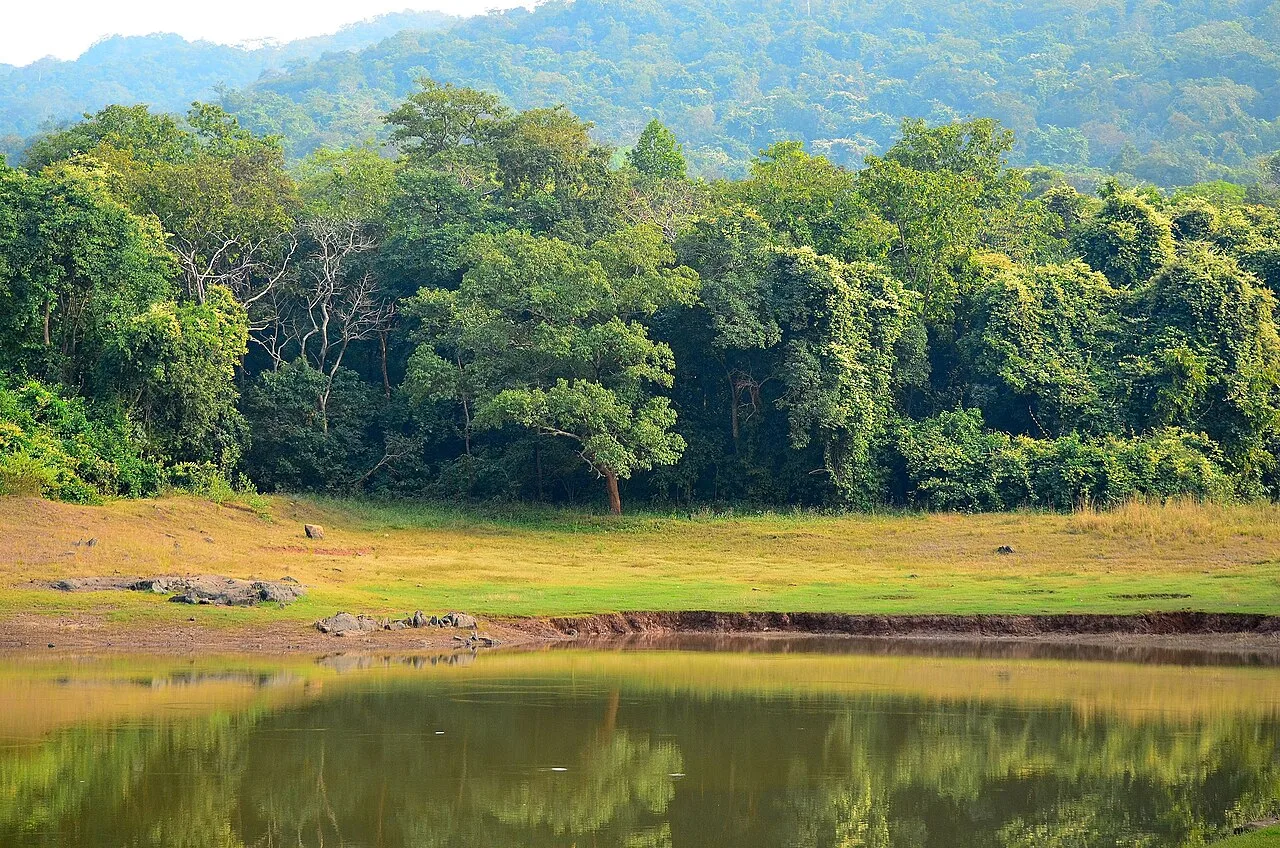
Jubilee Park

50 km away · East Singhbhum district

Jubilee Park

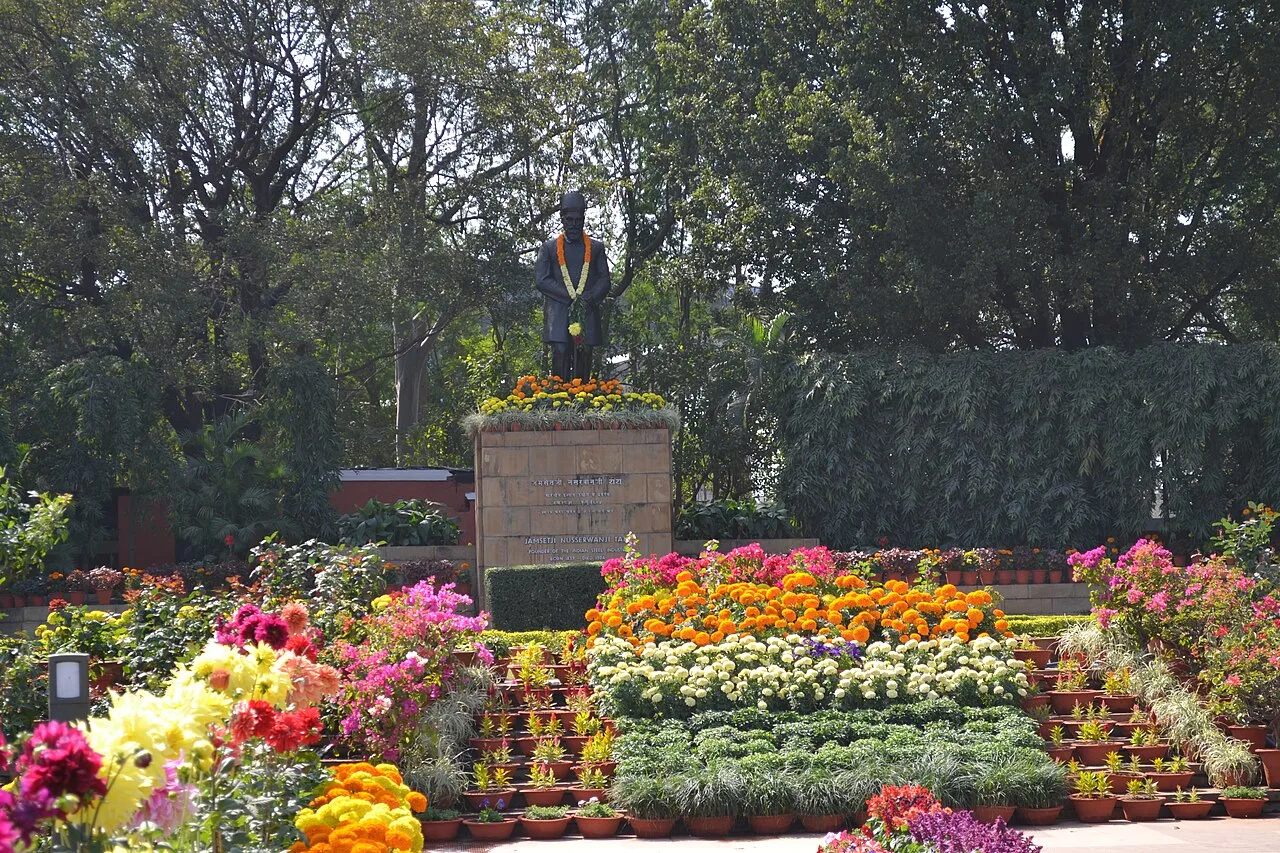
Jubilee Park is a large public park in Jamshedpur, Jharkhand, with space for outdoor activities and attractions including gardens, a lake, an amusement park and a zoo.

Tata Steel Zoological Park

50 km away · East Singhbhum district

Tata Steel Zoological Park

Tata Steel Zoological Park is a zoo in Jubilee Park, Jamshedpur, where visitors come to see animals and enclosures updated through its phased redevelopment.

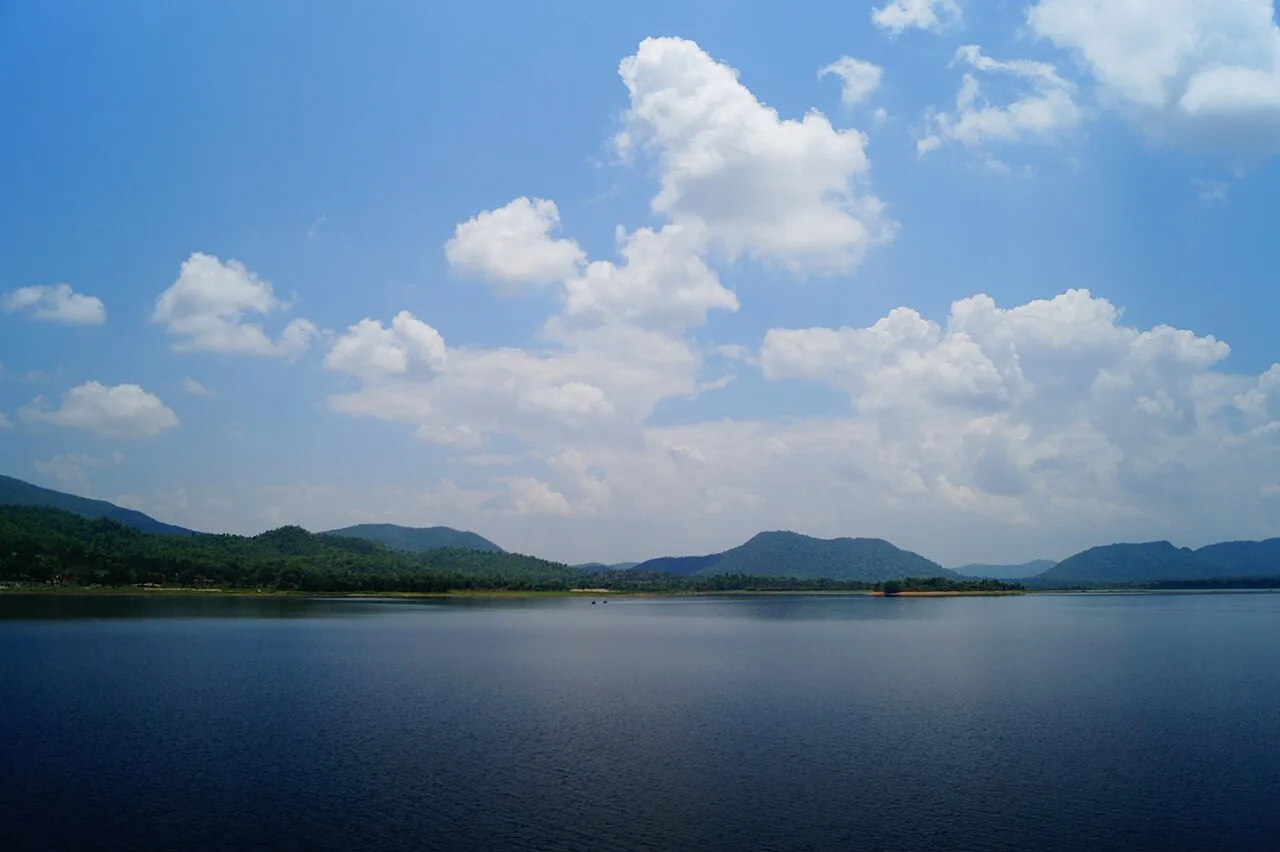
Chandil Dam

52 km away · Seraikela Kharsawan district

Chandil Dam

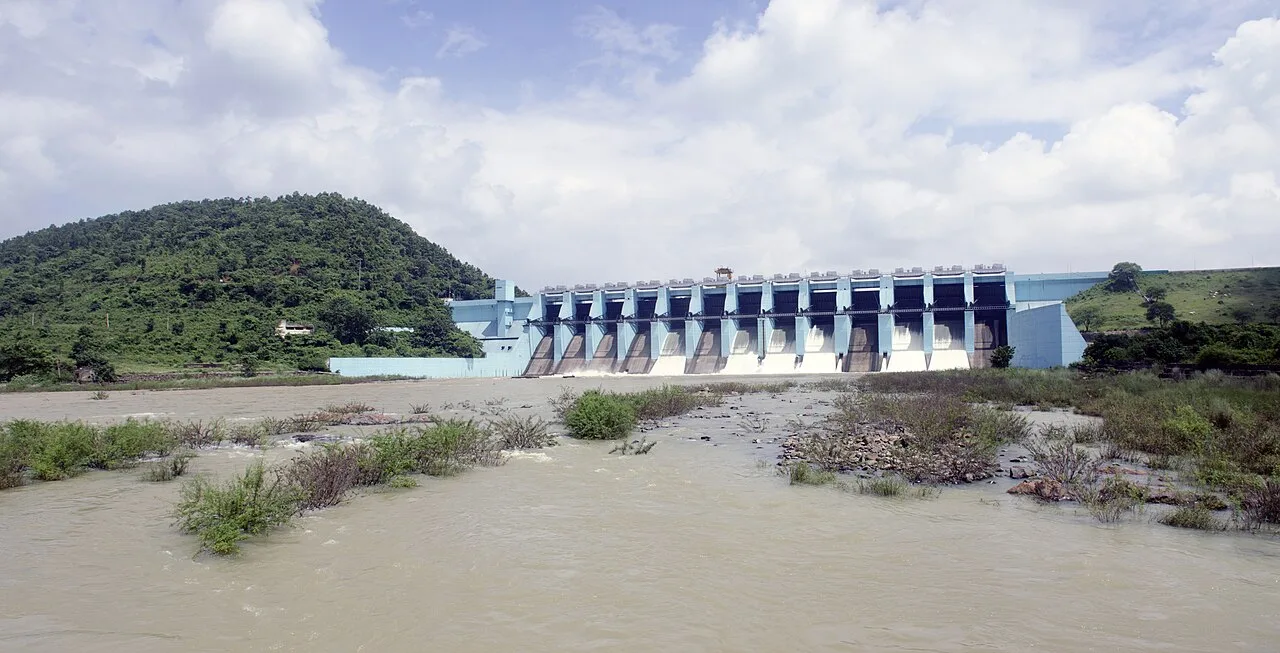
Chandil Dam, in Jharkhand’s Seraikela Kharsawan district, crosses the Subarnarekha and belongs to the Subarnarekha Multipurpose Project. Visitors can see the structure and its connection with the river.

Dalma Wildlife Sanctuary

58 km away · East Singhbhum district

Dalma Wildlife Sanctuary

In Jharkhand’s East Singhbhum district, Dalma Wildlife Sanctuary is a wildlife refuge supporting Indian elephants. Visitors come to encounter its wildlife and elephant habitat.

58 km away · Khunti district

Ulihatu

Ulihatu is a village in Khunti district, Jharkhand, administratively placed in Arki CD block and Khunti Sadar subdivision. These details help visitors identify the village within the district.

Dimna Lake

59 km away · East Singhbhum district

Dimna Lake

Dimna Lake is a man-made reservoir in Jharkhand, near Jamshedpur and Dalma Wildlife Sanctuary. Visitors can see a lake whose creation was tied to the city’s need for water.

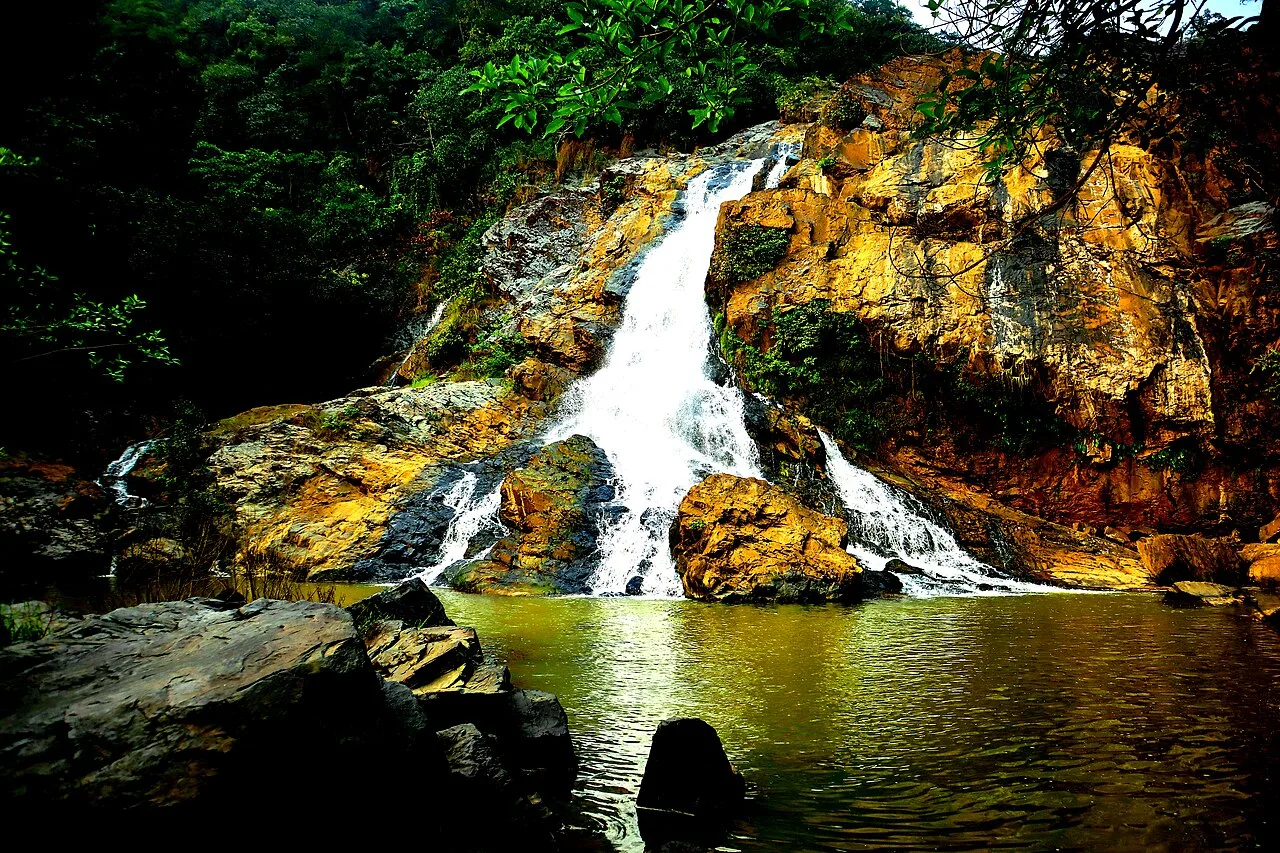
Hirni Falls

60 km away · West Singhbhum district

Hirni Falls

Hirni Falls is a waterfall in Jharkhand’s West Singhbhum district. Visitors go to see the waterfall, the defining feature of this place.

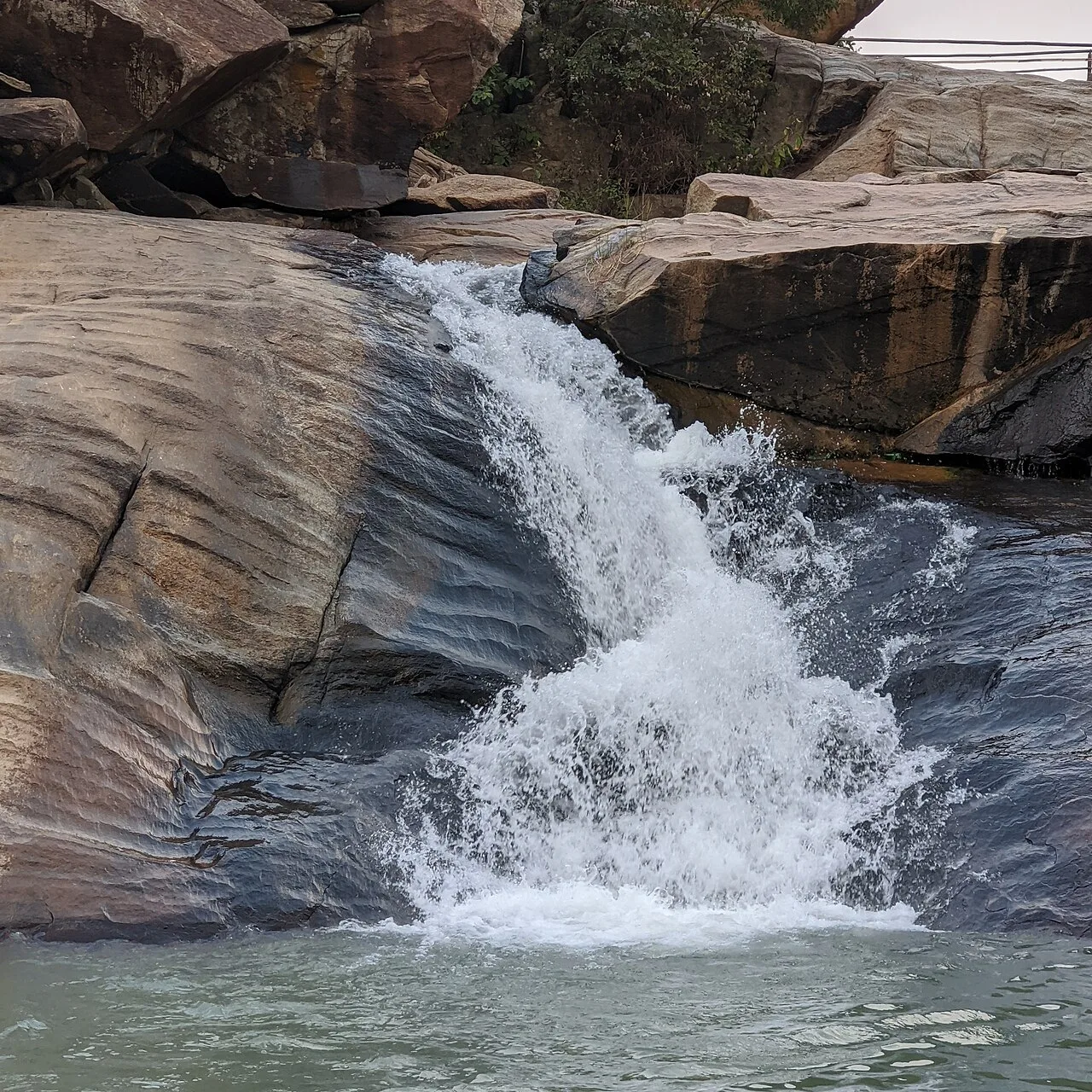
Panchghagh Falls

71 km away · Ranchi district

Panchghagh Falls

Panchghagh Falls is a waterfall in Jharkhand, associated with both Khunti and Ranchi districts. Visitors come to see the falls.

Map

Chaibasa on the map

  1. 1Jubilee Park
  2. 2Tata Steel Zoological Park
  3. 3Chandil Dam
  4. 4Dalma Wildlife Sanctuary
  5. 5Ulihatu
  6. 6Dimna Lake
  7. 7Hirni Falls
  8. 8Panchghagh Falls

Jharkhand

Other cities to explore