Ghumoopedia — Explore, Discover, Experience
Sign in
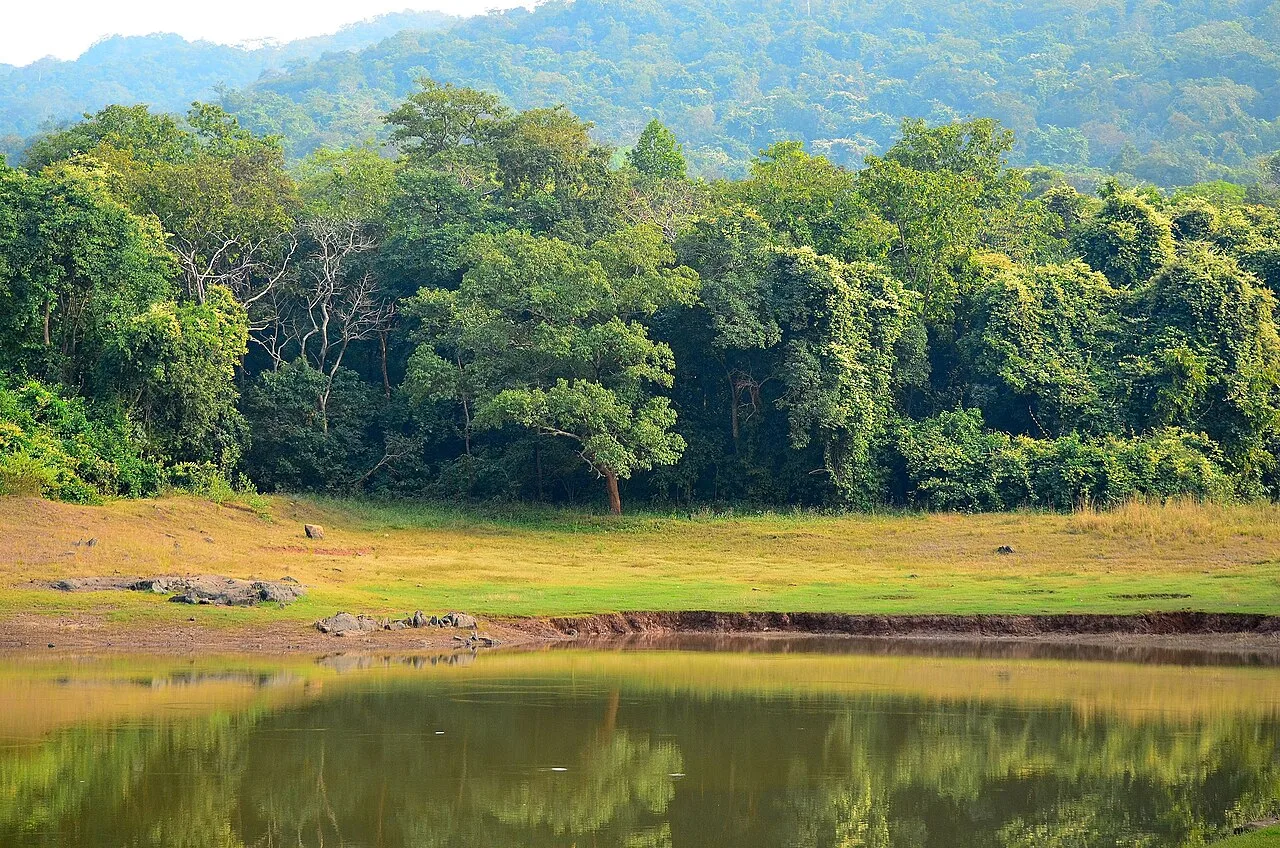
Dalma Wildlife Sanctuary, near Jamshedpur

City guide · Jharkhand

Jamshedpur

Jamshedpur is Jharkhand’s principal industrial centre, known across India for the steelworks that shaped its growth and for its close association with the Tata group. Built around Sakchi as a planned company town, it combines major factories and business districts with broad roads, gardens and neighbourhoods developed for a large, diverse workforce.

Famous for

  • Tata Steel and steelmaking
  • Planned industrial city
  • Jubilee Park
  • Tatanagar railway hub
  • Dalma Hills and sanctuary
In the city
4
Nearby
1
Districts
East Singhbhum, Seraikela Kharsawan

Why Jamshedpur matters

Jamshedpur is Jharkhand’s principal industrial centre, known across India for the steelworks that shaped its growth and for its close association with the Tata group. Built around Sakchi as a planned company town, it combines major factories and business districts with broad roads, gardens and neighbourhoods developed for a large, diverse workforce. The city stands near the meeting of the Subarnarekha and Kharkai rivers, with the Dalma Hills forming a green backdrop to the urban landscape.

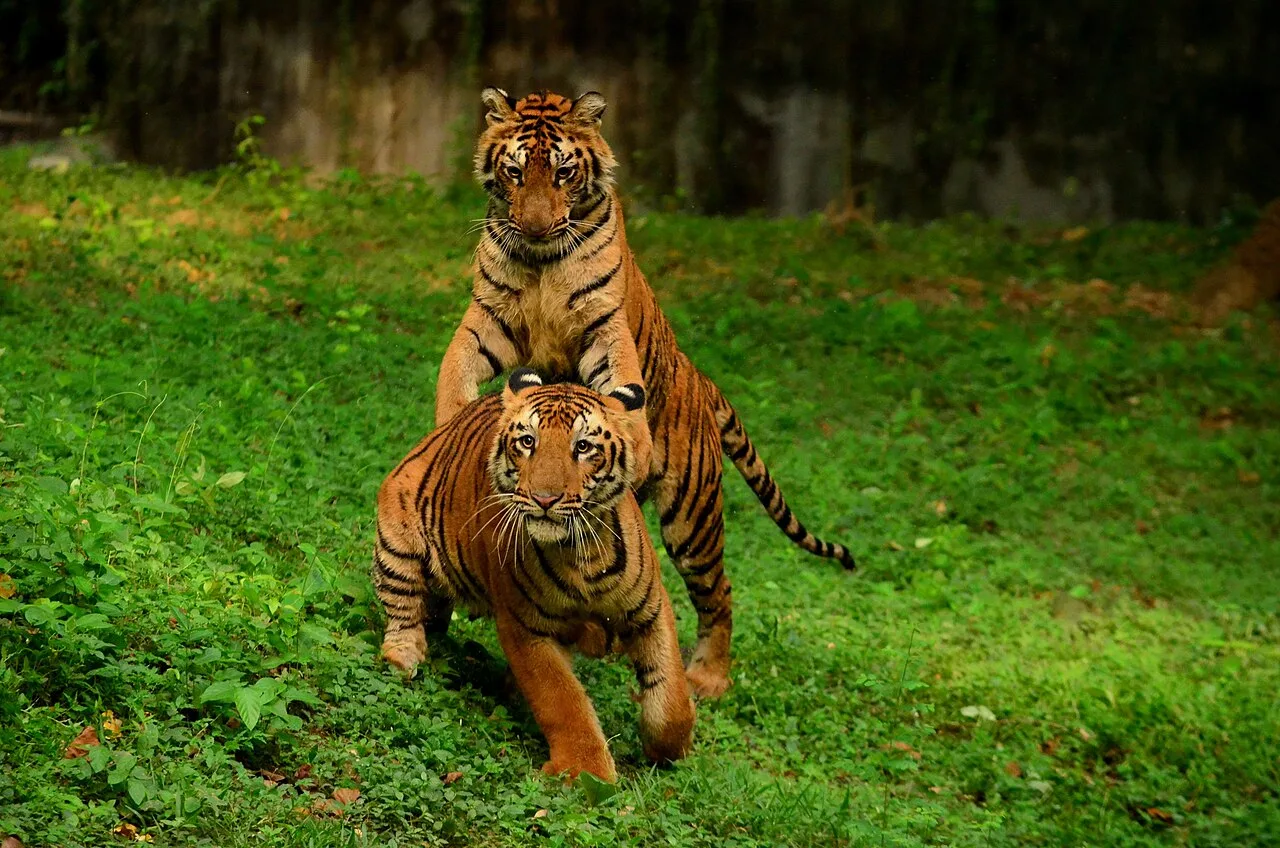
Visitors come for landmarks such as Jubilee Park, the Tata Steel Zoological Park and views towards Dalma, as well as for the city’s industrial heritage. The wider urban area extends into Mango and nearby localities, including Bhetia, bringing busy markets and residential districts into the city’s orbit. Jamshedpur is also a practical base for exploring eastern Jharkhand. Its mix of industry, planned public spaces, regional food and tribal cultural influences gives it a character distinct from the state’s smaller towns.
Famous for: crafts, trade & products

Jamshedpur is best known for steel and engineering rather than for a signature textile or handicraft tradition. Tata Steel remains central to the city’s identity, while Tata Motors and other engineering and manufacturing businesses contribute to its industrial economy. The city also has a long association with technical education and management, notably through institutions such as the National Institute of Technology Jamshedpur and XLRI. These industries and institutions are part of what visitors encounter in a city built around organised production and company-led development.

For everyday shopping, Sakchi and Bistupur are established commercial areas, with street-side shops, markets, showrooms and larger retail outlets. Mango has its own busy market streets and serves residents across the Subarnarekha. These are useful places to look for local snacks, household goods, clothing and regional provisions, though the range is largely that of a modern urban market rather than a specialised craft bazaar. Handloom and tribal craft items from Jharkhand may appear in shops or exhibitions, but availability varies; they are not a single, defining Jamshedpur-made product. Visitors interested in local industry can learn more through public-facing displays and events associated with the city’s major institutions.

History

Jamshedpur grew from Sakchi, a village selected in the early twentieth century for a steel plant planned by Jamshedji Tata. The location offered access to minerals, water and rail links. Construction of the plant and town began in 1908, and the first steel was produced in 1912. Dorabji Tata oversaw the project, while the town’s early layout included roads, gardens and spaces for public use alongside workers’ housing. In 1919, colonial administrator Lord Chelmsford named the city Jamshedpur in honour of its founder. Tatanagar remains the name associated with its principal railway station.

The steelworks supplied material for wartime needs, and engineering industries expanded around it. Tata Engineering and Locomotive Company, later known as Tata Motors, added to the city’s manufacturing base. After Indian independence, Jamshedpur remained part of Bihar until Jharkhand became a separate state in 2000. Industrial growth, labour movements and the expansion of surrounding districts have continued to shape the city and its civic life.

Food, festivals & culture

Jamshedpur’s everyday culture reflects communities from across Jharkhand and neighbouring states. Hindi is widely used, alongside Bengali, Urdu, Santali, Ho and other languages. Local meals and snacks draw on Jharkhandi and broader eastern Indian cooking: dhuska, pittha and litti chokha are familiar choices, while rugra, a seasonal forest mushroom, may appear when available. Sweets and snacks vary by community and season; thekua is closely associated with Chhath observances.

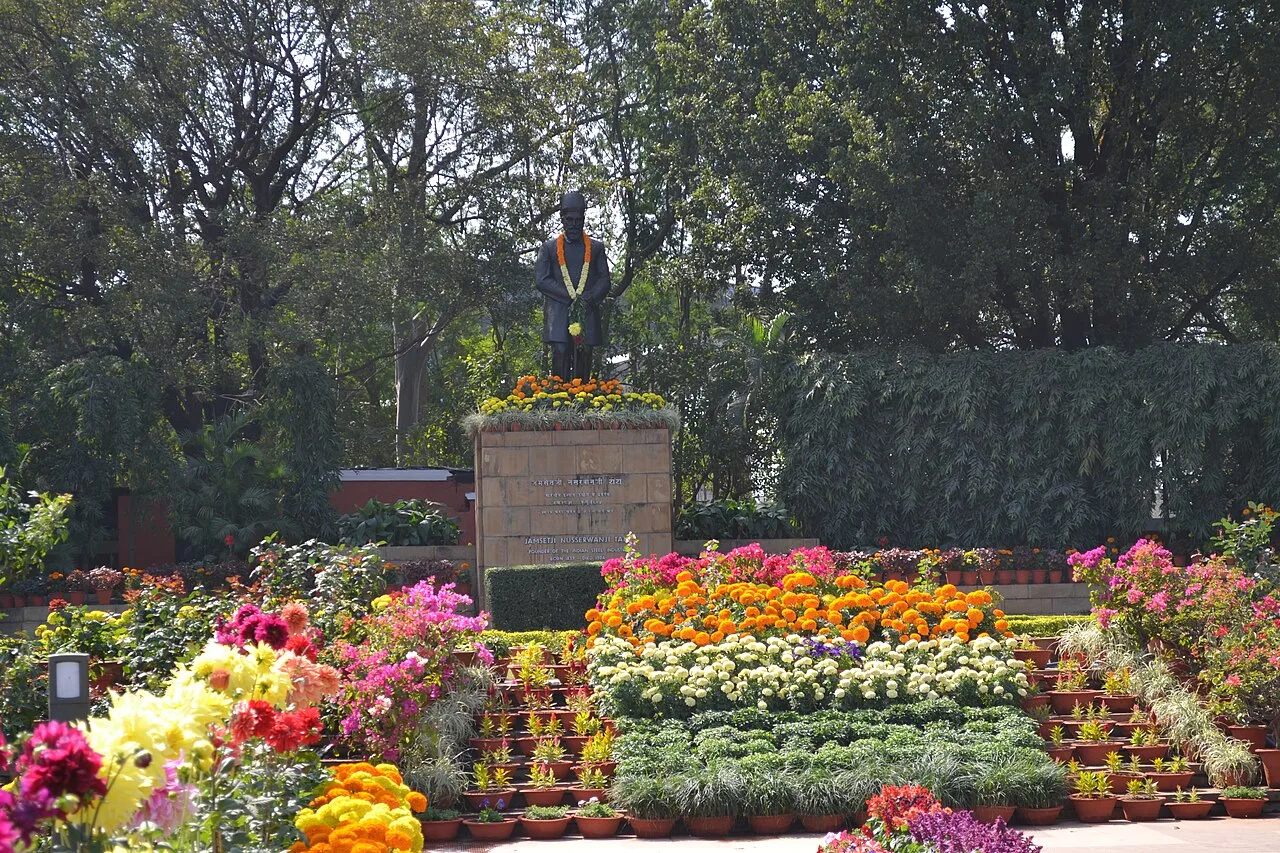
The calendar includes Sarhul in spring, celebrating nature and renewal, and Karam during the monsoon season, with songs and dances linked to tribal traditions. Durga Puja brings decorated community pandals in autumn, while Chhath is observed near rivers and other water bodies. Tusu festivities and harvest gatherings mark the winter season in the wider region. Founder's Day, celebrated in early March, is a distinctive civic occasion, when Jubilee Park is known for its decorations. Hindu temples, mosques, churches and gurdwaras serve the city’s varied communities. Folk performances, including Santhal and Ho dance traditions and regional Chhau, can be seen at festivals and cultural events.

Visiting the city

October to March is generally the most comfortable time to visit, with milder weather than the hot months before the monsoon. Sonari Airport is within the city, but visitors seeking wider scheduled flight connections may find Birsa Munda Airport in Ranchi more practical. The main rail gateway is Tatanagar Junction, with connections to major cities. Auto-rickshaws, taxis and app-based cabs are useful for getting around; distances between districts can be considerable.

Bistupur is convenient for shops, restaurants and hotels, while Sakchi offers a lively market district. Jubilee Park and the zoo make a good outing, and Telco is associated with the city’s industrial landscape and Bhuvaneshwari Temple. Across the river, Mango has busy local markets; Bhetia and other surrounding neighbourhoods offer a more residential view of the wider urban area. Check local conditions before planning excursions towards Dalma.

Attractions

Places to visit in Jamshedpur

Sights within about 12 km of each other, even when they fall in different districts.

Short trips

Around Jamshedpur

Within about 40 km — easy half-day or day trips from the city.

Map

Jamshedpur on the map

  1. 1Dalma Wildlife Sanctuary
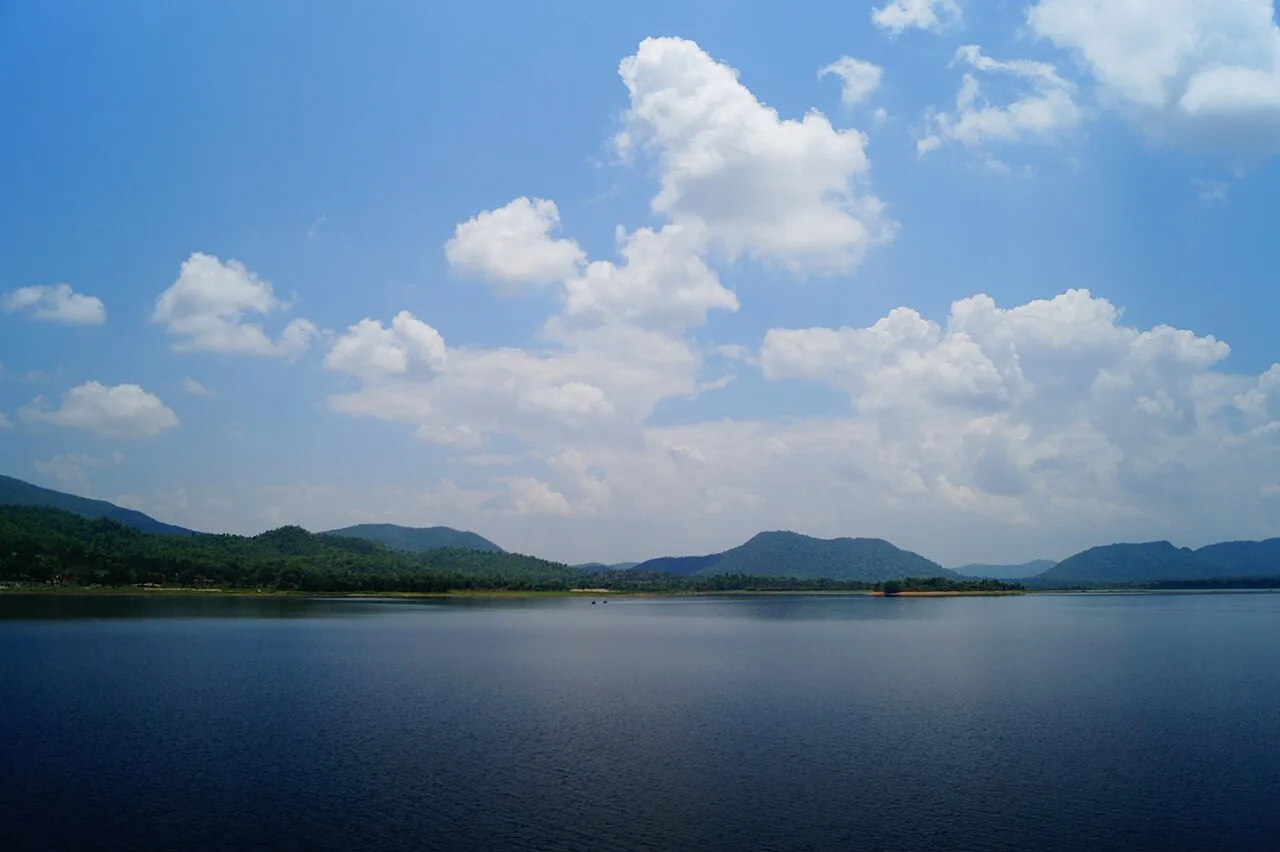
  2. 2Dimna Lake
  3. 3Jubilee Park
  4. 4Tata Steel Zoological Park
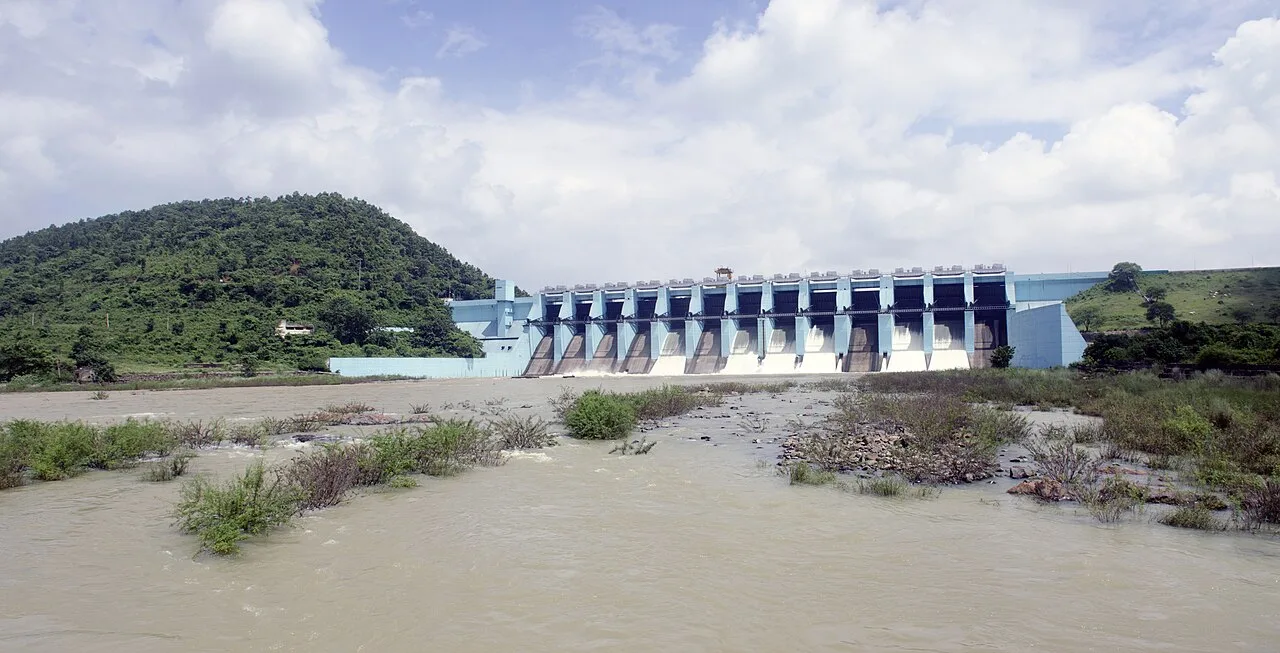
  5. 5Chandil Dam

Jharkhand

Other cities to explore