
Ghumoopedia — Explore, Discover, Experience
Sign in
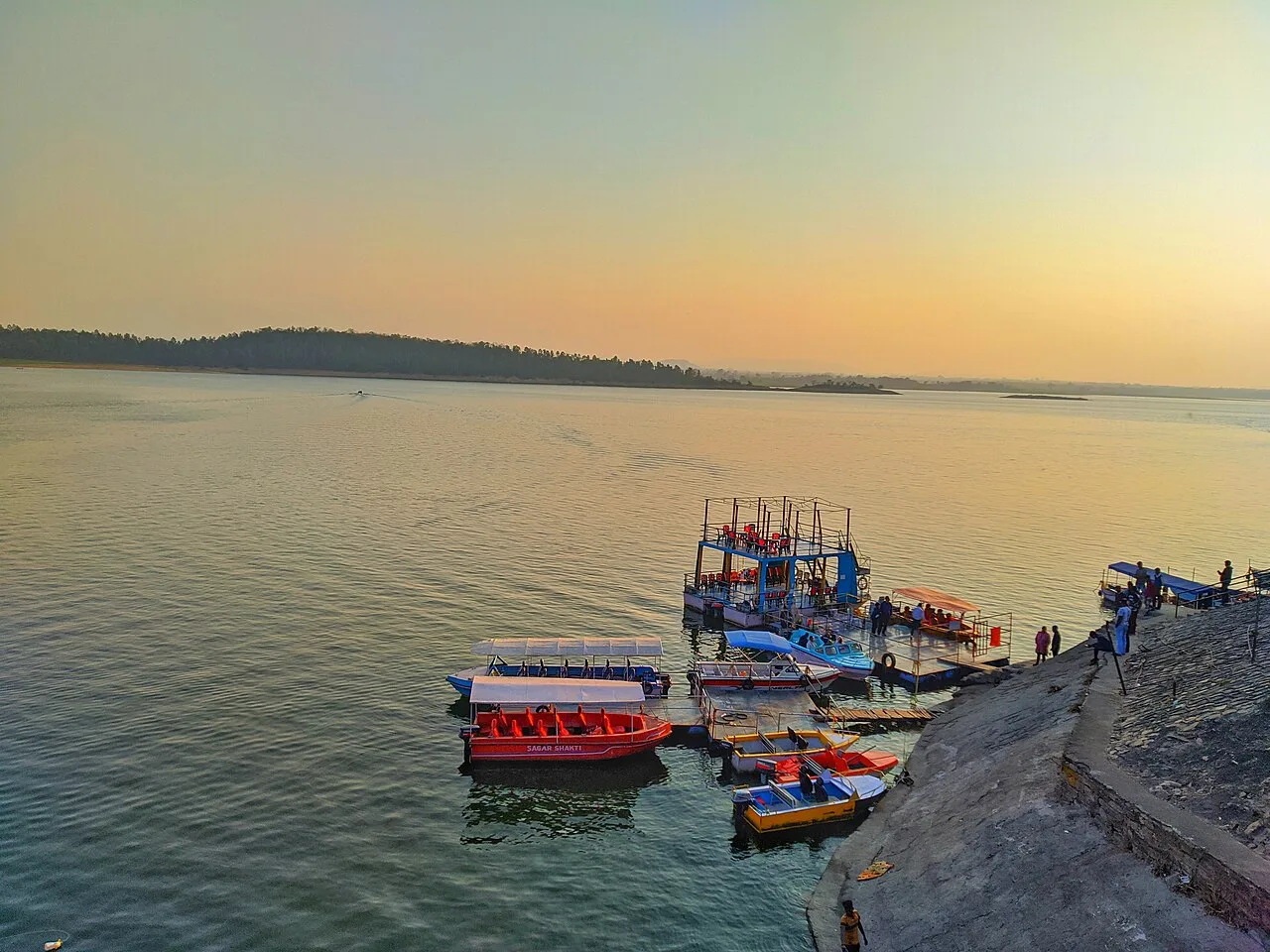
Tilaiya Dam, near Barhi

City guide · Jharkhand

Barhi

Barhi is a small but significant road town in Hazaribagh district, serving as the headquarters of both Barhi subdivision and Barhi community development block. Its location at the meeting of NH 19, the historic Grand Trunk Road, and NH 20 makes it an important junction for journeys between Ranchi, Patna, Gaya and Dhanbad.

Famous for

  • Grand Trunk Road junction
  • Durga Puja tradition
  • Tilaiya Dam access
  • Hazaribagh wildlife access
  • Katriar family heritage
In the city
1
Nearby
1
Districts
Koderma, Chatra

Why Barhi matters

Barhi is a small but significant road town in Hazaribagh district, serving as the headquarters of both Barhi subdivision and Barhi community development block. Its location at the meeting of NH 19, the historic Grand Trunk Road, and NH 20 makes it an important junction for journeys between Ranchi, Patna, Gaya and Dhanbad. Buses on several of these regional routes pass through town, giving Barhi a steady flow of travellers and a practical role in local trade and transport.

For visitors, Barhi is also a useful base for exploring nearby landscapes and attractions. Tilaiya Dam, built by the Damodar Valley Corporation, and Hazaribagh Wildlife Sanctuary are within reach, while the surrounding countryside offers a quieter contrast to the highway. The town’s identity includes a local Durga Puja tradition associated with the Katriar family, as well as traces of its colonial-era past along the Grand Trunk Road. Barhi is best understood as a regional crossroads and access point rather than a destination centred on a large collection of monuments or specialist shopping.
Famous for: crafts, trade & products

Barhi is not widely identified with a particular textile, handicraft, GI-tagged product or large-scale manufacturing industry. Its best-known economic role is as a highway junction: traffic on NH 19 and NH 20 supports everyday commerce and makes the town a convenient stop for travellers. Shops and small businesses around the town centre and main roads serve residents and people passing through, with ordinary household goods, provisions and travel essentials rather than a specialised shopping district.

Visitors looking for local items can browse these central shops and ask about seasonal produce or locally made goods, but should not expect a formal craft market or a signature product outlet. Food stalls and eateries near busy roads offer practical places to pause during a journey. Barhi’s stronger points of interest are its regional connections and nearby excursions: Tilaiya Dam and Hazaribagh Wildlife Sanctuary are more distinctive draws than shopping. The Katriar family’s historical association with Barhi’s Durga Puja is also part of the town’s local heritage, though it is a cultural tradition rather than a commercial product.

History

Barhi’s history reflects its position on the Grand Trunk Road, a major route connecting towns across northern India. It was once a subdivisional town, a status it held until 1872. A small cemetery beside the old road preserves a colonial-era trace: the grave of Colonel Knyvett, a commander associated with the Grand Trunk Road, who died in 1857.

Basudev Katriar is remembered as Barhi’s first chief. The Katriar family later held zamindari interests in Barhi and served as Diwans of Ramgarh Raj. The family began the town’s Durga Puja tradition in 1906. Among its notable members was Radha Govind Prasad, who served in Bihar’s Legislative Council, held the state’s deputy finance portfolio from 1957 to 1961, and became chairman of the Legislative Council in 1962.

In modern times, Barhi’s importance has grown through its administrative role and its position at the junction of two national highways. Improved regional transport links have reinforced its place as a service and transit centre.

Food, festivals & culture

Barhi’s everyday culture reflects the wider Hazaribagh region, where Hindi and local varieties such as Khortha are commonly heard; Urdu is also used by some residents. Meals are generally centred on rice, lentils, vegetables and seasonal ingredients. Travellers may find familiar Jharkhand and eastern Indian foods such as dhuska, litti-chokha or rice-based dishes at local eateries, though Barhi is not especially known for a signature food or sweet.

Durga Puja is an important annual celebration, with the town’s tradition linked to the Katriar family and dating to 1906. Chhath, observed after the monsoon and again in autumn, is widely celebrated in the region; Diwali and Holi bring further seasonal gatherings. Sarhul, a spring festival associated especially with Adivasi communities, is part of Jharkhand’s broader cultural calendar. Music and dance at celebrations draw on regional and community traditions rather than a single style unique to Barhi. The town’s places of worship include local Hindu temples and Muslim mosques, serving neighbourhood religious life.

Visiting the city

The cooler months, roughly October to March, are generally the most comfortable time to visit; summer can be hot, while monsoon rain may affect road journeys. Gaya Airport is a nearby air option, with Birsa Munda Airport in Ranchi another possibility. Barhi Railway Station serves the town on the Koderma–Hazaribagh rail corridor; Koderma Junction is an additional rail connection.

Within Barhi, local auto-rickshaws and other road transport can help with short trips, while taxis or private vehicles are useful for excursions to Tilaiya Dam and Hazaribagh Wildlife Sanctuary. Explore the town centre and the busy NH 19/NH 20 junction for everyday shops and eateries. The Grand Trunk Road cemetery offers a modest historical stop. Check local conditions before setting out for nearby outdoor attractions.

Attractions

Places to visit in Barhi

Sights within about 12 km of each other, even when they fall in different districts.

Short trips

Around Barhi

Within about 40 km — easy half-day or day trips from the city.

Map

Barhi on the map

  1. 1Tilaiya Dam
  2. 2Itkhori

Jharkhand

Other cities to explore