Ghumoopedia — Explore, Discover, Experience
Sign in
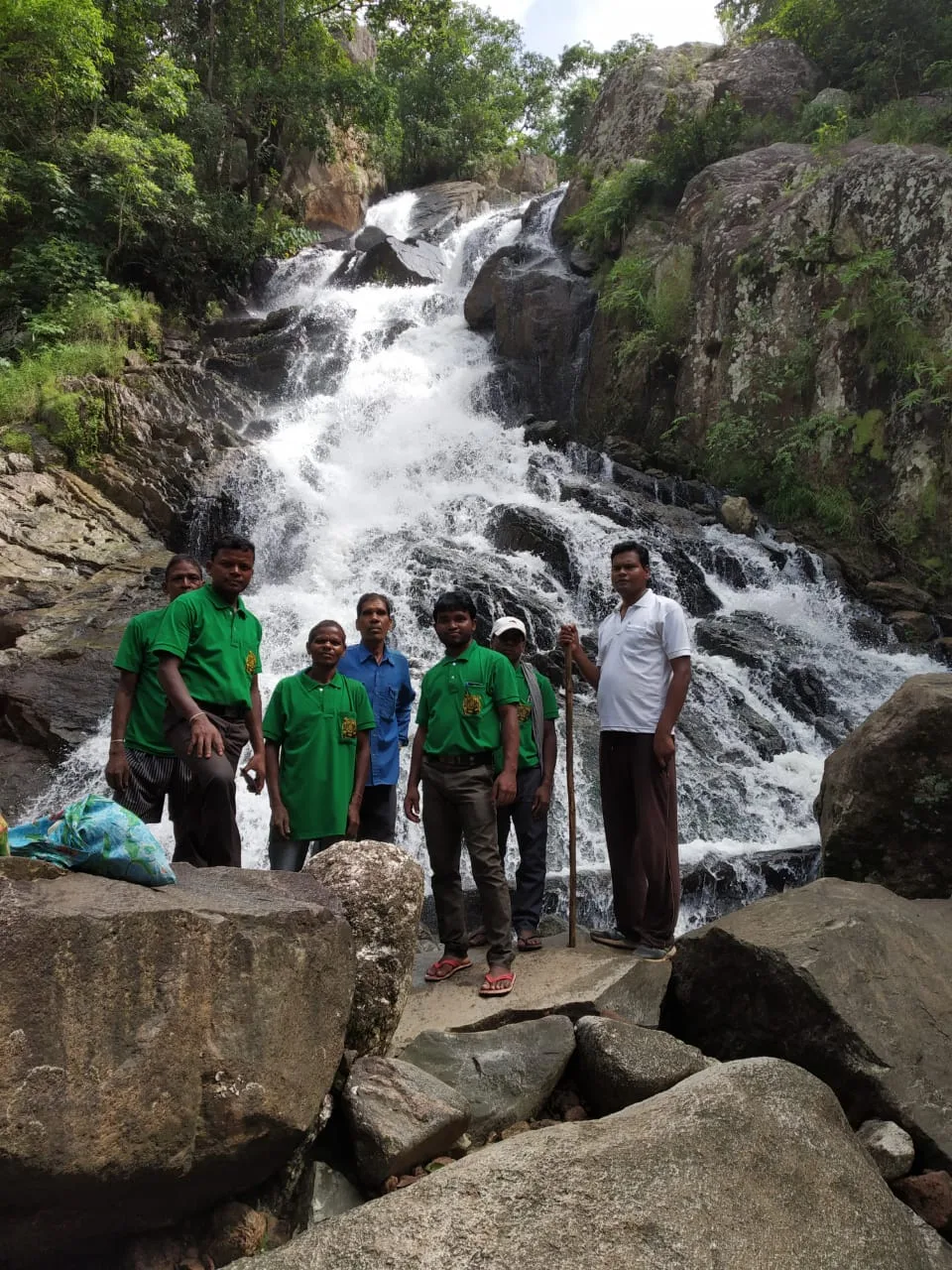
Lower Ghaghri Falls, near Chandwa

City guide · Jharkhand

Chandwa

Chandwa is a community development block in Latehar district, Jharkhand, whose importance comes chiefly from its position on regional road and rail routes. The town lies at the meeting point of the Ranchi–Daltonganj highway corridor and the route towards Chatra and Dobhi.

Famous for

  • Tori Junction
  • NH39–NH22 road junction
  • Agriculture and local trade
  • Mineral-linked energy projects
  • Nagpuriya cultural influence

Why Chandwa matters

Chandwa is a community development block in Latehar district, Jharkhand, whose importance comes chiefly from its position on regional road and rail routes. The town lies at the meeting point of the Ranchi–Daltonganj highway corridor and the route towards Chatra and Dobhi. Nearby Tori Junction connects the area to a wider railway network and serves travellers from surrounding towns and villages. Together, these links make Chandwa a practical transport and service centre in western Jharkhand.

Chandwa is not a conventional sightseeing destination, but it offers a glimpse of everyday life in a rural block where road traffic, railway connections and village commerce intersect. Visitors may use it as a base or stop while travelling between Ranchi, Latehar, Daltonganj, Lohardaga and Chatra. Its identity is shaped more by its regional connections and working landscape than by a large collection of established tourist attractions.
Famous for: crafts, trade & products

Chandwa is better known for transport, agriculture and local commerce than for a particular textile, handicraft or GI-tagged product. Farming remains an important part of the surrounding area’s economy, while shops and small businesses in town serve residents and travellers. Visitors looking for everyday goods can browse local shops and market areas in Chandwa town; there is no widely established specialist craft bazaar or signature shopping district to seek out.

The block’s location in mineral-rich Jharkhand has also attracted interest in large energy projects. Power plants have been proposed or developed in the wider area, including near Chakla, but project plans and operating status can change, so they should not be treated as visitor attractions or assumed to be open to the public. Chandwa’s most visible regional asset is its connectivity: NH39 and NH22 meet in the area, while Tori Junction handles rail traffic. These links support the movement of people and goods and reinforce Chandwa’s role as a service centre for nearby settlements. Local produce and household provisions are best sought through ordinary town shops rather than a specialised visitor market.

History

Chandwa’s history is closely tied to the settlement pattern of the Latehar region, where villages, farming and forested uplands shaped daily life. Detailed accounts of local rulers or a distinct princely centre in Chandwa are not widely established, so its past is best understood through the wider history of the Chotanagpur plateau rather than through a single royal narrative. The area later formed part of the administrative landscape of Jharkhand’s western districts.

Transport has been central to Chandwa’s growth. Roads connecting Ranchi with Daltonganj and routes towards Chatra made the town an important junction for surrounding communities. Tori Junction, including its connection to the Lohardaga rail route, extended those links beyond the immediate region. In recent decades Chandwa has developed as a block-level centre for local services, education and trade. Its modern story is therefore one of connectivity and changing economic ambitions.

Food, festivals & culture

Everyday food in Chandwa reflects the wider food traditions of Jharkhand: rice is a staple, often served with dal, seasonal vegetables, leafy greens or locally prepared chutneys. Dhuska and pittha are familiar regional foods, though availability varies between homes, small eateries and festival occasions. There is no single sweet or dish uniquely associated with Chandwa. Hindi is the main language used for communication, alongside local speech influenced by Nagpuriya and Palamau varieties.

The cultural calendar follows both Hindu festivals and regional seasonal traditions. Sarhul and Karma are important across Jharkhand, especially around the spring and monsoon seasons; Sohrai is associated with the post-harvest period. Chhath, Holi and Diwali are also observed. Folk songs and community dance forms from the wider plateau region are part of local celebrations, though customs differ between communities and villages. Residents worship at local temples and other neighbourhood places of worship; visitors should ask locally about appropriate conduct during services or festivals.

Visiting the city

The cooler, drier months from October to February are generally the most comfortable for a visit. Birsa Munda Airport in Ranchi is the nearest major airport, while Tori Junction is the principal railway station serving Chandwa and the surrounding area. Road connections include NH39 towards Ranchi and Daltonganj and NH22 towards Chatra and Dobhi. Privately operated buses and other road vehicles link Chandwa with nearby towns; local transport can be arranged in town for shorter trips.

Begin in Chandwa’s town centre to see its shops and everyday commercial life, then explore the road-junction area and the surroundings of Tori Junction. Kamta and nearby villages offer a sense of the block’s rural setting, but facilities and visitor services are limited outside town. Chandwa is most convenient as a brief stop or practical base rather than a destination with a developed sightseeing circuit.

Trips from the city

Nearest places to visit from Chandwa

Our closest destination guides, by straight-line distance.

Lower Ghaghri Falls

53 km away · Latehar district

Lower Ghaghri Falls

Lower Ghaghri Falls is a 320-foot cascade in Latehar district, Jharkhand, about 10 kilometres from Netarhat. Visitors come to see the waterfall and its forest surroundings.

Netarhat

53 km away · Latehar district

Netarhat

Netarhat, in Jharkhand’s Latehar district, is a hill station on the Chotanagpur plateau. Visitors come to experience its hills, forest and waterfalls.

Patratu

55 km away · Ranchi district

Patratu

Patratu is a census town in Jharkhand, linked administratively to Patratu block and Ramgarh subdivision. The details provided do not identify a specific visitor attraction.

Palamu fort

57 km away · Palamu district

Palamu fort

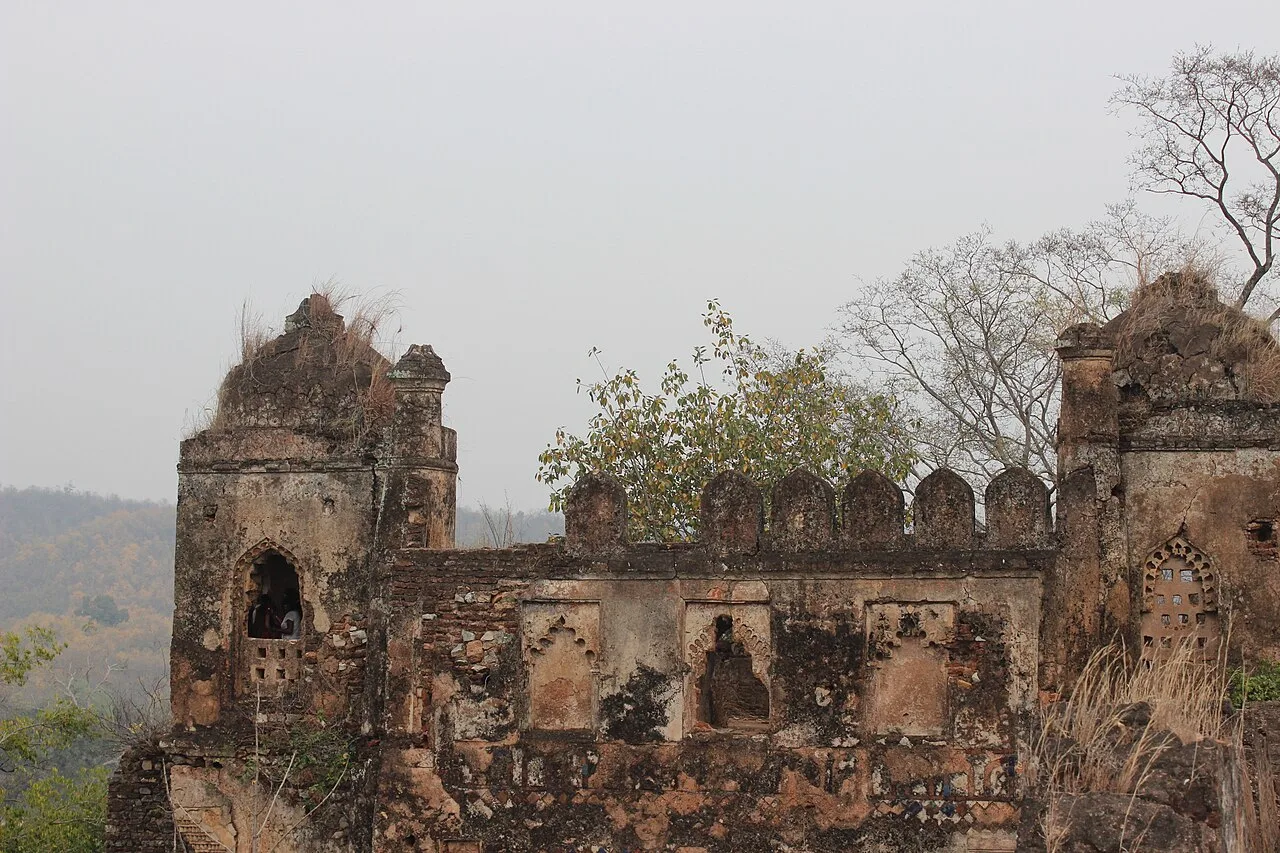
Palamu Fort is a pair of ruined strongholds in Jharkhand, associated with the Chero dynasty. Visitors come to see their remains near Betla National Park and the Auranga River.

Betla National Park

60 km away · Palamu district

Betla National Park

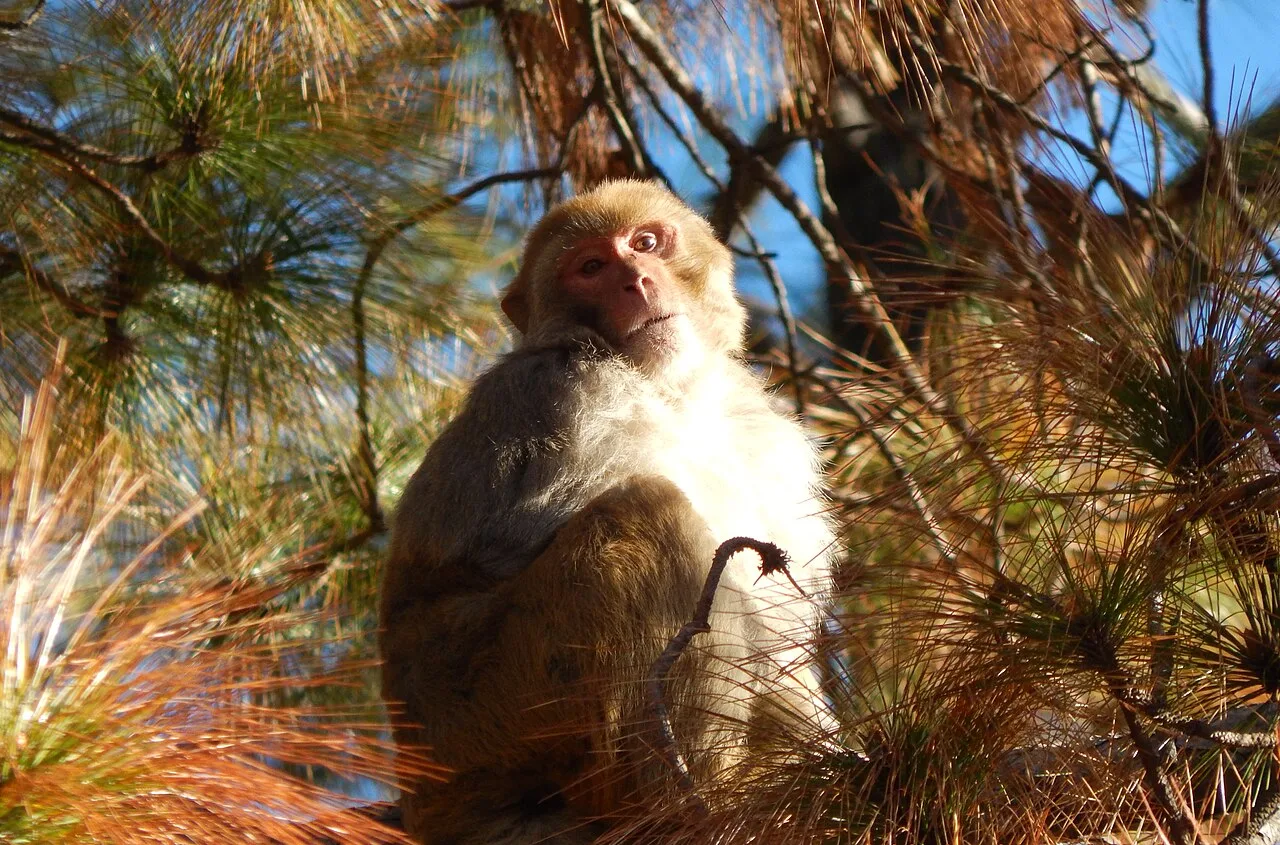
Betla National Park is in Jharkhand’s Palamu and Latehar districts. Visitors come for its varied wildlife and to experience the state’s only national park.

Pahari Mandir

67 km away · Ranchi district

Pahari Mandir

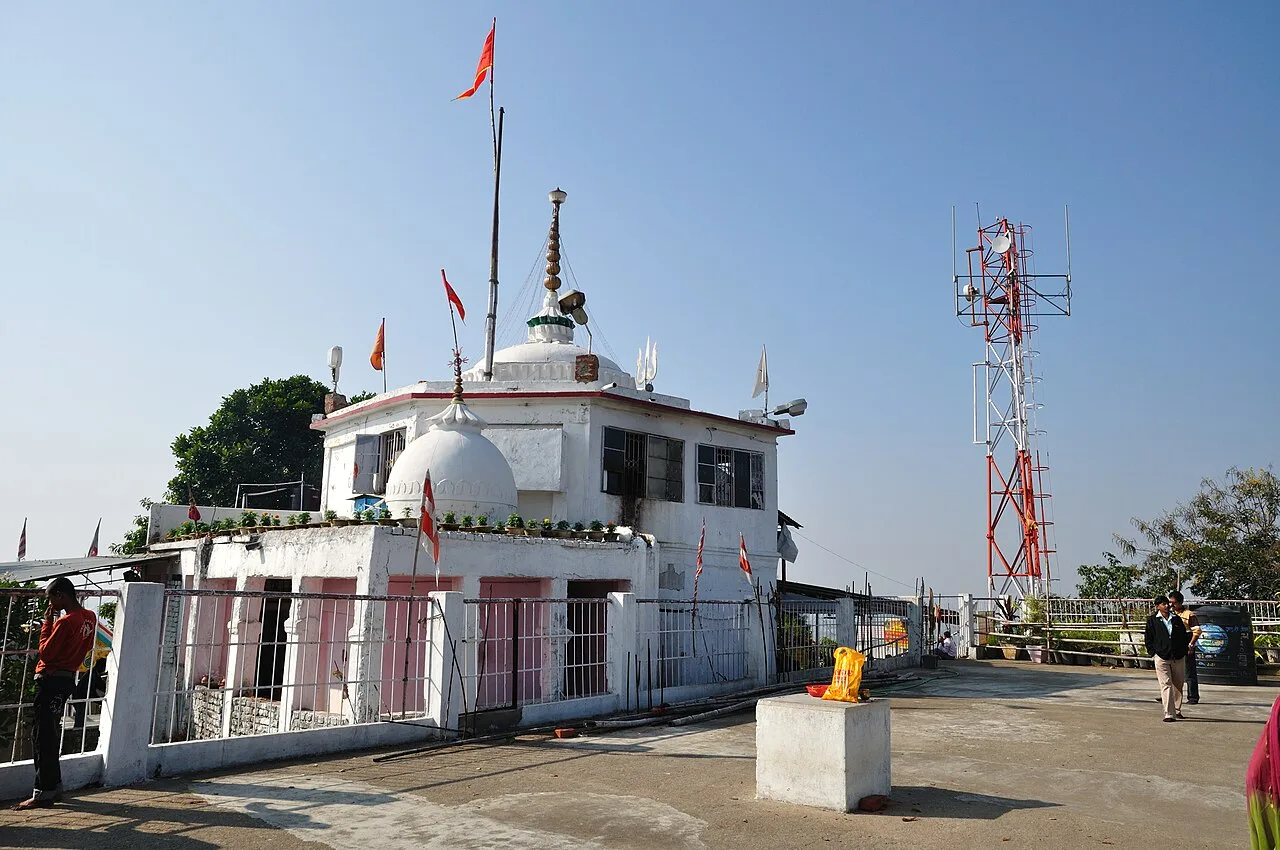
Pahari Mandir is a Shiva shrine on a hill in Ranchi, known for worship during Sawan and Shivaratri, its colonial-era history and flag-raising ceremonies.

Jagannath Temple

68 km away · Ranchi district

Jagannath Temple

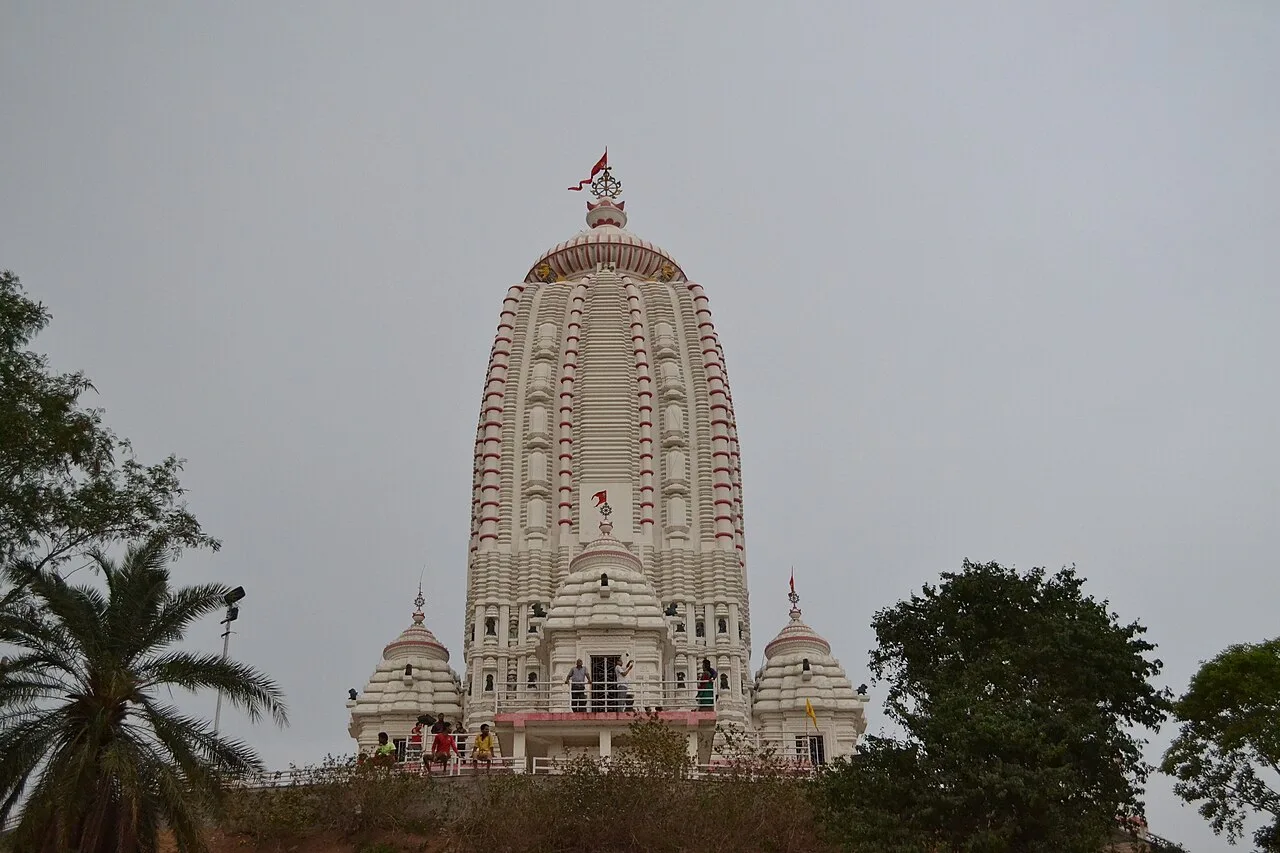
Dedicated to Jagannath, this Hindu shrine in Ranchi, Jharkhand, draws worshippers for its hilltop setting and the annual Rath Yatra and fair held during Aashaadha.

68 km away · Gumla district

Sadni Falls

Sadni Falls, also called Sadnighagh Falls, is a waterfall in Jharkhand’s Gumla district, about three kilometres from Rajadera village. Visitors go there to see the falls.

Map

Chandwa on the map

  1. 1Lower Ghaghri Falls
  2. 2Netarhat
  3. 3Patratu
  4. 4Palamu fort
  5. 5Betla National Park
  6. 6Pahari Mandir
  7. 7Jagannath Temple
  8. 8Sadni Falls

Jharkhand

Other cities to explore