
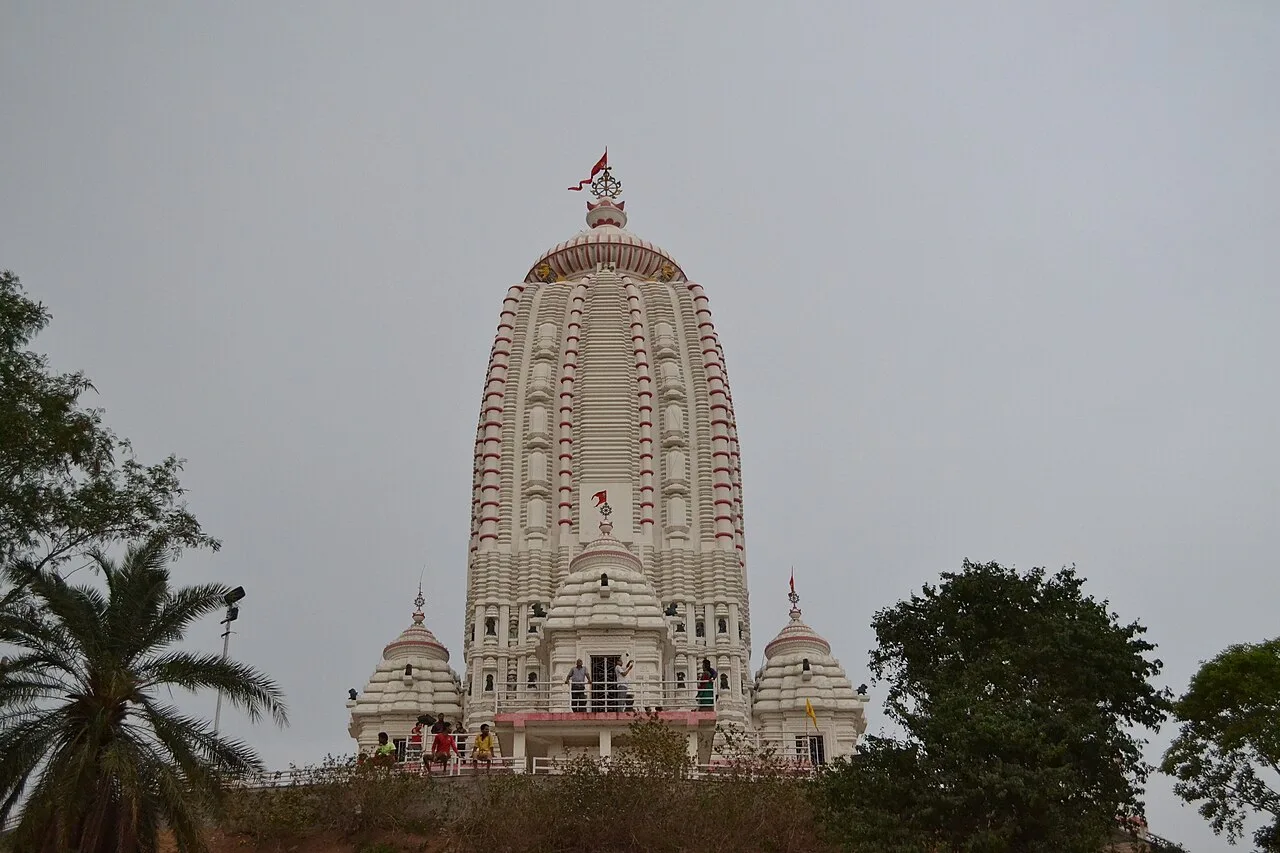
Jagannath Temple
Dedicated to Jagannath, this Hindu shrine in Ranchi, Jharkhand, draws worshippers for its hilltop setting and the annual Rath Yatra and fair held during Aashaadha.
Key facts · verified by Ghumoopedia editors
- Type of place
- Temple / pilgrimage site
- Best time to visit
- October to February for sightseeing; July to September for waterfalls at full flow (expect slippery paths)
- Nearest railway station
- Hatia · about 5 km (straight line)
- Verified
- 21 Nov 2026
Plan a trip from Jagannath Temple — a day-by-day route through places nearby.
Located in Ranchi district, Jharkhand, this Hindu place of worship honours Jagannath. Its first construction dates to 1691; after it collapsed during the 1990s, it was rebuilt. On a hillock, the shrine lies about 10 kilometres from Ranchi’s main town. Visitors can reach it by climbing a staircase or taking a motorable route. The building follows Kalinga architecture and resembles Puri’s Jagannath shrine, though on a smaller scale. In Aashaadha, an annual Rath Yatra and fair take place here, comparable to the car festival in Puri. Thousands of tribal and non-tribal devotees come from Ranchi and nearby areas to attend. Jharkhand is the land of forests, waterfalls and Adivasi communities such as the Santhal, Ho and Munda, with major pilgrimages at Baidyanath Dham (Deoghar) and Shikharji (Parasnath). Jharkhand has hot summers from March to June, a monsoon from June to September when the waterfalls are at their fullest, and cool winters from November to February; the Netarhat plateau stays pleasant for much of the year. The usual best time to visit is October to February for sightseeing; July to September for waterfalls at full flow (expect slippery paths). Timings, fees and access arrangements must be confirmed locally. For official information, see Jharkhand Tourism at https://www.jharkhandtourism.gov.in.
Why it matters
Jagannath Temple is a place of Hindu worship in Ranchi, dedicated to Jagannath and important to devotees from the city and surrounding parts of Jharkhand. Its annual Rath Yatra brings together tribal and non-tribal worshippers, connecting a Ranchi pilgrimage tradition with the better-known chariot festival at Puri. The temple also offers visitors a view of religious life in the region beyond its larger pilgrimage centres, Baidyanath Dham and Shikharji. Published accounts describe it as a local temple of regional significance; it does not establish UNESCO World Heritage or Archaeological Survey of India protected status. Visitors should check with the temple management for any current preservation or visitor notices.
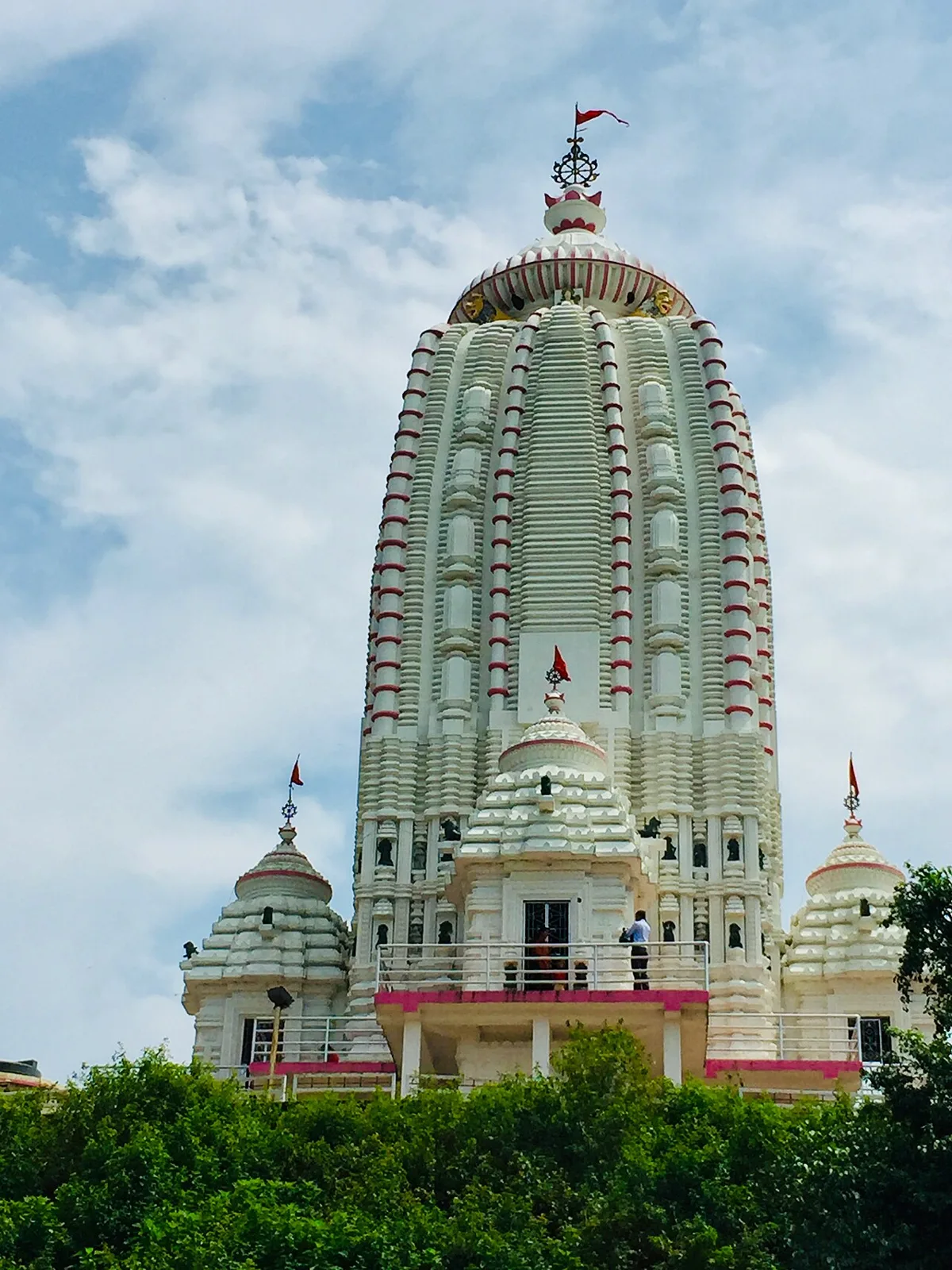
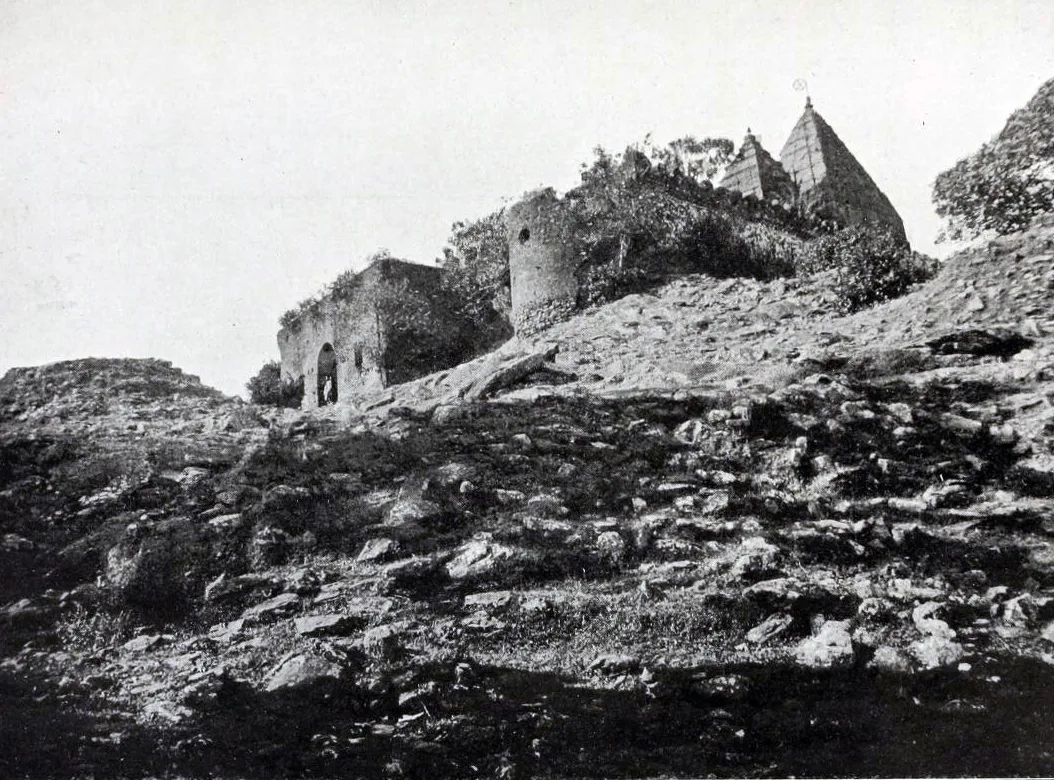
The temple’s original construction is dated to 1691. Accounts commonly attribute its building to Thakur Ani Nath Shahdeo, associated with the Barkagarh estate, although visitors seeking detailed archival history should consult local historical sources. Dedicated to Jagannath, the temple was modelled on the religious and architectural tradition associated with Puri in Odisha, on a smaller scale. It became a pilgrimage destination for Ranchi and nearby communities, with its annual Rath Yatra forming a prominent part of its public life. The structure collapsed in the 1990s and was subsequently rebuilt, allowing worship and festival activity to continue. The hilltop location remains a defining part of the visit: people reach the temple by a staircase or by a motorable approach. The temple’s history is therefore one of both continuity in worship and rebuilding after structural loss. Details such as the precise stages of reconstruction, the surviving original fabric and the present conservation arrangements should be confirmed with the temple authorities or reliable local records.
Origin stories & folklore
There is no well-established, independently documented founding legend specific to the Ranchi temple. Its devotional story is connected to the wider Jagannath tradition, especially that of Puri. In a widely told tradition associated with Puri, King Indradyumna seeks to establish the worship of Jagannath, and the deity’s distinctive form is linked with a sacred wooden log and divine craftsmanship. This is a religious legend, not a verified account of the Ranchi temple’s construction. Local worshippers may also understand the Ranchi shrine through personal family traditions, vows and experiences of pilgrimage. Visitors can ask respectfully about these beliefs without treating them as historical proof.
Architecture & design
The temple is described as being built in the Kalinga architectural style and as resembling the Jagannath Temple of Puri, though on a smaller scale. It stands on a hillock outside Ranchi’s main urban area. A flight of steps provides the traditional uphill approach, while a motorable route offers another way to reach the temple precinct. The shrine’s towered silhouette and temple form are characteristic of the regional style, but detailed measurements, construction materials and the history of individual structural elements are not established. The temple has been rebuilt after collapsing in the 1990s, so its present fabric should not be assumed to be wholly from the original 17th-century structure. Visitors can observe the overall profile and exterior ornamentation from public areas, while access to inner spaces depends on current temple rules and worship activity.
Important objects & sculptures
The central focus is the worship of Jagannath. In the wider Jagannath tradition, the deity is commonly worshipped alongside Balabhadra and Subhadra; visitors should follow the temple’s own identification and access guidance for the images present here. Look for the shrine’s exterior detailing and the ceremonial chariot during the Rath Yatra, when it is part of the festival procession. Do not approach, touch or photograph sacred objects unless caretakers explicitly permit it. The temple has been rebuilt, so visitors should not assume that visible features or objects date from its original construction.
Religious significance
Jagannath Temple is a Hindu shrine dedicated to Jagannath, a deity worshipped within traditions associated with Vishnu and Krishna. For devotees, visiting can be an act of prayer, pilgrimage, thanksgiving or participation in family religious practice. Daily worship and rituals take place, though their order and public accessibility may vary. The annual Rath Yatra is especially significant, bringing the deity into a public festival procession and drawing worshippers from Ranchi and neighbouring areas. Visitors who are not participating in worship are welcome to observe only where permitted. Keep a respectful distance, avoid interrupting prayers and ask temple caretakers before entering restricted areas or making requests concerning ritual objects.
Visit Jagannath Temple with time to observe daily prayers and rituals respectfully. Follow the posted rules on footwear, photography, head covering and dress, and avoid interrupting worshippers. Ask caretakers which areas are open to visitors, and beware of unofficial 'guides' asking for donations. A comfortable itinerary is one main visit in the morning, a local meal at midday and a short nearby stop before an afternoon return. Use the district list on this site to find other places in Ranchi, but check the route and its condition before combining stops. If a festival or fair is on — such as the Shravani Mela at Deoghar or Sarhul — roads and stays can be busy, and the experience can be unforgettable. Leave no litter: many sites are protected by the communities around them.
Suggested itineraries
Half day: Travel to the temple; allow about 1–2 hours for the approach, darshan and quiet observation; have a local meal; return to Ranchi. Full day: Visit the temple in the morning; pause for lunch in Ranchi; choose one nearby stop such as Tagore Hill or Ranchi Lake; return before evening. Gentler option: Use the motorable approach if available, confirm drop-off and parking locally, keep the visit brief and unhurried, and skip additional stops if the uphill walk or heat feels tiring.
The temple is part of Ranchi’s diverse religious and community life. Its Rath Yatra attracts both tribal and non-tribal devotees, reflecting the festival’s reach across communities in the region. Hindi and regional languages are used in the wider area; visitors may also encounter local languages and forms of address, so a polite greeting and patient communication are helpful. Festival days can include devotional singing, public gathering and ceremonial movement of the chariot, though specific performances vary. Clothing and customs differ among worshippers. Observe rather than assume, and ask before photographing people, performers or religious activity. The surrounding hill and temple grounds are also places of local gathering, so keeping noise and litter to a minimum is considerate.
Festivals & events
The principal annual celebration is the Rath Yatra, held in the month of Aashaadha, usually falling around June or July. A fair accompanies the festival, drawing thousands of tribal and non-tribal devotees from Ranchi and nearby areas. Expect larger crowds, slower approaches and increased demand for local transport and accommodation during the celebration; confirm arrangements locally before travelling. Other Hindu observances and regular worship may be marked at the temple, but their schedules can vary. Sarhul is an important regional festival in and around Ranchi, while Shravani Mela is associated particularly with Baidyanath Dham in Deoghar rather than being a festival of this temple.
Local food in Jharkhand includes dhuska, rugra (bamboo shoot and mushroom dishes), handia (rice beer, offered by tribal communities), litti, arsa roti, pittha, chilka roti and mahua-based preparations. Ask what is fresh that day; many small eateries cook a limited daily menu. Vegetarian travellers eat very well across this region, and most towns also have non-vegetarian options. Remote sites may have no restaurant at all. Carry water and snacks, eat a proper breakfast before long drives, and ask your accommodation for a packed lunch if you are heading out early. If prasad or langar is offered, accept it according to local custom. Choose busy, clean places, drink sealed or filtered water, and carry your packaging back with you.
Shopping & local experiences
Ranchi city is a more practical place than the temple approach for browsing markets and finding food or everyday travel supplies. Visitors may look for regional handloom, tribal craftwork and locally made souvenirs, while checking the maker and materials rather than assuming an item is locally produced. Small stalls may appear around the temple during festival periods, but selection and availability vary. Offerings or religious souvenirs should be purchased respectfully and without blocking worship areas. For a meal, explore Ranchi’s local restaurants and regional food options; ask about ingredients and preparation if you have dietary needs. Avoid buying items made from protected wildlife or plants.
October to February for sightseeing; July to September for waterfalls at full flow (expect slippery paths)
The nearest principal railway station by straight-line distance is Hatia, roughly 5 km away. The nearest operating airport by straight-line distance is Birsa Munda Airport, Ranchi, roughly 5 km away. These figures are calculated from map coordinates — actual road distance is longer. Ranchi, Dhanbad, Tatanagar (Jamshedpur), Bokaro and Gomoh are the main rail gateways, and Ranchi, Deoghar and Durgapur have airports. For the final leg, Jharkhand State Transport buses, private buses and shared Sumo and Bolero jeeps link district towns; shared jeeps usually leave early in the morning. A private taxi gives more flexibility for remote sites. When comparing train, bus and flight, count the complete door-to-door time: a flight saves the most time only if the onward road transfer is short, while an overnight train can save a hotel night. Book your return before you leave, because seats fill quickly on weekends, festivals and holidays. Current train numbers, timings, return services and fares are not listed here; check IRCTC and NTES for trains and the airline's own schedule for flights. No permit is needed to visit Jharkhand. Some forest and mining areas have check posts, and a few interior pockets are affected by Left-wing extremism — check current advisories with your host or the district administration before travelling to remote areas, and avoid travelling on isolated roads after dark.
Confirm onward and return timings on IRCTC / NTES, the state bus operator or your airline before travel. A dash means current timings or fares have not been verified.
Getting around
Visitors can travel from central Ranchi by taxi, auto-rickshaw or other locally available road transport; confirm that the driver knows the temple approach and arrange the return journey in advance if visiting at a quiet time. Local buses and shared vehicles may serve parts of the wider area, but routes and availability should be checked on arrival. The hilltop approach involves walking unless a motorable route is available and permitted for your visit. Ask locally about parking and any temporary traffic controls, especially during Rath Yatra. The final approach may be busy or steep, so allow time for getting from the drop-off or parking area to the shrine.
Hours, tickets & permissions
Entry arrangements can vary with worship, festival activity and temple management decisions. Do not assume that every part of the shrine is open to visitors, or that tickets, permits or camera permissions are unnecessary. There may be separate rules for footwear, dress, photography and access to inner areas. Confirm current opening arrangements, any applicable fees and visitor requirements directly with the temple’s managing authority before setting out. On busy festival days, access and movement around the precinct may be managed differently from ordinary visits.
Facilities
Facilities at the temple and on the approach may vary. Toilets, drinking water, food stalls and parking may be available nearby, particularly during busy periods, but visitors should check locally rather than rely on them. Carry drinking water and any personal essentials, and avoid leaving rubbish. Ranchi city has a wider choice of restaurants, shops, ATMs and accommodation than the immediate temple area. Do not assume that an official guide service is available; ask temple staff for basic visitor information and be cautious of unsolicited offers or requests for donations.
Accessibility
The temple stands atop a hillock. Visitors can reach it by a staircase or a motorable approach, but the stair route involves uphill walking and may be tiring. The amount of walking from a vehicle drop-off or parking area can depend on access arrangements on the day. The terrain and steps may make the visit difficult for wheelchair users, people using strollers and visitors with limited mobility; do not assume that ramps, lifts or step-free access are provided. Shade and places to rest may be limited or variable, so plan for heat and carry water. Older visitors may prefer the motorable approach, subject to local permission, and should allow time for rest.
No permit is needed to visit Jharkhand. Some forest and mining areas have check posts, and a few interior pockets are affected by Left-wing extremism — check current advisories with your host or the district administration before travelling to remote areas, and avoid travelling on isolated roads after dark. Carry a photo ID at all times and save the emergency number 112 and your accommodation's contact offline. Heat in summer and fog in winter are the main weather risks; carry water and allow extra travel time on foggy December–January mornings. Respect community rules, private property and posted instructions. Follow local guidance if access changes.
Visitor rules
Follow signs and instructions from temple staff, and ask before entering any inner or restricted area. Remove footwear where required and wear clothing considered respectful for a place of worship; ask locally if head covering is expected. Keep voices low during prayer, do not interrupt worshippers, and do not touch sacred objects or offerings without permission. Photography may be restricted inside or during rituals, so check before taking pictures. Avoid littering and reduce single-use plastic. Be wary of unofficial guides or anyone pressuring you for donations; make any offering only through channels you trust.
Photography
The hilltop setting and exterior may be appealing in soft morning or late-afternoon light, but viewpoints and access depend on the day’s arrangements. Ask temple staff whether photography is permitted before taking pictures, especially inside the shrine or during worship. Some sacred spaces or rituals may be off limits to cameras even when outdoor photography is allowed. Be considerate of devotees and ask permission before photographing identifiable people. Do not use a drone without confirming applicable aviation rules and obtaining any required permissions; temple or local restrictions may also apply. Avoid blocking paths while taking photographs.
Choose a stay by the full journey to Jagannath Temple, not just the district name. Ranchi, Jamshedpur and Deoghar offer the widest choice; forest rest houses near the sanctuaries must be booked through the forest department. In summer, check air-conditioning or coolers; in December and January, check hot water. Book in advance for weekends, festivals and the peak season (October to February for sightseeing; July to September for waterfalls at full flow (expect slippery paths)). Confirm the exact location, meals included, check-in time and cancellation terms in writing. Avoid sending money to unverified contacts or touts at stations. Carry some cash, as card and digital payments can be unreliable in remote areas.
Within Ranchi, visitors may combine the temple with Tagore Hill, Ranchi Lake or the Rock Garden near Kanke, checking road conditions and travel time before planning multiple stops. Kanke Dam is another local outing, though access and visitor facilities should be confirmed. Birsa Zoological Park at Ormanjhi is a separate excursion outside the city centre and may require more travel time. These places are not all immediately beside the temple, so it is usually more comfortable to choose one or two rather than rush through several. For wider Jharkhand travel, Baidyanath Dham in Deoghar and Shikharji near Parasnath are major pilgrimage destinations, but they require separate intercity planning.
For couples, Jagannath Temple rewards a slow pace: arrive early for soft light and fewer crowds, share a local meal and keep the evening free. A waterfall viewpoint after the monsoon or a sunset from a hill temple makes the trip memorable. Public displays of affection can be frowned upon in conservative communities and at religious sites, so be discreet. Keep a buffer in your itinerary, because weather and road conditions can delay plans.
Q: How much time should I allow for a visit? A: Allow a few hours for the journey, uphill approach and an unhurried visit; festival crowds can add time. Q: When is a good season to visit? A: October to February is generally comfortable for sightseeing. The Rath Yatra in Aashaadha is meaningful but much busier. Q: Is entry ticketed, and can I visit every area? A: Current entry arrangements and access vary. Confirm any fees and restrictions with the temple authority before travelling. Q: Is the temple suitable for children and elderly visitors? A: Families can visit, but the hilltop approach and steps may be tiring. Check whether the motorable approach is available and plan rests. Q: Where should I stay? A: Ranchi city has the broadest choice of accommodation and services. Check transport and return arrangements before choosing a stay farther away.
Be the first to share photos, stories, advice or a helpful contact for Jagannath Temple.
Loading…