
Ghumoopedia — Explore, Discover, Experience
Sign in
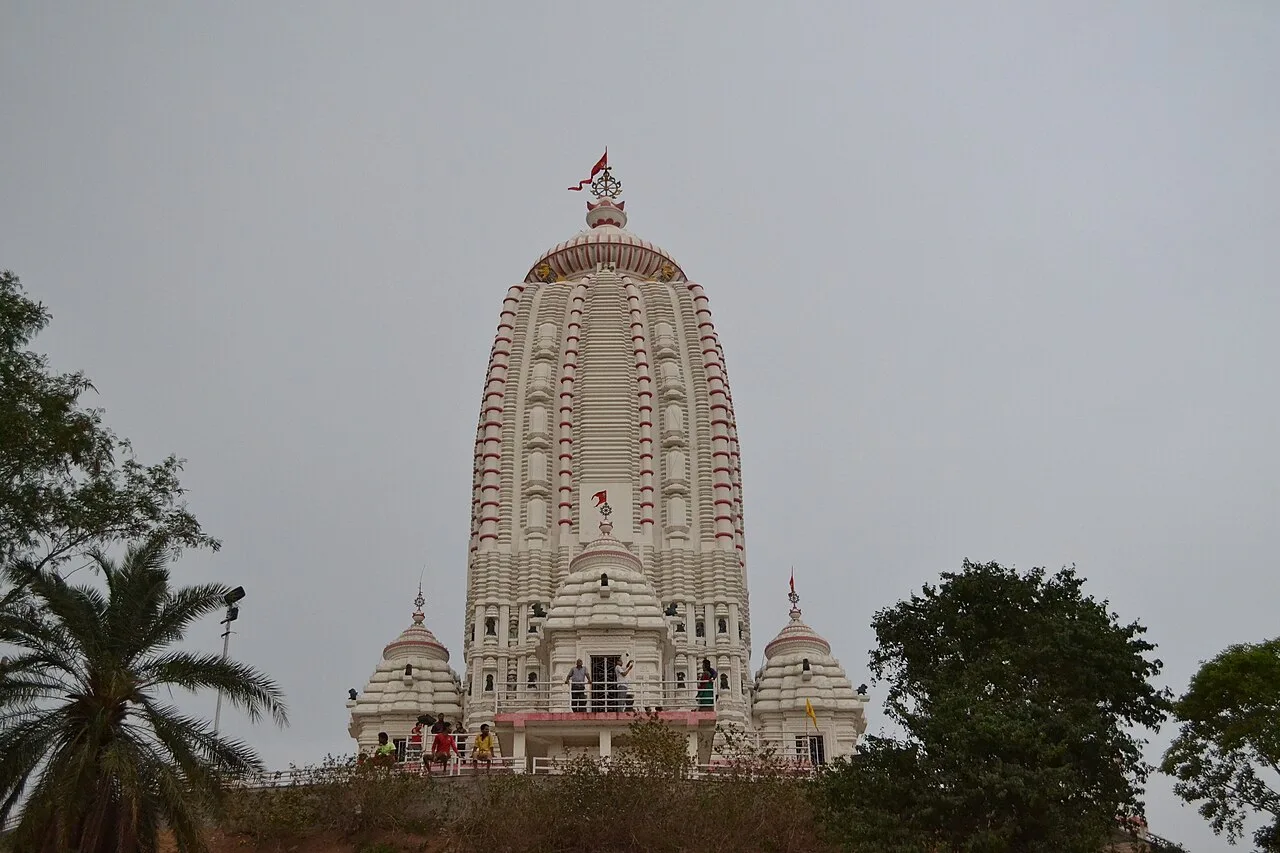
Jagannath Temple, near Ranchi

City guide · Jharkhand

Ranchi

Ranchi is the capital of Jharkhand and a key administrative, educational and commercial centre for the Chota Nagpur Plateau. It is closely associated with the Jharkhand movement, which sought a separate state for the region’s tribal areas.

Famous for

  • Jagannath Temple
  • Nearby waterfalls
  • Sarhul festival
  • Tasar silk and lac
  • Tribal arts and crafts
  • Heavy engineering
In the city
3
District
Ranchi

Why Ranchi matters

Ranchi is the capital of Jharkhand and a key administrative, educational and commercial centre for the Chota Nagpur Plateau. It is closely associated with the Jharkhand movement, which sought a separate state for the region’s tribal areas. The city’s importance today comes from this state-capital role, as well as its engineering and mining-related institutions and its position as a gateway to the plateau.

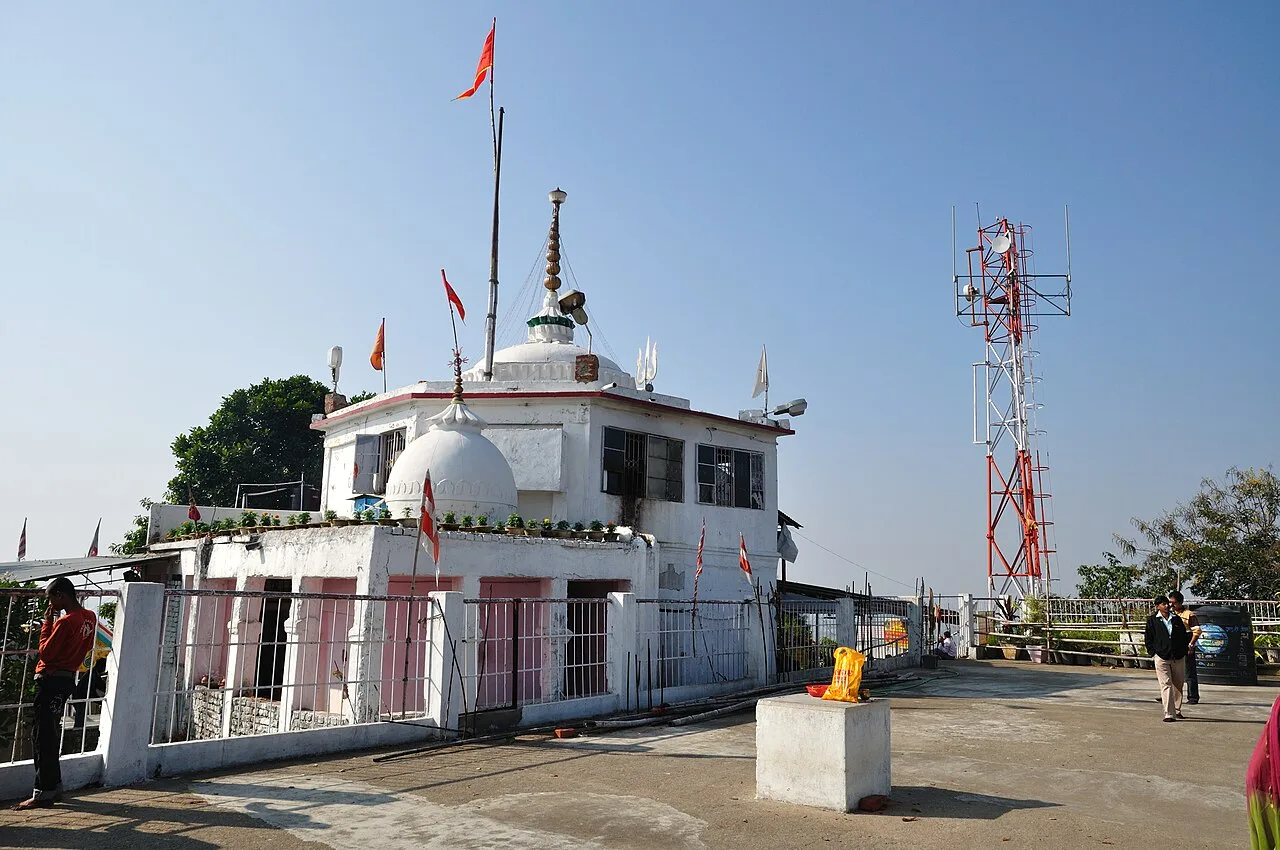
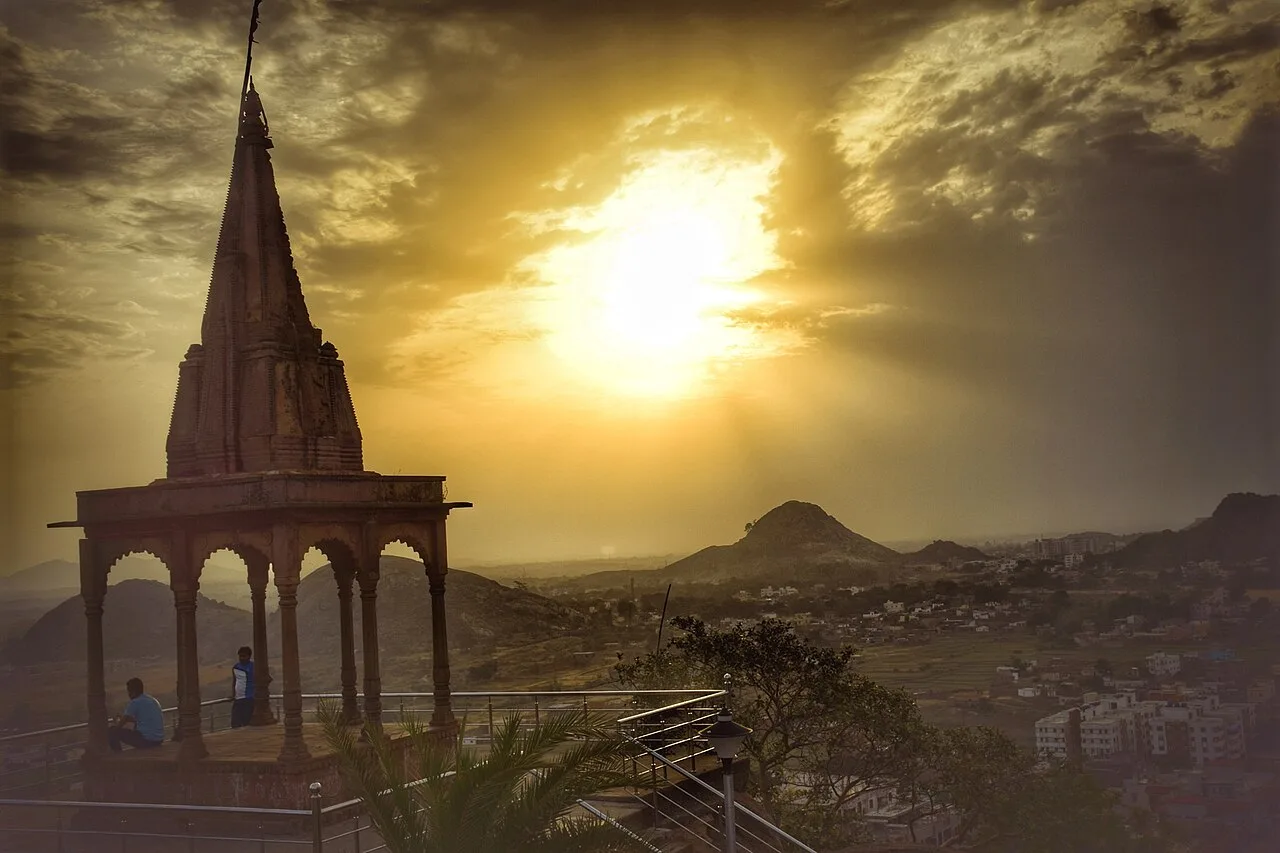
Visitors come for a mix of urban landmarks, religious sites and green surroundings. Ranchi is often called the City of Waterfalls: Hundru, Dassam and Jonha falls are among the best-known excursions in the wider area. Within the city, Pahari Mandir, Jagannath Temple and Tagore Hill offer glimpses of its religious and historical character. Its elevated setting and wooded surroundings have long given Ranchi a reputation for a milder climate than much of the region, though expanding development has changed parts of the landscape.
Famous for: crafts, trade & products

Ranchi is a useful place to look for crafts and products from across Jharkhand rather than a city defined by one signature textile. Tasar silk, including fabric and garments, is made in the wider state, while lac is an important forest-based product. Tribal metalwork, bamboo articles and painted decorative pieces also reflect regional craft traditions. Sohrai and Khovar, wall-painting styles associated with Jharkhand and recognised with GI tags, are among the state’s distinctive art forms.

For shopping, Upper Bazaar and the Main Road commercial area have a broad mix of shops and market stalls. State handicraft emporia, cultural exhibitions and seasonal fairs are good places to seek locally made work and learn about its origins; availability varies. Ranchi’s economy also has a strong industrial and institutional side. Heavy Engineering Corporation, Central Coalfields Limited and MECON are among the organisations associated with the city, alongside a wider engineering and mining-services network. These institutions have helped shape Ranchi’s modern identity as well as its role as a marketplace for the state.

History

The Ranchi region has a long history, with archaeological evidence of early ironworking in the wider Chota Nagpur area. The Nagvanshi rulers held power here for centuries, and Chutia became one of their capitals. In the late seventeenth century, Thakur Ani Nath Shahdeo built Jagannath Temple near Ranchi. British administration expanded in the nineteenth century, and the headquarters of the South-West Frontier Agency moved to Ranchi in 1843. Ranchi became a municipality in 1869.

The area was also a centre of resistance to colonial rule. Birsa Munda, a leading figure in the movement, died in Ranchi jail in 1900. In the twentieth century the city grew as an administrative and educational centre; Heavy Engineering Corporation was established in 1958, adding to its industrial role. Ranchi served as Bihar’s summer capital before becoming the capital of Jharkhand when the state was formed in 2000. Its history today is visible in religious landmarks, colonial-era development and modern public institutions.

Food, festivals & culture

Ranchi’s food draws on tribal, plateau and broader eastern Indian traditions. Dhuska, a savoury fried rice-and-lentil preparation, is a popular local snack, often served with ghugni. Chilka roti and seasonal dishes made with forest produce are also part of the region’s food culture; rugra, a wild mushroom, is especially associated with the rains. Thekua and anarsa are among the sweets enjoyed at festivals and family gatherings.

Sarhul, celebrated in spring, honours nature and the sal tree and is marked by community processions, music and dancing. Karma, usually observed around the monsoon-to-autumn period, and the post-harvest festival Sohrai are important seasonal celebrations; Chhath is also widely observed. Hindi and Nagpuri/Sadri are commonly heard, alongside languages including Mundari and Kurukh. Mandar-drum rhythms, Jhumair and other regional dances enliven public celebrations. Places of worship include Pahari Mandir and Jagannath Temple, which is especially active during its annual Rath Yatra.

Visiting the city

October to March is generally the most comfortable season to visit Ranchi; the monsoon months bring heavy rain and make waterfall trips lush but sometimes less convenient. Birsa Munda Airport serves the city, while Ranchi Junction is its main railway station. Auto-rickshaws, city buses and app-based cabs are useful for getting around; a hired car can make visits to waterfalls outside the centre easier.

Explore the Main Road and Upper Bazaar for shopping and everyday city life, or head to Morabadi for open spaces and cafés. Doranda and the areas around Ranchi Junction show a different, busier side of town. Pahari Mandir, Tagore Hill and Jagannath Temple make good city stops, while Hundru, Dassam and Jonha falls are popular outings beyond the urban centre.

Attractions

Places to visit in Ranchi

Sights within about 12 km of each other, even when they fall in different districts.

Map

Ranchi on the map

  1. 1Jagannath Temple
  2. 2Pahari Mandir
  3. 3Tagore Hill

Jharkhand

Other cities to explore