
Ghumoopedia — Explore, Discover, Experience
Sign in
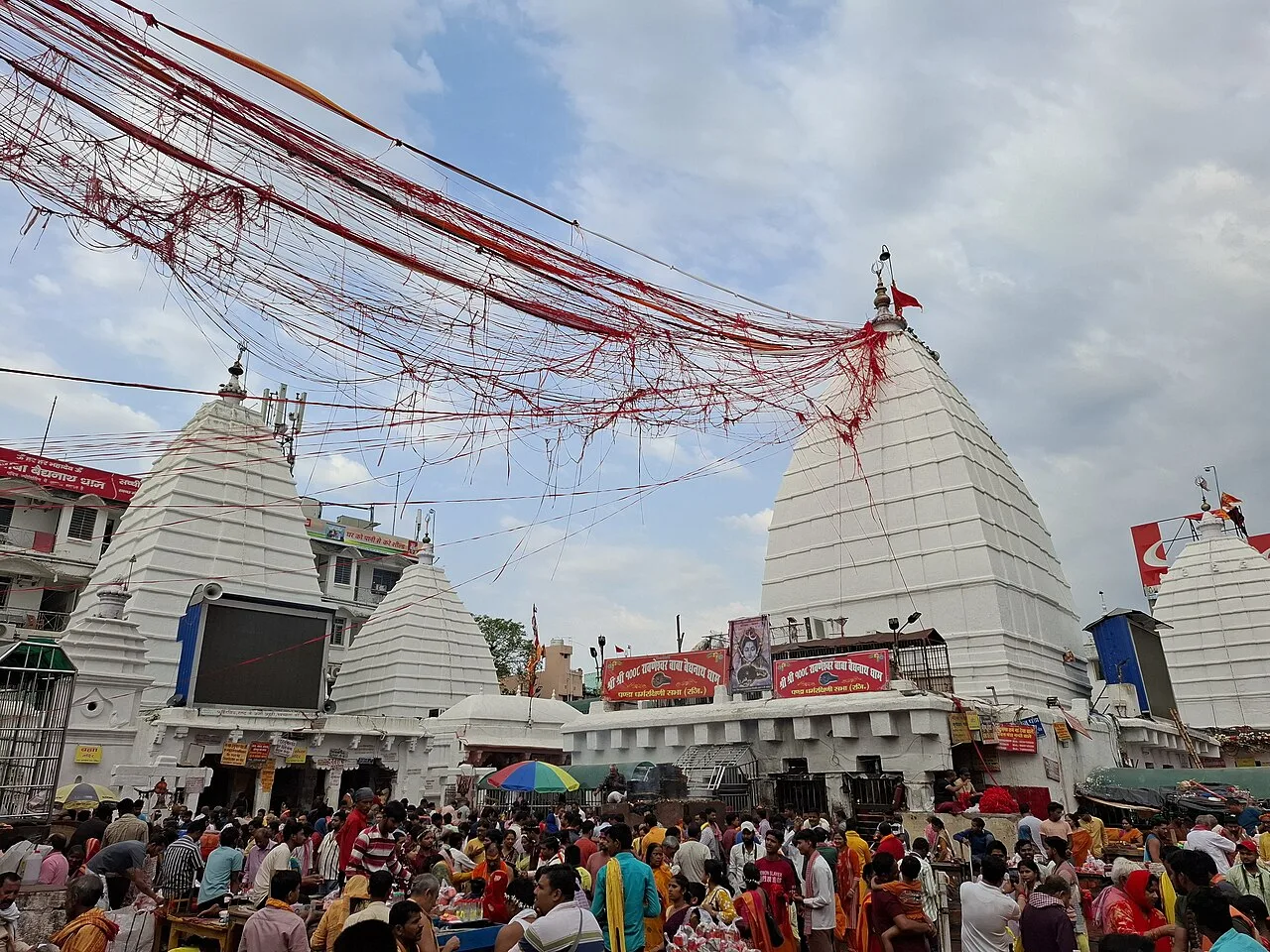
Baidyanath Temple, near Deoghar

City guide · Jharkhand

Deoghar

Deoghar is a major pilgrimage city in Jharkhand and the administrative headquarters of Deoghar district. Its best-known landmark is the Baidyanath Temple, revered by many Hindus as one of Shiva’s twelve Jyotirlingas.

Famous for

  • Baidyanath Jyotirlinga Temple
  • Shravan pilgrimage
  • Deoghar peda
  • Naulakha Temple
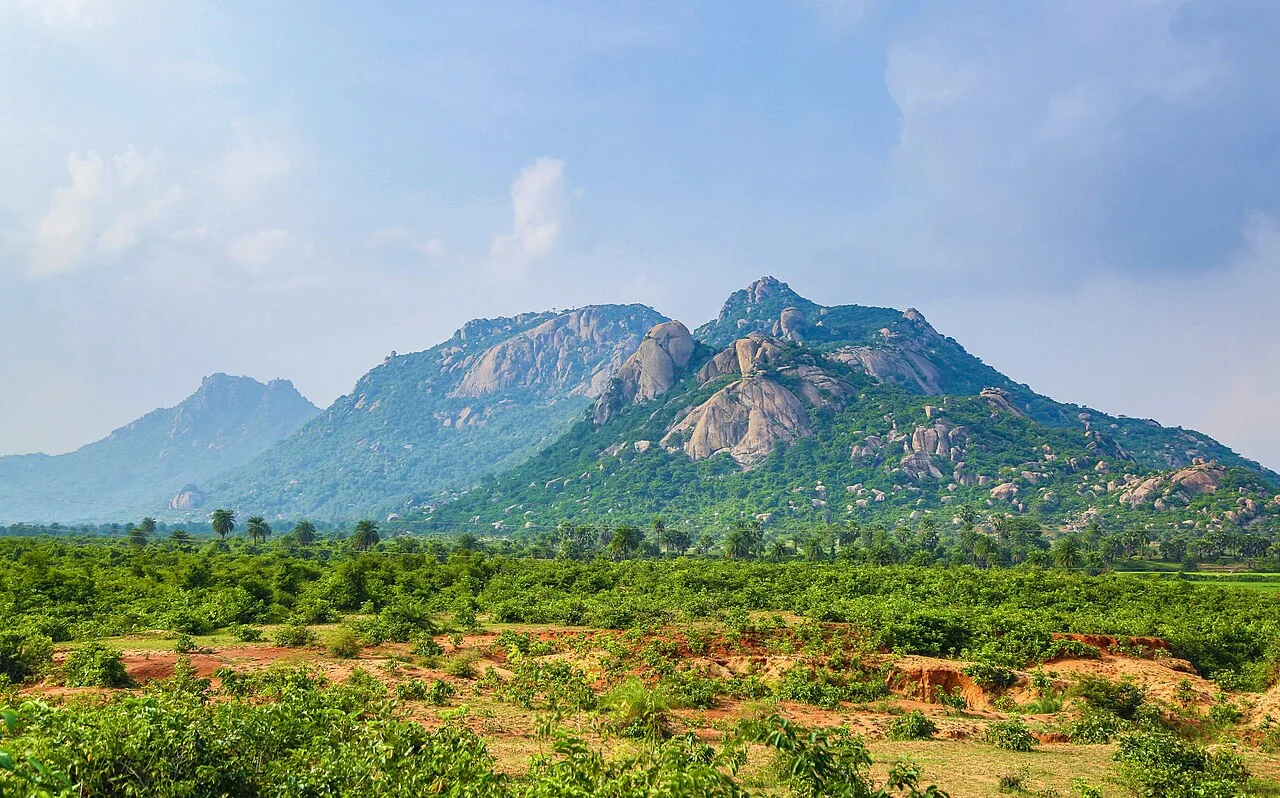
  • Tapovan hills
In the city
1
Nearby
1
District
Deoghar

Why Deoghar matters

Deoghar is a major pilgrimage city in Jharkhand and the administrative headquarters of Deoghar district. Its best-known landmark is the Baidyanath Temple, revered by many Hindus as one of Shiva’s twelve Jyotirlingas. The temple draws worshippers throughout the year, with especially large crowds during the Shravan season, when pilgrims come to offer water to Shiva. The surrounding temple lanes, smaller shrines and ritual markets form the heart of the city’s visitor experience.

Beyond pilgrimage, Deoghar serves as an important urban centre for the Santhal Parganas region. Visitors also come for its hilltop temples and outdoor stops, including Tapovan and Nandan Pahar. The city is often called Jharkhand’s cultural capital, reflecting its religious life and its position within a region shaped by several languages and traditions. Deoghar Airport and nearby Jasidih Junction have made the city more accessible, while its district-level institutions support residents and visitors from surrounding towns and villages.
Famous for: crafts, trade & products

Deoghar’s most recognisable local speciality is peda, a milk-based sweet commonly bought near the Baidyanath Temple and in the city’s main markets. Temple-area shops also sell पूजा offerings such as flowers, incense, devotional objects and other items used for worship. These bazaars are busy and practical rather than specialist craft districts, so visitors looking for a particular item may need to compare shops.

The city is not especially known for a signature textile, saree tradition or widely recognised GI-tagged product. Local shops serve everyday needs, while some may stock regional crafts and devotional goods; availability varies. For a sense of the wider Santhal Parganas region, look for locally made bamboo, wood or other craft items in general markets, but do not assume they are produced in the city itself. Jasidih, close to Deoghar, is an important nearby commercial and industrial area. For most visitors, the most distinctive purchases remain temple offerings and Deoghar peda rather than manufactured souvenirs. Ask shopkeepers about ingredients and regional provenance if those details matter to you.

History

Deoghar’s growth is closely tied to the Baidyanath shrine. Religious tradition gives the temple a deep antiquity, though its origin stories belong to faith and legend rather than a single firmly established historical account. The present temple complex reflects successive periods of worship and rebuilding, and the settlement expanded as pilgrims, traders and service providers gathered around it.

The city lies within the Santhal Parganas, a region profoundly affected by the Santhal rebellion of 1855–56 and subsequent British administration. Under colonial rule, pilgrimage and local commerce continued to shape Deoghar’s development. In modern times, roads, rail connections and public institutions strengthened its role as a regional centre. Deoghar became the headquarters of its own district when the district was created in 1983, before Jharkhand was formed as a state in 2000. Today, administration, religious tourism and services are central to the city’s urban life.

Food, festivals & culture

Baidyanath Temple is the centre of Deoghar’s religious calendar. The busiest pilgrimage period is Shravan, usually falling in July and August, when devotees arrive in large numbers. Maha Shivaratri is another major occasion for worship. Durga Puja and Chhath are widely observed, while local celebrations also reflect the customs of the surrounding region. Naulakha Temple and the shrines at Tapovan add to the city’s sacred landscape.

Deoghar peda is its best-known sweet. Everyday meals draw on Jharkhand and neighbouring eastern Indian food traditions; dishes such as dhuska, pittha and litti may be found in local eateries, though menus vary. Hindi is widely used, alongside languages such as Khortha, Santhali and Bengali in the wider community. Santhal music and dance are important to the region’s cultural life, especially at community celebrations. Visitors should be mindful of worshippers in temple areas, dress respectfully and follow local instructions at places of worship.

Visiting the city

October to March is generally the most comfortable period for exploring Deoghar. Shravan brings a distinctive pilgrimage atmosphere but also very heavy crowds, so allow extra time if travelling then. Deoghar Airport is the nearest airport. Jasidih Junction is the main rail hub for the city, while Baidyanathdham railway station is closer to the temple area.

Auto-rickshaws, e-rickshaws and taxis are useful for getting around; confirm the destination before setting off. Begin in the Baidyanath Temple precinct and its surrounding market lanes, then visit Naulakha Temple, Tapovan or Nandan Pahar. Jasidih is a nearby town and transport centre. Hill and temple visits may involve steps or uneven ground, so plan accordingly and check locally for current access conditions.

Attractions

Places to visit in Deoghar

Sights within about 12 km of each other, even when they fall in different districts.

Short trips

Around Deoghar

Within about 40 km — easy half-day or day trips from the city.

Map

Deoghar on the map

  1. 1Baidyanath Temple
  2. 2Trikut Hill

Jharkhand

Other cities to explore