
Ghumoopedia — Explore, Discover, Experience
Sign in
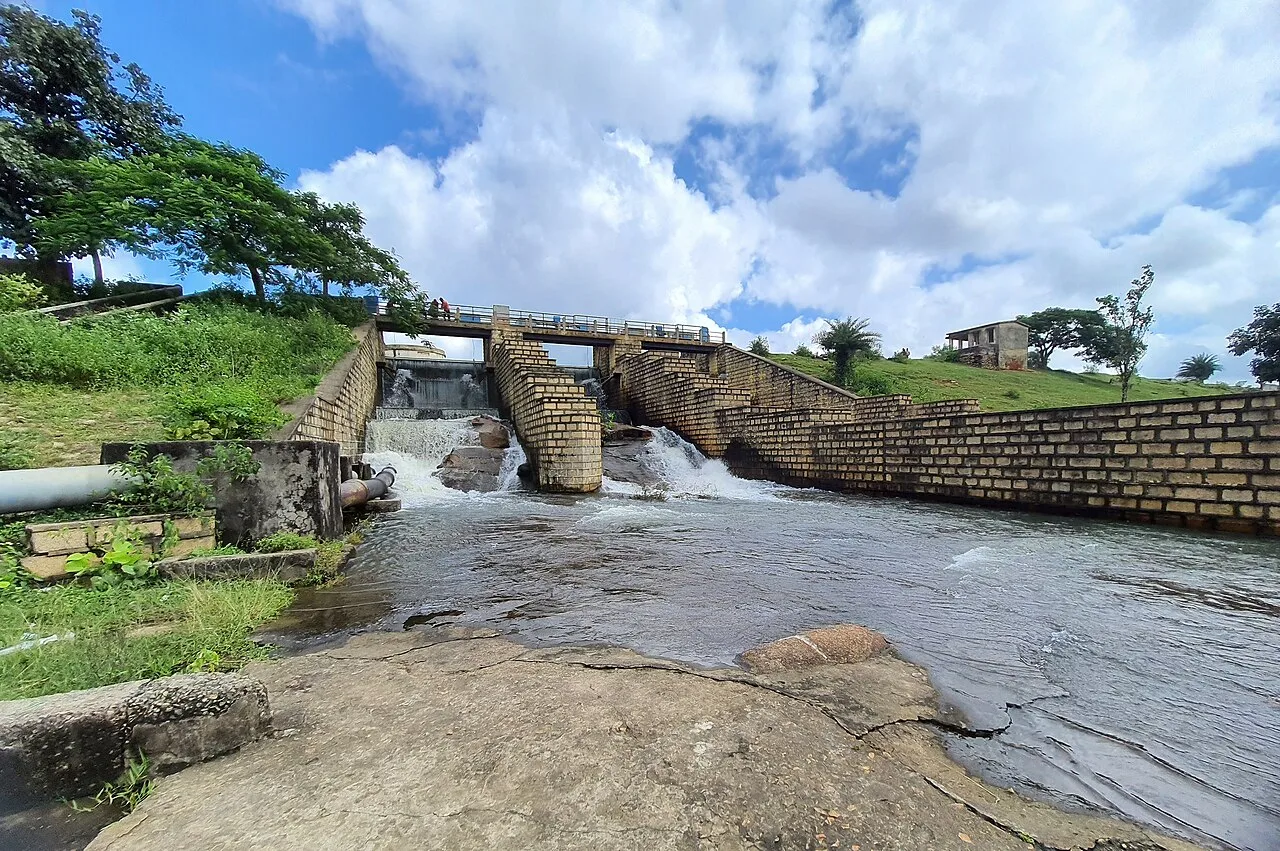
Khandoli Dam, near Giridih

City guide · Jharkhand

Giridih

Giridih is the administrative headquarters of Giridih district in north-eastern Jharkhand. Its importance comes from a mix of regional administration, coal mining, industry and public services; it also hosts a Data Processing Centre of the National Sample Survey Office.

Famous for

  • Parasnath Hills pilgrimage
  • Giridih Coalfield
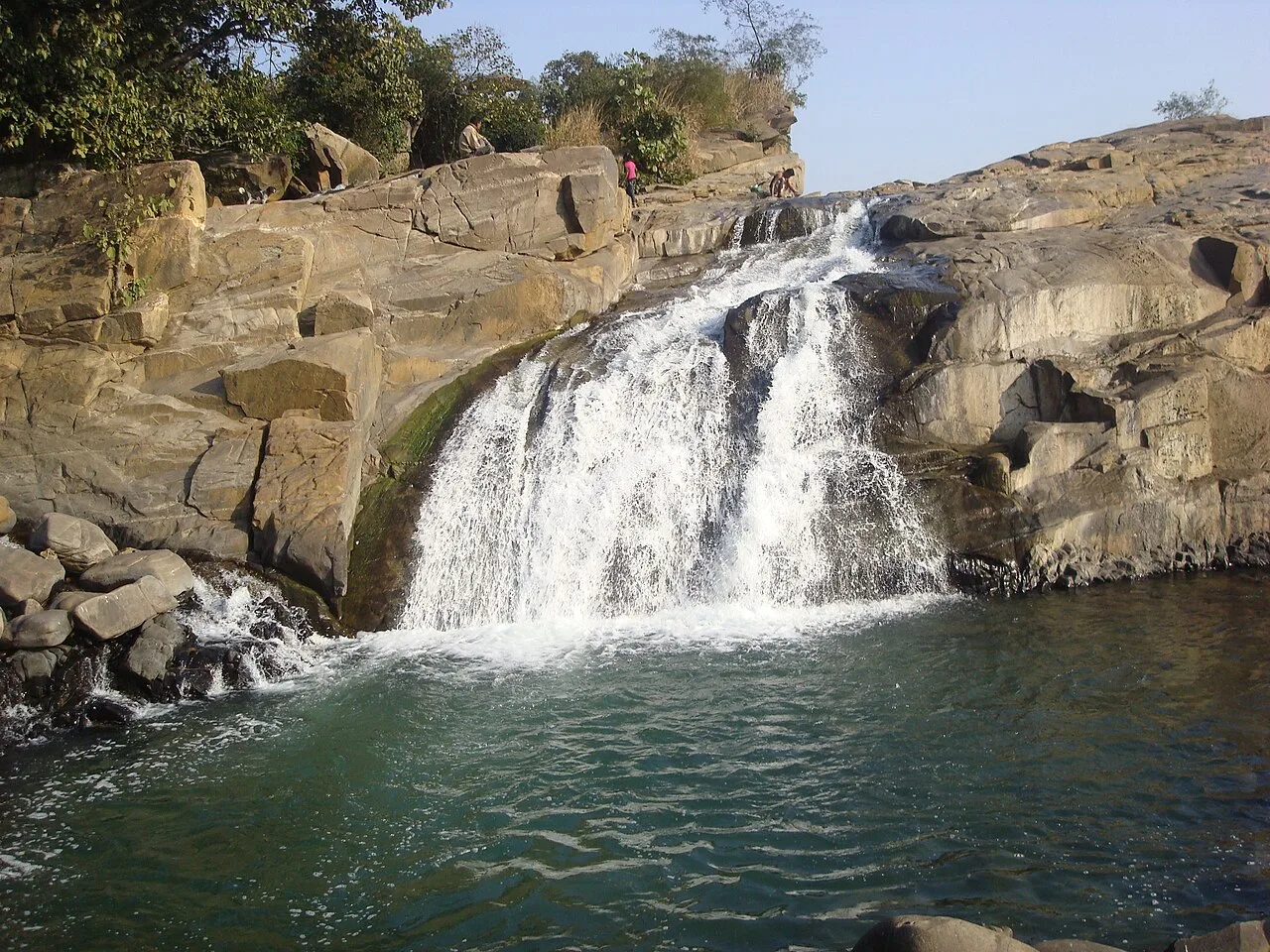
  • Usri Falls
  • Khandoli Dam
  • Khortha culture
In the city
2
District
Giridih

Why Giridih matters

Giridih is the administrative headquarters of Giridih district in north-eastern Jharkhand. Its importance comes from a mix of regional administration, coal mining, industry and public services; it also hosts a Data Processing Centre of the National Sample Survey Office. The name is commonly understood as “land of hills and hillocks,” a fitting description of the landscape around the town.

Visitors use Giridih as a base for exploring the district’s wooded hills and waterfalls. The best-known nearby destination is Parasnath, also called Sammed Shikharji, a major Jain pilgrimage site on the highest peak in Jharkhand. Usri Falls and Khandoli Dam are other popular outings in the surrounding area. Giridih itself is a practical hub for local buses, rail connections and everyday shopping rather than a city defined by a large collection of monumental attractions. Its appeal lies in combining access to pilgrimage and nature with a view of the mining and working life of the region.
Famous for: crafts, trade & products

Giridih is better known for coal and regional services than for a signature textile, handicraft or GI-tagged product. The Giridih Coalfield is among India’s oldest worked coalfields, and mining has long shaped employment and business in the district. The town also serves as a centre for trade, transport and services for nearby settlements. No particular saree tradition or widely recognised city-specific craft is strongly associated with Giridih, so visitors should not expect a specialised craft-shopping district.

For everyday purchases, look around the central market and bus-stand area, where shops and stalls serve residents and travellers. Local markets are useful for snacks, household goods and seasonal produce; availability varies, and products are not necessarily made locally. Coal-related businesses and other industrial activity are part of the wider economy, while the NSSO’s Data Processing Centre gives the city an institutional role beyond mining. For locally made items or regional foods, ask shopkeepers about current availability rather than assuming a dedicated outlet or fixed market.

History

Giridih’s early history is tied to Kharagdiha, a regional kingdom whose semi-independent chiefdoms, known as gadis, extended across parts of what are now Jharkhand and Bihar. Under British rule, the area became part of Jungle Terry. Colonial administration reorganised the region during the nineteenth century, and Kharagdiha’s estates and landholdings were brought under settlements with the authorities. The wider Chota Nagpur region also experienced resistance to British rule, including the Santhal uprising of 1855–56.

Coal mining and administration helped shape Giridih’s later growth. The Giridih district was formed in 1972 from territory that had been part of Hazaribagh district. In 1999, part of the district was transferred to the newly created Bokaro district. Today Giridih remains the district headquarters and combines government services, industry and transport links. Its older regional connections sit alongside modern institutions, including a National Sample Survey Office Data Processing Centre.

Food, festivals & culture

Everyday food in Giridih reflects the broader food traditions of Jharkhand and neighbouring eastern India. Rice, lentils and seasonal vegetables are common, while snacks such as dhuska and pittha may be found at local eateries or stalls. Thekua, a sweet fried or baked wheat preparation, is especially associated with Chhath observances. Offerings and festive foods vary among families, and the town does not have a single dish that defines it for visitors.

Hindi and Khortha are widely used in daily life; Urdu, Bengali and regional tribal languages are also heard in the district. The festival calendar includes Sarhul in spring, Karma during the monsoon season, and Sohrai around the post-harvest period. Chhath, Durga Puja, Diwali and Eid are observed by different communities. Folk music and dance traditions such as Jhumair and Karma form part of the wider regional culture. Giridih has Hindu temples and Muslim places of worship, while the district’s most prominent Jain pilgrimage landscape is at Parasnath and Madhuban.

Visiting the city

October to March is generally the most comfortable season to visit, with cooler weather for outdoor excursions; summer can be hot and the monsoon brings heavier rain. Deoghar Airport is the nearest listed airport, about 71 km away. Giridih railway station connects with Madhupur Junction, while New Giridih station offers another rail access point. Parasnath station, on the Howrah–Delhi route, is farther away and serves as an alternative for some journeys.

Auto-rickshaws and local buses are useful for getting around town, and buses connect Giridih with other regional centres. The central market and bus-stand area are convenient for shops and food. The station area is practical for arrivals, while Khandoli and Usri Falls make good excursions beyond the urban centre. Allow extra travel time for hill and pilgrimage visits.

Attractions

Places to visit in Giridih

Sights within about 12 km of each other, even when they fall in different districts.

Map

Giridih on the map

  1. 1Khandoli Dam
  2. 2Usri Falls

Jharkhand

Other cities to explore