
Ghumoopedia — Explore, Discover, Experience
Sign in
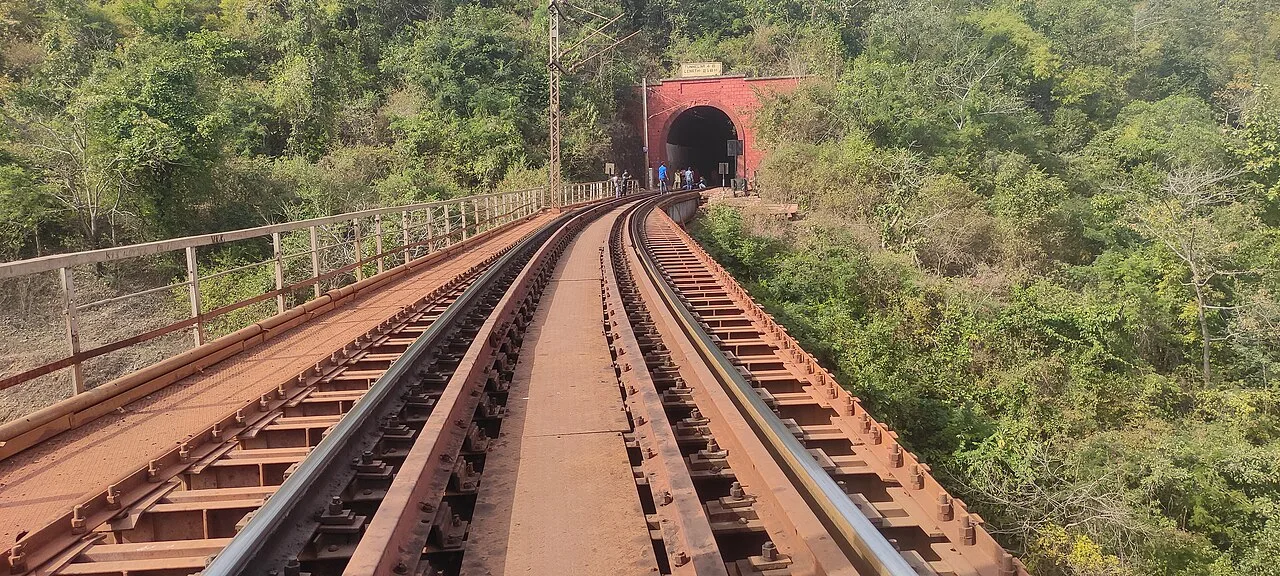
Kiriburu, near Gua

City guide · Jharkhand

Gua

Gua is a small mining township in Pashchimi Singhbhum district, set amid the forested uplands of the Chotanagpur Plateau. Its importance comes chiefly from iron ore: the Steel Authority of India Limited operates mines here, supplying an industrial network linked to IISCO at Burnpur.

Famous for

  • Iron ore mining
  • SAIL Gua Ore Mines
  • Mining township
  • Ho cultural region
  • DAV Senior Secondary Public School
In the city
0
Nearby
1
District
West Singhbhum
Plan a trip

Why Gua matters

Gua is a small mining township in Pashchimi Singhbhum district, set amid the forested uplands of the Chotanagpur Plateau. Its importance comes chiefly from iron ore: the Steel Authority of India Limited operates mines here, supplying an industrial network linked to IISCO at Burnpur. Mining gives Gua a role in Jharkhand’s economy well beyond its size as a town, and its industries also shape local employment and public debate about development and community needs.

Visitors are more likely to come for work, local connections or journeys through the Singhbhum region than for a conventional sightseeing circuit. The surrounding plateau landscape and the area’s Adivasi heritage offer a wider regional context, while the mine township itself reflects the close relationship between industry and everyday life. Gua also has a notable place in Jharkhand’s political life. DAV Senior Secondary Public School is among its established institutions. Travellers should expect a practical, working town rather than a destination with extensive visitor facilities.

Famous for: crafts, trade & products

Gua is best known for iron ore and mining, not for a signature textile, saree, handicraft or GI-tagged product. SAIL’s Gua Ore Mines are the town’s defining industrial institution, with ore connected to the steelmaking network at IISCO, Burnpur. Mining and related business activity have a strong influence on the local economy; firms associated with the wider area include Jindal Steel, Adhunik, Rungta and Ashirwad Enterprises.

There is no widely recognised specialist shopping district or craft bazaar that defines Gua. For daily necessities and small purchases, visitors can look to the town’s ordinary shops and local market areas, and ask residents for current recommendations. These are practical places to find everyday goods rather than a dependable source of region-specific souvenirs. The DAV Senior Secondary Public School, run by the DAV community, is a notable local institution focused on education. In short, Gua’s identity rests more on mining and its working-town institutions than on consumer products or heritage crafts.

History

Gua’s history is closely tied to the wider Singhbhum region, home to Adivasi communities including the Ho. Rather than developing as a former royal capital or a major heritage centre, Gua grew primarily as a mining settlement and service township.

Mining infrastructure brought workers, transport links and institutions to the area, connecting the mines with larger steel-industry centres. The Gua mines are operated by the Steel Authority of India Limited and are linked to IISCO at Burnpur. This industrial role continues to define the town’s economy and public life. Education is part of its civic landscape, including DAV Senior Secondary Public School. The balance between the commercial importance of mineral extraction and local needs such as healthcare and education remains an important theme in discussion about Gua’s development.

Food, festivals & culture

Gua’s cultural life reflects its setting in Singhbhum, where Adivasi traditions sit alongside the customs of a diverse mining-town population. Ho and Hindi are important languages in the region; Sadri and Odia may also be heard in local and family settings. Rice is a staple, and meals across the wider Jharkhand region commonly include lentils, seasonal vegetables and locally available forest produce. Visitors may encounter familiar regional foods such as dhuska, though menus vary and Gua is not especially known as a food destination.

Festivals celebrated in the area include Sarhul in spring, Karam during the monsoon season, and Sohrai around the post-harvest period. Mage Porob is an important Ho festival, while Durga Puja and Chhath are also observed by many residents. Community music and dance are part of Adivasi celebrations, with forms and customs varying between communities. Places of worship include local temples and Adivasi sacred spaces; visitors should be considerate around ceremonies and community sites.

Visiting the city

The cooler, drier months from roughly October to March are generally the most comfortable time to visit; summer can be hot and the monsoon brings heavy rain. Rourkela Airport in Odisha is among the closest air gateways, while Birsa Munda Airport in Ranchi is another option with broader regional connections. Check current flight availability before planning. Gua railway station is the main rail access point for the town.

Local travel is mainly by road, with taxis or shared vehicles useful for reaching nearby settlements; confirm onward transport locally. Explore the town centre and market areas for everyday services, and allow time to understand the mining township’s working landscape. Gua is not set up as a large sightseeing hub, so arrange accommodation and transport ahead, particularly if visiting for work or travelling beyond the town.

Short trips

Around Gua

Within about 40 km — easy half-day or day trips from the city.

Map

Gua on the map

  1. 1Kiriburu

Jharkhand

Other cities to explore