
Ghumoopedia — Explore, Discover, Experience
Sign in
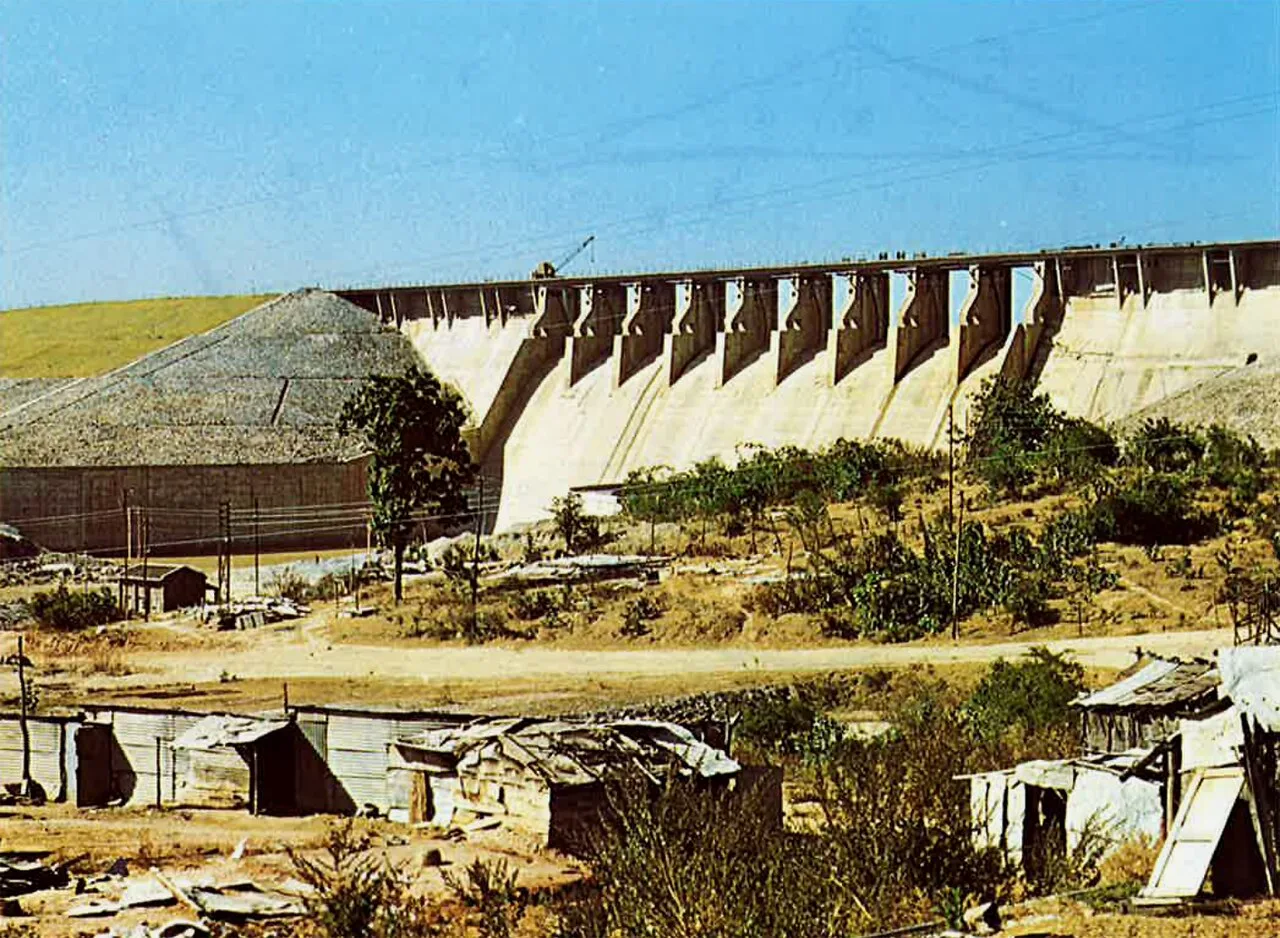
Konar Dam, near Gomia

City guide · Jharkhand

Gomia

Gomia is an industrial town in Bokaro district, set among the wooded uplands of the Chota Nagpur Plateau. Its modern identity grew around a commercial explosives factory and the residential township built for its workforce.

Famous for

  • Commercial explosives industry
  • Industrial residential colony
  • Gumia railway station
  • Chota Nagpur landscapes
  • Damodar Valley surroundings
In the city
0
Nearby
1
District
Hazaribagh
Plan a trip

Why Gomia matters

Gomia is an industrial town in Bokaro district, set among the wooded uplands of the Chota Nagpur Plateau. Its modern identity grew around a commercial explosives factory and the residential township built for its workforce. The industry brought together people from different regions and backgrounds, giving Gomia a notably diverse community character. It remains an important local centre in the Bermo subdivision, with rail connections and everyday services serving nearby settlements.

Gomia is not a conventional sightseeing destination, but it offers a window into the region's industrial history and settlement patterns. Its station links it with other parts of Jharkhand, while the surrounding plateau, forested countryside and Damodar Valley landscape provide a quieter regional setting. Tenughat Dam is a possible excursion from the town. The name Gomia is used locally, though the railway station retains the spelling Gumia, a useful detail for travellers planning their journey.

Famous for: crafts, trade & products

Gomia is best known for its industrial association with commercial explosives. Imperial Chemical Industries established the factory identified with IEL in the 1950s; it was acquired by Orica in 1999. The industrial complex and adjoining residential colony have shaped the town more than any particular craft or consumer product. Industrial premises are not general visitor attractions, and access may be restricted.

Gomia is not widely recognised as a textile, handicraft or GI-tagged-product centre. Visitors looking for everyday goods can browse the town's local market and shops, while specialist shopping is better sought in larger regional centres. The railway station, officially listed as Gumia, and the industrial township are among the clearest reminders of the town's working identity.

History

Gomia's documented town history is comparatively recent. Before its industrial development, this part of the Chota Nagpur Plateau was a less urbanised landscape of settlements and woodland; the available record does not point to a single historic ruling dynasty that defined the town. Its major transformation began around 1956, when Imperial Chemical Industries established a commercial explosives factory, associated with IEL, and developed housing for its employees. The new industrial township brought workers and families from varied backgrounds, creating a diverse community. The area was then part of Hazaribagh district. In the decades that followed it became part of Giridih district and later Bokaro district. In 1999, Orica acquired the IEL factory. The name Gomia developed from Gumia, although the railway station continues to use the name Gumia.

Food, festivals & culture

Gomia's community reflects its industrial history, with families from different parts of Jharkhand and beyond. Hindi is widely used; Khortha and other regional languages are also heard, alongside languages brought by migrant communities. Everyday meals commonly draw on the region's rice, lentils and seasonal vegetables. Dhuska, pittha and litti are familiar Jharkhand-style foods, though Gomia is not especially known for a signature dish or sweet.

Festivals bring together local and migrant traditions. Sarhul, celebrated in spring, and Karma, usually observed during the monsoon season, are important in the region; Sohrai follows the harvest period. Chhath, Durga Puja, Eid and Christmas are also observed by different communities. Folk music and dances such as Jhumar and Karma are part of the wider cultural landscape. Local temples, mosques and churches serve their respective communities.

Visiting the city

October to March is generally the most comfortable period to visit, with cooler conditions than the hot summer and much of the monsoon. Gomia's railway station is listed as Gumia (GMIA). The nearest major airport is Birsa Munda Airport in Ranchi; onward travel is by road or rail. Local journeys can be made by auto-rickshaw and other shared or private road transport, though services vary. Explore the station and market areas for everyday town life, and the residential township for a sense of Gomia's industrial origins. Tenughat Dam and the wider plateau countryside are possible regional excursions; check local conditions before setting out.

Short trips

Around Gomia

Within about 40 km — easy half-day or day trips from the city.

Map

Gomia on the map

  1. 1Konar Dam

Jharkhand

Other cities to explore