
Ghumoopedia — Explore, Discover, Experience
Sign in
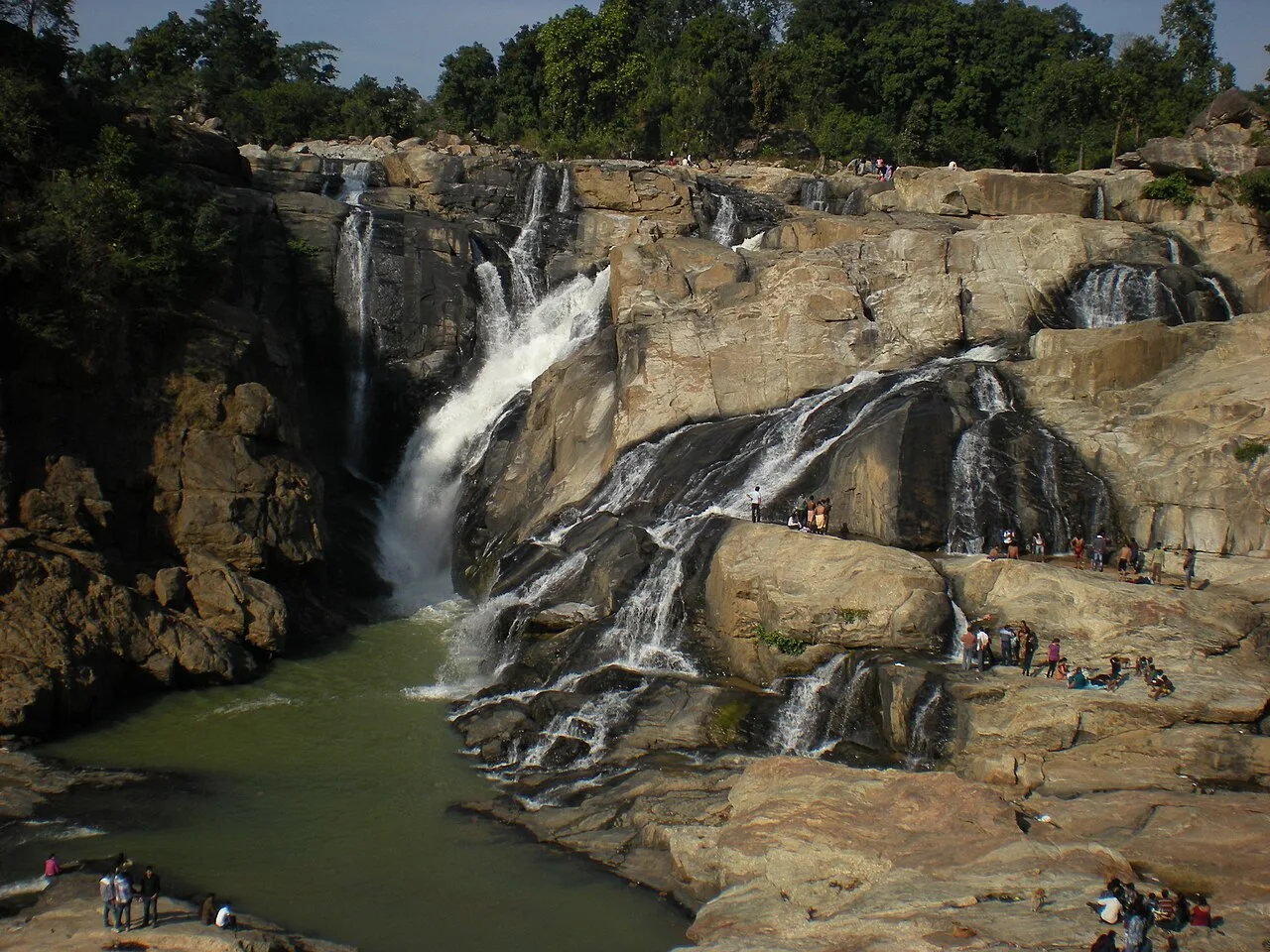
Dassam Falls, near Bundu

City guide · Jharkhand

Bundu

Bundu is a small administrative and market town in Ranchi district, serving as the centre of its subdivision. Its position on the road between Ranchi and Jamshedpur makes it a useful stop and a local hub for nearby settlements.

Famous for

  • Surya Mandir
  • Dassam Falls
  • Ranchi–Jamshedpur road
  • Chotanagpur landscapes
  • Adivasi cultural traditions
In the city
0
Nearby
3
Districts
Ranchi, Khunti
Plan a trip

Why Bundu matters

Bundu is a small administrative and market town in Ranchi district, serving as the centre of its subdivision. Its position on the road between Ranchi and Jamshedpur makes it a useful stop and a local hub for nearby settlements. The town is about 40 km from Ranchi and is surrounded by the wooded hills and plateau scenery characteristic of this part of Jharkhand.

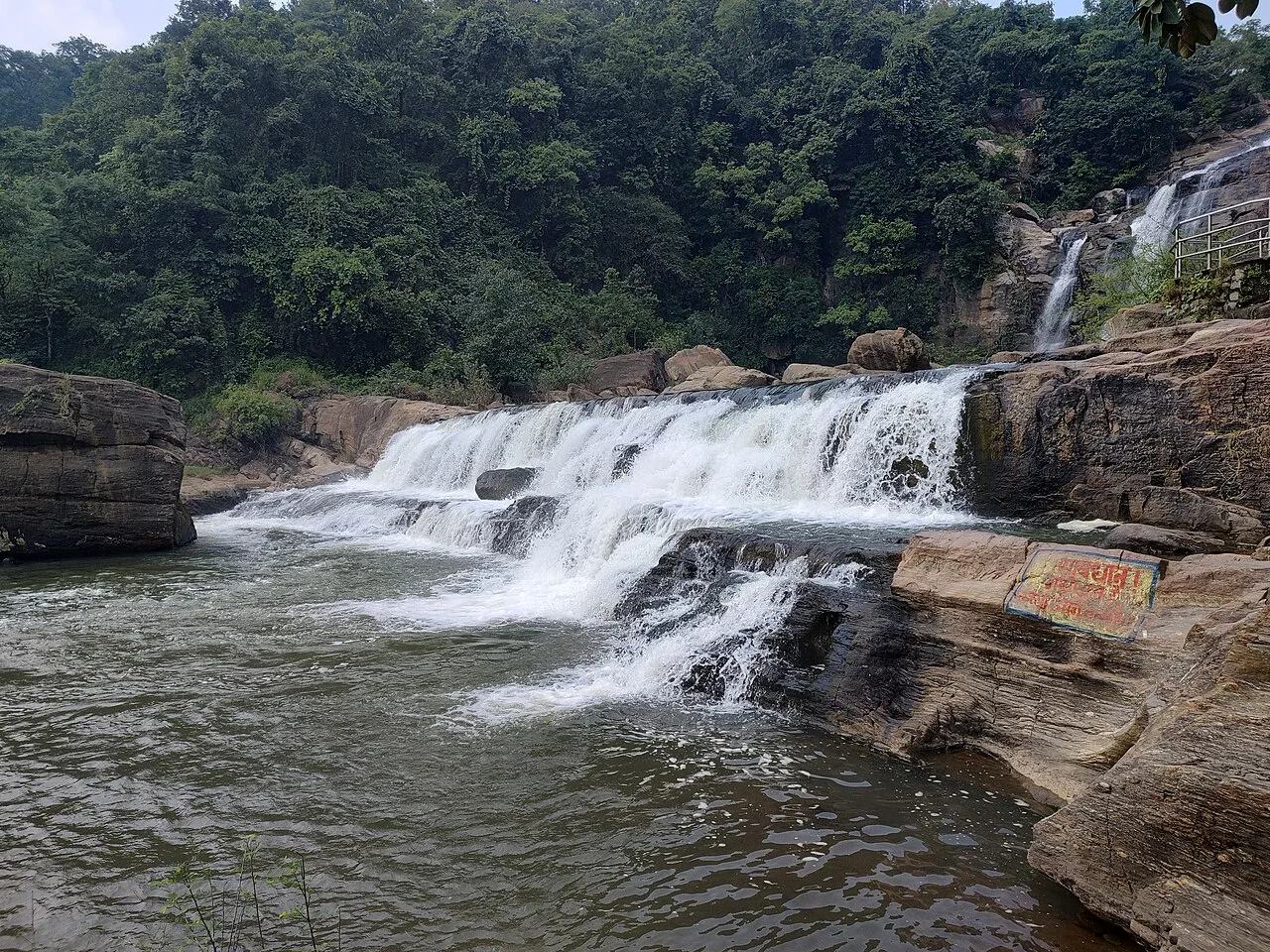
Visitors are drawn chiefly to the Surya Mandir and to Dassam Falls, a dramatic cascade in the surrounding region. Together, these sights give Bundu appeal as a base for short excursions beyond the state capital. The area also offers a glimpse of the landscapes and Adivasi cultural life of the Chotanagpur plateau. A large statue of Birsa Munda, described locally as the Statue of Ulgulan, has been planned near the temple; its construction status may change. Bundu’s importance today rests less on big-city attractions than on its administrative role, road connections and access to nearby natural and religious sites.
Famous for: crafts, trade & products

Bundu is not widely recognised as a specialised centre for textiles, a signature handicraft or a major manufacturing industry. Its everyday commerce is centred on local shops and markets that serve residents and villages in the surrounding subdivision. Visitors can look for household goods, seasonal produce and everyday provisions in the town’s market areas, rather than expecting a dedicated craft bazaar or a well-established tourist shopping district.

The wider Chotanagpur region has traditions of Adivasi arts and forest-based livelihoods, but particular products should not be assumed to originate in Bundu. There is no prominent Bundu-specific GI-tagged product to seek out. Any local craft or produce is best explored through small retailers and market stalls, where availability varies. The town is better known as a service and travel stop, and as a convenient point for reaching the Surya Mandir and nearby waterfalls, than as a destination for shopping. For a wider selection of regional goods, travellers can look to larger centres such as Ranchi.

History

Bundu’s growth has been closely tied to its position on the route linking Ranchi with the Jamshedpur side of the plateau. It developed as a local settlement and market centre and is now the headquarters of a subdivision within Ranchi district. Its role is principally administrative and regional rather than that of a historic royal capital.

The town lies in the broader Chotanagpur region, home to Adivasi communities with long-standing cultural and political histories. During British rule, colonial administration reshaped the region, while resistance movements arose across the plateau. Birsa Munda’s Ulgulan, or great uprising, belongs to this wider history; it should not be treated as an event specific to Bundu. In modern times, improved road links have strengthened the town’s connection with Ranchi and Jamshedpur. The creation of Jharkhand as a state in 2000 placed Bundu within a new state administration, while its local subdivision role and links to nearby attractions continue to shape its importance.

Food, festivals & culture

Bundu’s cultural life reflects the mix of Adivasi and regional traditions found across the Chotanagpur plateau. Hindi is widely used, alongside local languages and varieties such as Nagpuri, Mundari and Kurmali. Community celebrations may include Sarhul, generally observed in spring; Karma, associated with the monsoon season; and Sohrai, often celebrated around the post-harvest period. Dates follow local calendars and can vary. Hindu festivals such as Diwali and Chhath are also observed in the area.

Meals across the region commonly feature rice, lentils and seasonal vegetables. Visitors may encounter Jharkhand favourites such as dhuska, pitha and handia, though availability varies and these are regional rather than Bundu-exclusive foods. Folk music and dance are part of festival and community gatherings. The Surya Mandir is the town’s best-known religious landmark and draws visitors for worship as well as sightseeing. Local places of worship and community spaces are woven into everyday life; respectful dress and asking before photographing people or ceremonies are thoughtful ways to visit.

Visiting the city

The cooler, drier months from about October to March are generally the most comfortable for exploring Bundu and its surrounding scenery. Summer can be hot, while monsoon rain may make waterfall visits and road journeys less predictable. Birsa Munda Airport in Ranchi is the nearest airport; Ranchi Junction is the main railway station commonly used by visitors. From either, Bundu can be reached by road along the Ranchi–Jamshedpur corridor.

Within town, local taxis and shared vehicles are practical options; arrange onward transport for sites outside the centre. The Surya Mandir and the road towards Dassam Falls are the main areas to explore. Bundu’s market and administrative centre offer a sense of everyday town life, while nearby wooded and hilly stretches provide the scenic appeal. Check local conditions before travelling to waterfalls, especially during heavy rain.

Short trips

Around Bundu

Within about 40 km — easy half-day or day trips from the city.

Map

Bundu on the map

  1. 1Dassam Falls
  2. 2Jonha Falls
  3. 3Ulihatu

Jharkhand

Other cities to explore