
Why Rajmahal matters
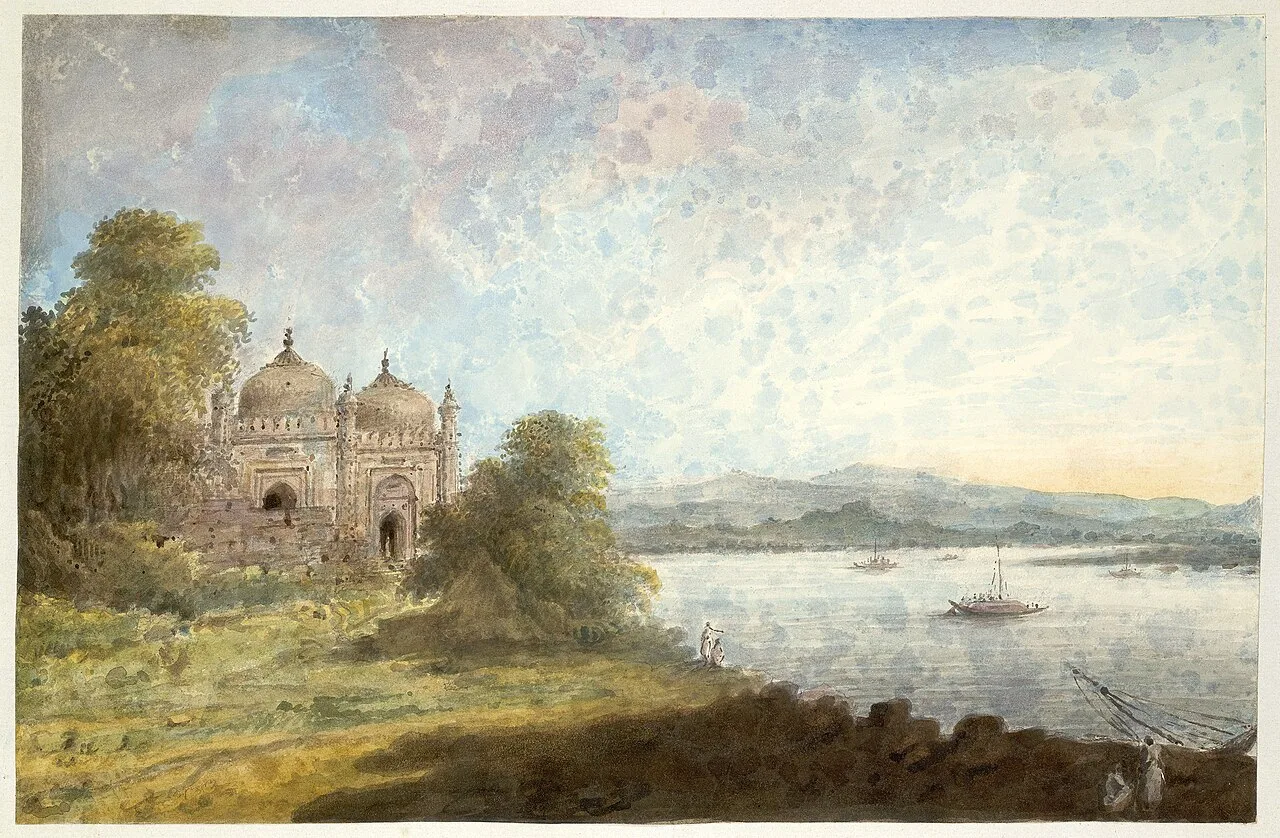
On the Ganges in northeastern Jharkhand, Rajmahal is a small subdivisional town whose importance reaches well beyond its size. The river and the Rajmahal Hills shape its setting, while its position near the historic Teliagarhi Pass once made it a strategic gateway between Bengal and the inland regions. The town briefly served as a Mughal capital, and visitors come to explore that layered past as well as the surrounding river-and-hill landscape.
Rajmahal is best known for its Mughal associations, the 1576 Battle of Rajmahal and episodes from the later history of Bengal. Nearby fossil-bearing rocks of the Rajmahal Formation add a geological attraction; these plant fossil beds are recognised as a National Geological Monument. The town also provides a base for exploring the wider Sahibganj district, including the Ganges corridor and communities with strong Santhal cultural traditions. It remains a modest regional centre rather than a large tourism or manufacturing hub, so its appeal lies in history, geology and an unhurried encounter with this distinctive part of Jharkhand.