Ghumoopedia — Explore, Discover, Experience
Sign in
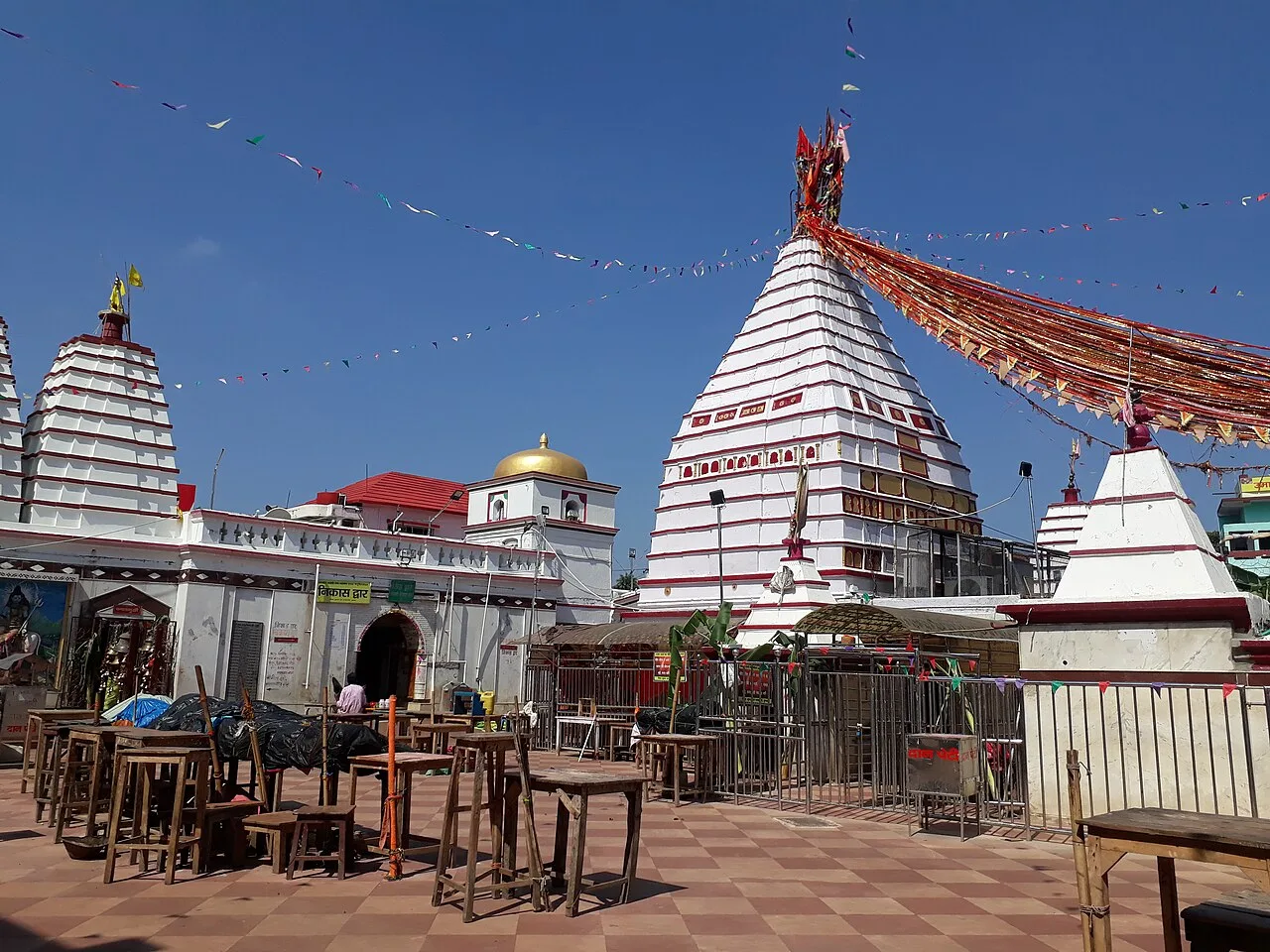
Basukinath, near Dumka

City guide · Jharkhand

Dumka

Dumka is the headquarters of Dumka district and the Santhal Pargana division, and serves as Jharkhand’s sub-capital. Its administrative role makes it an important centre for the surrounding towns and rural communities.

Famous for

  • Jharkhand's sub-capital
  • Santhal Pargana headquarters
  • Santhal cultural traditions
  • Mayurakshi region
  • Gateway to Basukinath

Why Dumka matters

Dumka is the headquarters of Dumka district and the Santhal Pargana division, and serves as Jharkhand’s sub-capital. Its administrative role makes it an important centre for the surrounding towns and rural communities. The city is also a useful starting point for exploring a region shaped by Santhal heritage, forested hills and river valleys.

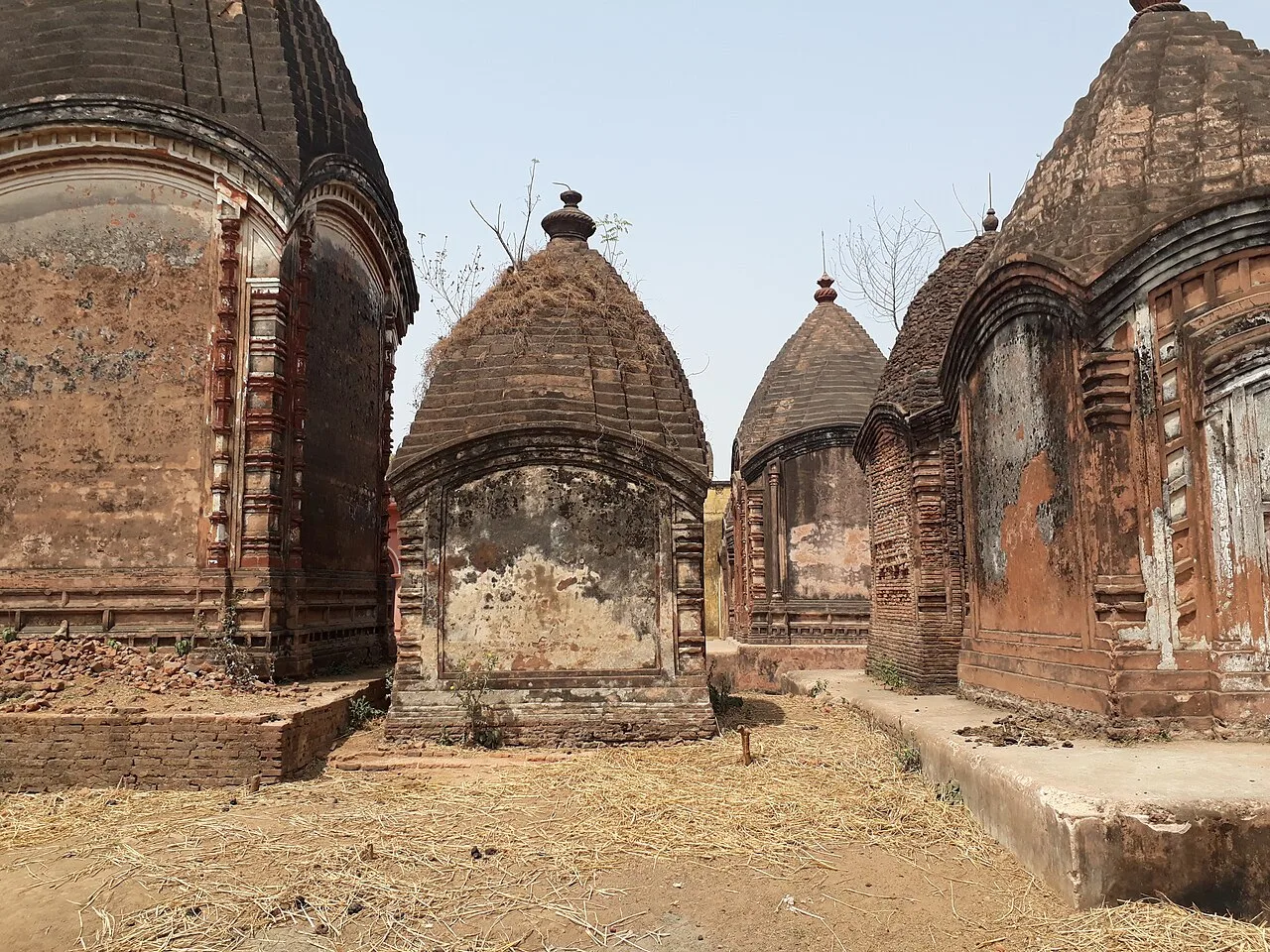
Visitors come for the quieter pace and green setting, as well as for excursions to places across the district and neighbouring areas. These include the pilgrimage centre of Basukinath, the historic temple village of Maluti and Massanjore Dam on the Mayurakshi. Dumka itself is more a working regional centre than a large tourist destination, but its markets, everyday street life and cultural connections offer an introduction to Santhal Pargana. Hindi and Santali are widely heard, alongside Bengali and other local languages. The city’s importance today rests on this combination of public institutions, regional links and proximity to cultural and natural attractions.
Famous for: crafts, trade & products

Dumka is not especially known for a signature textile, craft or GI-tagged product. Rather, it serves as a market and service centre for Santhal Pargana, where local shops and weekly markets supply residents from the city and surrounding villages. Visitors can browse for everyday clothing, household goods, seasonal produce and locally made items; availability varies, so it is worth asking shopkeepers or market vendors about products made nearby.

Santhal artistic traditions are an important part of the wider region’s identity. Handmade baskets and other practical goods may be found through local markets, though Dumka is not a major specialised craft-shopping destination. Agricultural produce and forest-linked goods also move through local trade, but should not be confused with a single city-specific specialty. The town centre and market lanes are the most convenient places to look, while village haats in the district can offer a closer glimpse of rural exchange. For distinctive souvenirs, ask locally about work by Santhal artisans and buy directly when possible. Dumka’s best-known institutional role is as the administrative headquarters of the division and district, rather than as a manufacturing hub.

History

The area around Dumka was home to Paharia communities, including the Maler and Sauria Paharias, before it became part of successive regional powers. Its hills and difficult routes gave the wider region strategic importance. Mughal and Afghan authority followed earlier contests for control, while Maratha incursions affected the area in the eighteenth century.

Under British rule, Dumka developed from a small administrative and police centre into a regional headquarters. The Santal Hool of 1855 led to the creation of the Santhal Pargana administrative region. Dumka became an independent district headquarters in 1865 and the headquarters of the wider Santhal Pargana district in 1872. A municipality followed in 1902. Missionary and language scholarship also shaped the town’s history: Paul Olaf Bodding worked in the area and contributed to the study of Santali. After independence, Dumka became the divisional headquarters in 1983. When Jharkhand was formed in 2000, it became the state’s sub-capital; rail links and road improvements later strengthened its connections.

Food, festivals & culture

Food in Dumka reflects the everyday cooking of Jharkhand and Santhal Pargana: rice, lentils, seasonal vegetables and leafy greens are common, with local preparations varying between households. Snacks such as dhuska and seasonal sweets or rice-based pitha can be found in the wider region, especially around festivals. Market stalls and small eateries are good places to try simple local meals.

Santali, Hindi and Bengali are among the languages heard in the city, alongside other regional languages. Santhal music and group dances are central to community celebrations, often accompanied by drums such as the tamak and madal. Sarhul, usually celebrated in spring, honours nature and community; Karam is associated with the monsoon season, while Sohrai follows the harvest. Durga Puja and Chhath are also observed. Dumka has Hindu temples, mosques and churches, reflecting the varied religious life of the city; the nearby Basukinath temple is a significant regional pilgrimage destination.

Visiting the city

October to March is generally the most comfortable season to visit, with cooler weather than the hot summer months and less monsoon rain. Deoghar Airport is the nearest major airport; Dumka’s own railway station connects the city with the wider rail network, including the route towards Jasidih. Check current transport connections before travelling.

Auto-rickshaws, taxis and local buses are useful for getting around town and reaching nearby places. The central market area is a practical place to walk, eat and see everyday city life. Dudhani is another familiar part of town, while trips beyond the centre can take in the Mayurakshi landscape or serve as a starting point for visits to Basukinath, Maluti and Massanjore Dam. For rural excursions, arrange transport locally and allow extra time for road journeys.

Trips from the city

Nearest places to visit from Dumka

Our closest destination guides, by straight-line distance.

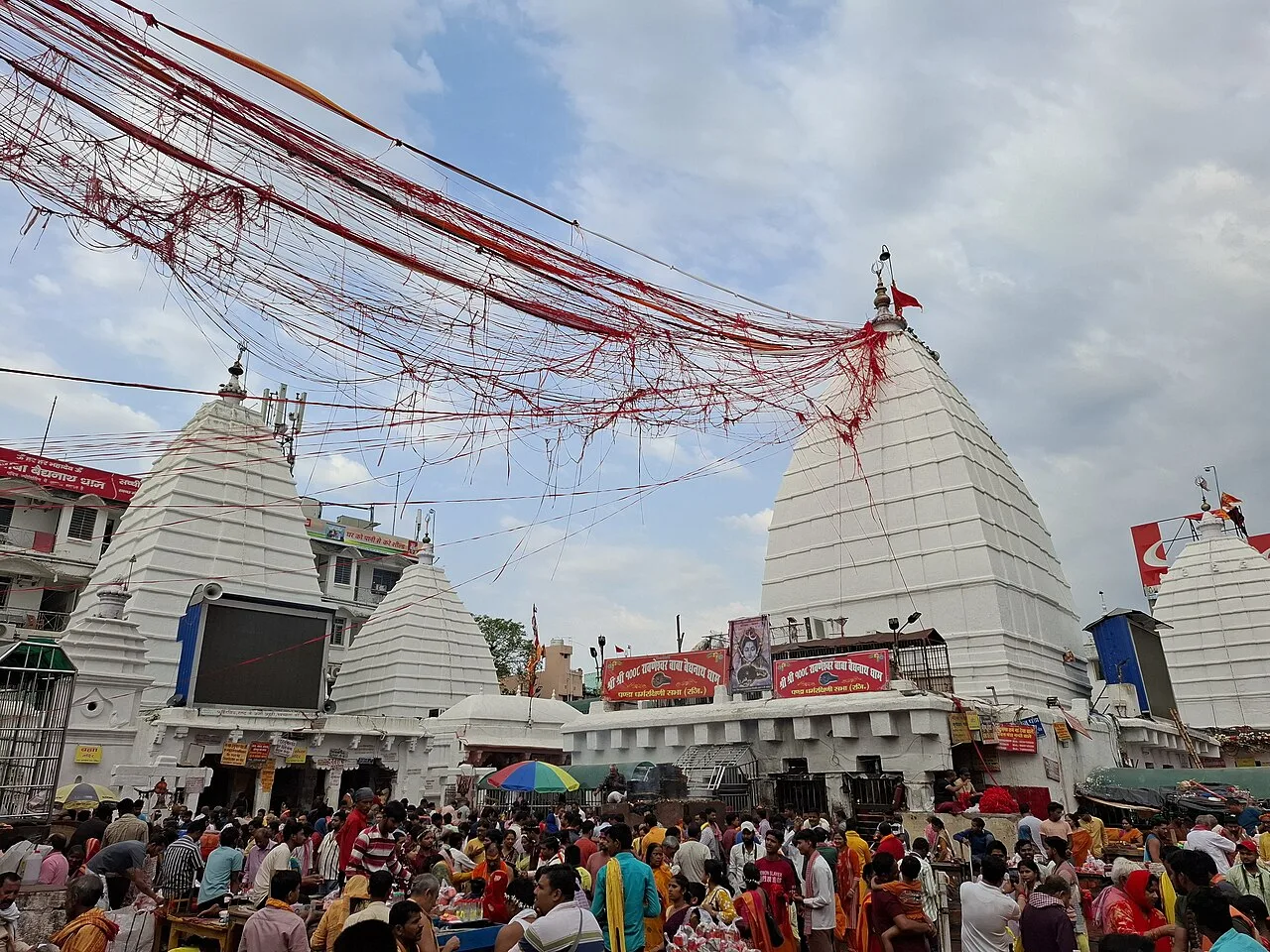
Basukinath

22 km away · Dumka district

Basukinath

Basukinath is a temple-centred town with notified-area status in Jharkhand’s Dumka district. Visitors come for its association with temples.

Maluti

45 km away · Dumka district

Maluti

Maluti, a village in Jharkhand’s Dumka district, is noted for its historic temples, whose imagery depicts episodes from Hindu epics.

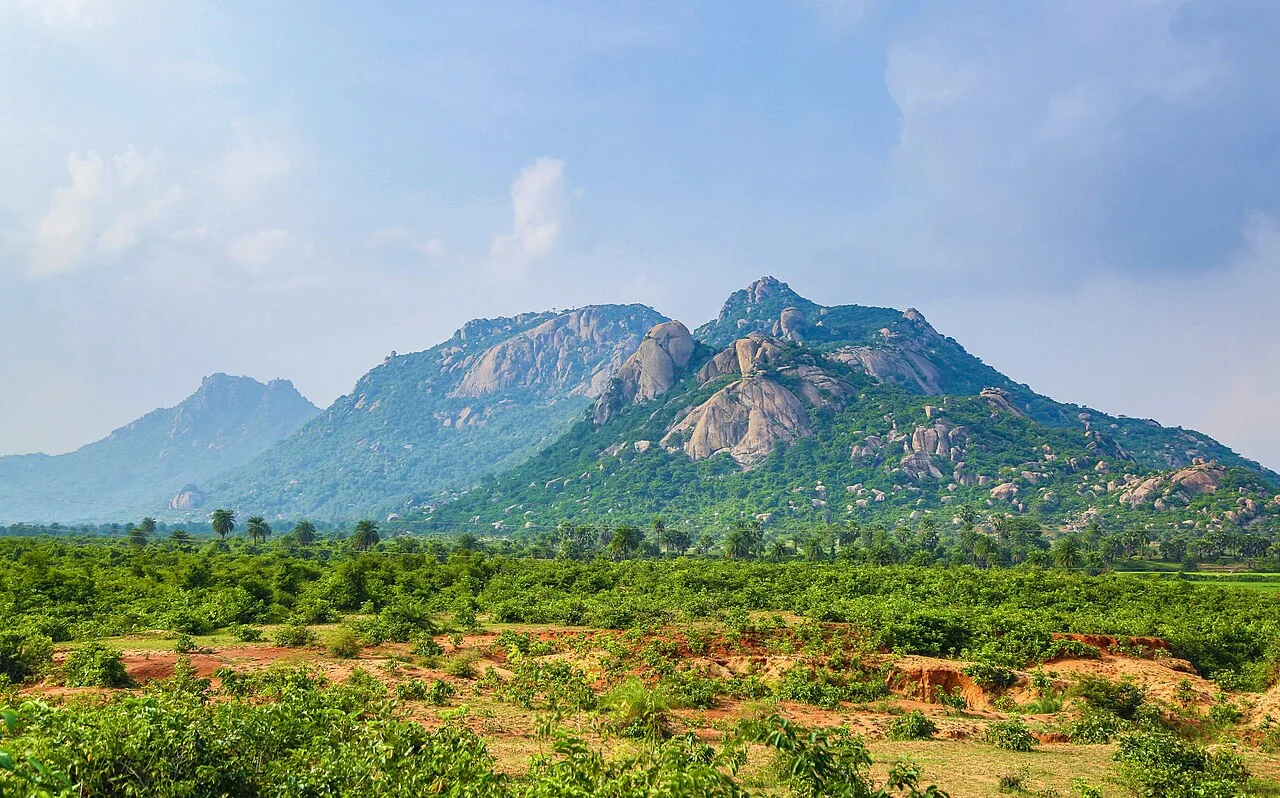
Trikut Hill

49 km away · Deoghar district

Trikut Hill

Trikut Hill is a three-peaked pilgrimage destination near Deoghar, Jharkhand. Devotees visit for its religious associations, while others climb the slopes to experience its seasonal scenery and views.

Baidyanath Temple

61 km away · Deoghar district

Baidyanath Temple

Baidyanath Temple is a Hindu shrine to Shiva in Deoghar, Jharkhand, visited by worshippers for Baba Baidyanath and its place among the twelve Jyotirlingas.

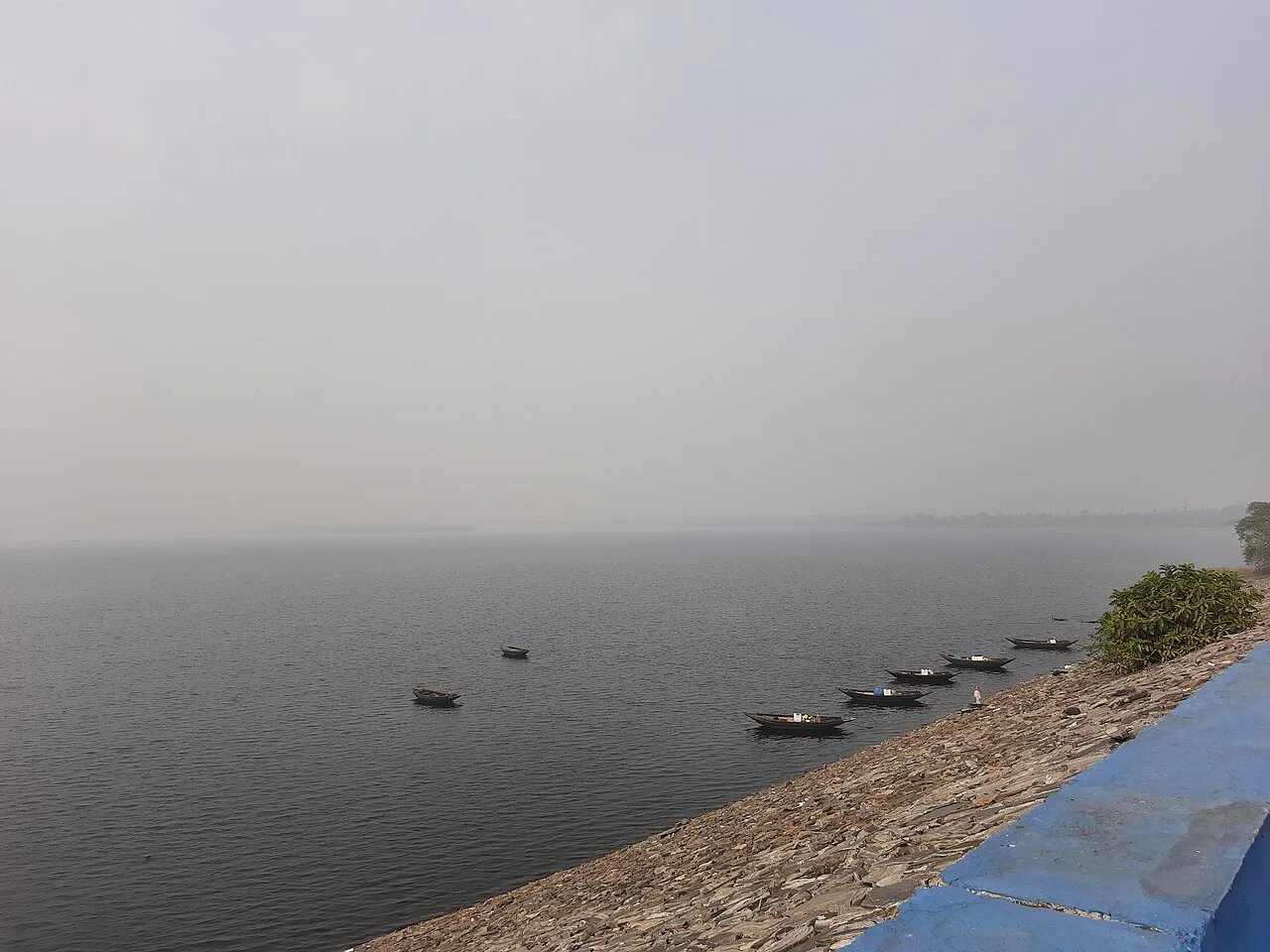
Maithon Dam

67 km away · Dhanbad district

Maithon Dam

Maithon Dam, built across the Barakar River in Jharkhand, draws visitors for its underground power station, natural surroundings and religious significance, as well as its role in flood control.

Panchet Dam

83 km away · Dhanbad district

Panchet Dam

Panchet Dam is a multipurpose structure on the Damodar River in Jharkhand. Visitors come to see the dam and its place in the opening stage of the DVC’s development programme.

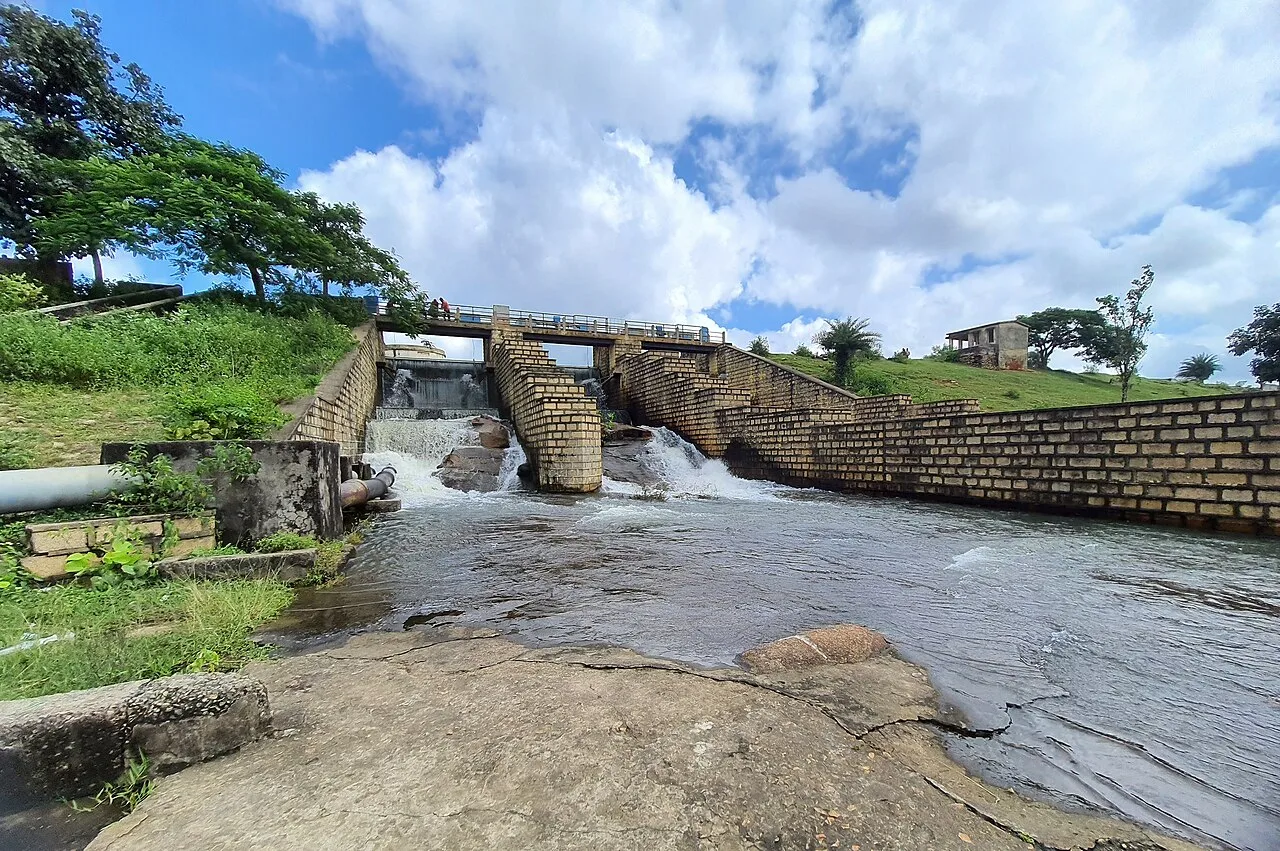
Khandoli Dam

91 km away · Giridih district

Khandoli Dam

Khandoli Dam is a reservoir in Giridih district, Jharkhand, where visitors come to see the site at the base of Khandoli Hill.

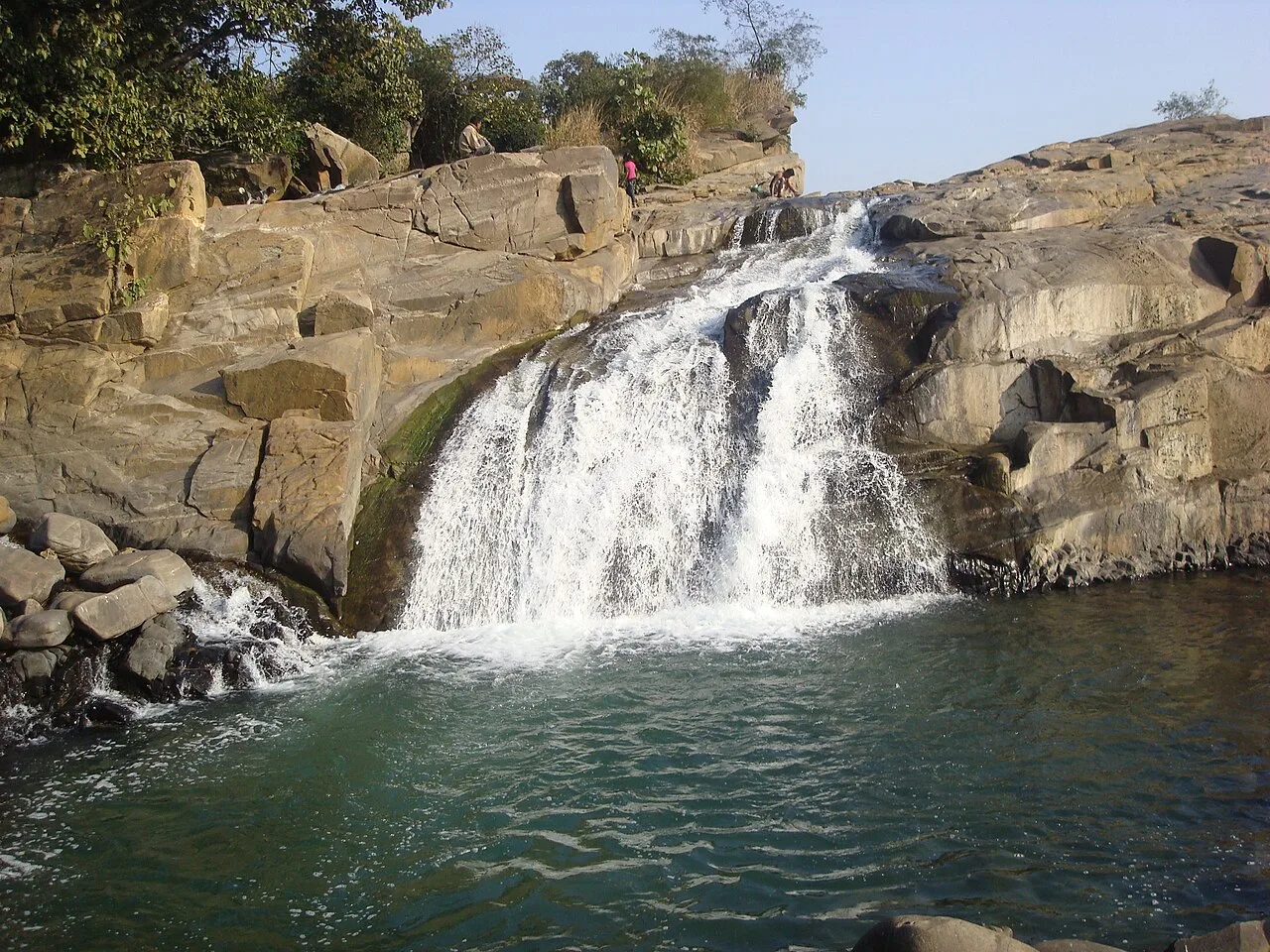
Usri Falls

91 km away · Giridih district

Usri Falls

Usri Falls is a waterfall in Giridih district, Jharkhand, visited by tourists and picnickers. The name Ushree means beautiful source.

Map

Dumka on the map

  1. 1Basukinath
  2. 2Maluti
  3. 3Trikut Hill
  4. 4Baidyanath Temple
  5. 5Maithon Dam
  6. 6Panchet Dam
  7. 7Khandoli Dam
  8. 8Usri Falls

Jharkhand

Other cities to explore