

Ghumoopedia — Explore, Discover, Experience
Sign in
Maithon Dam, near Chirkunda

City guide · Jharkhand

Chirkunda

Chirkunda is an industrial town in Dhanbad district, in the northeastern part of Jharkhand and close to the West Bengal border. Its identity is closely tied to the coalfields of the Damodar–Barakar basin: mining and related activity shape the surrounding landscape and connect the town to the wider Dhanbad economy.

Famous for

  • Coal-mining region
  • Mugma coalfields
  • Maithon Dam access
  • Barakar–Damodar landscape
In the city
2
District
Dhanbad

Why Chirkunda matters

Chirkunda is an industrial town in Dhanbad district, in the northeastern part of Jharkhand and close to the West Bengal border. Its identity is closely tied to the coalfields of the Damodar–Barakar basin: mining and related activity shape the surrounding landscape and connect the town to the wider Dhanbad economy. Chirkunda also serves as a local centre for nearby settlements and routes across the state boundary.

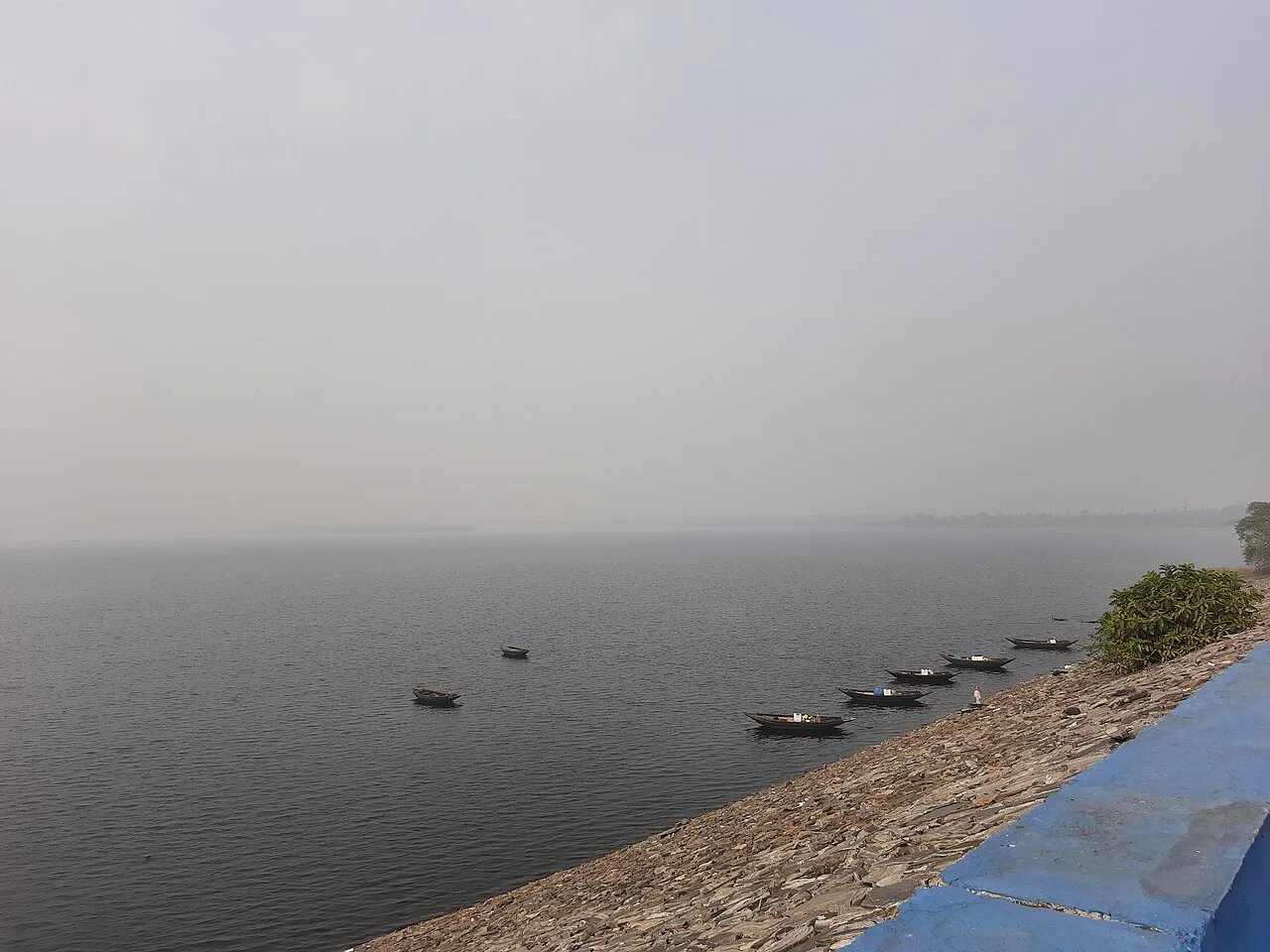
For visitors, the town is a practical base for exploring the region’s river scenery and major reservoirs. Maithon Dam and Panchet Dam are prominent nearby destinations, while the Barakar and Damodar rivers mark much of the area’s eastern and southern edges. The appeal is less about a concentration of monuments or resort facilities than about seeing an active coalfield landscape alongside broad water and hill-country views. Chirkunda is best approached as a working town and a gateway to this mix of industry, rivers and reservoirs.
Famous for: crafts, trade & products

Chirkunda is best known economically for its connection to coal mining rather than for a signature textile, handicraft or regional speciality product. The wider area includes the Mugma mining operations of Eastern Coalfields Limited, while parts of the surrounding coal belt are associated with Bharat Coking Coal Limited. Mining has influenced local employment, transport and commerce, although the town itself is also a service centre for nearby communities.

Local shops and markets are the most practical places to look for everyday clothing, household goods and food supplies. Chirkunda is not widely identified as a centre for a particular saree tradition, craft or GI-tagged product, so visitors seeking those should not expect a specialised shopping district. Small retailers and market streets serve residents and passing travellers; nearby towns may offer a broader choice. The area’s distinctive local character is more evident in its working coalfield setting and in trips towards Maithon and Panchet than in a dedicated craft or factory-tour circuit.

History

Chirkunda’s growth is closely linked to the development of coal mining across the Damodar–Barakar basin. During the colonial period, the expansion of coal extraction and rail transport helped turn parts of this region into an important industrial belt. Mining continued to shape settlement and employment in the decades that followed, and operations in the surrounding area remain part of the town’s economic context.

The town developed as a local centre within the wider Dhanbad coalfield rather than as a major royal capital or historic pilgrimage centre. Its position near the West Bengal boundary also tied it to movement between settlements and markets on both sides of the state line. Chirkunda is now a notified area in Dhanbad Sadar subdivision, with nearby mining and reservoir infrastructure forming part of its regional setting. It became part of Jharkhand when the state was formed in 2000.

Food, festivals & culture

Daily life reflects the mix of communities found across the Dhanbad borderland. Hindi and Bengali are commonly heard, alongside regional languages such as Khortha and Santali. Local meals draw on Jharkhand and neighbouring Bengali food traditions: rice, lentils, seasonal vegetables and snacks such as dhuska or litti may be found in the wider area. Sweets and familiar Bengali-style snacks are sold by local shops, though Chirkunda is not especially known for a single signature dish.

Hindu festivals include Durga Puja in autumn, Chhath after the main harvest and during the spring observance, and Holi and Diwali. Sarhul and Karma are important seasonal festivals in the broader region, while Eid is observed by Muslim communities. Celebration styles vary by neighbourhood and community, with devotional songs, processions and family gatherings. Temples, mosques and other local places of worship serve residents; visitors will find the town’s everyday religious life more readily than a major festival venue or performance circuit.

Visiting the city

The cooler months, roughly October to March, are generally the most comfortable for exploring Chirkunda and taking trips to the nearby reservoirs. Summers can be hot, and monsoon rain may affect outdoor plans. The nearest major airport is Kazi Nazrul Islam Airport at Andal, West Bengal; check onward transport before travelling. Kumardubi is a useful nearby railway station, while Dhanbad Junction is the main rail hub for the district.

Within Chirkunda, local roads and auto-rickshaws are practical for short journeys. Chirkunda Bazaar is a convenient area for everyday shops and food. Kumardubi and Mugma provide useful nearby stops, and Maithon Dam is a popular excursion from the town. Panchet Dam is another regional outing; allow time for road travel and check local conditions before setting out. The area is primarily a working town, so visitors should plan around their transport connections rather than expect a dedicated tourist district.

Attractions

Places to visit in Chirkunda

Sights within about 12 km of each other, even when they fall in different districts.

Map

Chirkunda on the map

  1. 1Maithon Dam
  2. 2Panchet Dam

Jharkhand

Other cities to explore