
Ghumoopedia — Explore, Discover, Experience
Sign in
Basukinath, near Basukinath

City guide · Jharkhand

Basukinath

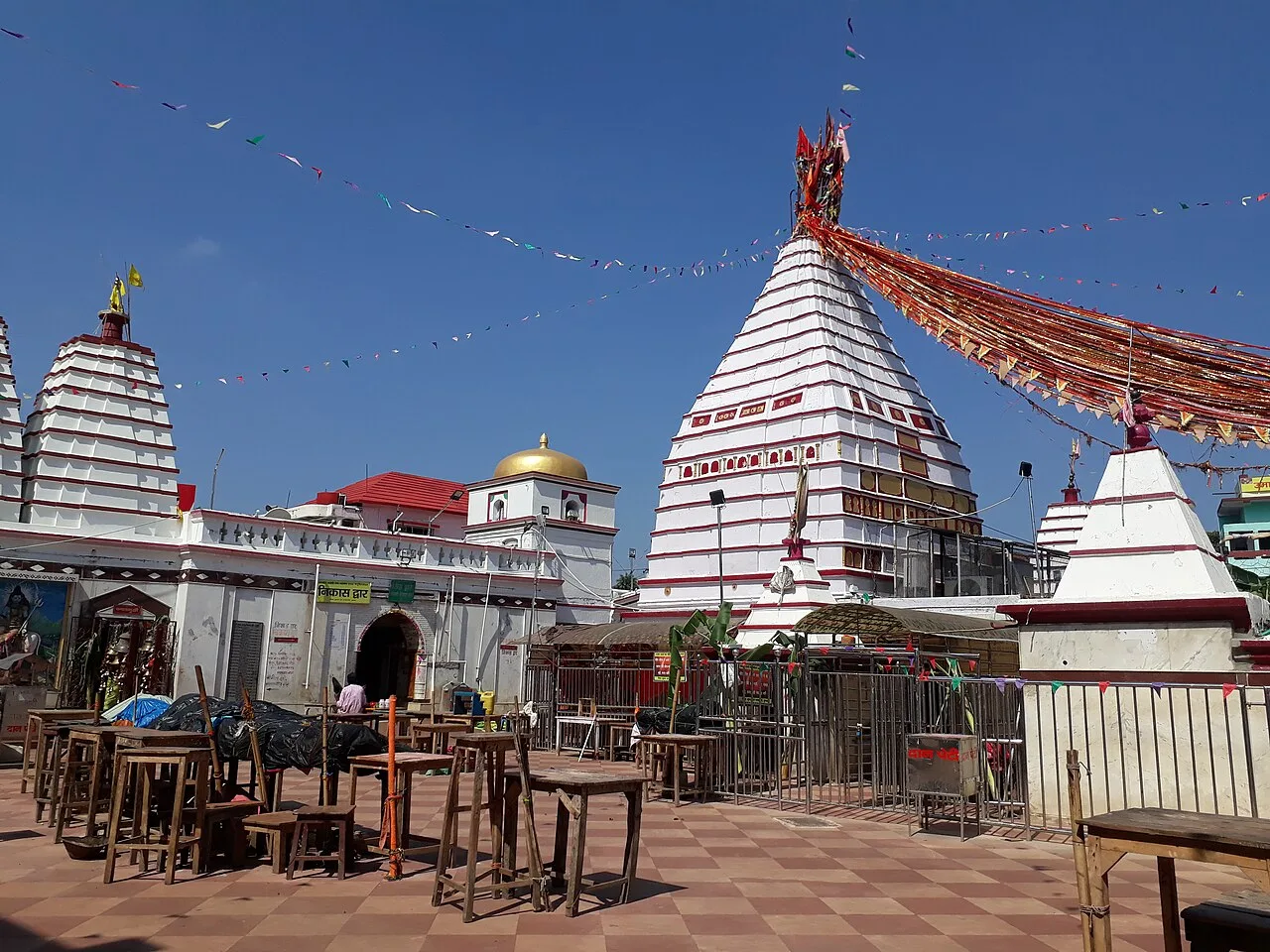
Basukinath is a temple town in Dumka district, in the Santhal Pargana region of Jharkhand. Its main landmark is Baba Basukinath Temple, a major place of worship dedicated to Shiva.

Famous for

  • Baba Basukinath Temple
  • Shravani pilgrimage
  • Shiva worship
  • Santhal Pargana setting
In the city
1
District
Dumka

Why Basukinath matters

Basukinath is a temple town in Dumka district, in the Santhal Pargana region of Jharkhand. Its main landmark is Baba Basukinath Temple, a major place of worship dedicated to Shiva. Pilgrims visit throughout the year, with especially large numbers arriving during the Hindu month of Shravan, usually in July and August. Many include Basukinath in a wider pilgrimage to Baidyanath Dham at Deoghar, making the town part of one of the region’s best-known religious journeys.

The town’s importance is primarily spiritual rather than commercial or industrial. The temple and the services around it shape the daily visitor experience, while Basukinath also serves nearby rural settlements. Its setting reflects the wider landscape of Dumka district: plateau country with low hills, alongside rolling uplands and the eastern hills of the region. Visitors come for darshan, festivals and the atmosphere of a working pilgrimage town. Outside peak religious seasons, Basukinath offers a quieter glimpse of life in the Santhal Pargana countryside.

Famous for: crafts, trade & products

Basukinath is best known for religious pilgrimage, not for a distinctive textile, handicraft or industrial tradition. The town is not widely recognised as a centre for GI-tagged goods or specialist craft production. Visitors looking for local items are most likely to find them in small shops and stalls around the temple and along the town’s main approach roads, where everyday necessities and pilgrimage supplies are sold.

During busy worship periods, vendors commonly cater to pilgrims with offerings and practical items for temple visits. These stalls are convenient for browsing, but they are not a substitute for a dedicated craft market. For a broader selection of regional goods, travellers can explore larger towns in Dumka district or the wider Santhal Pargana region. Basukinath’s local economy is closely linked to temple visits and services for worshippers; it is not known for large markets, textile mills or major industries. Shopping here is therefore best treated as part of the pilgrimage experience rather than a principal reason to visit.

History

Basukinath grew around its Shiva shrine, which has made the settlement a place of pilgrimage for generations. The temple’s religious importance is central to the town’s identity, although a detailed, well-established chronology of the shrine’s earliest development is not readily available. Its growth has followed the rhythms of worship and pilgrimage, with local services expanding to support visitors and devotees.

The surrounding area is part of Santhal Pargana, a region shaped by rural communities and a complex history of local rule and British administration. Basukinath’s story is best understood within that regional setting rather than through a documented sequence of rulers or major urban events specific to the town. In modern times it has continued as a temple-centred settlement and is recognised as a notified area in Dumka district. It became part of Jharkhand when the state was formed in 2000. Today, pilgrimage remains the clearest influence on its public life and local economy.

Food, festivals & culture

Religious life centres on Baba Basukinath Temple and the worship of Shiva. Shravan, usually falling in July and August, is the busiest pilgrimage season; Maha Shivaratri, generally in February or March, is another important occasion. Navratri is also observed in the region. Festival dates follow the Hindu calendar, so the corresponding dates on the Gregorian calendar change from year to year.

Hindi is widely used, alongside Santhali and other languages heard across the Santhal Pargana region, including Bengali. Everyday meals commonly draw on rice, lentils, vegetables and seasonal ingredients. Simple snacks and sweets are available from local eateries and stalls, though Basukinath is not especially known for a signature dish. Santhal cultural traditions, including community music and dance, are part of the wider district’s heritage; performances are more likely to be associated with community occasions than with a regular tourist programme. The temple precinct is the town’s main cultural gathering place, especially during pilgrimage periods.

Visiting the city

October to March is generally the most comfortable period for a visit, with milder weather. Shravan brings a particularly vivid pilgrimage atmosphere but also heavy crowds and monsoon conditions. Deoghar Airport is the nearest airport for many visitors. Basukinath railway station is the town’s rail stop; Dumka is another station to consider when planning a journey through the district.

Auto-rickshaws and local vehicles are practical for getting around, while the temple area is best explored on foot. Begin with Baba Basukinath Temple and its surrounding lanes, where shops and stalls serve worshippers. The town’s edges and nearby rural roads offer a quieter sense of the local landscape, though facilities can be limited outside the centre. Visitors combining Basukinath with other pilgrimage sites should allow time for road travel between towns and expect conditions to be busier during major religious observances.

Attractions

Places to visit in Basukinath

Sights within about 12 km of each other, even when they fall in different districts.

Map

Basukinath on the map

  1. 1Basukinath

Jharkhand

Other cities to explore