
Ghumoopedia — Explore, Discover, Experience
Sign in
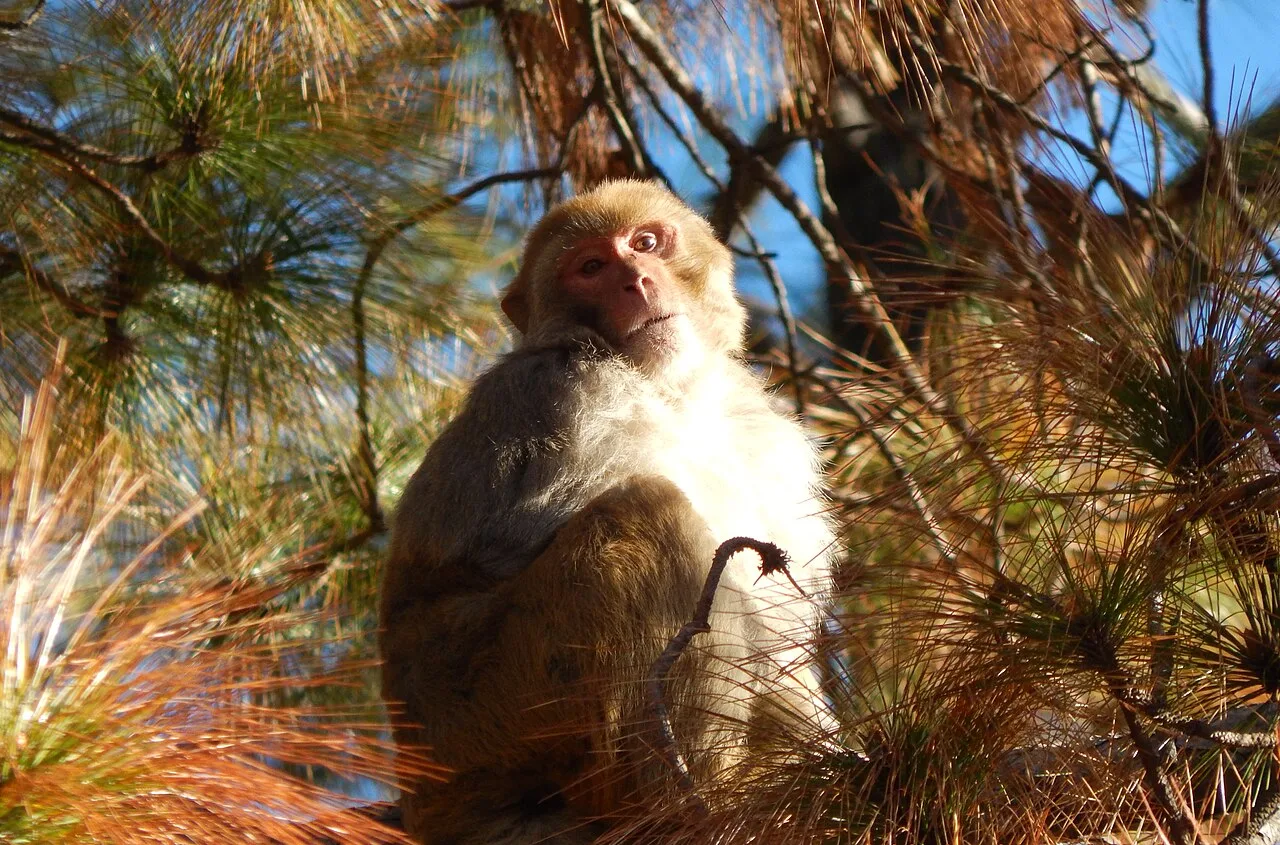
Betla National Park, near Medininagar

City guide · Jharkhand

Medininagar

Medininagar is the administrative centre of Palamu district and the headquarters of Palamu division in north-western Jharkhand. It serves as a hub for government services, trade and transport across the surrounding region.

Famous for

  • Palamu district headquarters
  • North Koel River
  • Betla National Park access
  • Kechki river confluence
  • Chero ruler Medini Ray
In the city
0
Nearby
2
District
Palamu
Plan a trip

Why Medininagar matters

Medininagar is the administrative centre of Palamu district and the headquarters of Palamu division in north-western Jharkhand. It serves as a hub for government services, trade and transport across the surrounding region. The city stands beside the North Koel River, and its railway station is still called Daltonganj, the name by which the city was known for much of its modern history.

For visitors, Medininagar is a practical base for exploring Palamu’s rivers, forests and historic landscapes. Betla National Park, part of the Palamau Tiger Project, is about 20 kilometres away and is known for its wildlife, including tigers. Kechki, roughly 18 kilometres from the city, draws visitors to the meeting of the Koel and Auranga rivers. The forested plateau of Netarhat is another regional excursion. Medininagar’s importance lies less in a single signature craft or attraction than in its role as the gateway to these destinations and as the service centre for the district.
Famous for: crafts, trade & products

Medininagar is not widely identified with a particular textile, handicraft or GI-tagged product. Its best-known role is as Palamu’s administrative and commercial centre, serving residents and travellers from nearby towns and rural areas. Local markets are useful for everyday shopping and for seeing the ordinary exchange of produce and household goods, but the city is not especially known as a specialist destination for a particular craft or branded product.

The wider Palamu region has forested landscapes and rural livelihoods, but visitors should not assume that a particular forest product or craft is unique to Medininagar. For locally made goods or regional produce, browse the central market areas and ask vendors about the origin of items; availability can vary. The city’s railway station, still bearing the name Daltonganj, and its district and divisional offices are among its most recognisable institutions. For travellers, the more distinctive local draw is the surrounding landscape: the North Koel riverfront and excursions towards Betla and Kechki, rather than a dedicated shopping quarter or a celebrated city-made product.

History

The city’s earlier name, Daltonganj, dates to the British Raj and commemorated Colonel Edward Tuite Dalton, an Irish-born officer and anthropologist who served as commissioner of Chota Nagpur. Its later name, Medininagar, honours Raja Medini Ray of the Chero dynasty, connecting the modern city with the region’s pre-colonial history. Jharkhand’s state government changed the city’s name in 2004, while the railway station retained the name Daltonganj.

Medininagar grew as an administrative and transport centre for Palamu. Its position on the North Koel River and its rail and road links helped connect the district with other parts of Jharkhand and neighbouring states. It now serves as the headquarters of Palamu district and Palamu division, as well as the centre of a subdivision and block. The municipal corporation was formed in 2015, reflecting the city’s role as a growing urban centre in the region.

Food, festivals & culture

Everyday food in Medininagar draws on the wider cooking traditions of Jharkhand and neighbouring regions. Rice, lentils and seasonal vegetables are common staples; dishes such as dhuska, pittha and litti-style preparations may be found alongside familiar snacks and sweets. Food choices vary between homes, street stalls and eateries, so no single dish defines the city. Local markets offer a good glimpse of daily life and seasonal produce.

Hindu festivals such as Chhath, usually observed in autumn, and Sarhul and Karma, associated with spring and the monsoon season, are celebrated in the region. Holi and Diwali are also widely observed, while Muslim communities mark Eid. Hindi is widely used, with Urdu and regional speech varieties heard in the city and surrounding areas. Religious life includes Hindu temples and Muslim places of worship; music and dance at community celebrations reflect both local Jharkhand traditions and broader influences from neighbouring states.

Visiting the city

The cooler months, roughly October to March, are generally the most comfortable time to visit. Summer can be hot, while monsoon rains bring greener scenery but may affect outdoor plans. The nearest airport is Birsa Munda Airport in Ranchi, about 165 kilometres away. The main rail gateway is Daltonganj railway station, the station’s official name despite the city now being called Medininagar.

Road connections link the city with Ranchi, Patna, Varanasi and other regional centres. Within Medininagar, visitors can use local taxis, auto-rickshaws and other local transport; arrange onward travel to Betla or Kechki separately. Explore the central market and civic areas for a sense of the city, then head towards the North Koel riverfront or use Medininagar as a base for nearby nature trips. Chianki airstrip is south of the city and is not a regular passenger airport.

Short trips

Around Medininagar

Within about 40 km — easy half-day or day trips from the city.

Map

Medininagar on the map

  1. 1Betla National Park
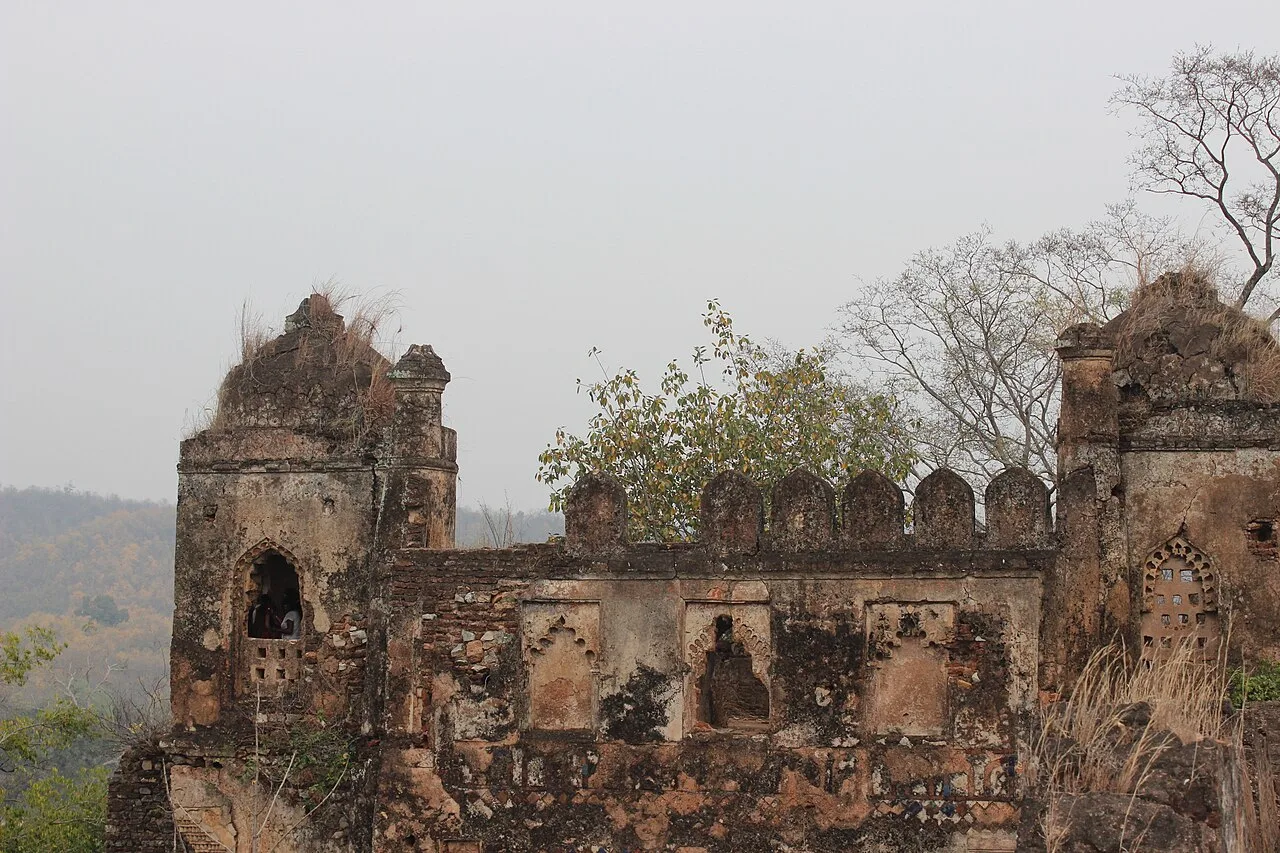
  2. 2Palamu fort

Jharkhand

Other cities to explore