Ghumoopedia — Explore, Discover, Experience
Sign in
Bokaro Steel City, near Bokaro

City guide · Jharkhand

Bokaro

Bokaro is one of Jharkhand’s principal industrial centres, best known for Bokaro Steel Plant and the planned township that grew around it. The wider urban area includes neighbouring Chas, an older commercial centre whose markets and services connect the steel township with settlements across the district.

Famous for

  • Bokaro Steel Plant
  • Steel City township
  • Coal and power industries
  • Chas trading markets
  • Damodar Valley landscapes

Why Bokaro matters

Bokaro is one of Jharkhand’s principal industrial centres, best known for Bokaro Steel Plant and the planned township that grew around it. The wider urban area includes neighbouring Chas, an older commercial centre whose markets and services connect the steel township with settlements across the district. Steelmaking, coal mining and power generation remain central to the local economy, while Bokaro also serves as a regional hub for education, healthcare and transport.

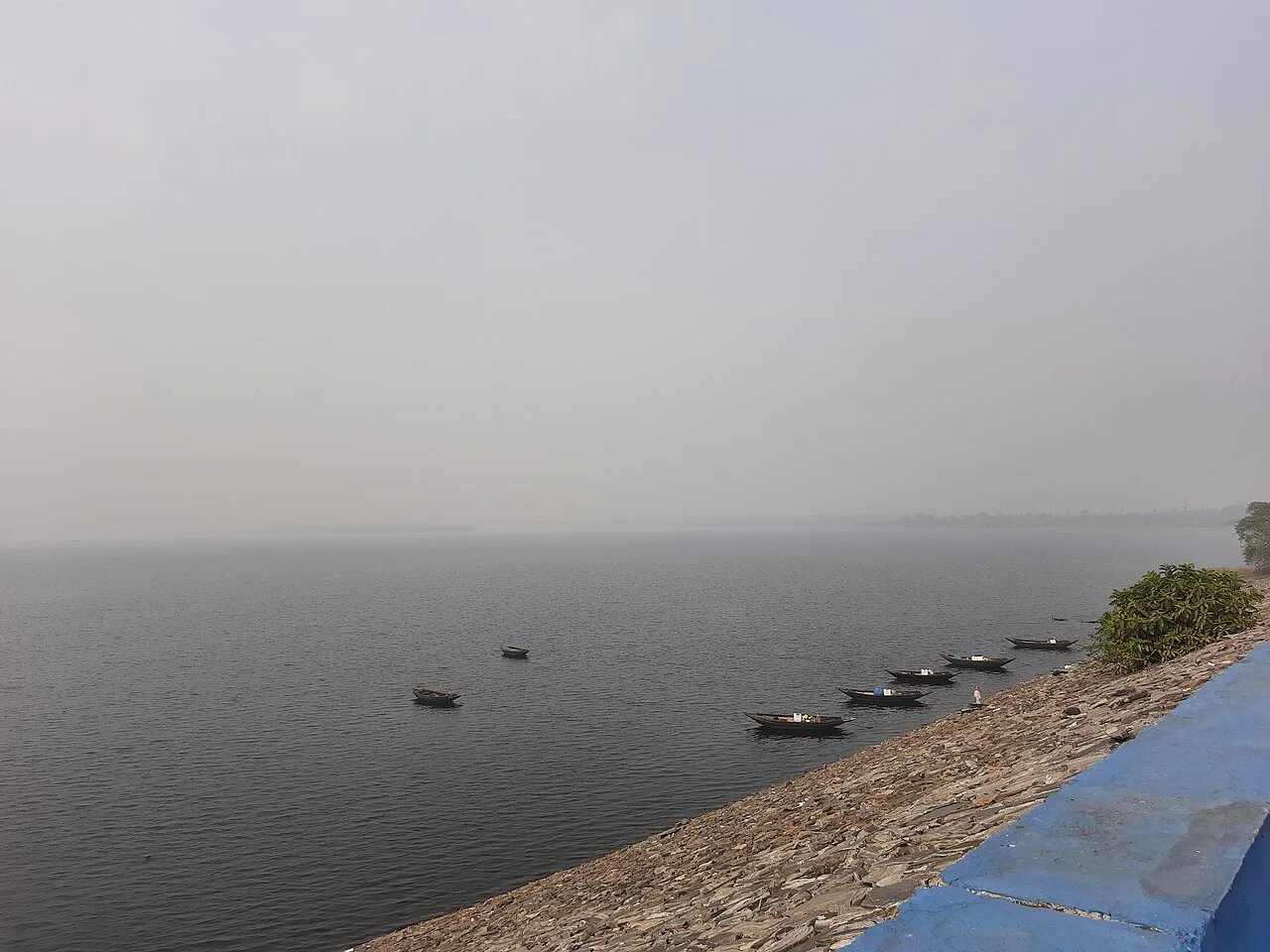
Visitors come for the city’s parks and lakes, its industrial identity and access to the broader Damodar valley. City Park and Jawaharlal Nehru Biological Park offer green space within the township; Garga Dam is another popular outing. Beyond the urban area, the district’s plateau landscape includes the Damodar and Konar river valleys, forested uplands and Tenughat Dam. Bokaro is not primarily a traditional craft or resort destination: its character lies in the contrast between a planned industrial city, Chas’s busy trading streets and the natural scenery around them.
Famous for: crafts, trade & products

Bokaro is most closely associated with steel. Bokaro Steel Plant, operated by Steel Authority of India Limited, is a major industrial institution and a defining presence in the city. Coal from the wider district and thermal power generation are also important parts of the local industrial economy. Bokaro Thermal, on the Konar River, grew around the Bokaro Thermal Power Station; the area is often referred to locally as BTPS.

The city is not widely known for a distinctive textile, handicraft or GI-tagged product. For everyday shopping, visitors can look around Sector 4 City Centre and other sector markets in the township, while Chas’s bazaar serves as a busy centre for groceries, clothing, household goods and local trade. These are practical places to browse regional produce and daily wares rather than specialist craft galleries. Bokaro’s major institutions and products are industrial: the steel plant, power facilities and related services shape its public identity more than a particular souvenir or artisanal tradition.

History

The Bokaro region forms part of the Chota Nagpur Plateau, where local communities, farming settlements and forested uplands long predated the modern industrial city. Under British rule, coal extraction expanded in the wider belt, helping establish mining as an important influence on the region’s economy. Chas developed as a market town serving nearby settlements and remains a commercial centre alongside the newer township.

The modern city took shape around large public-sector projects in the decades after Indian independence. The Damodar Valley Corporation established a thermal power station at Bokaro, and Bokaro Steel Plant was set up in the mid-1960s. Its development drew workers and specialists from across India and led to the planned sectors, civic facilities and neighbourhoods that distinguish Bokaro Steel City. Steel production, power generation and the surrounding coal economy continued to shape urban growth. Today, Bokaro and Chas function as closely connected centres within Bokaro district, combining an industrial township with an established regional marketplace.

Food, festivals & culture

Bokaro’s food reflects the wider cuisines of Jharkhand and neighbouring eastern India. Everyday meals commonly include rice, lentils, vegetables and seasonal greens. Dhuska, litti-chokha, pittha and thekua are familiar regional favourites, though menus vary among households and eateries. Chas markets and the township’s restaurants offer a mix of local dishes and broader North Indian and Bengali-influenced choices.

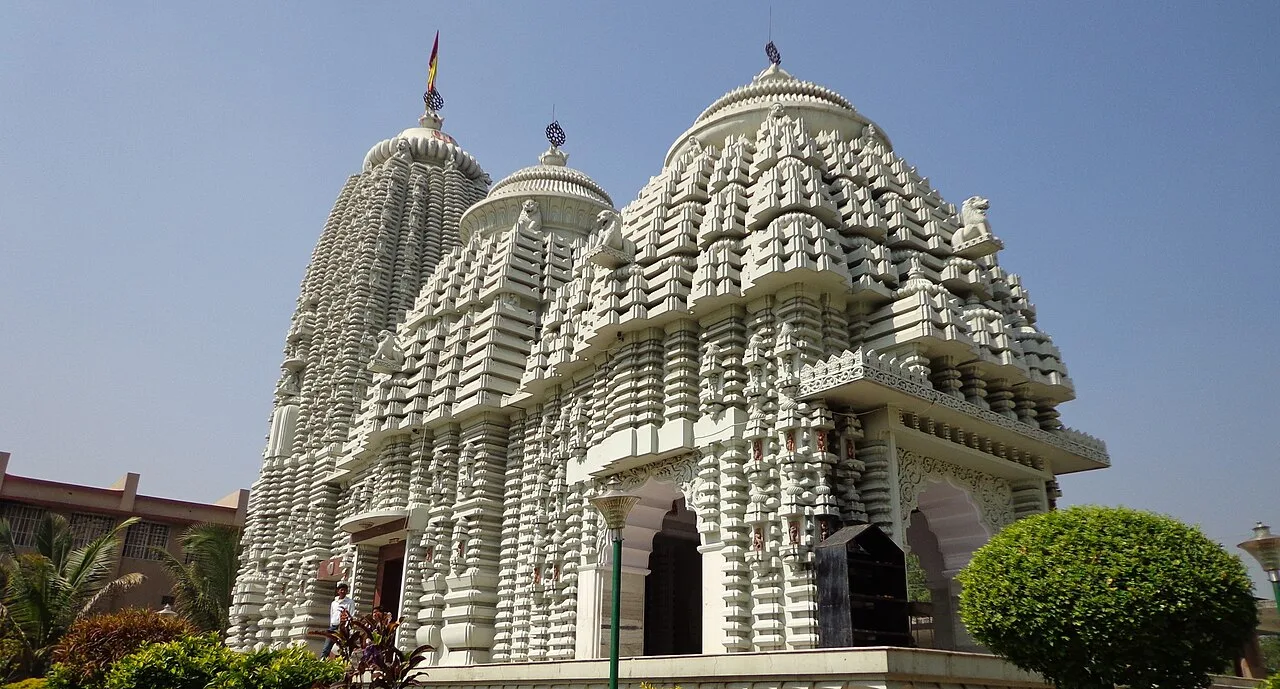
The city’s communities celebrate festivals including Chhath, usually in autumn, and Sarhul and Karma, associated with spring and the monsoon season. Durga Puja, Diwali, Holi and Eid are also observed, with public celebrations and neighbourhood gatherings. Hindi is widely used, alongside languages such as Bengali, Urdu, Santali and regional varieties spoken by residents. Folk music and dance traditions from Jharkhand, including forms associated with tribal festivals, are part of the wider cultural life. Temples, mosques and churches serve the city’s diverse communities; the township’s Jagannath Temple is among its places of worship.

Visiting the city

The cooler months, from roughly October to March, are generally the most comfortable time to visit; summer days can be hot and the monsoon brings rain. For scheduled flights, travellers generally use Birsa Munda Airport in Ranchi. Bokaro Steel City railway station is the main rail gateway for the city. Check current transport connections before setting out.

Auto-rickshaws, taxis and local buses connect the railway station, township sectors and Chas. Sector 4 City Centre is a useful area for shops and restaurants, while Chas offers a busier market-town atmosphere. City Park and Jawaharlal Nehru Biological Park are popular leisure stops; Garga Dam makes a scenic excursion outside the central sectors. Industrial visits may require advance arrangements, so do not assume that plant facilities are open to casual visitors.

Trips from the city

Nearest places to visit from Bokaro

Our closest destination guides, by straight-line distance.

Bokaro Steel City

0 km away · Bokaro district

Bokaro Steel City

Bokaro Steel City is a planned industrial centre in Jharkhand. Visitors come for its zoo, dam, parks and shopping mall, while the city is also known for its steel industry.

Shikharji

32 km away · Giridih district

Shikharji

In Jharkhand’s Giridih district, Shikharji—also called Sammet or Sammed Shikharji—is a major Jain sacred destination, visited because tradition holds that many spiritual teachers attained liberation there.

Parasnath

33 km away · Giridih district

Parasnath

Parasnath is a summit in Jharkhand’s Giridih district and part of the range that bears its name. People visit Shikharji, the Jain pilgrimage site on the summit, linked to Parshvanatha.

Rajrappa

45 km away · Ramgarh district

Rajrappa

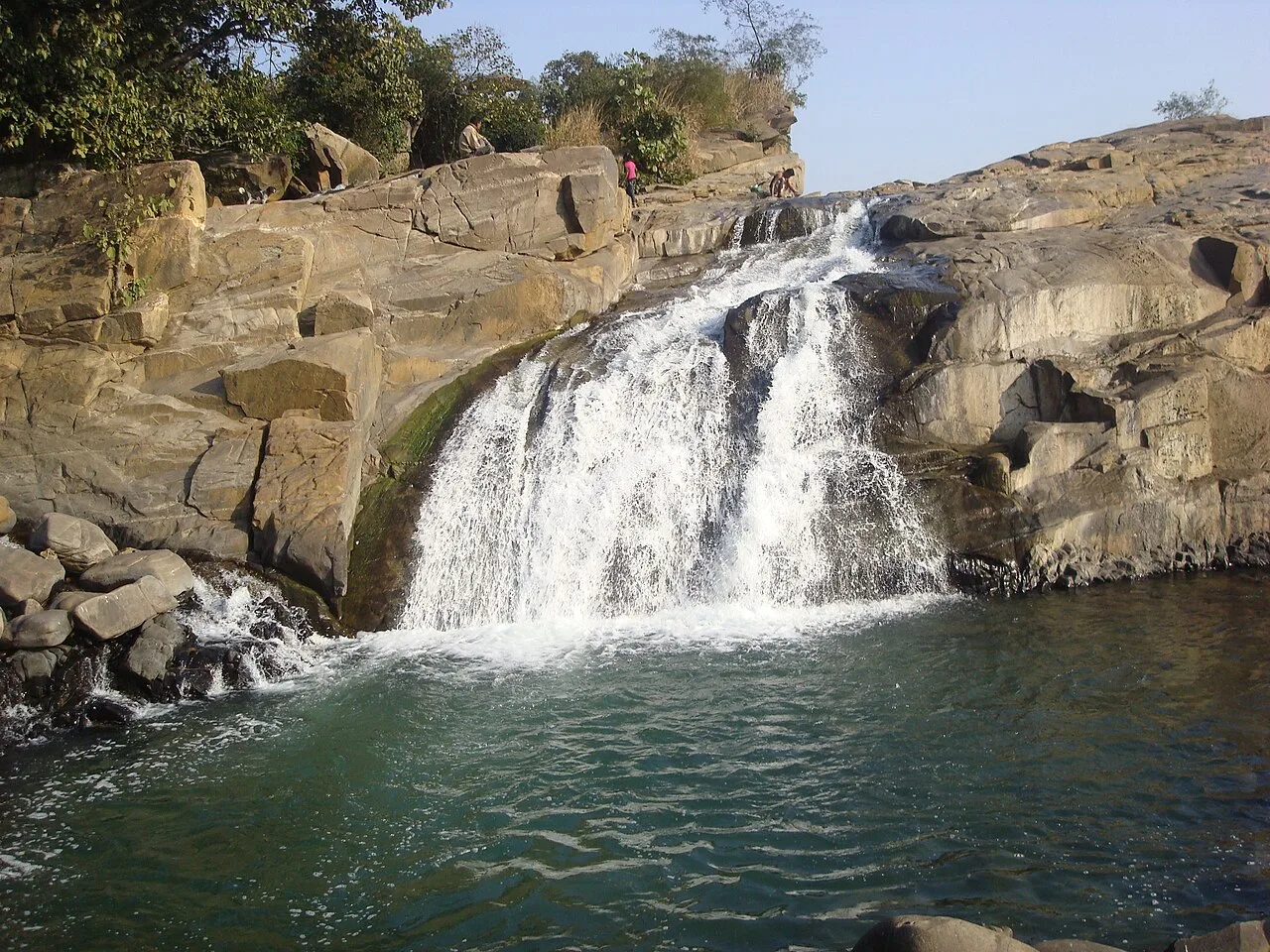
Rajrappa, in Jharkhand’s Ramgarh district, is known for its waterfall and pilgrimage role, bringing together a natural feature and a place of religious significance.

Konar Dam

49 km away · Hazaribagh district

Konar Dam

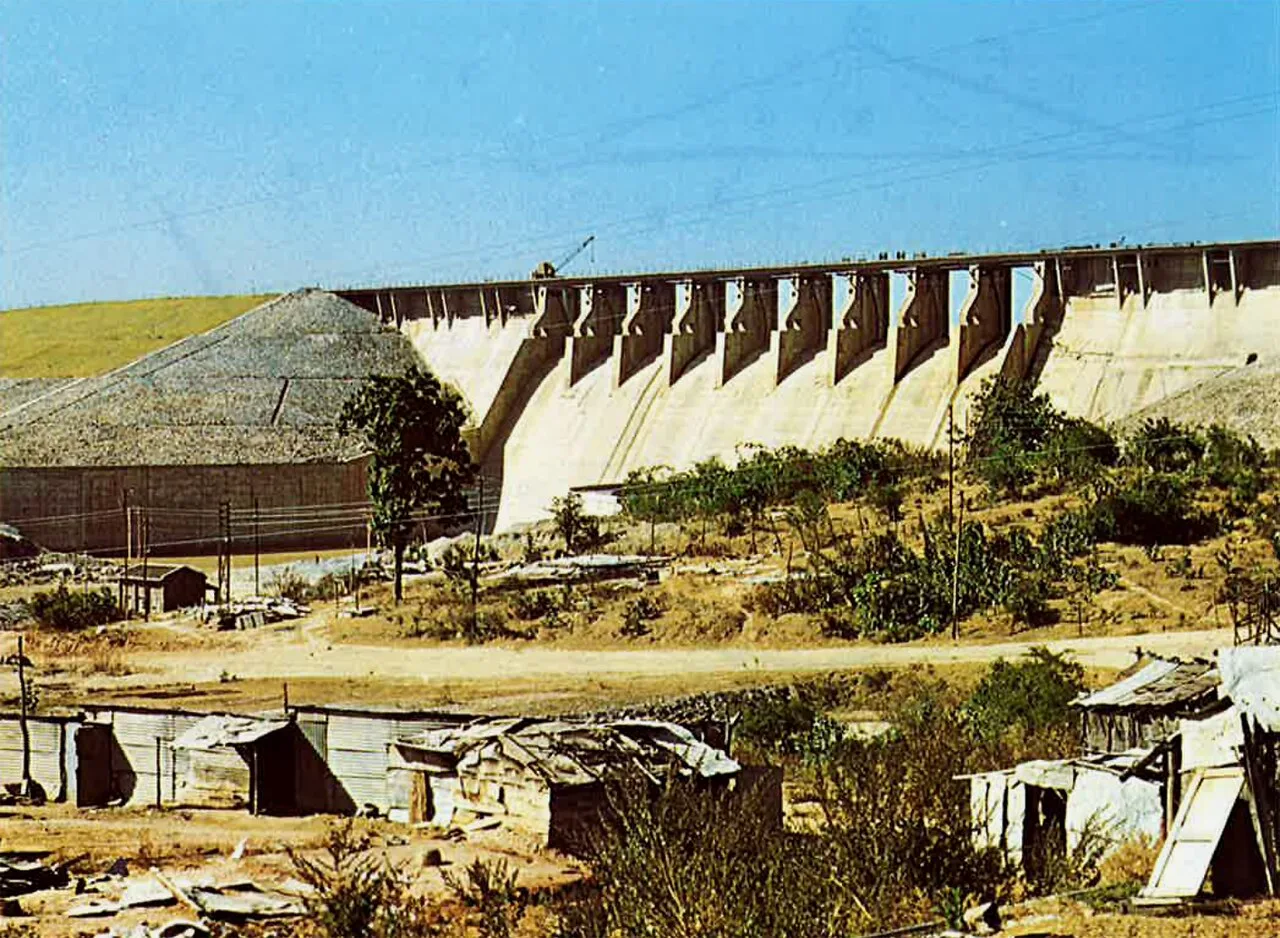
Konar Dam is a multipurpose dam in Jharkhand’s Hazaribagh district, built on the Konar River as part of the Damodar Valley Corporation’s first-phase programme. Visitors come to the area for recreation.

Usri Falls

52 km away · Giridih district

Usri Falls

Usri Falls is a waterfall in Giridih district, Jharkhand, visited by tourists and picnickers. The name Ushree means beautiful source.

Hundru Falls

57 km away · Ranchi district

Hundru Falls

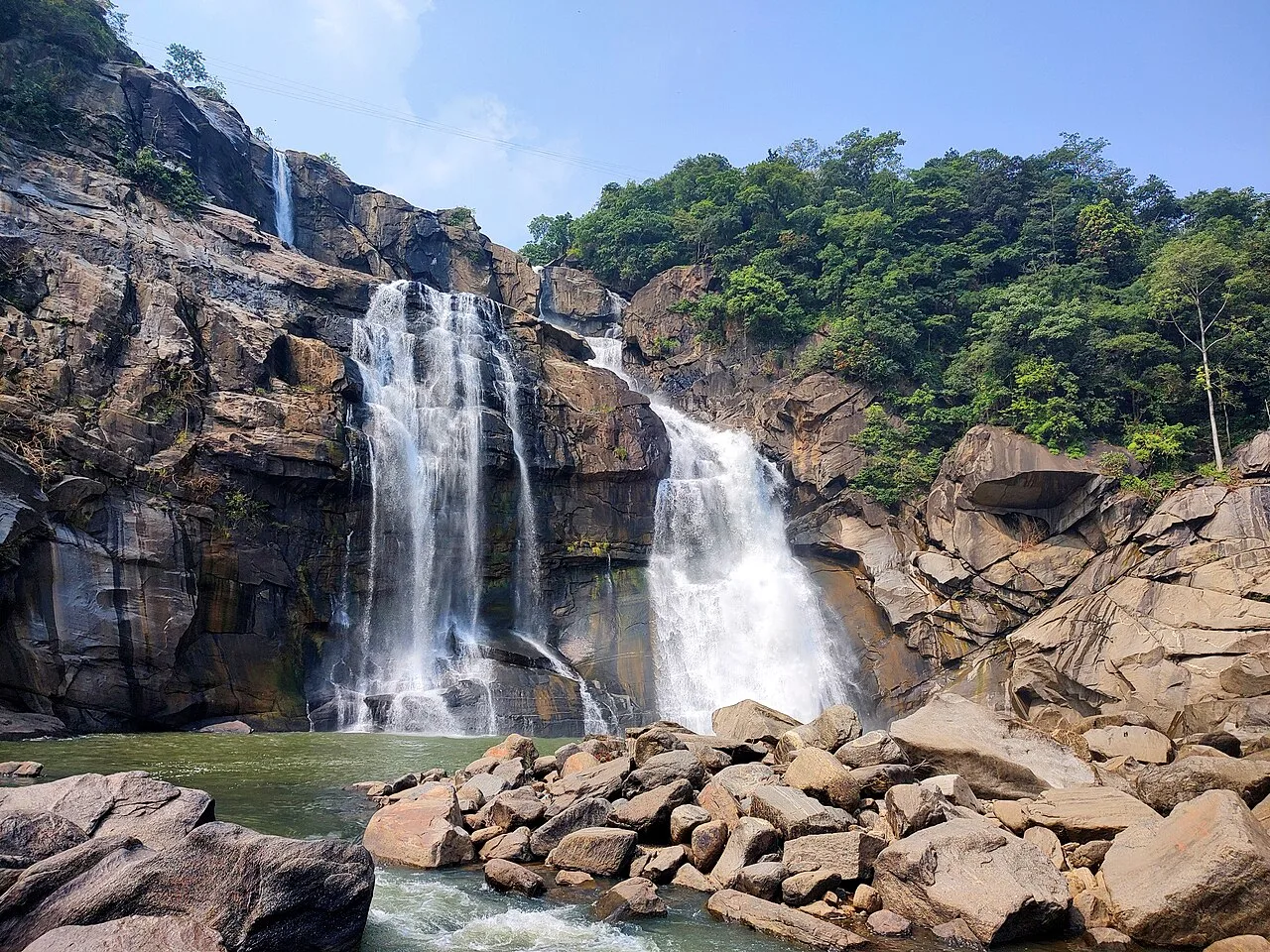
Hundru Falls is a waterfall in Ranchi district, Jharkhand, ranked 34th among India’s waterfalls and known as a prominent visitor attraction in its region.

Panchet Dam

61 km away · Dhanbad district

Panchet Dam

Panchet Dam is a multipurpose structure on the Damodar River in Jharkhand. Visitors come to see the dam and its place in the opening stage of the DVC’s development programme.

Map

Bokaro on the map

  1. 1Bokaro Steel City
  2. 2Shikharji
  3. 3Parasnath
  4. 4Rajrappa
  5. 5Konar Dam
  6. 6Usri Falls
  7. 7Hundru Falls
  8. 8Panchet Dam

Jharkhand

Other cities to explore