
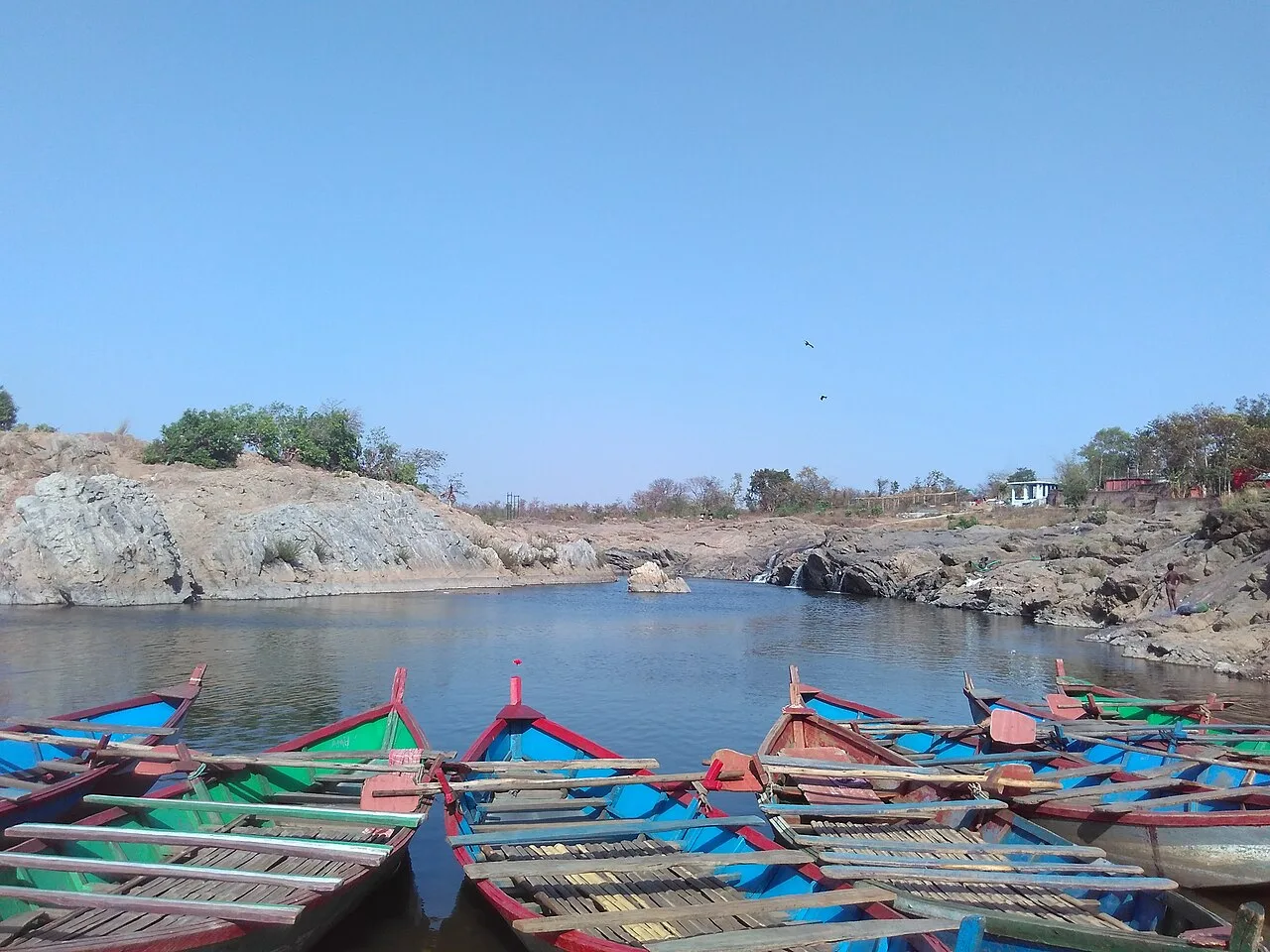
Rajrappa
Rajrappa, in Jharkhand’s Ramgarh district, is known for its waterfall and pilgrimage role, bringing together a natural feature and a place of religious significance.
Key facts · verified by Ghumoopedia editors
- Type of place
- Temple / pilgrimage site
- Best time to visit
- October to February for sightseeing; July to September for waterfalls at full flow (expect slippery paths)
- Nearest railway station
- Ramgarh Cantonment · about 20 km (straight line)
- Verified
- 21 Nov 2026
Plan a trip from Rajrappa — a day-by-day route through places nearby.
Rajrappa lies in Chitarpur community development block, within the Ramgarh subdivision of Jharkhand’s Ramgarh district. The place is associated with a waterfall and serves as a pilgrimage destination, giving it both a natural and a religious character. Visitors come to Rajrappa for these two aspects: the waterfall and the chance to make a pilgrimage. In administrative terms, it is in Jharkhand, within Ramgarh district; more specifically, it is in Chitarpur block, part of the Ramgarh subdivision. These details locate the same place at state, district, subdivision and block levels. Jharkhand is the land of forests, waterfalls and Adivasi communities such as the Santhal, Ho and Munda, with major pilgrimages at Baidyanath Dham (Deoghar) and Shikharji (Parasnath). Jharkhand has hot summers from March to June, a monsoon from June to September when the waterfalls are at their fullest, and cool winters from November to February; the Netarhat plateau stays pleasant for much of the year. The usual best time to visit is October to February for sightseeing; July to September for waterfalls at full flow (expect slippery paths). Timings, fees and access arrangements must be confirmed locally. For official information, see Jharkhand Tourism at https://www.jharkhandtourism.gov.in.
Why it matters
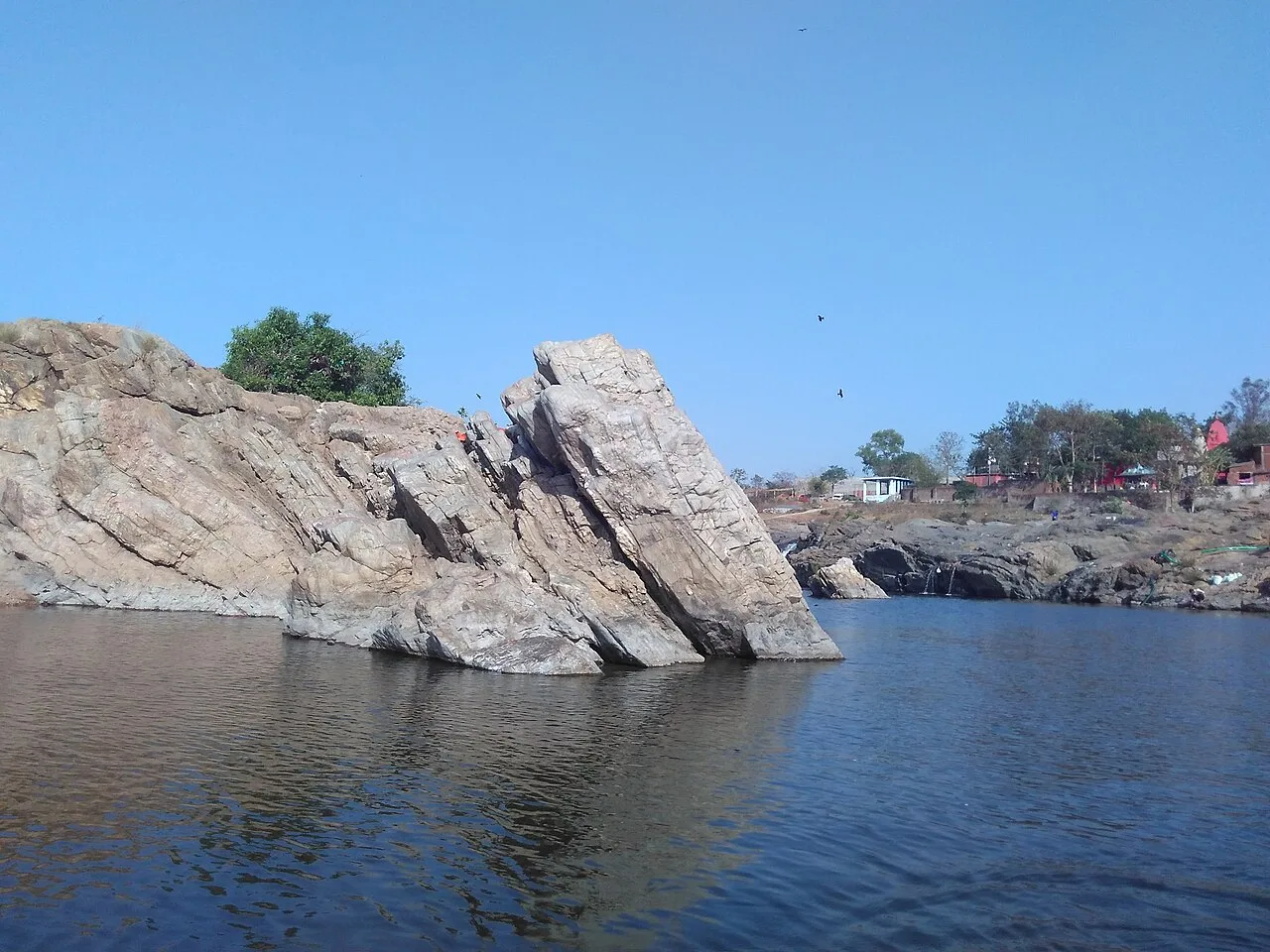
Rajrappa is a pilgrimage centre and waterfall in the Chitarpur CD block of Ramgarh district, Jharkhand. Its temple is dedicated to Chhinnamasta, a form of the Goddess worshipped in Shakta traditions, and draws devotees from the region and beyond. The meeting of the Damodar and Bhairavi rivers gives the site additional importance as a river landscape and a place of worship. Visitors often combine prayer with time at the nearby waterfall and riverbanks, where conditions can be hazardous. Rajrappa is important locally and regionally, but no UNESCO or Archaeological Survey of India designation is established by the available guide information; check current official sources for any recognition or protection status.
A precise founding date, named builder or continuous written history for the Rajrappa temple is not established in the available guide information. The shrine is associated with longstanding regional worship of Chhinnamasta, but accounts that describe it as ancient should be understood as tradition unless supported by documentary evidence. The temple’s setting at the meeting of the Damodar and Bhairavi rivers has helped make it a place of pilgrimage as well as a destination for visitors to the waterfall. The site serves worshippers today through its shrine, ritual spaces and surrounding visitor area. As with many active temples, buildings and visitor arrangements may have changed over time to meet the needs of devotees; specific construction phases or restoration dates should not be assumed without local records. The temple and river landscape are part of contemporary religious life in Ramgarh district. For details about the shrine’s custodians, documented history or any conservation work, visitors can ask the temple caretakers or consult local authorities.
Origin stories & folklore
According to a widely known Shakta tradition, Chhinnamasta is the self-decapitated form of the Goddess. In the story, she cuts off her own head to feed her attendants, often named Dakini and Varnini, while streams of blood flow to them and to the Goddess herself. The image expresses ideas of sacrifice, life force and the cycle of nourishment and death; interpretations vary among worshippers and traditions. Local devotees may connect the shrine’s presence with the sacred character of the rivers and the surrounding landscape. Such accounts belong to religious belief and oral tradition rather than a verifiable historical record. Visitors should receive them respectfully and avoid presenting one version as the only explanation.
Architecture & design
Rajrappa’s temple is an active place of worship set close to the meeting of the Damodar and Bhairavi rivers, with the nearby waterfall forming part of the wider setting. Visitors encounter a principal shrine and areas used for prayer and offerings, along with surrounding spaces that serve pilgrims. The arrangement is functional as well as devotional, and access or circulation may be affected by worship, crowds and river conditions. The available guide does not establish a specific architectural period, named style, builder or construction material for the temple, so these should not be inferred from appearance alone. The complex has been adapted for ongoing use, but details of building phases or engineering works require confirmation from local sources. The riverbanks and waterfall are natural features, not architectural elements; their proximity makes caution important, especially during the monsoon.
Important objects & sculptures
The central object of worship is the image of Chhinnamasta in the shrine. In common iconography, the Goddess is shown headless, holding her severed head, with streams of blood feeding attendant figures; the exact form and details visible at Rajrappa should be checked in person, as access and viewing conditions can vary. Devotees may also encounter offerings and ritual items used during worship. Do not assume that every image, carving or object is an ancient artefact, or that it may be touched or photographed. The available guide does not document a collection of inscriptions or museum displays. Ask caretakers about the significance of objects and observe any restrictions around the sanctum.
Religious significance
Rajrappa is a Shakta pilgrimage site dedicated to Chhinnamasta, a fierce and revered form of the Goddess. Worshippers visit to pray, make offerings and take part in rituals led or permitted by the temple’s religious custodians. Practices and access to particular areas may differ according to the day, the ritual being performed and local rules. For many devotees, the shrine is a place to seek the Goddess’s protection, blessings or fulfilment of prayers. The confluence and waterfall also contribute to the site’s sacred meaning for some visitors, though river activities should never be treated as automatically safe or permitted. Visitors who are not participating in worship can observe quietly, follow instructions and allow worshippers space.
Visit Rajrappa with time to observe daily prayers and rituals respectfully. Follow the posted rules on footwear, photography, head covering and dress, and avoid interrupting worshippers. Ask caretakers which areas are open to visitors, and beware of unofficial 'guides' asking for donations. A comfortable itinerary is one main visit in the morning, a local meal at midday and a short nearby stop before an afternoon return. Use the district list on this site to find other places in Ramgarh, but check the route and its condition before combining stops. If a festival or fair is on — such as the Shravani Mela at Deoghar or Sarhul — roads and stays can be busy, and the experience can be unforgettable. Leave no litter: many sites are protected by the communities around them.
Suggested itineraries
Half day: Visit the temple and observe worship respectfully (about 1–2 hours); take a cautious look at the river and waterfall viewpoints (about 30–60 minutes); have a local meal before returning. Full day: Begin with the temple visit (about 1–2 hours); spend time at safe river viewpoints (about 1 hour); pause for lunch and rest (about 1 hour); add a nearby Ramgarh-district stop such as Patratu Dam or Valley, allowing for road conditions and travel time. Gentler option: Keep to the temple’s accessible visitor areas, take seated rest breaks and skip uneven riverbank paths.
Rajrappa is a living pilgrimage site, where devotional practices take place alongside everyday visitor activity. Hindi is widely useful for communication; other languages spoken in the district and region include local varieties such as Khortha, as well as tribal and other community languages. The wider state is home to Adivasi communities, but visitors should not assume that a single community or custom represents everyone at the shrine. Offerings, prayer and respectful conduct are central to the visitor experience. The temple’s soundscape and activity can become busier during festivals. Ask before photographing people, rituals or vendors, and avoid treating worship as a performance. Local food and market customs are best explored with courtesy and without bargaining in a way that disrupts religious activity.
Festivals & events
The temple receives worshippers throughout the year, with larger gatherings commonly associated with Navratri, observed in the spring and autumn. Hindu festival periods can bring longer waits, crowded approaches and busier local transport. Other observances may be marked by devotees or the temple, but their arrangements can vary from year to year. Confirm locally before planning around a particular event, and allow extra time for travel and entry. The Shravani Mela is associated with Deoghar, not specifically with Rajrappa; visitors should not assume its activities take place here.
Local food in Jharkhand includes dhuska, rugra (bamboo shoot and mushroom dishes), handia (rice beer, offered by tribal communities), litti, arsa roti, pittha, chilka roti and mahua-based preparations. Ask what is fresh that day; many small eateries cook a limited daily menu. Vegetarian travellers eat very well across this region, and most towns also have non-vegetarian options. Remote sites may have no restaurant at all. Carry water and snacks, eat a proper breakfast before long drives, and ask your accommodation for a packed lunch if you are heading out early. If prasad or langar is offered, accept it according to local custom. Choose busy, clean places, drink sealed or filtered water, and carry your packaging back with you.
Shopping & local experiences
Small local sellers may offer flowers, other worship offerings, refreshments and simple devotional souvenirs near the temple. Availability and selection vary, particularly outside busy pilgrimage periods. Ramgarh town may provide a broader choice of everyday goods and local market shopping. Try regional snacks or a meal from a local eatery, checking ingredients and food-handling conditions as you would anywhere. Buy respectfully, avoid disposable plastic where possible, and do not remove stones, plants or other material from the river landscape as souvenirs.
October to February for sightseeing; July to September for waterfalls at full flow (expect slippery paths)
The nearest principal railway station by straight-line distance is Ramgarh Cantonment, roughly 20 km away. The nearest operating airport by straight-line distance is Birsa Munda Airport, Ranchi, roughly 55 km away. These figures are calculated from map coordinates — actual road distance is longer. Ranchi, Dhanbad, Tatanagar (Jamshedpur), Bokaro and Gomoh are the main rail gateways, and Ranchi, Deoghar and Durgapur have airports. For the final leg, Jharkhand State Transport buses, private buses and shared Sumo and Bolero jeeps link district towns; shared jeeps usually leave early in the morning. A private taxi gives more flexibility for remote sites. When comparing train, bus and flight, count the complete door-to-door time: a flight saves the most time only if the onward road transfer is short, while an overnight train can save a hotel night. Book your return before you leave, because seats fill quickly on weekends, festivals and holidays. Current train numbers, timings, return services and fares are not listed here; check IRCTC and NTES for trains and the airline's own schedule for flights. No permit is needed to visit Jharkhand. Some forest and mining areas have check posts, and a few interior pockets are affected by Left-wing extremism — check current advisories with your host or the district administration before travelling to remote areas, and avoid travelling on isolated roads after dark.
Confirm onward and return timings on IRCTC / NTES, the state bus operator or your airline before travel. A dash means current timings or fares have not been verified.
Getting around
On arrival, visitors can use a private taxi or locally available shared vehicles to reach the temple area; availability can vary, so arrange a return journey in advance if needed. Local buses and shared jeeps link district towns, but services may be less convenient for the final leg. Walking is necessary within parts of the site and around the river setting. Check where vehicles may park and whether access is restricted during busy festivals. Avoid approaching the water’s edge without checking local safety advice, particularly after rain or during high flow.
Hours, tickets & permissions
Entry arrangements may vary with worship, festivals, crowd management and conditions around the river. There may be rules about access to the shrine, footwear, offerings, photography or participation in rituals; follow notices and instructions from temple staff. Do not rely on informal claims about entry arrangements. Confirm current opening information, any fees, camera rules and access conditions with the temple’s managing authority or caretakers before travelling. No specific hours or prices are stated here.
Facilities
Facilities at the temple and in the surrounding area may include basic toilets, drinking-water points, food stalls or small eateries and places to park, but provision and upkeep can vary. Check locally before relying on any particular service. Shops may sell offerings and refreshments. Do not assume that an ATM, formal visitor centre, trained guide or medical facility is available on site; carry essential medication and enough water for the journey. During festivals, facilities can be crowded, and waste bins may be limited.
Accessibility
The temple visit may involve walking across uneven ground, steps or thresholds, and crowded areas can make movement difficult. Paths near the river and waterfall can be slippery, particularly during the monsoon, and may not be suitable for wheelchairs or strollers. Older visitors may prefer to keep the visit to the main shrine area, use support from a companion and avoid riverbank routes. Shade and resting places can be limited or busy.
No permit is needed to visit Jharkhand. Some forest and mining areas have check posts, and a few interior pockets are affected by Left-wing extremism — check current advisories with your host or the district administration before travelling to remote areas, and avoid travelling on isolated roads after dark. Carry a photo ID at all times and save the emergency number 112 and your accommodation's contact offline. Heat in summer and fog in winter are the main weather risks; carry water and allow extra travel time on foggy December–January mornings. Respect community rules, private property and posted instructions. Follow local guidance if access changes.
Visitor rules
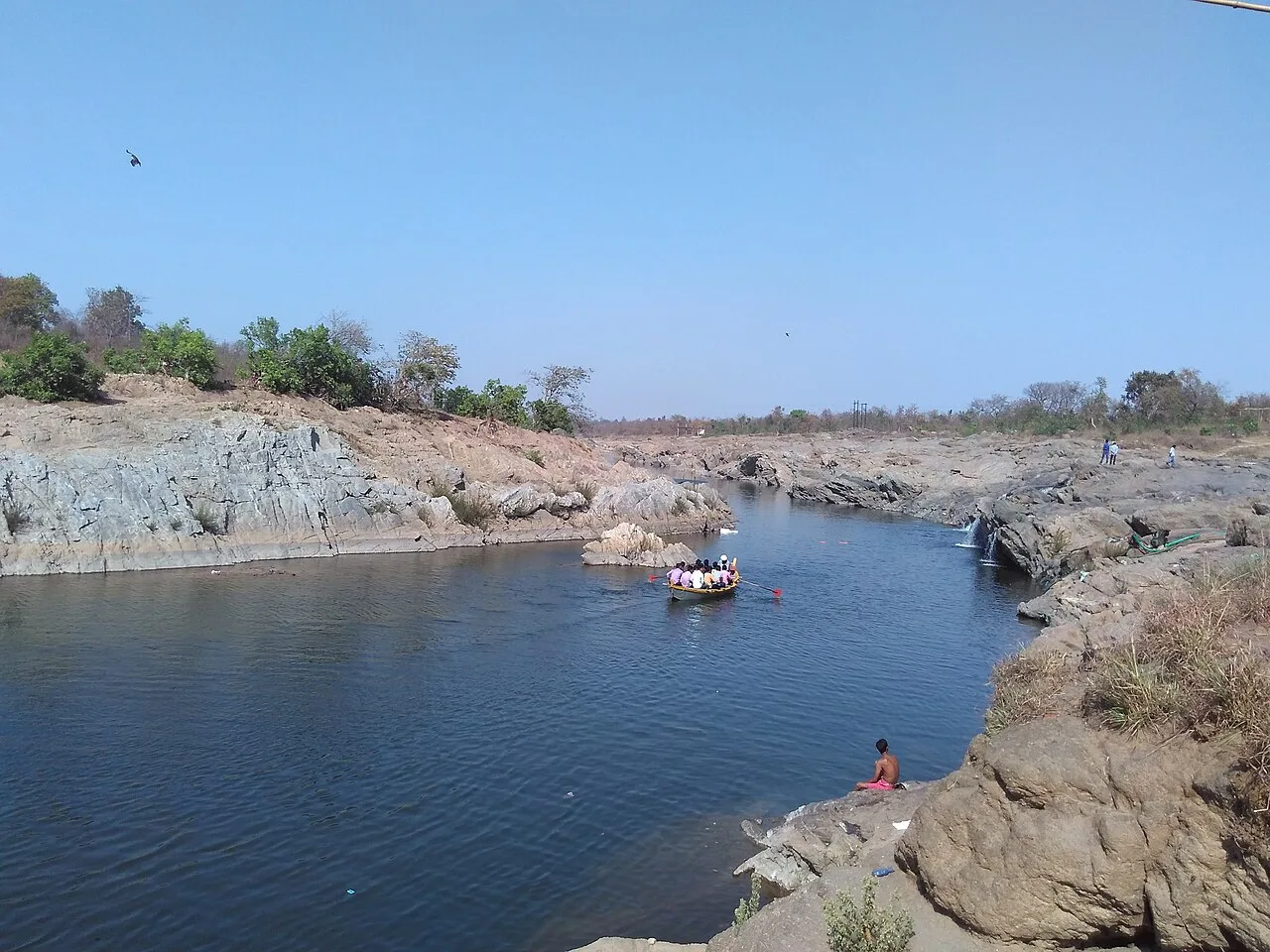
Follow notices and instructions from temple staff, especially around the shrine and river. Remove footwear where required and wear clothing that is respectful of an active place of worship. Do not enter restricted areas, touch sacred objects without permission or interrupt prayers. Ask before photographing people or rituals, and observe any camera restrictions. Keep plastic and other litter out of the temple grounds and river area. Do not bathe, climb on rocks or approach the water unless local authorities say it is safe and permitted; river conditions can change quickly.
Photography
The river confluence and waterfall can be attractive subjects, with softer light often found earlier or later in the day; weather and water levels affect the view. Photography inside the shrine may be restricted, so check notices and ask temple staff before taking pictures. Never photograph worshippers or rituals without consent. Avoid blocking paths while taking photos and keep well back from wet rocks and river edges. Do not fly a drone without confirming current legal and local permissions; a religious site and crowded river area are not appropriate places for unapproved flights.
Choose a stay by the full journey to Rajrappa, not just the district name. Ranchi, Jamshedpur and Deoghar offer the widest choice; forest rest houses near the sanctuaries must be booked through the forest department. In summer, check air-conditioning or coolers; in December and January, check hot water. Book in advance for weekends, festivals and the peak season (October to February for sightseeing; July to September for waterfalls at full flow (expect slippery paths)). Confirm the exact location, meals included, check-in time and cancellation terms in writing. Avoid sending money to unverified contacts or touts at stations. Carry some cash, as card and digital payments can be unreliable in remote areas.
The Damodar–Bhairavi river confluence and Rajrappa waterfall are the principal natural features beside the temple. Within Ramgarh district, Patratu Dam and Patratu Valley are possible additions for visitors with enough time, subject to road conditions and local access. Ramgarh town can serve as a practical stop for transport or basic services. These places are not all within easy walking distance of the temple, so check the route before combining them. Avoid planning too many stops in one day, especially during festival crowds or the monsoon.
For couples, Rajrappa rewards a slow pace: arrive early for soft light and fewer crowds, share a local meal and keep the evening free. A waterfall viewpoint after the monsoon or a sunset from a hill temple makes the trip memorable. Public displays of affection can be frowned upon in conservative communities and at religious sites, so be discreet. Keep a buffer in your itinerary, because weather and road conditions can delay plans.
Q: How much time should I allow for Rajrappa? A: Allow a half day for the temple and a careful visit to the nearby river and waterfall. Add more time if travelling from another town or visiting during a festival. Q: When is a good season to visit? A: October to February is generally comfortable for sightseeing. The monsoon brings fuller waterfalls but also slippery paths and potentially hazardous water conditions. Q: Is there an entry fee or a fixed schedule? A: Current entry arrangements, any fees and opening information should be confirmed with the temple’s managing authority or caretakers before travel. Q: Can children and older visitors visit? A: Yes, but supervise children closely near the river. Uneven paths, steps, crowds and slippery ground may make the visit tiring for older visitors or anyone with limited mobility. Q: Where can I stay nearby? A: Check accommodation availability in Ramgarh and other nearby towns before travelling. Do not assume there are suitable rooms beside the temple, especially during festival periods.
Be the first to share photos, stories, advice or a helpful contact for Rajrappa.
Loading…