
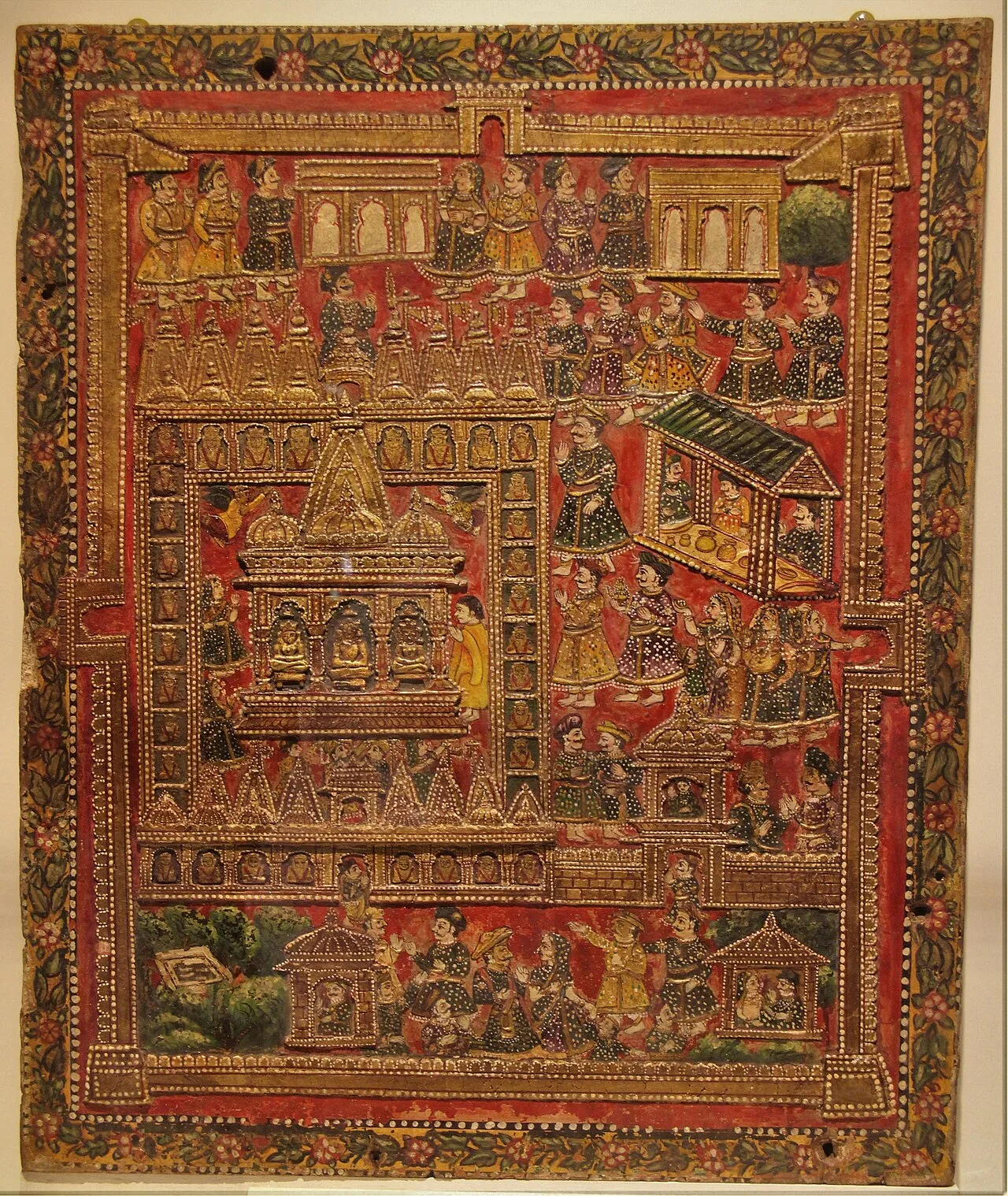
Shikharji
In Jharkhand’s Giridih district, Shikharji—also called Sammet or Sammed Shikharji—is a major Jain sacred destination, visited because tradition holds that many spiritual teachers attained liberation there.
Key facts · verified by Ghumoopedia editors
- Type of place
- Temple / pilgrimage site
- Best time to visit
- October to February for sightseeing; July to September for waterfalls at full flow (expect slippery paths)
- Nearest railway station
- Gomoh Junction · about 10 km (straight line)
- Nearest airport
- Deoghar Airport · about 80 km (straight line)
- Verified
- 21 Nov 2026
Plan a trip from Shikharji — a day-by-day route through places nearby.
Located in Giridih district, Jharkhand, the Jain pilgrimage place bears the names Shikharji, Sammet and Sammed Shikharji. It occupies Parasnath Hill, the state’s highest mountain. Jain tradition holds that twenty of the twenty-four tirthankaras—the faith’s supreme preachers of dharma—attained moksha there. Numerous monks are also believed to have reached liberation at the site. Shikharji is counted among Jainism’s seven principal pilgrimage destinations. The other places in this group are Girnar, Pawapuri, Champapuri, Dilwara, Palitana and Ashtapad Kailash. Jharkhand is the land of forests, waterfalls and Adivasi communities such as the Santhal, Ho and Munda, with major pilgrimages at Baidyanath Dham (Deoghar) and Shikharji (Parasnath). Jharkhand has hot summers from March to June, a monsoon from June to September when the waterfalls are at their fullest, and cool winters from November to February; the Netarhat plateau stays pleasant for much of the year. The usual best time to visit is October to February for sightseeing; July to September for waterfalls at full flow (expect slippery paths). Timings, fees and access arrangements must be confirmed locally. For official information, see Jharkhand Tourism at https://www.jharkhandtourism.gov.in.
Why it matters
Shikharji, also called Sammed or Sammet Shikharji, is a major Jain pilgrimage site on Parasnath Hill in Giridih district, Jharkhand. Jain tradition holds that twenty of the twenty-four tirthankaras, including Parshvanatha, attained moksha here. The hill’s shrines and pilgrimage route draw worshippers from across India and give the site importance in both local life and the wider Jain community. It is counted among principal Jain pilgrimage destinations, alongside places such as Palitana and Pawapuri. Its religious standing is based on Jain belief and long-established pilgrimage practice; visitors should not assume a particular UNESCO or Archaeological Survey of India designation without checking current official records.
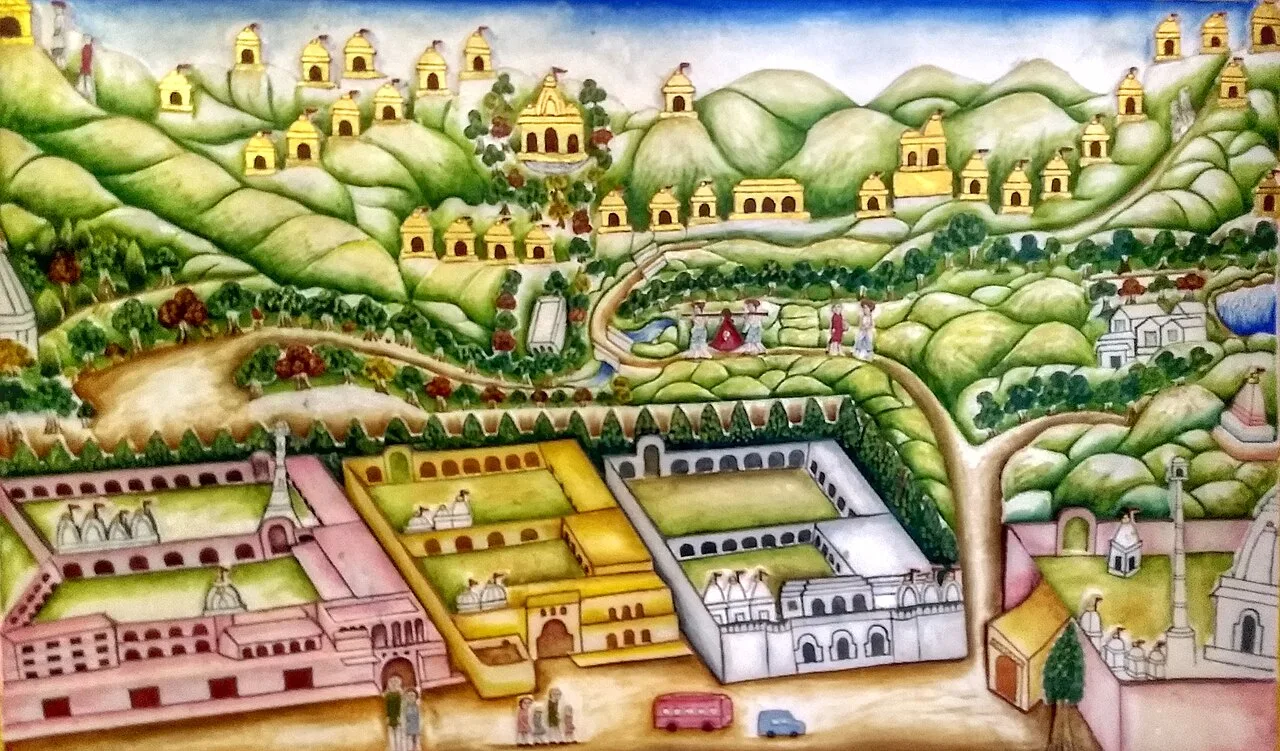
Shikharji’s history is closely tied to Jain pilgrimage and the belief that many tirthankaras attained liberation on Parasnath Hill. The site has no single, securely established founding date or universally identified builder. Jain pilgrims have visited the hill over many generations, and shrines and markers developed at places associated with the tirthankaras and other revered ascetics. The foothill settlement of Madhuban became an important base for pilgrims, with Jain religious institutions and accommodation serving visitors undertaking the climb. The present pilgrimage landscape includes temples and small shrine structures, as well as marked sacred points on the hill. These have been maintained and renewed by Jain communities and temple organisations over time; changes to individual buildings should be understood as part of an ongoing religious site rather than attributed to one documented restoration campaign. In recent years, public discussion has focused on the protection and religious character of the hill and its pilgrimage route. For detailed claims about a particular shrine’s age, patron or restoration, visitors should consult its caretakers or reliable specialist sources.
Origin stories & folklore
According to Jain tradition, twenty of the twenty-four tirthankaras attained moksha on Parasnath Hill, making the mountain sacred as a place of liberation. The hill is especially associated with Parshvanatha, the twenty-third tirthankara, and its name is commonly linked with him. Along the pilgrimage route, shrines or markers called tonks commemorate sacred points connected with the tirthankaras and other revered figures. These associations are matters of religious belief, not claims that can be established by archaeology alone. Pilgrims may pause at the markers for prayer, reverence or reflection; visitors unfamiliar with the tradition can follow their lead quietly and respectfully.
Architecture & design
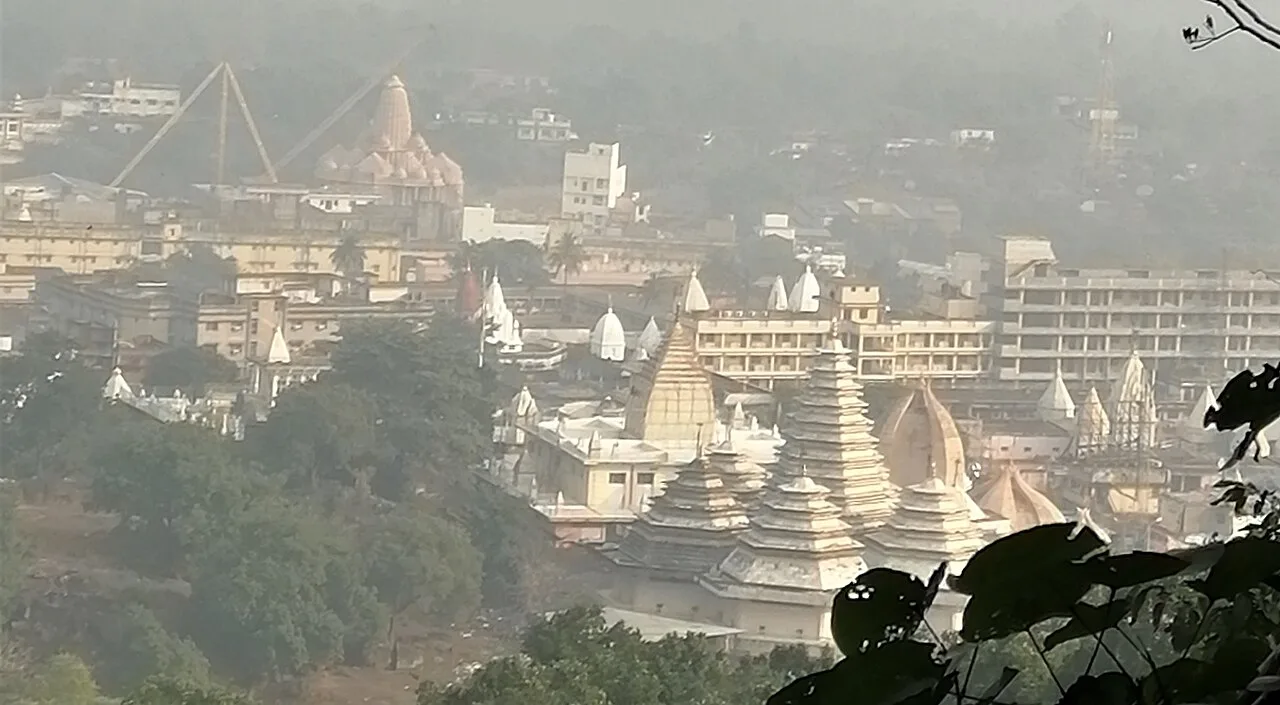
Shikharji is a dispersed pilgrimage landscape rather than a single enclosed temple. At Madhuban, near the base of Parasnath Hill, Jain temples and religious institutions form the principal starting point. From there, a long route climbs through forested and hilly terrain to sacred points marked by tonks and small shrine structures. The buildings vary in size and detail, and the hilltop structures are generally modest compared with the larger temple complexes at the base. Marble and other stone are used in Jain religious buildings in the region, but materials and decoration differ from shrine to shrine; visitors should avoid assuming every structure is of the same age or style. The route’s layout reflects pilgrimage practice: worshippers progress from one sacred marker to another, stopping for prayer. Uneven paths, slopes and exposed sections are part of the setting, so the landscape itself shapes the experience as much as the architecture.
Important objects & sculptures
Look for the tonks and shrine markers that identify places revered in Jain pilgrimage tradition. Some contain or are associated with footprints, which pilgrims venerate as signs of an ascetic’s spiritual presence rather than as portraits. Temples at Madhuban may have Jain images and carved details, but the objects on display and access to particular interiors vary. In Jain iconography, tirthankara images are commonly shown in meditation, with identifying symbols sometimes represented on the pedestal; ask a caretaker about the meaning of a specific image rather than guessing. Inscriptions or historical collections should not be assumed to be open for viewing. Do not touch, climb on or photograph sacred objects where local rules prohibit it.
Religious significance
Shikharji is sacred to Jain communities, especially because Jain belief identifies Parasnath Hill as the place where twenty tirthankaras attained moksha. The pilgrimage is an act of reverence and spiritual discipline, not simply a mountain walk. Many worshippers travel from Madhuban along the hill route, stopping at sacred markers for prayer, recitation or quiet contemplation. Practices vary among individuals and Jain traditions; some pilgrims undertake the journey with particular vows or forms of austerity. Visitors who are not worshipping are welcome to observe where permitted, but should keep a respectful distance, avoid interrupting prayers and follow instructions from temple caretakers. The hill’s religious importance is central to how the site is understood and managed.
Visit Shikharji with time to observe daily prayers and rituals respectfully. Follow the posted rules on footwear, photography, head covering and dress, and avoid interrupting worshippers. Ask caretakers which areas are open to visitors, and beware of unofficial 'guides' asking for donations. A comfortable itinerary is one main visit in the morning, a local meal at midday and a short nearby stop before an afternoon return. Use the district list on this site to find other places in Giridih, but check the route and its condition before combining stops. If a festival or fair is on — such as the Shravani Mela at Deoghar or Sarhul — roads and stays can be busy, and the experience can be unforgettable. Leave no litter: many sites are protected by the communities around them.
Suggested itineraries
Half day: Spend 1–2 hours at Madhuban’s temples and pilgrimage facilities, then walk a short, manageable section of the route if conditions and time allow. Full day: Set aside most of the day for the hill pilgrimage, allowing time for the ascent, prayer stops and return; begin early and check route conditions locally. Gentler option: Visit Madhuban’s accessible temple areas at an unhurried pace, rest between visits and avoid the hill climb unless a local assessment confirms it is suitable.
The living culture of Shikharji is shaped by pilgrims who arrive from many parts of India, as well as by the communities and religious institutions around Madhuban. Prayer, devotional recitation and the shared routines of the pilgrimage are more visible here than staged cultural performances. Hindi is widely useful, while languages spoken by visitors and local residents vary; regional languages are also heard in the surrounding area. Dress is generally modest at religious spaces, though specific requirements can differ by temple. The site is in a region with diverse Adivasi communities, including Santhal, Ho and Munda communities; their cultures should not be treated as interchangeable with Jain pilgrimage customs. Ask before photographing people or ceremonies.
Festivals & events
Jain festivals such as Paryushan and Mahavir Jayanti are observed by Jain communities, including pilgrims and institutions associated with Madhuban; the season and local programme can vary. Diwali is also significant in Jain tradition as the festival associated with Mahavira’s nirvana. Pilgrimage activity may increase around religious observances, so accommodation and the hill route can feel busier. Sarhul, a spring festival celebrated by Adivasi communities in Jharkhand, is part of the region’s broader cultural calendar but is not a Jain festival of Shikharji. Check with local temple organisations for current observances and any route or visitor arrangements.
Local food in Jharkhand includes dhuska, rugra (bamboo shoot and mushroom dishes), handia (rice beer, offered by tribal communities), litti, arsa roti, pittha, chilka roti and mahua-based preparations. Ask what is fresh that day; many small eateries cook a limited daily menu. Vegetarian travellers eat very well across this region, and most towns also have non-vegetarian options. Remote sites may have no restaurant at all. Carry water and snacks, eat a proper breakfast before long drives, and ask your accommodation for a packed lunch if you are heading out early. If prasad or langar is offered, accept it according to local custom. Choose busy, clean places, drink sealed or filtered water, and carry your packaging back with you.
Shopping & local experiences
Madhuban’s small shops may carry religious books, devotional items and simple pilgrimage supplies; selection changes, so avoid expecting a large handicraft market. Nearby town markets are a better place to look for everyday goods and regional snacks. Ask vendors about the origin of items described as local crafts, and buy respectfully without treating sacred objects as ordinary souvenirs. Vegetarian food is commonly available around pilgrimage centres, but offerings and opening arrangements vary. Carry reusable water and food containers where practical, and take all waste away from the hill.
October to February for sightseeing; July to September for waterfalls at full flow (expect slippery paths)
The nearest principal railway station by straight-line distance is Gomoh Junction, roughly 10 km away. The nearest operating airport by straight-line distance is Deoghar Airport, roughly 80 km away. These figures are calculated from map coordinates — actual road distance is longer. Ranchi, Dhanbad, Tatanagar (Jamshedpur), Bokaro and Gomoh are the main rail gateways, and Ranchi, Deoghar and Durgapur have airports. For the final leg, Jharkhand State Transport buses, private buses and shared Sumo and Bolero jeeps link district towns; shared jeeps usually leave early in the morning. A private taxi gives more flexibility for remote sites. When comparing train, bus and flight, count the complete door-to-door time: a flight saves the most time only if the onward road transfer is short, while an overnight train can save a hotel night. Book your return before you leave, because seats fill quickly on weekends, festivals and holidays. Current train numbers, timings, return services and fares are not listed here; check IRCTC and NTES for trains and the airline's own schedule for flights. No permit is needed to visit Jharkhand. Some forest and mining areas have check posts, and a few interior pockets are affected by Left-wing extremism — check current advisories with your host or the district administration before travelling to remote areas, and avoid travelling on isolated roads after dark.
Confirm onward and return timings on IRCTC / NTES, the state bus operator or your airline before travel. A dash means current timings or fares have not been verified.
Getting around
Madhuban is the usual base for beginning the pilgrimage, and local taxis or private vehicles can bring visitors to the area. Ask locally about vehicle access and parking, as arrangements may vary and space can be limited during busy periods. Autos and shared vehicles may be available in nearby towns, but do not rely on a particular service without checking on arrival. The hill route is travelled on foot; it is long and uneven, and local support arrangements should be confirmed in advance. Keep enough time and supplies for the return journey, and avoid starting late in the day.
Hours, tickets & permissions
Entry procedures can vary between the temples at Madhuban and the hill pilgrimage route. Some areas may have separate rules for access, footwear, photography or participation in rituals; restrictions can also change during religious observances or for safety reasons. Do not assume that every shrine or interior is open to general visitors. There is no general visitor schedule or fee information provided here. Confirm current hours, access arrangements and any fees with the relevant temple committee or local managing authority before setting out.
Facilities
Madhuban usually has basic pilgrim facilities, including places to eat and options for religious accommodation, though availability and access vary. Toilets, drinking water and parking may be available around the base area; facilities become more limited along the hill route. Do not count on food, water or medical help being available on the climb, and carry what you need while avoiding excess packaging. ATMs and broader services are more likely in larger nearby towns than on the hill. Check locally about approved guides or assistance, and agree on arrangements before setting out.
Accessibility
The hill pilgrimage involves a long walk over uneven, sloping terrain, with exposed and potentially slippery sections, especially after rain. Steps may occur along parts of the route, but the overall surface and gradient can be demanding. Shade and resting places are not continuous, and facilities are limited once away from Madhuban. The climb is generally unsuitable for wheelchair users and strollers; do not assume ramps or lifts are available. Older visitors or anyone with mobility, heart or breathing concerns should seek medical advice and speak with local temple staff before attempting the route. A visit limited to suitable areas at Madhuban may be a gentler alternative.
No permit is needed to visit Jharkhand. Some forest and mining areas have check posts, and a few interior pockets are affected by Left-wing extremism — check current advisories with your host or the district administration before travelling to remote areas, and avoid travelling on isolated roads after dark. Carry a photo ID at all times and save the emergency number 112 and your accommodation's contact offline. The plateau is cooler than the plains, but sun and wind can still be harsh; carry water and a warm layer in winter. Respect community rules, private property and posted instructions. Follow local guidance if access changes.
Visitor rules
Follow instructions posted at each temple and along the pilgrimage route. Wear modest clothing and observe local rules about footwear, head covering and access to inner areas; requirements may differ by shrine. Keep voices low, do not interrupt worshippers and do not touch or climb on sacred markers. Photography may be restricted, particularly inside temples or during rituals, so ask before taking pictures. Carry litter back with you and avoid single-use plastic where possible. Stay on permitted paths, respect forest and wildlife protections, and do not enter closed or restricted areas.
Photography
Soft morning light can suit views of the forested hill and the temples around Madhuban; conditions and visibility vary with season and weather. Photography may be permitted in some outdoor areas, but temple interiors, sacred objects and ceremonies can have restrictions. Ask a caretaker before taking photographs, and seek consent before photographing pilgrims or local residents. Avoid interrupting prayer for a picture. Do not fly a drone without confirming applicable aviation rules and obtaining any required permissions; religious, forest or safety restrictions may also apply.
Choose a stay by the full journey to Shikharji, not just the district name. Ranchi, Jamshedpur and Deoghar offer the widest choice; forest rest houses near the sanctuaries must be booked through the forest department. On the plateau, check heating, hot water and power backup, and expect cold nights in winter. Book in advance for weekends, festivals and the peak season (October to February for sightseeing; July to September for waterfalls at full flow (expect slippery paths)). Confirm the exact location, meals included, check-in time and cancellation terms in writing. Avoid sending money to unverified contacts or touts at stations. Carry some cash, as card and digital payments can be unreliable in remote areas.
Madhuban is itself a place to explore, with Jain temples and pilgrim institutions at the foot of Parasnath Hill. In Giridih district, Usri Falls is a well-known natural attraction, while Khandoli Dam and its surrounding landscape offer another possible outing; check local road and weather conditions before combining them with a pilgrimage. Giridih town provides broader services and a base for exploring the district. These stops are separate from the hill’s sacred route, so plan transport and travel time locally rather than assuming they can be comfortably added to a full-day pilgrimage.
For couples, Shikharji rewards a slow pace: arrive early for soft light and fewer crowds, share a local meal and keep the evening free. A waterfall viewpoint after the monsoon or a sunset from a hill temple makes the trip memorable. Public displays of affection can be frowned upon in conservative communities and at religious sites, so be discreet. Keep a buffer in your itinerary, because weather and road conditions can delay plans.
Q: How much time should I allow for Shikharji? A: A visit to Madhuban can be brief, but the hill pilgrimage requires most of a day for many visitors. Allow extra time for rest and changing conditions. Q: When is a good season to visit? A: October to February is generally more comfortable for sightseeing. Monsoon rain can make paths slippery; check conditions before travelling. Q: Is there an entry fee or a permit? A: Requirements can vary by temple and route. Confirm current access rules and any fees with the local managing authority. Q: Can children or older visitors make the pilgrimage? A: The climb is demanding and uneven. Assess fitness carefully, supervise children closely and consider a Madhuban-only visit for anyone who may struggle. Q: Where can I stay nearby? A: Madhuban usually has pilgrim accommodation and basic lodging options. Availability varies, so check and arrange a stay locally or in a nearby town.
Be the first to share photos, stories, advice or a helpful contact for Shikharji.
Loading…