
District · Jharkhand
Giridih
Giridih lies in northern Jharkhand, where wooded uplands and rocky countryside meet a longstanding pilgrimage tradition.
Giridih brings together wooded hills, rocky countryside, waterfalls and a deeply rooted pilgrimage tradition in northern Jharkhand. Parasnath Hill is its defining landmark, while Shikharji, the sacred Jain pilgrimage landscape associated with the hill, draws devotees from across India. These are closely connected destinations rather than entirely separate excursions. Usri Falls offers a contrasting encounter with the district’s river scenery, and Khandoli Dam is another outing from Giridih town. The district’s history and character reflect both its longstanding religious importance and the development of coal mining in the surrounding area. Giridih town provides a practical base for exploring, while pilgrimage settlements call for particular sensitivity to religious customs and the sanctity of the hills.
Giridih lies in northern Jharkhand, where wooded uplands and rocky countryside meet a longstanding pilgrimage tradition. Its best-known landmark is Parasnath Hill, within the sacred Jain pilgrimage landscape of Shikharji, also called Sammed Shikharji. The hill and pilgrimage site are closely connected, so visitors should plan them as part of the same journey and respect religious customs. Usri Falls and Khandoli Dam offer contrasting outings among the district’s natural scenery. Giridih town is a practical base for these excursions, while Madhuban serves pilgrims visiting Shikharji. The district’s identity also reflects the history of coal and mica mining in the surrounding region.
Giridih’s history is shaped by its position in the Chota Nagpur uplands and by the religious importance of Parasnath Hill. Shikharji is revered in Jain tradition as a place associated with the liberation of numerous Tirthankaras; this sacred history is central to the area, though it belongs to religious tradition rather than a simple, securely dated political chronology. Across the wider region, authority shifted over time among local powers and larger eastern Indian states, but a detailed succession of dynasties for the present district is not well established. Under British rule, administrative control and commercial extraction expanded in the Chota Nagpur region. Coal mining and mica working later became important parts of the local economy. Giridih was formerly part of Hazaribagh district. The district was formed in 1972, when it was separated from Hazaribagh in the state of Bihar. It became part of Jharkhand when the state was created in 2000. Its modern history therefore combines pilgrimage and local livelihoods with the growth of mining and changing state administration.
4 destination guides
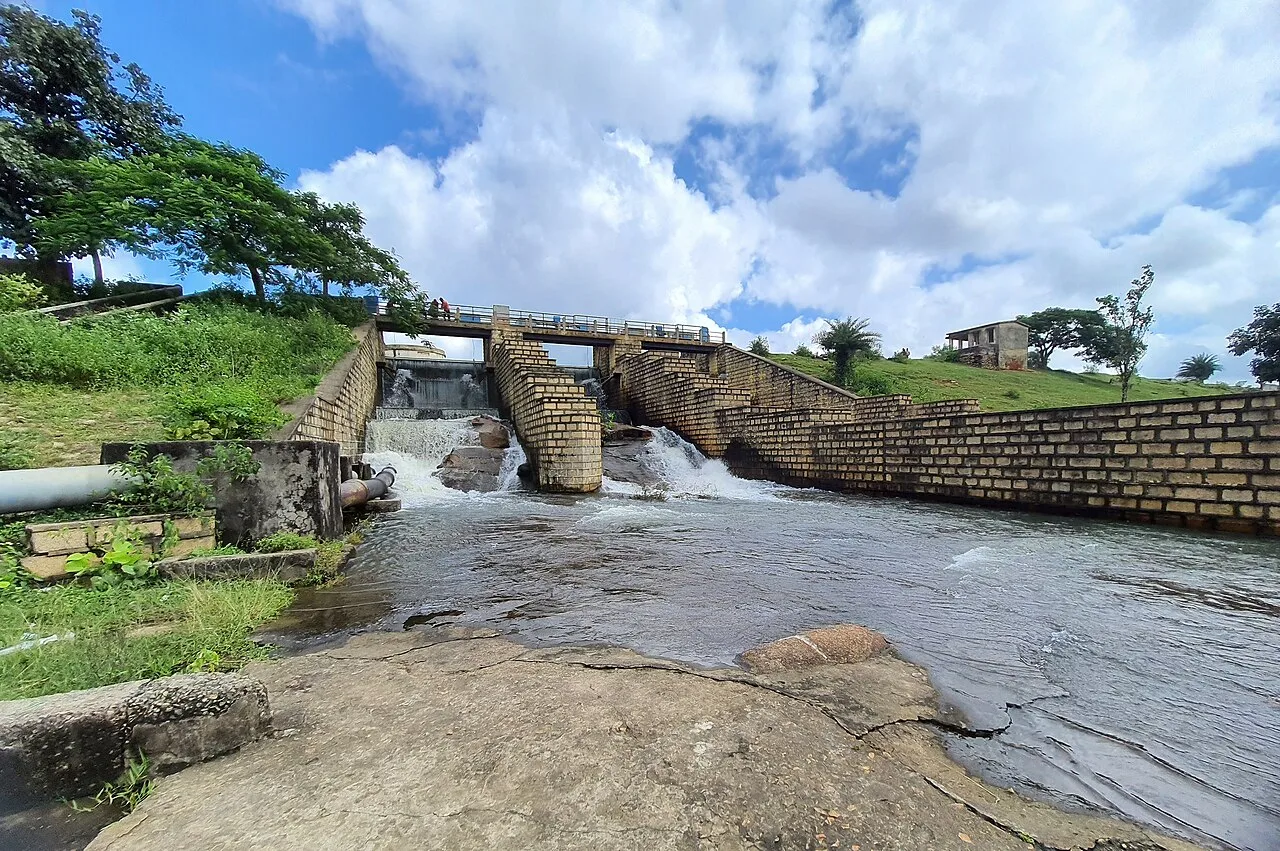
Khandoli Dam
Khandoli Dam is a reservoir in Giridih district, Jharkhand, where visitors come to see the site at the base of Khandoli Hill.
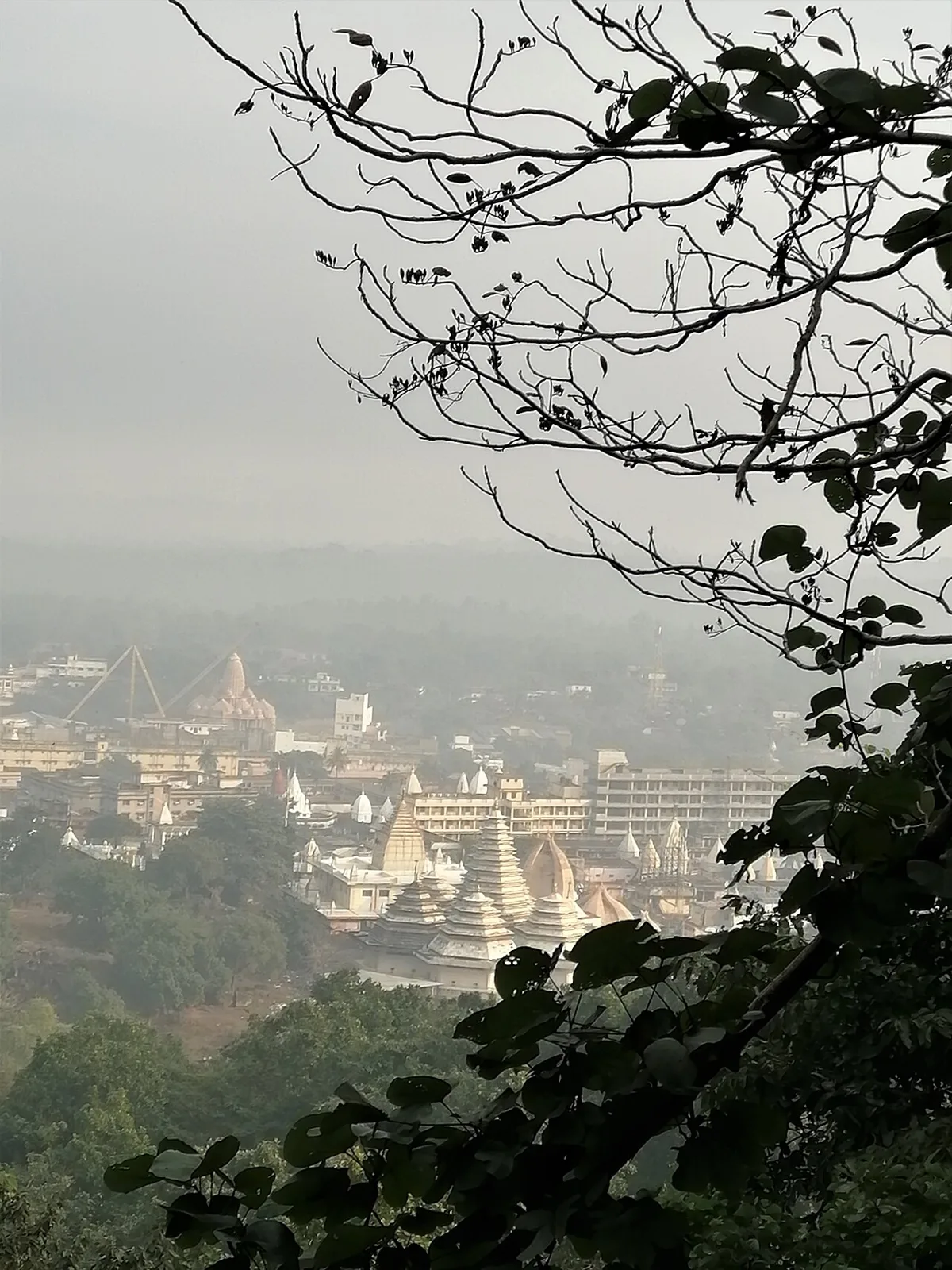
Parasnath
Parasnath is a summit in Jharkhand’s Giridih district and part of the range that bears its name. People visit Shikharji, the Jain pilgrimage site on the summit, linked to Parshvanatha.
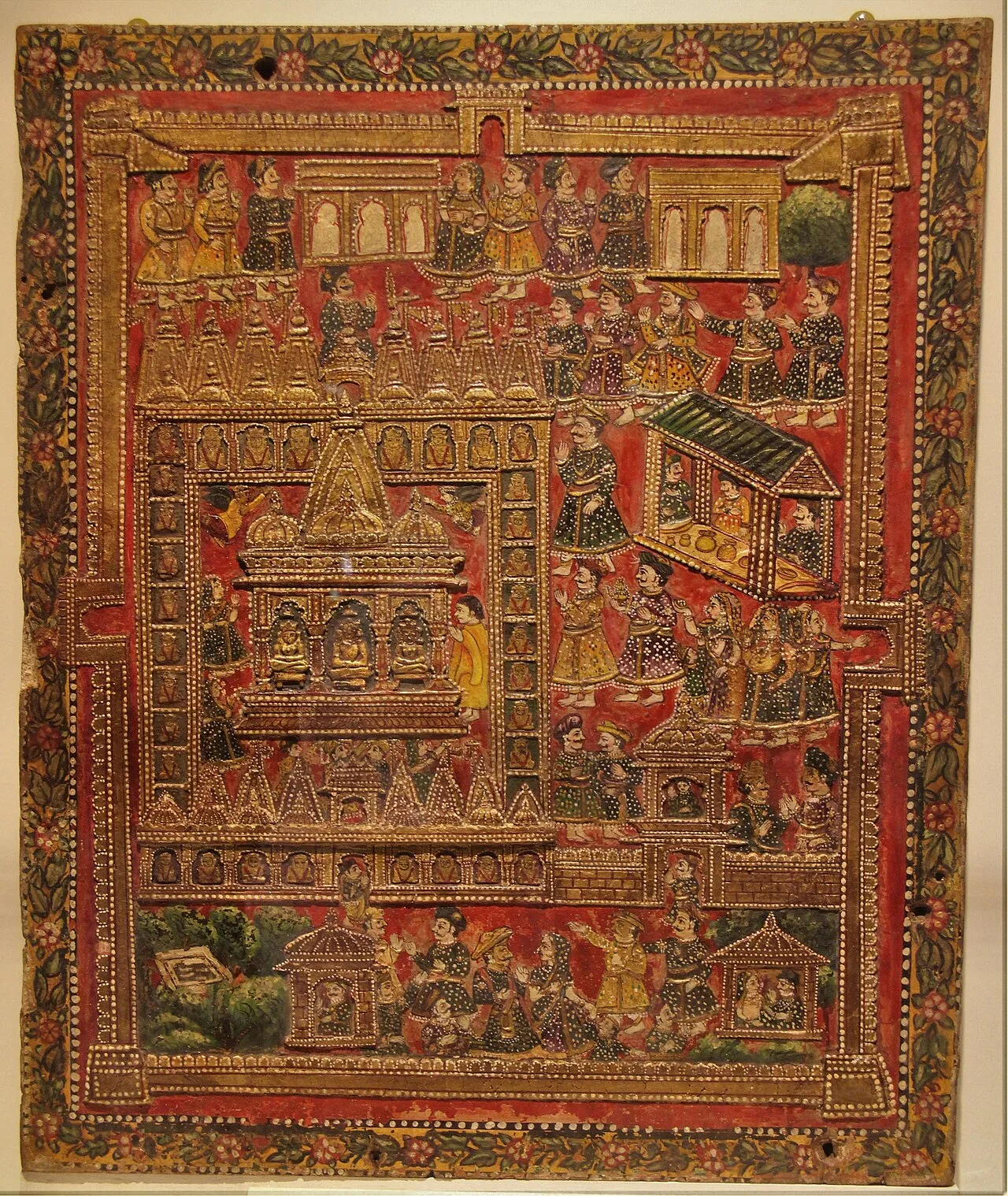
Shikharji
In Jharkhand’s Giridih district, Shikharji—also called Sammet or Sammed Shikharji—is a major Jain sacred destination, visited because tradition holds that many spiritual teachers attained liberation there.
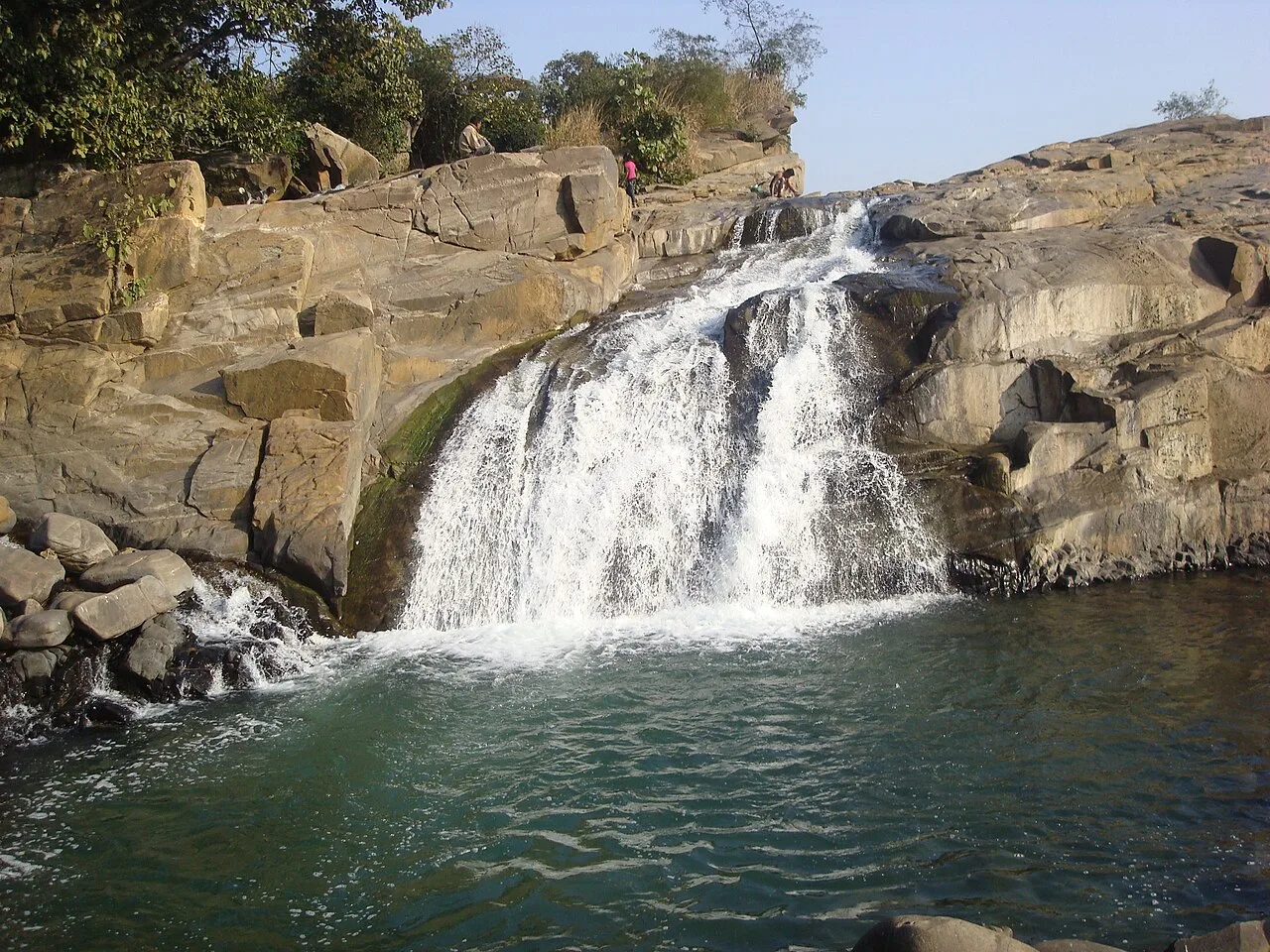
Usri Falls
Usri Falls is a waterfall in Giridih district, Jharkhand, visited by tourists and picnickers. The name Ushree means beautiful source.
Food in Giridih shares many traditions with wider Jharkhand. Look for dhuska, a fried rice-and-pulse preparation, alongside litti, chilka roti, pittha and sweet arsa roti. Rugra is a seasonal edible fungus associated with the region, not a bamboo-shoot dish; availability depends on the season and local supply. Rice-based meals and vegetable preparations are everyday choices, while non-vegetarian food is available in many towns. Around Jain pilgrimage establishments, expect vegetarian food and respect any stricter dietary rules. Handia, a fermented rice drink, and mahua-based preparations belong to some regional community traditions, but should not be assumed available or appropriate at sacred sites.
Craft traditions found across Jharkhand include bamboo basketry, wooden household objects, leaf plates and lac bangles. These provide regional context for Giridih rather than evidence of a distinctive district-wide craft speciality. Sal-leaf plate making and bamboo work are associated with rural livelihoods in parts of the state. Sohrai and Khovar painting are important Jharkhand art traditions, especially associated with the Hazaribagh region; they should not automatically be labelled Giridih crafts. When browsing local markets, ask where an object was made and whether it comes directly from an artisan. Locally made utilitarian goods can be as worthwhile as decorative souvenirs.
Jain observances are especially visible around Madhuban and Shikharji. Paryushan, usually held in the monsoon season, and Mahavir Jayanti, generally in spring, can bring pilgrims and increase demand for accommodation near the pilgrimage area. Hindu festivals observed across the region include Chhath, often in autumn and again in spring, as well as Diwali and Holi. Sarhul, a spring festival with strong significance among Adivasi communities in the wider region, is also celebrated. During major observances, expect busier roads and rooms, particularly in pilgrimage settlements; booking ahead is prudent.
Giridih’s inland terrain includes forested and rocky uplands, hill ranges, valleys and settled agricultural areas. Parasnath Hill rises above the surrounding countryside, while streams and rivers shape smaller valleys and waterfall scenery such as Usri Falls. Khandoli Dam adds a reservoir landscape near Giridih town. Roads between sights can pass through rural or hilly stretches, and the final approach to natural sites may involve uneven ground or walking. The landscape makes short excursions from town possible, but transport and return arrangements are worth planning rather than assuming frequent services.
Giridih has hot summers, a monsoon season with heavier rain and a cooler, generally more comfortable winter. October to March is usually the most convenient period for sightseeing and pilgrimage, with winter mornings and evenings sometimes feeling cool. Monsoon rain can make trails, rocks and waterfall approaches slippery, while summer heat can make exposed walks tiring. Pack light, breathable clothing for warm days, a warmer layer for winter evenings, sturdy footwear with grip, sun protection and drinking water. In the rainy season, carry rain protection and check local road and trail conditions before setting out.
Deoghar Airport is one of the closest air gateways for Giridih; Ranchi Airport offers another option, depending on flight availability and your itinerary. Giridih railway station serves the town, while Parasnath railway station is a useful gateway for the Shikharji pilgrimage area. Dhanbad and Gomoh are additional rail hubs to consider. Road connections link Giridih with Deoghar, Dhanbad and other Jharkhand towns. Buses, shared vehicles, auto-rickshaws and hired cars can cover different parts of the journey, but onward transport to waterfalls, the dam and pilgrimage starting points needs planning. Arrange return transport for quieter sites and check current services locally.
Giridih town is the main road base for Usri Falls and Khandoli Dam, while Madhuban is the usual local base for the Shikharji pilgrimage area. Local buses, shared vehicles and auto-rickshaws serve some routes, but service to quieter sights may be limited or irregular. Hired cars or taxis offer more flexibility for combining stops and arranging a return journey. Parasnath railway station and Giridih railway station serve different parts of the district; onward road travel is needed from either. Confirm current transport locally, especially for early starts, hill journeys and return trips from less-settled areas.
Giridih town is the most practical base for Khandoli Dam, Usri Falls and rail connections. For the Shikharji pilgrimage, stay in Madhuban, where accommodation is oriented toward pilgrims. Options in the district generally include hotels and guesthouses in town, along with dharamshalas and other simple lodging near pilgrimage routes; availability and facilities vary. Government accommodation may be available in some areas, but should be checked in advance. For a circuit combining town sights and the hill, splitting the stay between Giridih and Madhuban avoids repeated road journeys.
Wear sturdy footwear on hill paths and around waterfalls, where rocks can be uneven or slippery, especially after rain. Avoid swimming or approaching fast water unless local conditions are clearly safe, and carry drinking water from a reliable source. Heat, monsoon downpours and low visibility can affect walks and road travel; check conditions before departure. Use locally recommended routes and respect religious rules at Shikharji. Wildlife may be present in wooded areas, so keep distance and do not feed animals. Mobile coverage can be patchy outside towns, and rural roads may be rough. Follow current local access guidance and confirm any permit requirements with official authorities before travel.
- Bokaroabout 41 km
- Dhanbadabout 60 km
- Hazaribaghabout 69 km
- Purulia · West Bengalabout 70 km
- Ramgarhabout 70 km
- Deogharabout 74 km
- Kodermaabout 80 km
- Nawada · Biharabout 97 km
Straight-line distance between the centres of each district's destinations; road distance is longer.
Q: How many days should I spend in Giridih? A: Two days can cover town-based outings, while three or four days allow time for both the natural sights and the Shikharji pilgrimage area. Q: When is the best time to visit Giridih? A: October to March is generally most comfortable. Monsoon scenery can be appealing, but rain may make trails and roads more difficult. Q: What is the best base for exploring Giridih? A: Giridih town suits Usri Falls and Khandoli Dam; Madhuban is the practical base for Shikharji and Parasnath. Q: How do I get to Giridih? A: Giridih and Parasnath have railway stations, while Deoghar and Ranchi are air options to consider. Plan onward road transport to individual sights. Q: Is Giridih suitable for families or elderly travellers? A: Giridih town and road-accessible outings can suit many visitors, but the Shikharji pilgrimage involves substantial walking and uneven terrain. Assess mobility and check local conditions before planning.
This page draws on our 4 destination guides for Giridih and is updated as our team checks it.
Be the first to share photos, stories, advice or a helpful contact for Giridih.
Loading…