
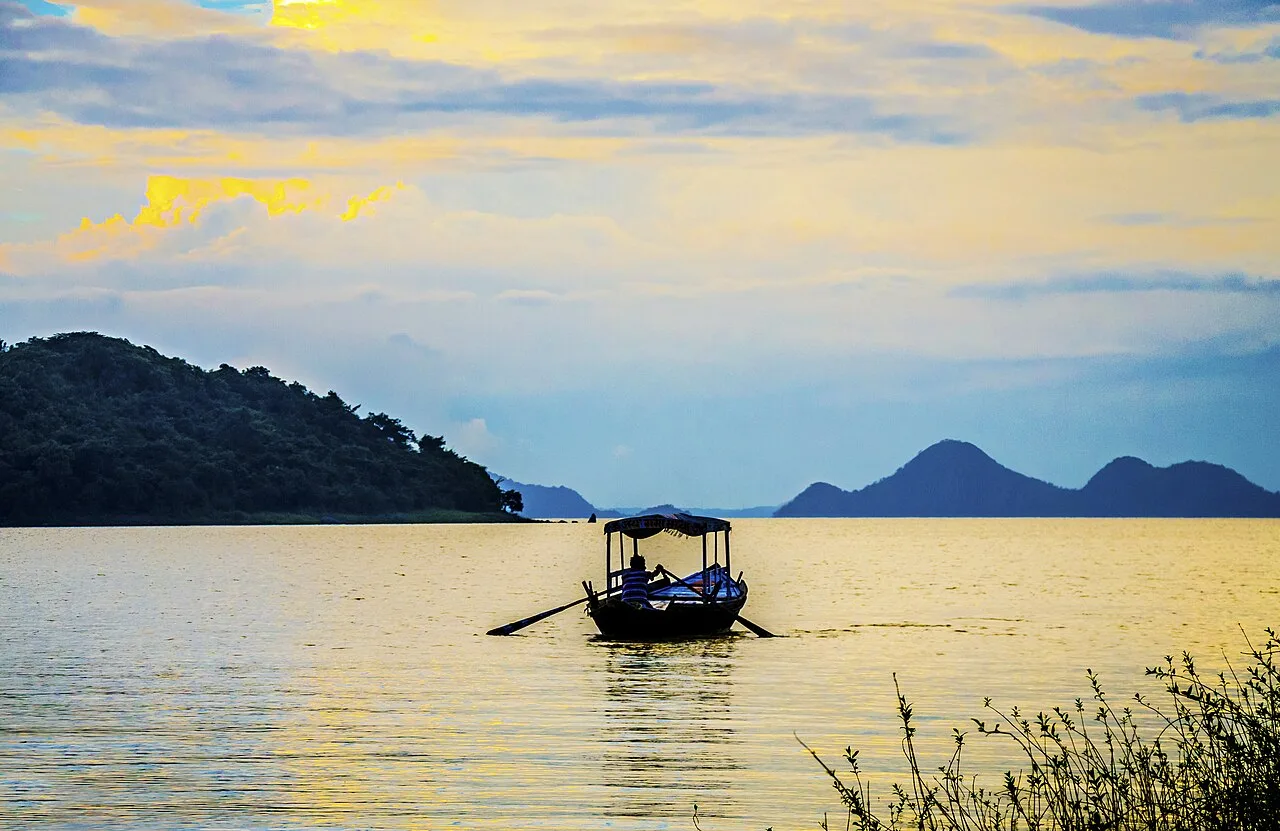
District · Jharkhand
Dhanbad
Dhanbad offers a view of eastern Jharkhand shaped by coal, railways and the Damodar Valley, alongside a less industrial landscape of reservoirs and wooded uplands.
Dhanbad brings together Jharkhand’s industrial heartland and a quieter landscape of reservoirs, lakes and wooded hills. Widely known for its coalfields, the district’s modern identity has been shaped by mining, railways and the growth of surrounding industrial settlements. Its visitor attractions reveal another side of this working landscape: Maithon Dam, Panchet Dam and Topchanchi Lake offer contrasting waterside settings. Maithon and Panchet also belong to the history of the Damodar Valley Corporation’s multipurpose river-development programme; Panchet was the last of the four dams built in its first phase. Dhanbad is best approached as a lived-in industrial district with worthwhile outdoor excursions, rather than as a conventional resort destination.
Dhanbad offers a view of eastern Jharkhand shaped by coal, railways and the Damodar Valley, alongside a less industrial landscape of reservoirs and wooded uplands. It is best known for its coalfields and mining-linked settlements, but Maithon Dam, Panchet Dam and Topchanchi Lake give travellers reasons to explore beyond the city. Maithon and Panchet are part of the Damodar Valley Corporation’s multipurpose river-development story. The district suits visitors interested in working landscapes and waterside excursions more than those seeking a conventional resort stay. Dhanbad town also makes a useful base for exploring several parts of the district.
The region lies within the Chota Nagpur plateau, where communities including Adivasi peoples have long shaped local life. The detailed early history of the area now called Dhanbad is less consistently documented than that of major courtly centres, so it is best understood through its changing regional and administrative setting. Under British rule, the area formed part of Manbhum district in the Bengal Presidency; the spread of railways and the development of coal mining brought major economic and settlement changes from the late nineteenth century onward. After independence, Dhanbad district was formed in 1956 from part of Manbhum, then in Bihar. Coal extraction, associated industries and railway links continued to drive urban growth. After Jharkhand became a state in 2000, Dhanbad remained one of its principal industrial districts. The post-independence Damodar Valley Corporation programme added another layer to the region’s history: Maithon and Panchet are among its multipurpose dam projects, built for purposes including water management and power generation.
3 destination guides · 2 on the map
Maithon Dam
Maithon Dam, built across the Barakar River in Jharkhand, draws visitors for its underground power station, natural surroundings and religious significance, as well as its role in flood control.
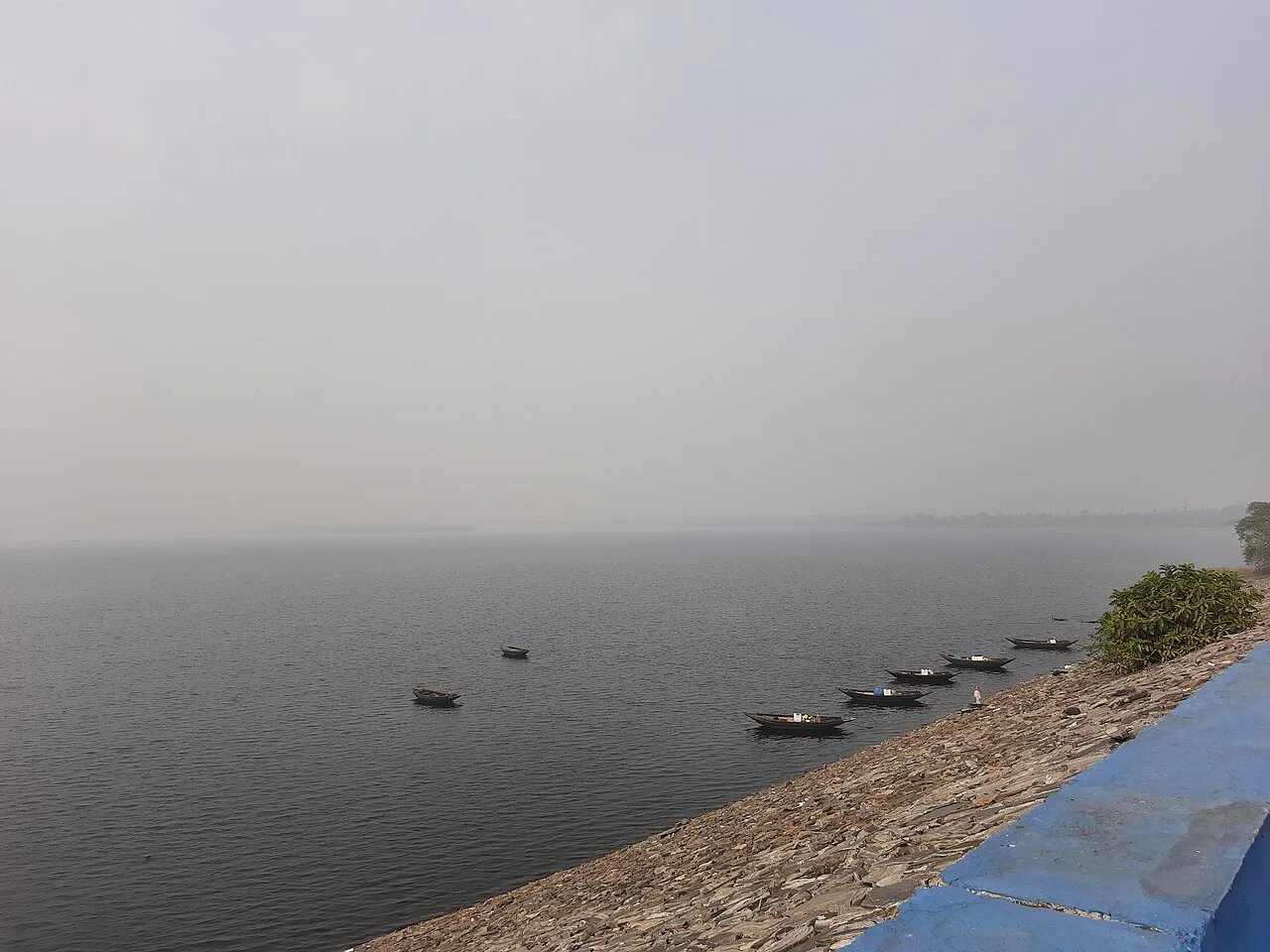
Panchet Dam
Panchet Dam is a multipurpose structure on the Damodar River in Jharkhand. Visitors come to see the dam and its place in the opening stage of the DVC’s development programme.
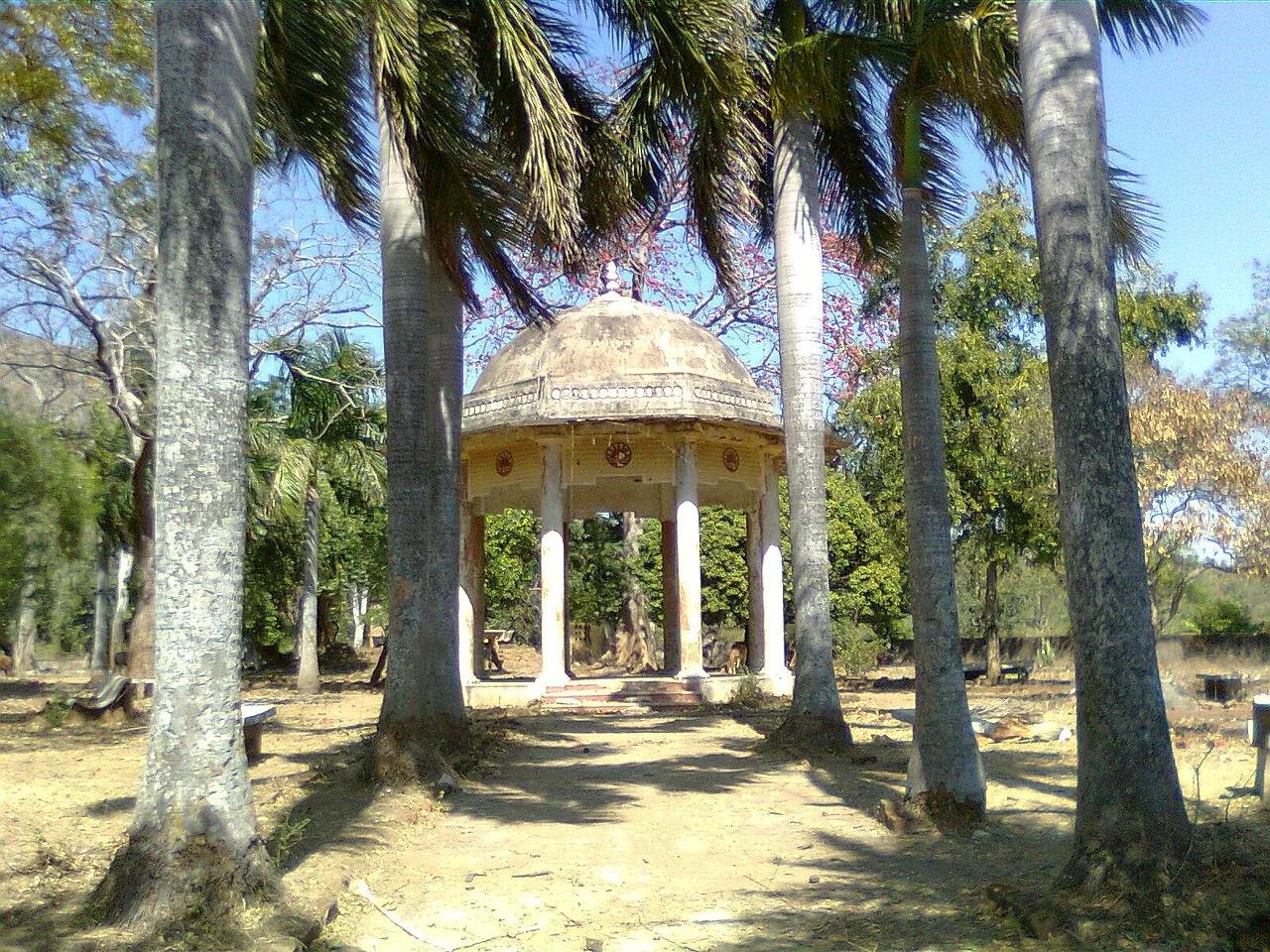
Topchanchi Lake
In Jharkhand’s Dhanbad district, Topchanchi Lake is a lake people may visit to see the place and its location within the district.
Food in Dhanbad draws on the wider traditions of Jharkhand and neighbouring Bihar. Look for dhuska, a fried rice-and-pulse preparation, alongside litti, pittha and chilka roti. Arsa roti is a traditional sweet, while seasonal rugra mushrooms are associated with Jharkhand’s regional food culture. Handia, a fermented rice drink, and mahua-based preparations belong to some tribal communities’ traditions rather than every household or restaurant. Small eateries may serve only a limited daily menu, so ask what is freshly prepared. Vegetarian and non-vegetarian meals are available in towns; carry drinking water and snacks for excursions to less-served waterside sites.
Craft traditions worth exploring belong mainly to the wider Jharkhand region rather than to a clearly documented Dhanbad speciality. Bamboo basketry, woodwork and tasar silk weaving are part of the state’s craft landscape, while dokra metal casting is practised in parts of Jharkhand and neighbouring eastern Indian states. Sohrai and Khovar painting are especially associated with the Hazaribagh region, not specifically Dhanbad. When buying regional textiles or handmade objects, ask where they were produced and who made them; availability in Dhanbad does not necessarily indicate local manufacture.
Durga Puja, Kali Puja and Chhath are widely observed in Dhanbad and the surrounding region, with the main activity generally falling in autumn. Sarhul and Karma, celebrated in Jharkhand’s Adivasi communities, usually take place in spring or the monsoon season. Tusu and Makar Sankranti celebrations are associated with winter. Eid is also observed by Muslim communities. Festival periods can bring busy markets, processions and heavier local traffic; accommodation in town may be more in demand around major celebrations. Dates vary by year and community, so check locally when planning.
Dhanbad sits on the Chota Nagpur plateau, with settled and industrial areas interspersed with low hills, wooded patches and reservoirs. The Damodar and its tributaries, including the Barakar, are central to the district’s river landscape; Maithon and Panchet dams create broad waterside settings. Topchanchi Lake offers a different, quieter excursion. Mining and industry have substantially altered parts of the terrain, and built-up areas can give way to less developed roads and countryside. Distances between sights and the condition of connecting roads make ground travel slower than a map may suggest.
Dhanbad has hot summers, a rainy monsoon season and cooler, generally more comfortable winters. Summer heat can make outdoor visits tiring, while monsoon showers may affect road conditions and views around reservoirs. The cooler months, broadly from late autumn through winter, are usually the most comfortable time for sightseeing; the post-monsoon period can also be pleasant. Carry light, breathable clothing for warm weather, a rain layer and footwear with good grip during the wet season, and an extra layer for cooler winter mornings and evenings. Check local weather and road conditions before setting out.
Dhanbad Junction is the district’s principal rail gateway, with connections to major cities. For flights, Durgapur’s Kazi Nazrul Islam Airport is a regional option, particularly for the Maithon and Panchet side; compare onward road travel before booking. Dhanbad is connected to the Kolkata–Delhi highway corridor via NH19. Buses link towns, while auto-rickshaws, shared vehicles and hired cars handle local journeys. A hired vehicle can simplify visits to dams and lakes, where onward and return transport may be less readily available. Road journeys take longer than map-based straight-line estimates suggest. Check current services locally.
Dhanbad Junction and the town’s road network are the main starting points for district travel. Local and inter-town buses, shared vehicles and auto-rickshaws serve many settlements, though services to reservoir viewpoints may be less frequent or convenient. A hired car or taxi can make a circuit of Maithon Dam, Panchet Dam and Topchanchi Lake easier, especially when return transport is uncertain. Boat trips, where offered, depend on local operators and conditions; use authorized services and follow site rules. Confirm onward transport locally, as journey times depend on traffic, roadworks and weather.
2 days: Maithon Dam → Panchet Dam; sleep in Dhanbad after day one. 3 days: Topchanchi Lake → Maithon Dam → Panchet Dam; sleep in Dhanbad each night.
Dhanbad town is the most practical base for visitors who want a wider choice of hotels, guesthouses and everyday services, and works well for all three sights. For a shorter Maithon-focused visit, staying nearer the Maithon area may reduce backtracking, but check availability and transport before booking. Basic lodges and dharamshalas may be available in town; homestays and government accommodation are less predictable and should be confirmed directly. Staying near a dam or lake does not necessarily mean that food, transport or other services will be readily available.
Use marked public access areas around dams and lakes, keep away from steep banks and water-control structures, and do not swim unless authorities explicitly allow it. Do not enter mines, industrial premises or restricted areas without permission. Rain can make roads slippery or disrupt travel; avoid rushing after dark on unfamiliar rural stretches. Carry drinking water and necessary medicines, and check mobile connectivity and return transport before leaving town. Wildlife encounters are possible in wooded areas, so keep a respectful distance and do not feed animals. Access rules can change; confirm any site-specific restrictions or permits with the relevant authorities before travel.
- Purulia · West Bengalabout 22 km
- Giridihabout 60 km
- Bokaroabout 63 km
- Deogharabout 81 km
- Bankura · West Bengalabout 84 km
- Dumkaabout 84 km
- Birbhum · West Bengalabout 94 km
- Ramgarhabout 108 km
Straight-line distance between the centres of each district's destinations; road distance is longer.
Q: How many days should I spend in Dhanbad district? A: Two days can cover a focused dam visit; allow three days to include Topchanchi Lake at a more relaxed pace. Q: When is the best time to visit? A: The cooler months from late autumn through winter are generally most comfortable for outdoor excursions. Q: What is the best base for visiting the sights? A: Dhanbad town has the broadest choice of services and is a practical base for all three destinations. Q: How do I get to Dhanbad? A: Dhanbad Junction is the main rail gateway. Road connections serve the district, and Durgapur’s Kazi Nazrul Islam Airport is a regional flight option; check onward travel before booking. Q: Is Dhanbad suitable for families or elderly travellers? A: Yes, with planning. Choose accessible viewpoints, arrange reliable transport and take care around water, uneven ground and hot or wet weather.
This page draws on our 3 destination guides for Dhanbad and is updated as our team checks it.
Be the first to share photos, stories, advice or a helpful contact for Dhanbad.
Loading…