
District · Jharkhand
Deoghar
Deoghar is a pilgrimage and cultural centre in northeastern Jharkhand, within the historic Santhal Pargana region.
Deoghar lies in the eastern part of Jharkhand, within the Santhal Pargana region. Its landscape combines settled agricultural areas with rocky uplands, low hills and patches of woodland. The district is best known for Baidyanath Temple, an important Shiva pilgrimage centre, and the annual flow of worshippers during the Shravan season. Other places of interest include Trikut Hill, a pilgrimage site outside Deoghar town, and Nandan Pahar. The district’s character reflects both its religious importance and its place in a culturally diverse region with strong Adivasi communities. Deoghar town is the main centre for services and visits to nearby sites; journeys beyond it can feel quieter and more rural.
Deoghar is a pilgrimage and cultural centre in northeastern Jharkhand, within the historic Santhal Pargana region. It is best known for Baidyanath Temple, an important Shiva shrine and destination for pilgrims from across India, especially during the monsoon pilgrimage season. The district also offers a change of pace from temple visits, with hill scenery at Trikut Hill and local attractions such as Nandan Pahar and Naulakha Mandir. Deoghar works well as a base for combining worship, regional history and short outings into the surrounding countryside. The listed places are a selection, not a complete inventory of local sites.
Deoghar’s history is closely linked to pilgrimage at Baidyanath Temple and to the wider Santhal Pargana region. The temple has long drawn worshippers of Shiva, although accounts of its earliest origins and construction vary; a single, securely documented founding date is not established. The surrounding region has seen changing political influence over many centuries, and it is safer to describe its history as part of the broader eastern Indian frontier than to assign Deoghar to one continuous ruling dynasty. Under British rule, the Santhal Parganas became a distinct administrative area following the Santhal rebellion of 1855–56. Deoghar later developed as a pilgrimage town and administrative centre. Deoghar district was formed in 1983, when it was separated from the former Santhal Pargana district of Bihar. It became part of Jharkhand when the state was created in 2000. Pilgrimage, regional trade and administration have all shaped the town and district in modern times.
4 destination guides · 2 on the map
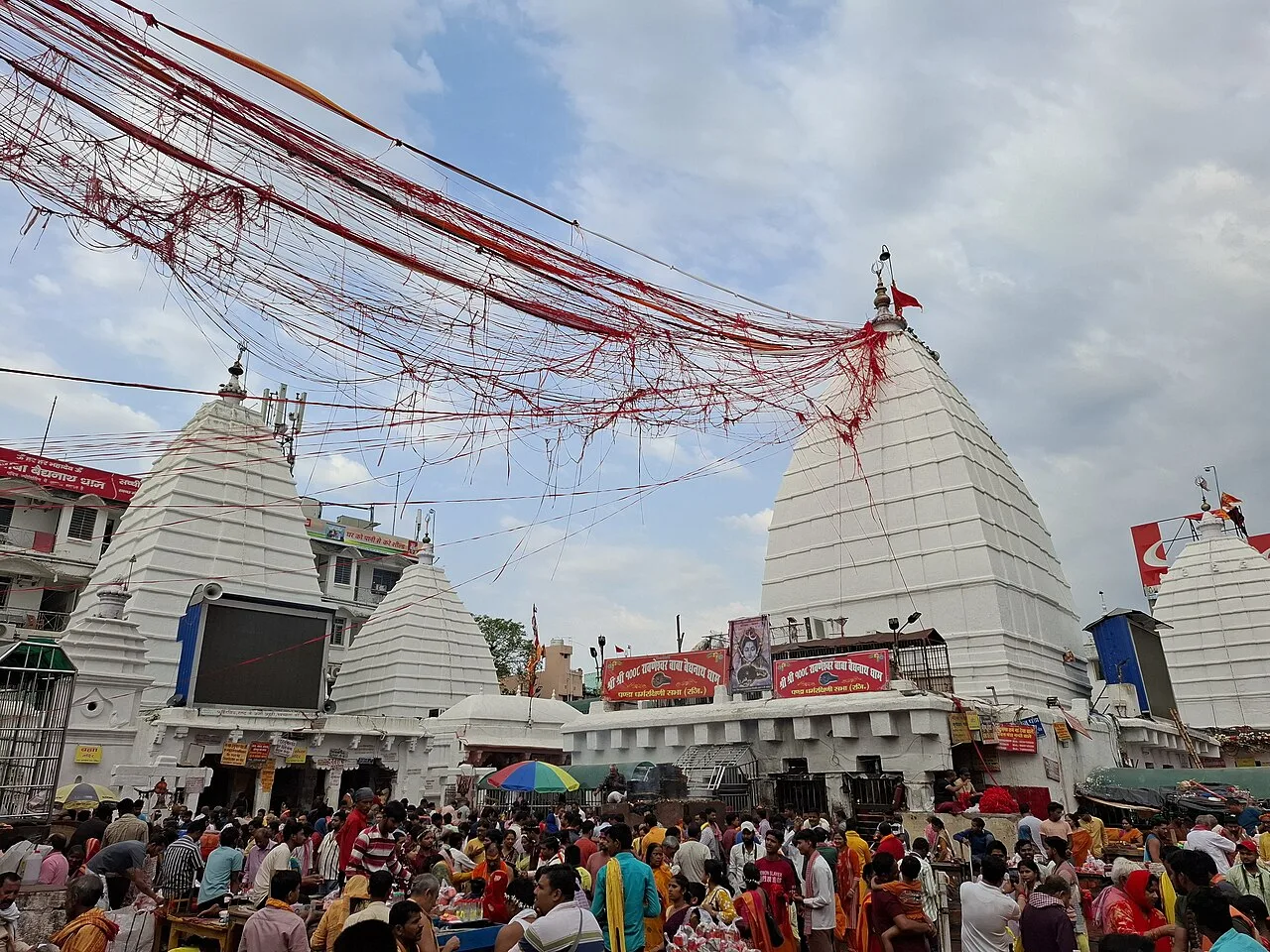
Baidyanath Temple
Baidyanath Temple is a Hindu shrine to Shiva in Deoghar, Jharkhand, visited by worshippers for Baba Baidyanath and its place among the twelve Jyotirlingas.
Nandan Pahar
Nandan Pahar is a hill or peak in Deoghar district, Jharkhand. Visitors may come to experience this local landform and its place in the district.
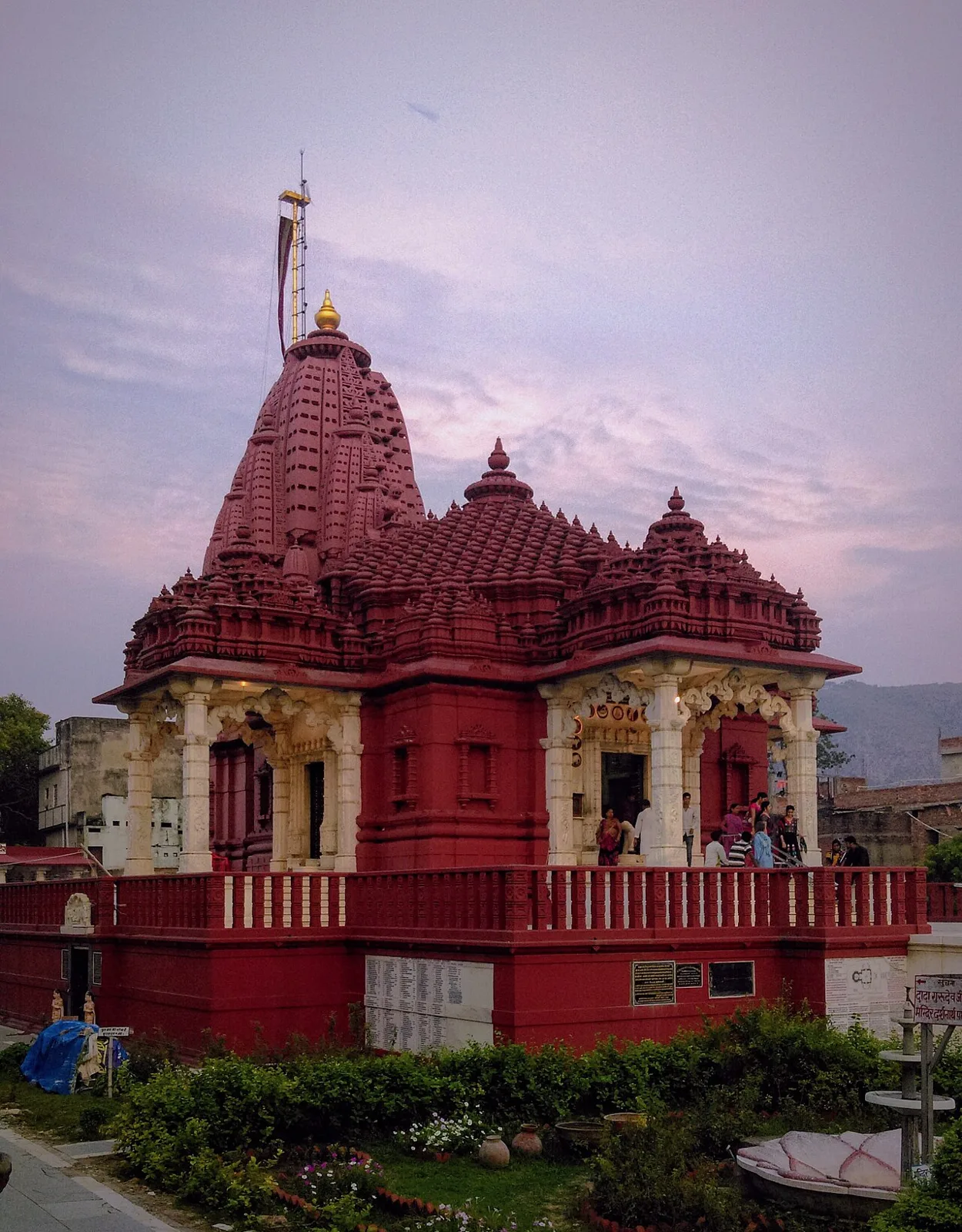
Naulakha Mandir
Naulakha Mandir is a sacred temple in Deoghar district, Jharkhand. Visitors may come to worship and to visit a place recognised for its religious character.
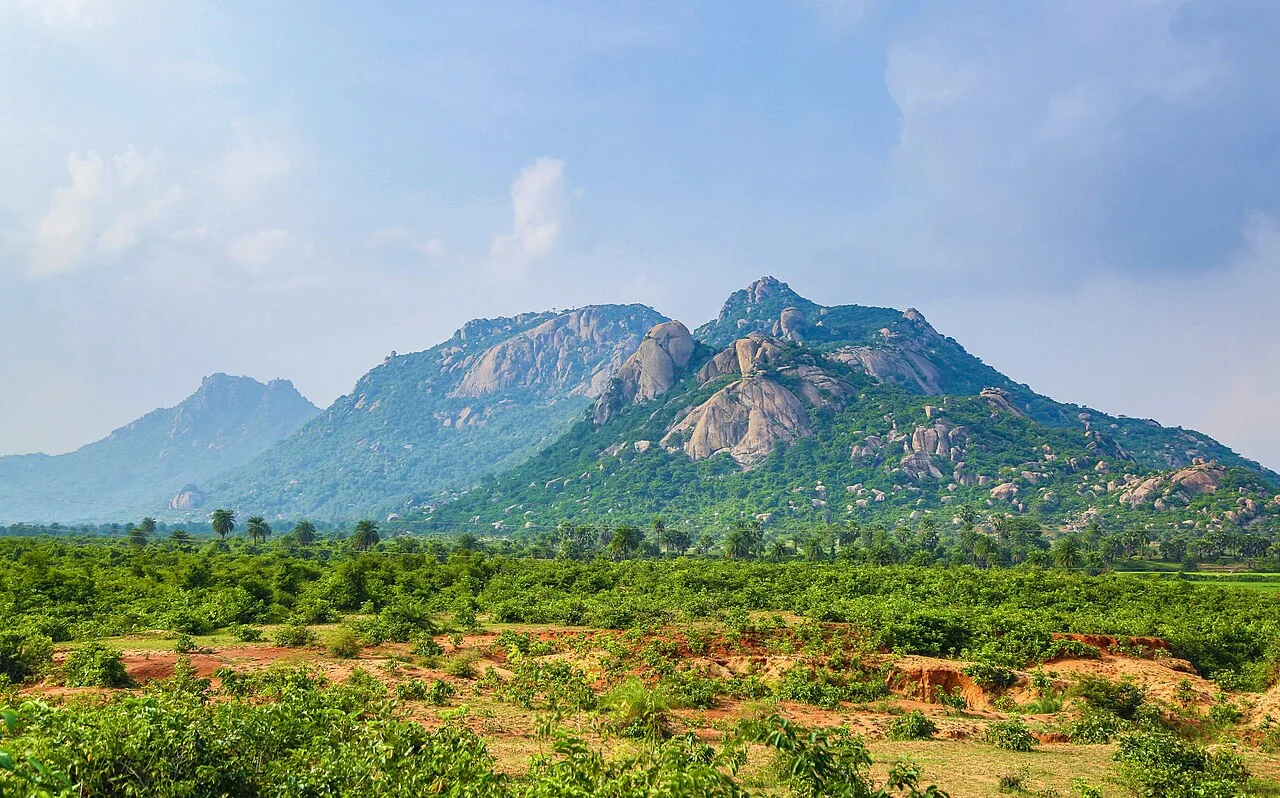
Trikut Hill
Trikut Hill is a three-peaked pilgrimage destination near Deoghar, Jharkhand. Devotees visit for its religious associations, while others climb the slopes to experience its seasonal scenery and views.
Food in Deoghar draws on the wider Jharkhand and Santhal Pargana region. Common dishes include dhuska, litti, pittha, chilka roti and arsa roti; rugra, a seasonal wild mushroom, may also appear when available. Rice-based meals are familiar, and some Adivasi communities prepare or serve handia, a fermented rice drink, in particular social and cultural settings. Local menus can be small and depend on the season, so asking what has been freshly cooked is useful. Vegetarian food is widely available, while towns also offer non-vegetarian choices. At hill or rural sites, carry water and snacks in case food options are limited.
Deoghar is more widely known as a pilgrimage destination than as a major, clearly documented craft centre. Across Jharkhand and the wider Santhal Pargana region, visitors may encounter bamboo and cane utility work, pottery, leaf-based products and Adivasi art traditions; availability varies by place and season. Sohrai and Khovar painting are well-known Jharkhand traditions, but are chiefly associated with Hazaribagh rather than specifically with Deoghar. When buying, ask where an item was made, since market goods may come from elsewhere in the state or beyond.
Shravani Mela, held during the monsoon season, is the district’s major pilgrimage period. Devotees travel to Baidyanath Temple, and the influx can make the temple area and roads busy; accommodation in Deoghar may be harder to secure, so plan ahead. Maha Shivaratri, usually in February or March, also brings worshippers. Durga Puja in autumn and Chhath in autumn or early winter are observed locally and across the wider region, with neighbourhood celebrations and gatherings. Festival dates follow religious calendars and vary from year to year.
Deoghar lies in the rolling uplands of northeastern Jharkhand, where settled agricultural land meets rocky rises, wooded patches and low hills. Trikut Hill is a prominent local feature; the district is inland, with no coast. Rivers and seasonal streams form part of the wider landscape, though local water levels and road conditions can change with the monsoon. Deoghar town is the main hub, while outings to hill areas involve travel beyond the urban centre. The mix of town roads and rural routes makes it practical to plan temple visits separately from countryside excursions.
The district has hot summers, a rainy monsoon and generally milder, drier winters. Summer can make midday outings tiring, so carry water and plan outdoor visits for cooler parts of the day. Monsoon rains can bring lush scenery but may also make hill paths slippery and slow road travel. Winter is often the most comfortable season for sightseeing and walking. For many visitors, the months after the monsoon and through winter are a good time to come; pilgrims visiting during the monsoon should be prepared for rain and crowds. Pack light clothing, sun protection, a reusable water bottle and, in the rainy season, a rain jacket and footwear with good grip.
Deoghar Airport and Deoghar Junction serve the district’s principal town. Jasidih Junction is also an important rail interchange for reaching the area. Road connections link Deoghar with towns including Dumka and other parts of Jharkhand and neighbouring states; buses and private vehicles are options for longer journeys. Within the district, local buses, auto-rickshaws and shared jeeps can help with the final leg, though services may be less frequent outside town. Trikut Hill and other outlying sites may require onward road transport, so plan for return travel as well. Check current services locally before setting out.
Deoghar town is the usual starting point for visits to the district’s listed places. Local autos and taxis can help with short journeys, while buses and shared vehicles serve some routes between towns and nearby settlements; availability can be less predictable outside town. Taxis or locally arranged vehicles are useful for reaching hill sites and combining several stops in a day. Jasidih is an important rail-connected town near Deoghar, and road links connect the area with other parts of Jharkhand and neighbouring districts. Confirm the return transport plan before travelling to rural sites, especially late in the day.
2 days: Baidyanath Temple, Naulakha Mandir, Nandan Pahar. Sleep each night in Deoghar. 3 days: Baidyanath Temple, Naulakha Mandir, Nandan Pahar, Trikut Hill. Sleep each night in Deoghar.
Deoghar is the most practical base for the listed destinations, with a range of hotels, guesthouses and dharamshalas, particularly for pilgrims. During major pilgrimage periods, rooms can be in high demand, so arranging a stay ahead of time is sensible. Jasidih can suit travellers who prefer to stay near its rail connections, though it is less central for visiting Deoghar’s sights. Smaller settlements may have limited accommodation choices; check availability and facilities before relying on a rural overnight stop. Government accommodation, where available, should be confirmed through official sources.
Temple areas can become crowded during festivals; keep valuables secure, agree on a meeting point with companions and follow local instructions. Hill paths and steps may be uneven or slippery, especially after rain, so use suitable footwear and avoid exposed sections in poor weather. Carry drinking water and use reliably treated or sealed water. Rural roads may be narrow or slower to travel than expected, and mobile coverage can vary beyond town. Take care around unfamiliar animals and do not feed wildlife. No special permit is generally associated with the listed visitor places, but check official notices before travel in case access rules change.
- Dumkaabout 66 km
- Giridihabout 74 km
- Bhagalpur · Biharabout 76 km
- Dhanbadabout 81 km
- Munger · Biharabout 98 km
- Purulia · West Bengalabout 103 km
- Bokaroabout 111 km
- Birbhum · West Bengalabout 115 km
Straight-line distance between the centres of each district's destinations; road distance is longer.
Q: How many days should I spend in Deoghar district? A: Two days can cover the main town visits; allow three days if you also want to include Trikut Hill. Q: When is the best time to visit? A: The cooler months after the monsoon and through winter are comfortable for sightseeing. The monsoon is important for pilgrimage but can be crowded and wet. Q: Where is the best base? A: Deoghar town is the most convenient base for the district’s listed destinations. Q: How do I get to Deoghar? A: Jasidih is an important nearby rail-connected town, and road travel links Deoghar with regional centres. Check current rail, road and flight options before setting out. Q: Is Deoghar suitable for families or elderly travellers? A: Yes, temple visits and town sightseeing can suit many families, but crowds, steps and hill paths may be challenging. Plan rest breaks and choose outings according to mobility.
This page draws on our 4 destination guides for Deoghar and is updated as our team checks it.
Be the first to share photos, stories, advice or a helpful contact for Deoghar.
Loading…