
District · Jharkhand
Dumka
Dumka is part of the Santhal Parganas in eastern Jharkhand, a region where Adivasi traditions, village life and Hindu pilgrimage routes meet.
Dumka lies in Jharkhand’s Santhal Parganas region, where undulating countryside, wooded patches, villages and cultivated fields shape the landscape. The district has a strong Santal presence, and its character reflects both Adivasi traditions and longstanding Hindu pilgrimage networks. Maluti is known for its cluster of historic temples and decorative terracotta work, offering a glimpse of the area’s religious and architectural heritage. Basukinath is an important temple town, drawing devotees particularly during the Shravan pilgrimage season. Masanjore Dam, on the Mayurakshi River, adds a broad reservoir landscape to the district’s attractions. Together, these places make Dumka a destination for village heritage, pilgrimage and unhurried journeys through eastern Jharkhand.
Dumka is part of the Santhal Parganas in eastern Jharkhand, a region where Adivasi traditions, village life and Hindu pilgrimage routes meet. Travellers come for the terracotta temples of Maluti, the Shiva shrine at Basukinath and the reservoir scenery of Masanjore Dam on the Mayurakshi River. The district is also a useful place to encounter the cultural presence of the Santal community, while travelling through cultivated countryside and wooded stretches. Dumka suits visitors who prefer a slower itinerary combining religious heritage, rural landscapes and regional culture rather than a single large city attraction.
Dumka’s history is closely tied to the wider Santhal Parganas, a region inhabited by Indigenous communities, including the Santal and Paharia peoples. Maluti’s temple cluster reflects the patronage of local rulers; local accounts associate its development with the Baj Basanta line, though details of the tradition vary. During British rule, growing disputes over land, moneylending and colonial authority contributed to the Santhal rebellion of 1855–56, led by Sido and Kanhu Murmu and other leaders. In its aftermath, the British established the Santhal Parganas as a distinct administrative area. Dumka became an important administrative centre in the region. The old Santhal Parganas district was later reorganised, and Dumka became a separate district in 1983. In 2000, it became part of the newly formed state of Jharkhand, when the state was separated from Bihar. The district’s heritage today reflects these layered histories, from local temple traditions to the continuing cultural life of Santal communities.
3 destination guides · 2 on the map
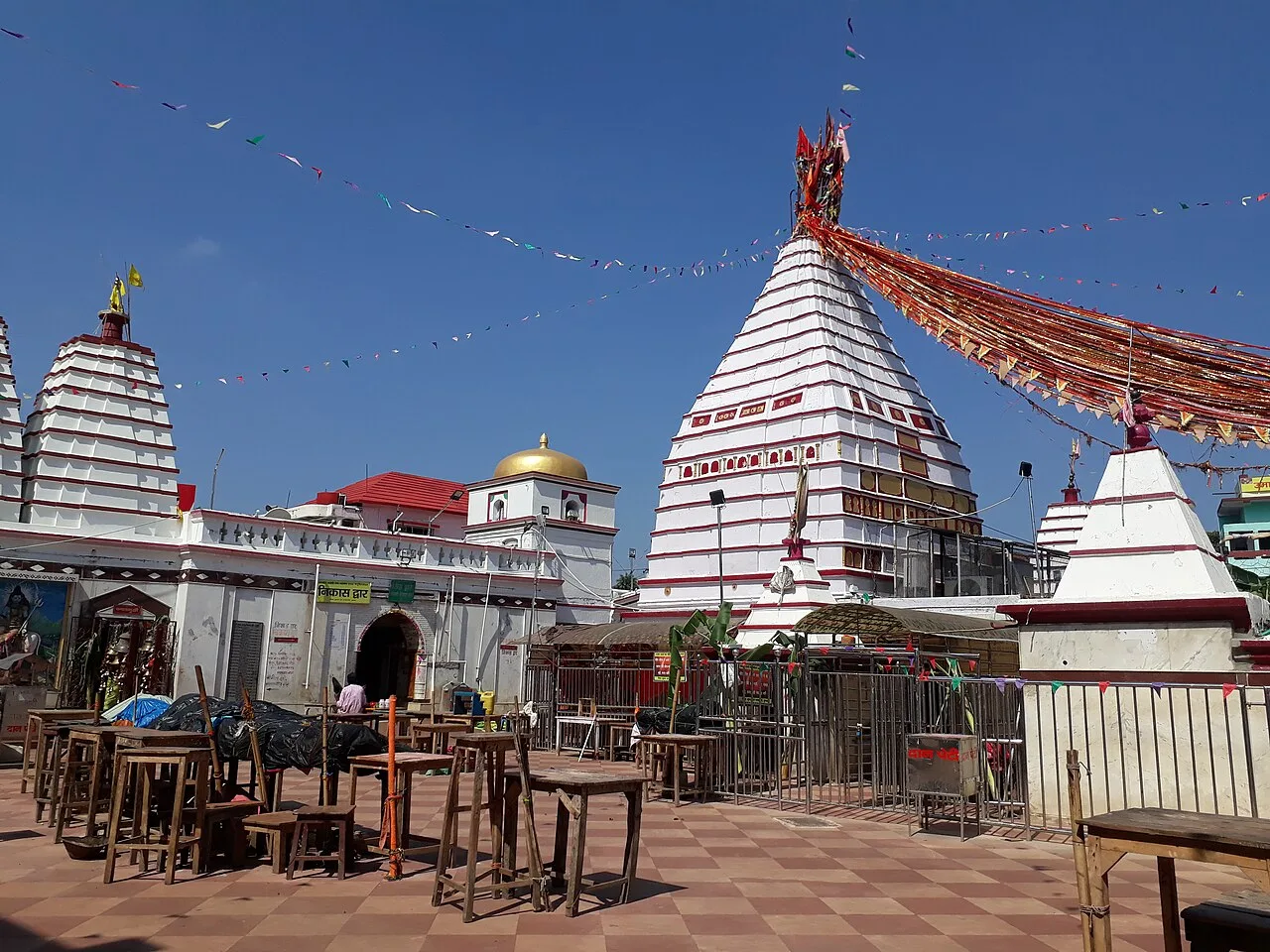
Basukinath
Basukinath is a temple-centred town with notified-area status in Jharkhand’s Dumka district. Visitors come for its association with temples.
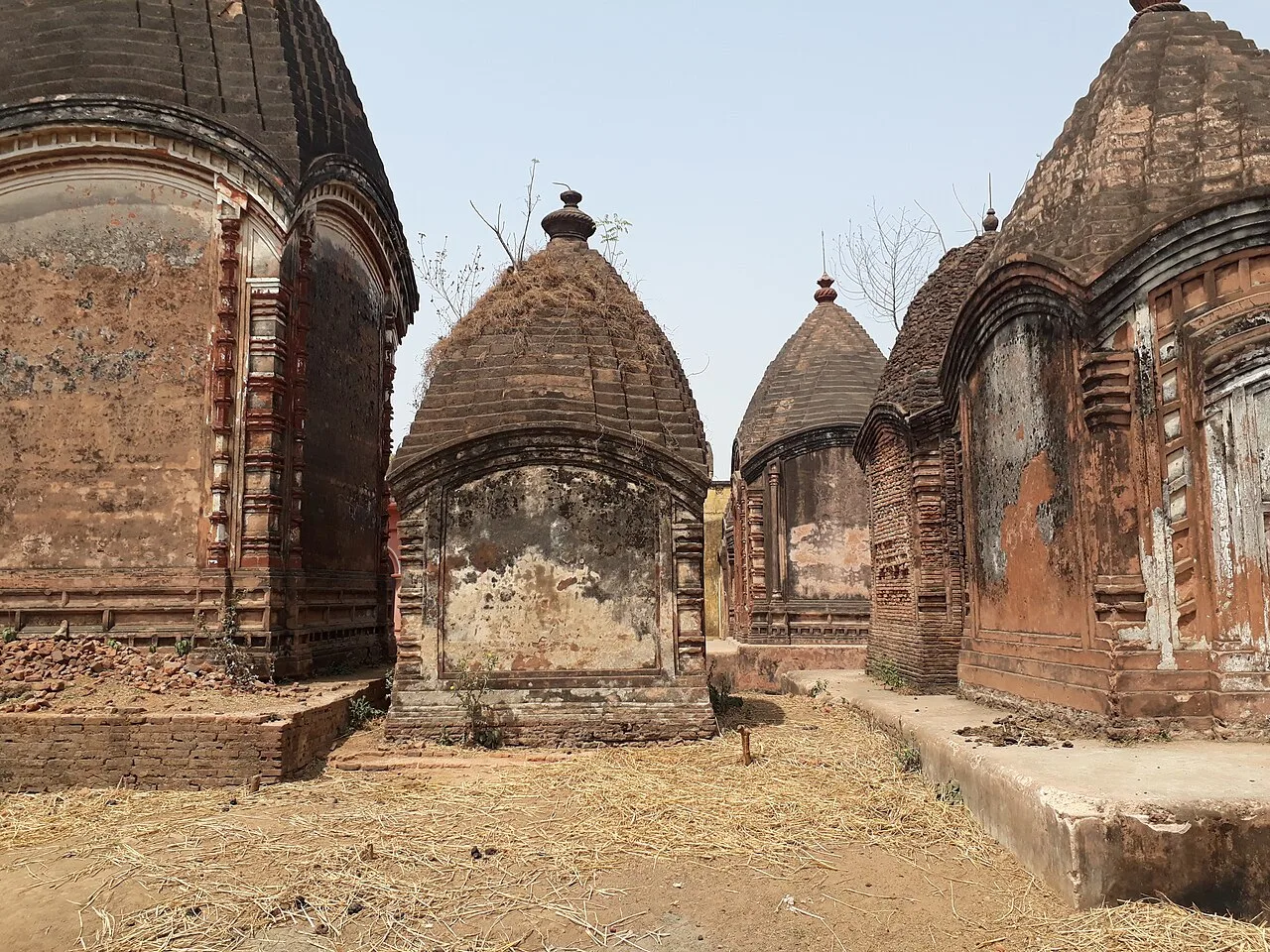
Maluti
Maluti, a village in Jharkhand’s Dumka district, is noted for its historic temples, whose imagery depicts episodes from Hindu epics.
Masanjore Dam
Masanjore Dam is a dam and reservoir in Dumka district, Jharkhand. Visitors can see the site for its defining features as a dam and body of water.
Food in Dumka draws on the wider traditions of Jharkhand and neighbouring eastern India. Rice, pulses, seasonal vegetables and leafy greens underpin everyday meals. Regional dishes worth asking for include dhuska, a fried rice-and-pulse preparation; chilka roti; pittha; and sweet arsa roti. Rugra is a seasonal edible fungus associated with Jharkhand, rather than something available year-round. Handia, a fermented rice drink, and mahua-based preparations have cultural significance in some Adivasi communities. Availability varies between households, markets and eateries. Ask what has been freshly cooked, and carry drinking water and snacks when visiting rural sites.
Maluti’s terracotta temple ornamentation is the district’s clearest introduction to historic craftsmanship, with moulded panels and decorative brickwork forming part of its architectural heritage. These are monuments to appreciate, not a guarantee of an active souvenir-making industry. Across the wider Santhal Parganas and Jharkhand region, bamboo basketry, practical woodwork and leaf-based household items reflect locally available materials and everyday needs. Santal communities also have traditions of decorating homes and making musical instruments. Ask locally about village markets and practising artisans; specialist craft shops should not be assumed at every destination.
Basukinath becomes especially busy during Shravan, usually in the monsoon season, when pilgrims visit the Shiva temple as part of regional pilgrimage journeys. Rooms and transport can be more heavily sought after around this period. Santal festivals celebrated in the wider region include Baha, a spring festival associated with flowers, and Sohrai, linked with the harvest season; Karam is also observed in many communities. Dates and customs vary locally. Visitors interested in attending should be respectful of community practices and check local arrangements, as festival activity may affect access and availability.
Dumka has an undulating inland landscape of cultivated fields, villages, wooded patches and low hills, rather than a continuous mountain range. The Mayurakshi River and the reservoir at Masanjore add broad waterside scenery to the district. Roads connect settlements across this varied terrain, but rural stretches can be slower to cover than town routes, particularly during the monsoon when surfaces may become muddy or damaged. The countryside is part of the experience: allow time for journeys between sights and do not assume that transport will be readily available at every village.
Dumka has hot summers, a monsoon season and generally cooler, drier winters. Summer travel can feel tiring in the heat, while rain during the monsoon may slow road journeys and make rural paths slippery. The cooler months, broadly from October to March, are often the most comfortable for visiting temples, villages and the reservoir. Pack light clothing and sun protection for warmer days, and carry a rain layer and footwear with good grip during the wet season. In winter, bring a light warm layer, particularly for mornings and evenings. Check local conditions before setting out.
Dumka railway station is a useful rail gateway for the district. Deoghar Airport is a practical air option, especially for Basukinath, while Durgapur’s Kazi Nazrul Islam Airport may suit journeys approaching Maluti from West Bengal. The best choice depends on your itinerary and available connections. Road links connect Dumka with Deoghar and neighbouring towns in Jharkhand and West Bengal. Buses and shared jeeps serve many inter-town routes; hired vehicles offer greater flexibility for Maluti and Masanjore Dam. Confirm the return journey before travelling to rural sites, where onward transport may be limited. Check current services locally.
Dumka town is a practical road hub for journeys to Basukinath, Maluti and Masanjore Dam. Local buses and shared jeeps serve some inter-town routes, while autos are useful for shorter trips where available. A hired car or taxi gives more flexibility for combining rural sights, especially when onward public transport is uncertain. Services may be less frequent outside larger settlements, so confirm return arrangements before leaving town. Roads can be affected by monsoon weather, and travel times may vary. There are no routine passenger boat services to rely on for sightseeing at Masanjore Dam.
2 days: Basukinath → Maluti; sleep night 1 in Dumka. 3 days: Masanjore Dam → Maluti → Basukinath; sleep nights 1 and 2 in Dumka. 4 days: Basukinath → Maluti → Masanjore Dam; sleep nights 1–3 in Dumka.
Dumka town is the most practical base for combining the district’s sights, with a wider choice of ordinary hotels and local services than rural areas. Basukinath can suit pilgrims who want to stay near the temple, where basic accommodation and dharamshalas may be available, particularly during pilgrimage periods; confirm arrangements in advance. Options near Maluti and Masanjore Dam are more limited, so a day visit from Dumka is often simpler. Homestays or government accommodation may be available in some places, but availability and facilities vary.
Plan extra time for rural roads, which may be uneven or affected by monsoon rain; use care on slippery paths and near the reservoir’s edges. Carry drinking water and use treated or sealed water where its source is uncertain. Forested and village stretches can have limited mobile connectivity, so share your route and return plan. Wildlife is not a usual attraction on these circuits, but avoid approaching animals and follow local advice. Shravan crowds at Basukinath can make movement and accommodation more difficult. No general special permit requirement is known for these listed sights; confirm officially if local restrictions or access rules apply.
- Birbhum · West Bengalabout 54 km
- Deogharabout 66 km
- Dhanbadabout 84 km
- Murshidabad · West Bengalabout 91 km
- Bhagalpur · Biharabout 92 km
- Purulia · West Bengalabout 103 km
- Sahibganjabout 103 km
- Malda · West Bengalabout 113 km
Straight-line distance between the centres of each district's destinations; road distance is longer.
Q: How many days should I spend in Dumka? A: Two days can cover a focused visit; three or four days allow a more relaxed circuit including all three listed sights. Q: When is the best time to visit? A: October to March is generally more comfortable for travel. Shravan is important for pilgrimage but can be crowded and wet. Q: Where is the best base for exploring? A: Dumka town is the most practical base for Maluti and Masanjore Dam, while Basukinath suits temple visitors. Q: How do I get to Dumka? A: Dumka railway station is a useful rail gateway. Deoghar Airport or Kazi Nazrul Islam Airport may suit different itineraries; check current connections and road transport. Q: Is Dumka suitable for families or elderly travellers? A: Yes, with planning. Choose a comfortable vehicle, allow extra travel time and consider stairs, uneven surfaces, crowds and the heat when selecting visits.
This page draws on our 3 destination guides for Dumka and is updated as our team checks it.
Be the first to share photos, stories, advice or a helpful contact for Dumka.
Loading…