
District · Jharkhand
Bokaro
Bokaro offers a view of two sides of Jharkhand: the planned industrial city built around a major public-sector steel plant, and the rural plateau landscape beyond it.
Bokaro district brings together the industrial landscape of the Damodar valley and the quieter countryside of Jharkhand’s Chota Nagpur Plateau. Its best-known centre, Bokaro Steel City, is a planned city shaped by the development of a major public-sector steel plant in the decades after independence. Broad roads, residential sectors and industrial infrastructure give it a different character from the surrounding villages and agricultural land. Garga Dam adds a reservoir landscape to the district’s visitor attractions. Beyond the steel-city identity, Bokaro belongs to a wider region with longstanding Adivasi communities and rural traditions. A visit is best approached as a combination of planned-city exploration and modest countryside outings, rather than a circuit of heavily developed tourist sites.
Bokaro offers a view of two sides of Jharkhand: the planned industrial city built around a major public-sector steel plant, and the rural plateau landscape beyond it. Bokaro Steel City is the district’s best-known centre, with broad roads and residential sectors reflecting its post-independence development. Garga Dam provides a quieter reservoir outing, while the wider district is part of a region with longstanding Adivasi communities and rural traditions. Bokaro suits travellers interested in modern industrial history and a modest countryside visit more than those seeking a dense circuit of developed tourist attractions. It also makes a useful stop between other towns in the Damodar valley.
The Bokaro region lies within the broader Chota Nagpur Plateau, an area with longstanding Adivasi communities and histories shaped by local societies and changing regional administration. Under British rule, the wider Damodar valley became increasingly associated with coal extraction, rail links and industrial development. The area that is now Bokaro was administered within the changing district boundaries of the region, including Dhanbad district before Bokaro became a separate district in 1991, formed from parts of Dhanbad and Giridih districts. After independence, the development of the Bokaro Steel Plant transformed the area. Planned from the 1960s with Soviet assistance, the plant began production in the early 1970s, and the adjoining planned city grew to house workers and services. Bokaro district became part of the new state of Jharkhand when it was formed in 2000. The city’s layout and industrial identity remain closely tied to this post-independence public-sector project, while villages and rural communities preserve a different, older pattern of life across the district.
2 destination guides · 1 on the map
Bokaro Steel City
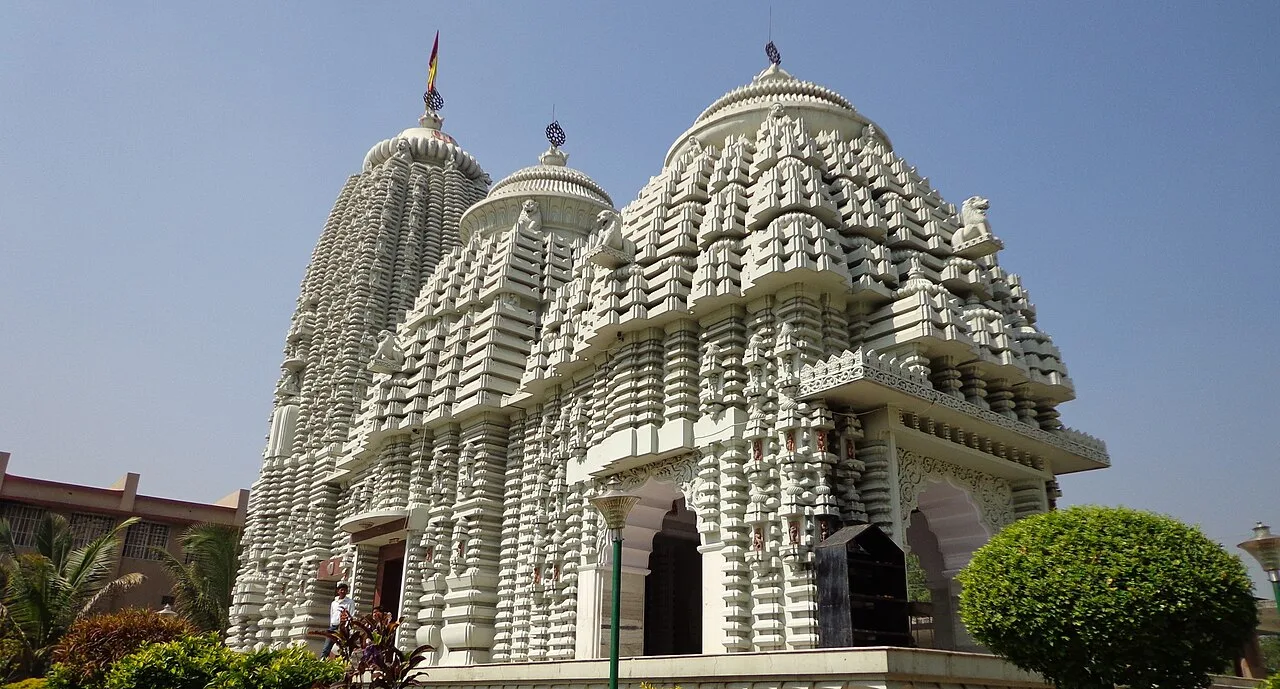
Bokaro Steel City is a planned industrial centre in Jharkhand. Visitors come for its zoo, dam, parks and shopping mall, while the city is also known for its steel industry.
Garga Dam
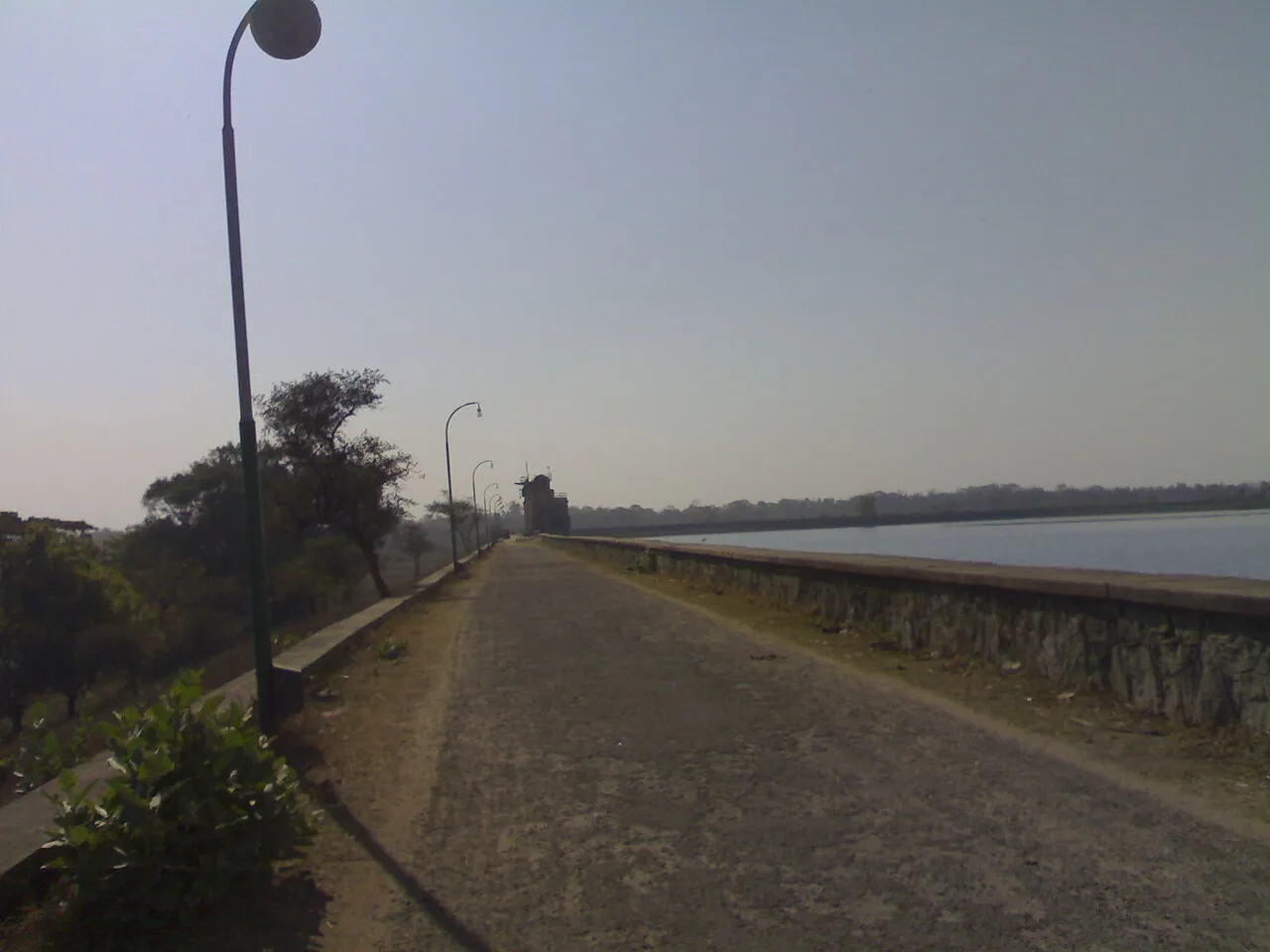
Garga Dam is a dam and reservoir in Bokaro district, Jharkhand. Visitors seeking to see the site can focus on its two defining features: the dam and the reservoir.
Food in Bokaro reflects the wider traditions of Jharkhand alongside the varied everyday cooking of an industrial city. Look for dhuska, a fried rice-and-pulse preparation, as well as litti, pittha, chilka roti and sweet arsa roti. Seasonal rugra mushrooms and other locally gathered ingredients feature in regional cooking, though availability varies. Handia, a fermented rice drink, and mahua-based preparations are associated with some Adivasi communities; they are not universal restaurant offerings. Vegetarian meals are generally easy to find in town, with non-vegetarian choices also available. Ask small eateries what has been freshly prepared, and carry drinking water and snacks when visiting outlying places such as Garga Dam.
Bokaro is better known for steelmaking than for a single signature handicraft. For a broader cultural context, Jharkhand’s craft traditions include bamboo basketry, woodwork, dokra metal casting and tasar silk weaving. These are regional associations, not evidence that every craft is produced or readily sold within Bokaro district. Sohrai and Khovar painting traditions are particularly associated with the Hazaribagh area and should not be presented as uniquely Bokaro art. When browsing local markets or exhibitions, ask where an item was made and who produced it; availability of handmade work can be irregular.
Sarhul, celebrated in spring, and Karma, usually observed in the monsoon season, are important in the wider region, particularly among Adivasi communities. Sohrai is associated with the post-harvest period, while Chhath is widely observed in the autumn by communities across Jharkhand. The exact customs and scale vary between local communities and settlements. Festival periods can bring more visitors to family homes and public gatherings, and may make rooms in Bokaro Steel City busier around major holidays. Travellers should check local event information and arrange accommodation ahead during holiday periods.
Bokaro lies in the Damodar valley on the Chota Nagpur Plateau. The Damodar and its tributaries shape the district, while Garga Dam creates a reservoir setting near the urban area. Away from Bokaro Steel City, the landscape includes cultivated land, villages and patches of vegetation, with the plateau’s gently varied terrain influencing road journeys. The city’s planned roads contrast with less urban rural routes. Visitors heading to the dam or countryside should confirm road access and return transport in advance, as services may be less dependable away from the main urban areas.
Bokaro has hot summers, a monsoon season and cooler winters. Summer heat can make midday outdoor visits tiring, while monsoon rain may affect rural roads and make journeys less predictable. The cooler, generally drier months from about October to February are usually the most comfortable for exploring the city and visiting Garga Dam. Lightweight clothing is useful for much of the year; pack sun protection and a hat in summer, and a light warm layer for winter mornings and evenings. During the monsoon, carry rain protection and allow flexibility in travel plans. Check local conditions before setting out for countryside areas.
Bokaro Steel City railway station is the principal rail gateway for the city. Birsa Munda Airport in Ranchi is a practical airport gateway for onward travel by road; do not assume that an airport bearing Bokaro’s name has suitable scheduled passenger services. Road connections link the district with Ranchi, Dhanbad and other Jharkhand towns. Intercity buses and hired cars are useful for reaching Bokaro, while auto-rickshaws and locally arranged vehicles serve shorter journeys. For Garga Dam, confirm the approach and return transport before leaving, rather than relying on transport being available at the site. Check current services locally.
Bokaro Steel City is the district’s main urban transport base, with road links to nearby Jharkhand towns including Dhanbad and Ranchi. Local buses, auto-rickshaws and other locally arranged vehicles can help with journeys within the city, while hired cars are useful for reaching places beyond its regular urban routes. Services to rural areas may be limited or irregular, so arrange onward and return transport before travelling to Garga Dam. Do not assume that a vehicle will be available at the dam for the return journey. Confirm current road conditions and transport options locally.
2 days: Bokaro Steel City; Garga Dam — sleep in Bokaro Steel City. 3 days: Bokaro Steel City; Garga Dam; Bokaro Steel City — sleep in Bokaro Steel City on both nights.
Bokaro Steel City is the practical base for both listed destinations, with the broadest choice of ordinary hotels and guest accommodation. It is also the sensible overnight stop for a visit to Garga Dam, where visitors should not count on finding accommodation nearby. Homestays, government lodges or dharamshalas may be available in the wider area, but availability and suitability can vary; confirm directly before relying on them. Book ahead during major festival periods and public holidays, when rooms may be more sought after.
Use sun protection and carry water, especially during hot weather; drink safe, treated or sealed water. After monsoon rain, check road conditions before travelling outside the city, and avoid rushing on unfamiliar rural roads. At Garga Dam, keep to safe public areas and take care near water, particularly with children. Crowds can increase during festivals and holidays, so allow extra time in busy areas. Mobile connectivity may be less reliable away from the city. No special permit requirement is known for these listed destinations, but confirm access rules with local authorities if plans change.
- Giridihabout 41 km
- Ramgarhabout 45 km
- Purulia · West Bengalabout 59 km
- Dhanbadabout 63 km
- Hazaribaghabout 72 km
- Seraikela Kharsawanabout 78 km
- Ranchiabout 91 km
- East Singhbhumabout 93 km
Straight-line distance between the centres of each district's destinations; road distance is longer.
Q: How many days should I spend in Bokaro district? A: Two days can cover Bokaro Steel City and Garga Dam at a relaxed pace; add a day if you want a slower visit. Q: When is the best time to visit? A: The cooler months, roughly October to February, are generally the most comfortable for sightseeing. Q: Where is the best base? A: Bokaro Steel City is the most practical base for the district’s listed destinations and onward transport. Q: How do I get to Bokaro? A: Bokaro Steel City railway station is the main rail gateway. Ranchi’s Birsa Munda Airport is a practical air gateway for onward road travel; check current services locally. Q: Is Bokaro suitable for families or elderly travellers? A: Yes, a city-based visit can suit many families and older travellers. Plan transport to Garga Dam in advance and take care near the water.
This page draws on our 2 destination guides for Bokaro and is updated as our team checks it.
Be the first to share photos, stories, advice or a helpful contact for Bokaro.
Loading…