
District · Jharkhand
Palamu
Palamu offers a view of western Jharkhand through its agricultural countryside, forested uplands and the busy regional centre of Medininagar, also known as Daltonganj.
Palamu lies in western Jharkhand, where forested uplands, river valleys and settled agricultural land shape a landscape that changes between town and countryside. The North Koel and its tributaries drain the region, while forests associated with Palamu Tiger Reserve extend across Palamu and neighbouring Latehar. Medininagar, also known as Daltonganj, is the district’s main urban centre. The wider Palamu region has a long history linked to Chero rulers; ruined forts near Betla are reminders of that past, though they lie in present-day Latehar district. Today, Palamu’s character is a mix of rural communities, forest landscapes and busy local markets, with travel between places often taking time.
Palamu offers a view of western Jharkhand through its agricultural countryside, forested uplands and the busy regional centre of Medininagar, also known as Daltonganj. The district is closely associated with the North Koel river system and the wider Palamu forest region, including landscapes linked to Palamu Tiger Reserve. Its history is connected with the Chero rulers, while local markets and rural settlements show the rhythms of everyday life beyond the main town. The destinations listed here—Betla National Park and Palamu fort—are in present-day Latehar district, but are commonly approached as part of a wider visit to the Palamu region.
The Palamu region has a long history associated with Chero chiefs and rulers. Their power grew in the medieval period, and the Chero rulers are remembered particularly for the forts near Betla. The remains of the old and new Palamu forts are in present-day Latehar district, not Palamu district. Over time, control of the region shifted amid contests between local rulers and expanding neighbouring powers. During the colonial period, Palamau became part of British-administered Chota Nagpur; its forests and land were also shaped by colonial administration and revenue systems. Palamau district was established under British rule in 1892, with Daltonganj as its headquarters. After Independence it remained part of Bihar until Jharkhand was formed as a separate state in 2000. Later administrative changes created neighbouring districts, including Latehar, from territory that had been part of the wider Palamu region. The present district’s history is therefore best understood alongside the changing boundaries of this western Jharkhand region.
2 destination guides
Betla National Park
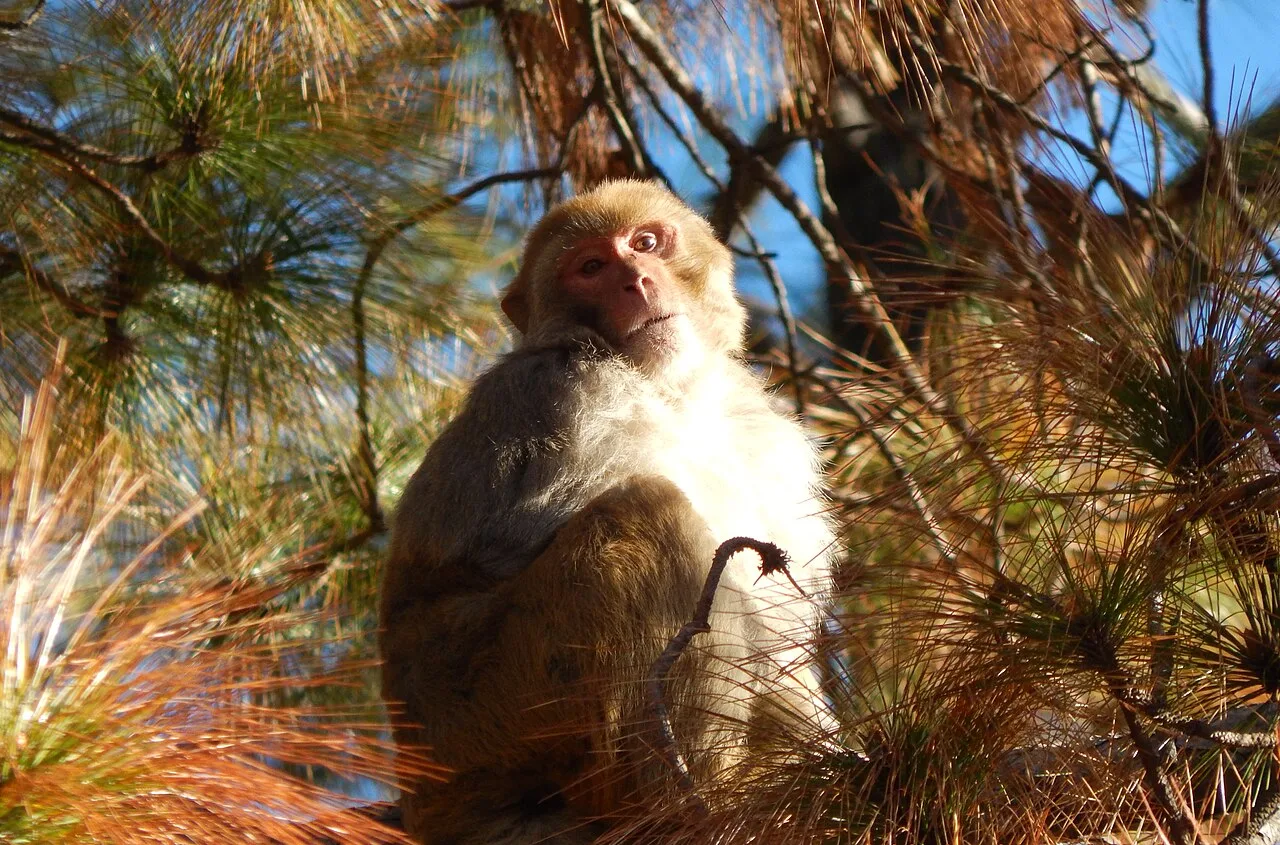
Betla National Park is in Jharkhand’s Palamu and Latehar districts. Visitors come for its varied wildlife and to experience the state’s only national park.
Palamu fort
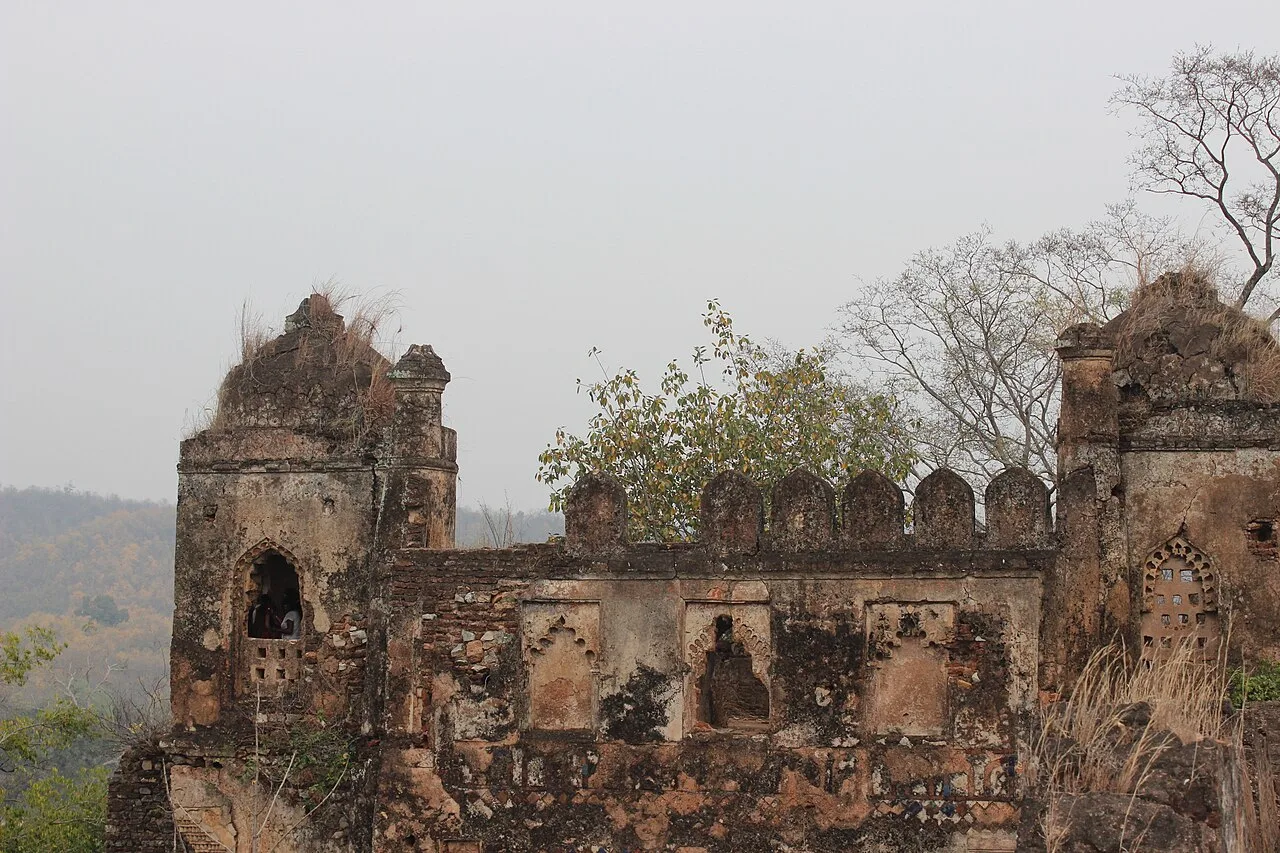
Palamu Fort is a pair of ruined strongholds in Jharkhand, associated with the Chero dynasty. Visitors come to see their remains near Betla National Park and the Auranga River.
Palamu’s food reflects wider Jharkhand traditions, with dishes such as dhuska, litti, pittha and chilka roti found in the region. Seasonal ingredients may include rugra, a local mushroom, and bamboo shoots; availability varies. Some Adivasi communities prepare handia, a fermented rice drink, and mahua-based foods or drinks are also part of regional food traditions. Small eateries may cook a limited menu each day, so it is worth asking what is fresh. Vegetarian choices are common, while larger towns also offer non-vegetarian meals.
Palamu is not widely associated with a single signature craft, but practical handmade goods are part of the wider craft traditions of Jharkhand. Bamboo and cane work, including baskets and other household items, and leaf products such as plates are found in parts of the region; what is available varies by locality and season. Forest materials and locally available resources have long informed everyday making. Visitors may encounter these goods in village markets, though they should not assume that every item is locally made or readily available.
Sarhul, a spring festival associated with nature and community worship, and Karma, generally observed during the monsoon season, are celebrated by Adivasi communities in the region. Sohrai is a post-harvest festival, while Chhath, usually observed in autumn, is widely marked in towns and villages. Holi and Diwali are also celebrated. Local fairs and market gatherings may accompany religious and seasonal occasions, though their scale varies by place. Travel and accommodation can be busier around major festival periods, particularly in Medininagar, so visitors should check local conditions and arrange stays ahead when travelling then.
Palamu’s landscape shifts between cultivated plains, river valleys and forested uplands. The North Koel and its tributaries drain the district, while forest belts connect with the wider Palamu forest region and neighbouring Latehar. The terrain and settlement pattern mean that journeys between towns and rural places can take longer than map distances suggest. Roads are the main way to explore; some forest-side destinations require a local vehicle and planning. Betla National Park and Palamu fort, both in Latehar district, lie within this broader landscape rather than within Palamu’s current boundaries.
Summer, broadly from March into June, can bring strong heat, making early-day travel more comfortable. The monsoon months bring rain, greener countryside and the possibility of slower road journeys, muddy approaches or local disruption. Winter is generally the more comfortable season for sightseeing and outdoor activities. October to February is usually a good period to visit, while conditions can vary from year to year. Pack light, breathable clothing for warm weather, a rain layer and footwear with good grip during the wet season, and a warm layer for winter mornings and evenings. Check local forecasts before travelling to forest areas.
Daltonganj railway station, serving Medininagar, is the main rail gateway for Palamu. Gaya Airport is a nearby operating airport, though road travel from it takes longer than a map distance may suggest; Ranchi is another option for air connections. Roads link Medininagar with Ranchi, Garhwa and Latehar. For onward travel, buses, shared vehicles and hired cars serve larger settlements, while places such as Betla may require a local vehicle and advance planning. Services can be limited outside towns, so check current connections and local transport options locally.
Medininagar is Palamu’s main transport hub, with road links towards Garhwa, Latehar and Ranchi. Buses and shared vehicles connect larger settlements, while autos are useful for shorter journeys in and around towns. Hired cars offer greater flexibility for countryside travel and for reaching places with limited public services. Betla National Park and Palamu fort are in neighbouring Latehar district; arrange onward transport locally rather than assuming frequent connections. Roads beyond the main routes may be slower, especially during the monsoon, so allow flexibility and confirm current services before setting out.
2 days: Betla National Park → Palamu fort; sleep near Betla on night one. 3 days: Palamu fort → Betla National Park; sleep in Medininagar on night one and near Betla on night two.
Medininagar is the practical base for exploring Palamu’s towns and arranging onward road travel. For a visit centred on Betla National Park and Palamu fort, both in Latehar district, staying near Betla can reduce backtracking; check accommodation availability locally. Depending on the place, visitors may find hotels, guesthouses, government lodges or basic community-run stays, while dharamshalas may be available in larger towns. Choices and services are more limited outside urban centres, so confirm facilities and reserve ahead during busy periods.
Road journeys can be slow, and rural or forest-side routes may become difficult in heavy monsoon rain; check conditions locally and avoid rushing after dark. In forest areas, follow staff instructions, keep a safe distance from wildlife and do not walk into restricted zones. Carry drinking water and use safe, treated water, particularly in remote places. Mobile connectivity may be patchy outside towns, so share plans and keep essential supplies with you. Confirm current park access and any activity-specific permissions with official authorities before visiting; do not assume that entry or safari arrangements are available on arrival.
- Lateharabout 45 km
- Gumlaabout 67 km
- Aurangabad · Biharabout 89 km
- Rohtas · Biharabout 103 km
- Chatraabout 107 km
- Gaya · Biharabout 121 km
- Ranchiabout 127 km
- Sonbhadra · Uttar Pradeshabout 136 km
Straight-line distance between the centres of each district's destinations; road distance is longer.
Q: How many days should I spend in Palamu? A: Two or three days allows time for Medininagar and a regional outing; allow extra time if road connections are limited. Q: When is the best time to visit? A: October to February is generally the most comfortable period for sightseeing and outdoor visits. Q: What is the best base for a visit? A: Medininagar is the most practical base in Palamu; stay near Betla for easier access to the listed Latehar destinations. Q: How do I get to Palamu? A: Daltonganj railway station serves Medininagar. Road connections link the town with nearby districts, and onward travel can be arranged by bus, shared vehicle or hired car. Q: Is Palamu suitable for families or elderly travellers? A: Yes, with planning. Choose accommodation and transport for your needs, allow extra time on rural roads, and check walking requirements and current access conditions for forest visits.
This page draws on our 2 destination guides for Palamu and is updated as our team checks it.
Be the first to share photos, stories, advice or a helpful contact for Palamu.
Loading…