
Ghumoopedia — Explore, Discover, Experience
Sign in
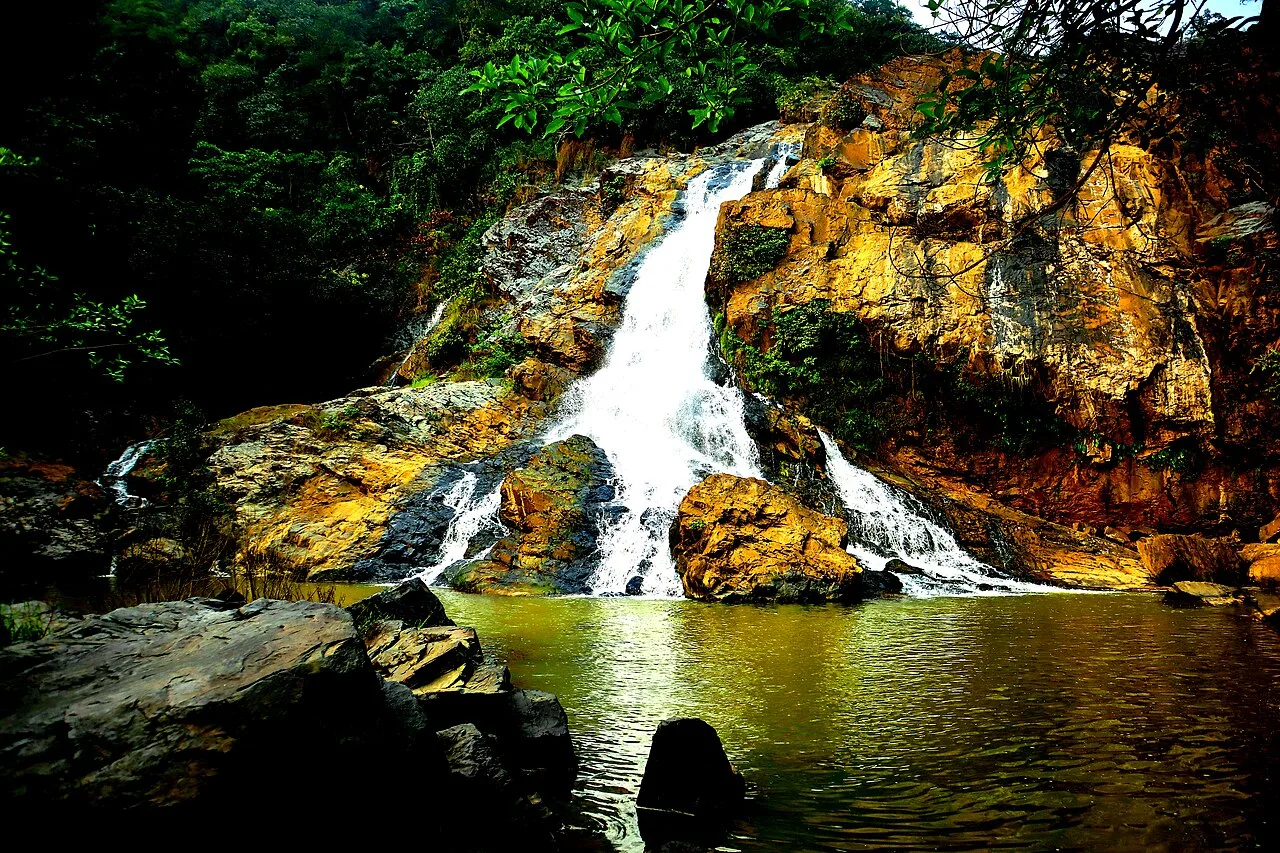
Hirni Falls, near Khunti

City guide · Jharkhand

Khunti

Khunti is the administrative headquarters of Khunti district in Jharkhand’s South Chotanagpur region. Its importance comes from its role as a service and market centre for a largely rural area, as well as its close connection to the history of the Munda people and the movement led by Birsa Munda.

Famous for

  • Birsa Munda heritage
  • Ulihatu birthplace
  • Dombari Buru
  • Panchghagh Falls
  • Munda cultural traditions
In the city
0
Nearby
2
Districts
West Singhbhum, Ranchi
Plan a trip

Why Khunti matters

Khunti is the administrative headquarters of Khunti district in Jharkhand’s South Chotanagpur region. Its importance comes from its role as a service and market centre for a largely rural area, as well as its close connection to the history of the Munda people and the movement led by Birsa Munda. The town is a useful base for exploring nearby places associated with that history and the plateau landscape of hills, forests and streams.

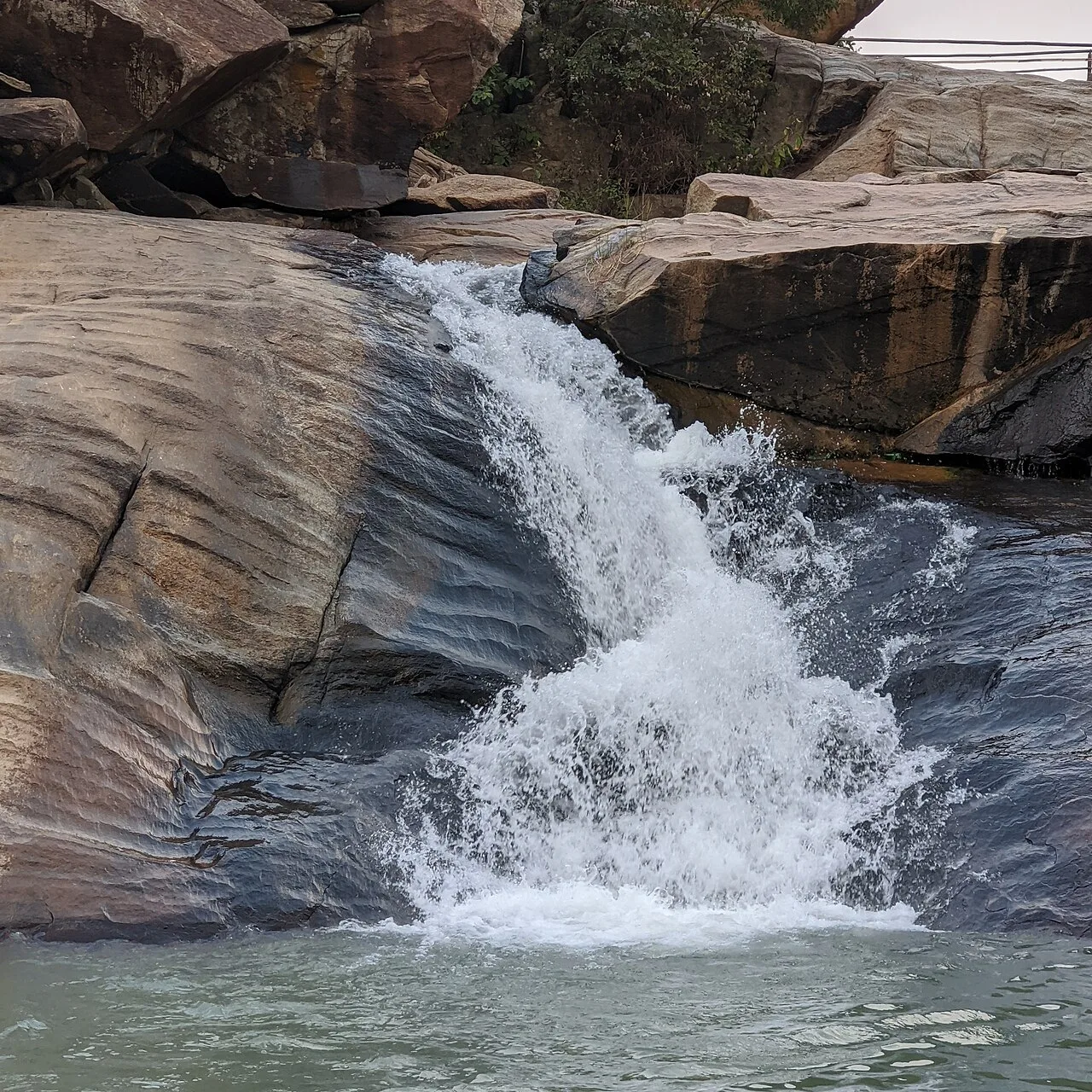
Visitors often include Ulihatu, recognised as Birsa Munda’s birthplace, and Dombari Buru, a central site in the movement. Panchghagh Falls offers a different draw, with streams cascading over a rocky setting. Khunti is not a large resort destination: its appeal lies in combining local history and everyday town life with short excursions into the surrounding countryside. The district’s undulating terrain and rural settlements also make it a place to learn about the region’s relationship with its land and Adivasi communities. Visitors should plan transport for outlying sites rather than assume they are within walking distance of the town centre.
Famous for: crafts, trade & products

Khunti is better known for its regional history and rural setting than for a distinctive textile, handicraft or organised shopping industry. There is no widely recognised city-specific saree or GI-tagged product to seek out. The town’s everyday shops and market serve residents from Khunti and nearby villages, with ordinary household goods and locally traded produce forming a more useful picture of commerce than specialist souvenir shopping.

In the wider district, farming and forest-linked livelihoods are important; lac and tamarind are among products associated with rural production in the region. Their availability can be seasonal and varies by seller, so visitors looking for them should ask at the central market or local produce shops rather than expect a dedicated craft bazaar. Khunti’s strongest cultural “product” is its living connection to Munda heritage, best understood through respectful visits to Ulihatu and Dombari Buru. These are heritage places, not retail attractions. Visitors should avoid treating sacred or commemorative sites as shopping venues, and should ask locally before photographing people or ceremonies.

History

Khunti lies in the Chota Nagpur plateau region, where Munda communities have deep historical ties to the land. The area is particularly associated with Birsa Munda and the late nineteenth-century movement against colonial authority and exploitative arrangements affecting Adivasi communities. Ulihatu, regarded as Birsa Munda’s birthplace, and Dombari Buru, a focal point of the movement, keep this history visible in the surrounding landscape.

During British rule, the region experienced the wider political and social changes that reshaped administration across the Chota Nagpur area. Khunti developed as a local centre serving surrounding settlements. In modern Jharkhand it became the headquarters of its own district, which was separated from Ranchi district in 2007. That administrative role has strengthened the town’s importance for public services and trade, while its historical identity remains closely linked to Munda resistance and regional Adivasi heritage.

Food, festivals & culture

Everyday food in Khunti and the surrounding region is centred on rice, often accompanied by seasonal vegetables, pulses and locally available forest produce. Visitors may encounter Jharkhand favourites such as dhuska and rice-based pitha, though menus vary between homes, stalls and eateries. Handia, a traditional fermented rice drink, is part of some community and ceremonial settings; it is not offered everywhere, and visitors should follow local etiquette when it is shared.

Sarhul, celebrated in spring, honours the relationship between communities, nature and the sacred sal tree. Karma, usually observed during the monsoon season, features songs and group dancing; harvest-season observances such as Sohrai are also important in parts of the region. Munda traditions include communal singing, drums and circle dances at gatherings. Mundari is an important local language, alongside Hindi and Sadri or Nagpuri. Places of worship include Sarna sacred groves and local temples; Amreshwar Dham near Angrabari is a regional pilgrimage destination. Visitors should be considerate around ceremonies and sacred sites.

Visiting the city

The cooler, drier months from October to March are generally the most comfortable for exploring Khunti and its outdoor attractions. The nearest airport is Birsa Munda Airport in Ranchi; Ranchi Junction is the main railway station commonly used to reach the area. From Ranchi, visitors can continue by road using buses, shared vehicles or a hired car. Local autos and other road transport serve the town, while trips to outlying sites are easier to arrange in advance.

Explore the central market and town centre for everyday shops and local services. Ulihatu, Dombari Buru and Panchghagh Falls make worthwhile excursions, but are separate stops rather than parts of a compact walking circuit. Allow time for road travel and check local conditions before setting out, especially during the rainy season. Respect community customs at heritage and worship sites.

Short trips

Around Khunti

Within about 40 km — easy half-day or day trips from the city.

Map

Khunti on the map

  1. 1Hirni Falls
  2. 2Panchghagh Falls

Jharkhand

Other cities to explore