Ghumoopedia — Explore, Discover, Experience
Sign in
Mayapur, near Katwa

City guide · West Bengal

Katwa

Katwa is a sub-divisional town and railway junction in Purba Bardhaman district, serving as an important centre for the surrounding towns and villages. Its location near the meeting of the Ajay and Bhagirathi rivers, also known downstream as the Hooghly, has shaped its history as a river-crossing and trading place.

Famous for

  • Sri Gauranga Bari Temple
  • Chaitanya Mahaprabhu’s initiation
  • Ajay–Bhagirathi river setting
  • Historic Katwa battles
  • Katwa railway junction

Why Katwa matters

Katwa is a sub-divisional town and railway junction in Purba Bardhaman district, serving as an important centre for the surrounding towns and villages. Its location near the meeting of the Ajay and Bhagirathi rivers, also known downstream as the Hooghly, has shaped its history as a river-crossing and trading place. Katwa is also a gateway to parts of Nadia and Murshidabad districts.

The town draws pilgrims to Sri Gauranga Bari, associated with Chaitanya Mahaprabhu’s initiation into monastic life in 1510, and visitors interested in Bengal’s Vaishnava traditions. Its past is also linked to the Maratha invasions of Bengal and the campaigns that preceded the Battle of Plassey. Today, Katwa Junction connects the town with several regional centres, while its markets and civic services support nearby communities. It is best approached as a modest, lived-in town with religious and historical interest rather than as a destination built around large visitor attractions.
Famous for: crafts, trade & products

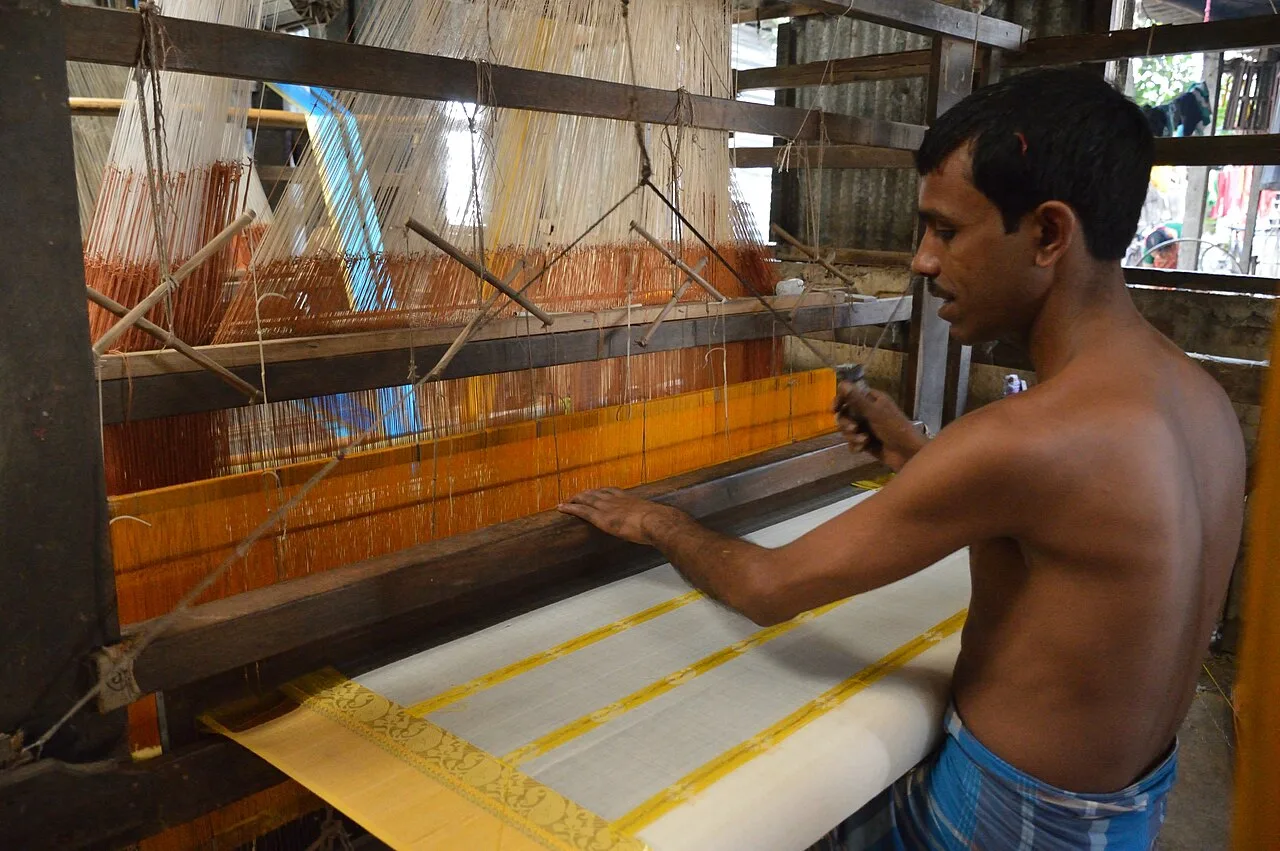
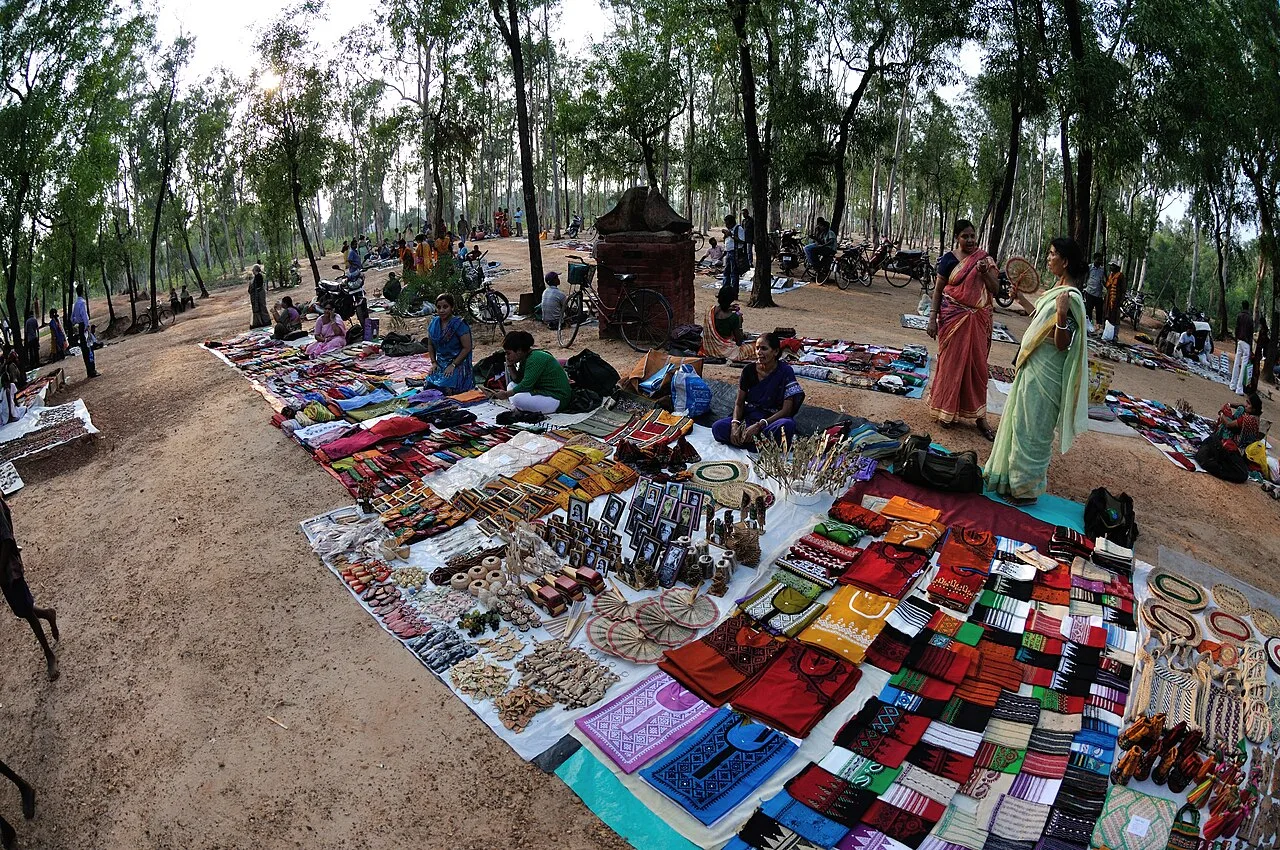
Katwa is not especially known for a signature textile, handicraft, or GI-tagged product. Its identity has been shaped more by river commerce, regional markets and its role as a service centre. In the 19th century, river transport supported trade in goods including salt; today, the town’s shops and market areas mainly serve local households and visitors from nearby settlements.

For everyday shopping, explore the central bazaar and the streets around the town centre and railway station, where small retailers sell clothing, household goods, snacks and local produce. These are useful places to experience ordinary town life, but they are not established specialist craft districts. Visitors looking for a particular Bengal textile, artisan product or GI-labelled food should check its origin and availability rather than assume it is made in Katwa. The town’s more distinctive cultural draw is Sri Gauranga Bari and its association with Chaitanya Mahaprabhu, not a particular commercial product.

History

Katwa’s river setting made it a strategic point on routes through Bengal and a gateway towards Murshidabad, once the region’s capital. The town has sometimes been identified with the ancient place-name Katadupa, though this connection is a proposal rather than a settled identification. Its earlier names are recorded as Indranee Pargana and later Kantak Nagari.

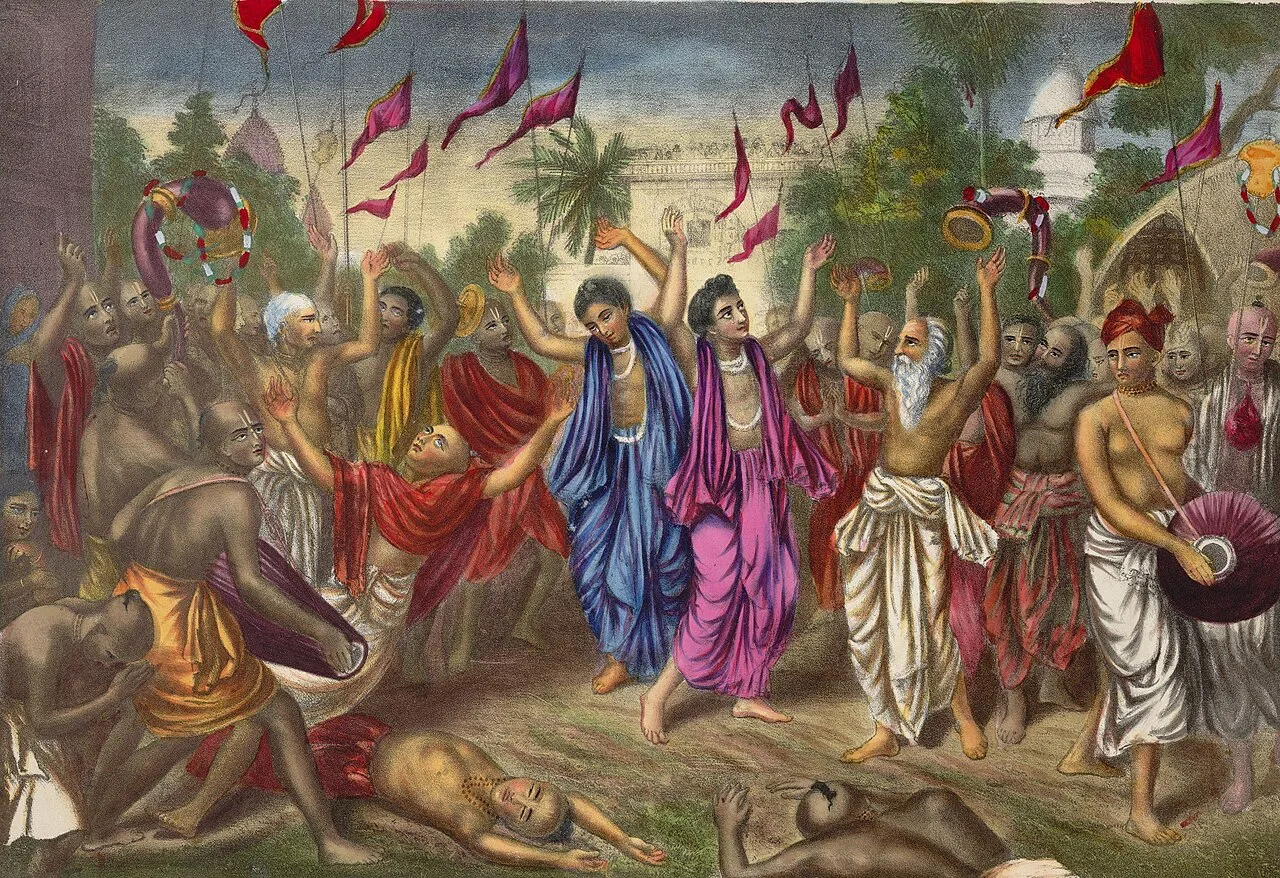
In 1510, Chaitanya Mahaprabhu received initiation from Kesava Bharati at the site associated with today’s Sri Gauranga Bari, making Katwa an important Vaishnava pilgrimage centre. In the 18th century, the town saw repeated conflict: Maratha forces and Alivardi Khan’s troops fought here, and Katwa became a British military objective during the campaign leading to Plassey in 1757. British forces also fought supporters of Mir Qasim near Katwa in 1763.

Katwa developed as a municipal town under British rule. It became a subdivision in 1850, gained a municipality in 1869, and grew further as railway lines connected it with regional towns in the early 20th century.

Food, festivals & culture

Bengali is the principal language of daily life; Hindi and other languages may also be heard. Everyday food follows familiar Bengali patterns, with rice, lentils, vegetables and fish common in the wider region. Local sweet shops and snack stalls offer a convenient taste of Bengali confectionery and savouries, though Katwa is not widely identified with a single signature dish or sweet.

Vaishnava heritage is central to the town’s religious character. Sri Gauranga Bari is associated with Chaitanya Mahaprabhu, and devotional singing and kirtan are part of the tradition. Dol Jatra and Gaura Purnima, usually in February or March, are especially relevant to Vaishnava observance. Durga Puja, generally in September or October, is celebrated across the town, while Kali Puja and observances marking Eid are also part of the local calendar. Hindu temples and neighbourhood shrines sit alongside mosques, reflecting the town’s varied community life. Festival dates shift with the lunar calendar.

Visiting the city

The cooler, drier months from about November to February are generally the most comfortable for exploring; summer can be hot, and monsoon rain may affect outdoor plans. Katwa Junction is the town’s main railway station and a useful regional connection. Kazi Nazrul Islam Airport near Andal is the closer regional airport; Netaji Subhas Chandra Bose International Airport in Kolkata offers wider air connections.

Auto-rickshaws and local taxis are practical for getting around, while central areas can be explored on foot. Visit Sri Gauranga Bari and the busy bazaar streets for the town’s religious and everyday character. The river approaches offer a sense of Katwa’s setting, but access and conditions can vary, especially during the monsoon. Allow time for local travel if visiting neighbouring towns or riverside areas.

Trips from the city

Nearest places to visit from Katwa

Our closest destination guides, by straight-line distance.

Mayapur

35 km away · Nadia district

Mayapur

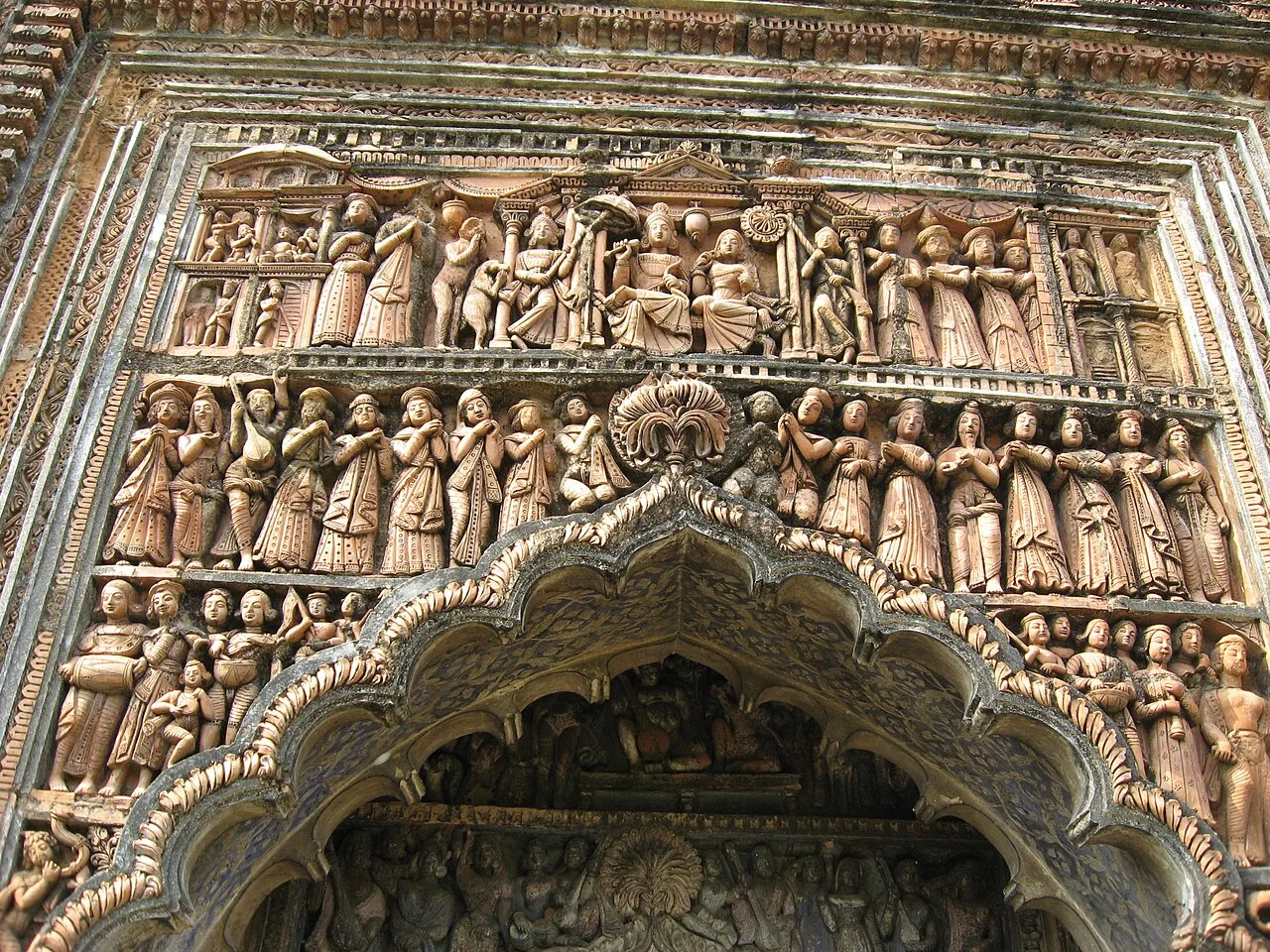
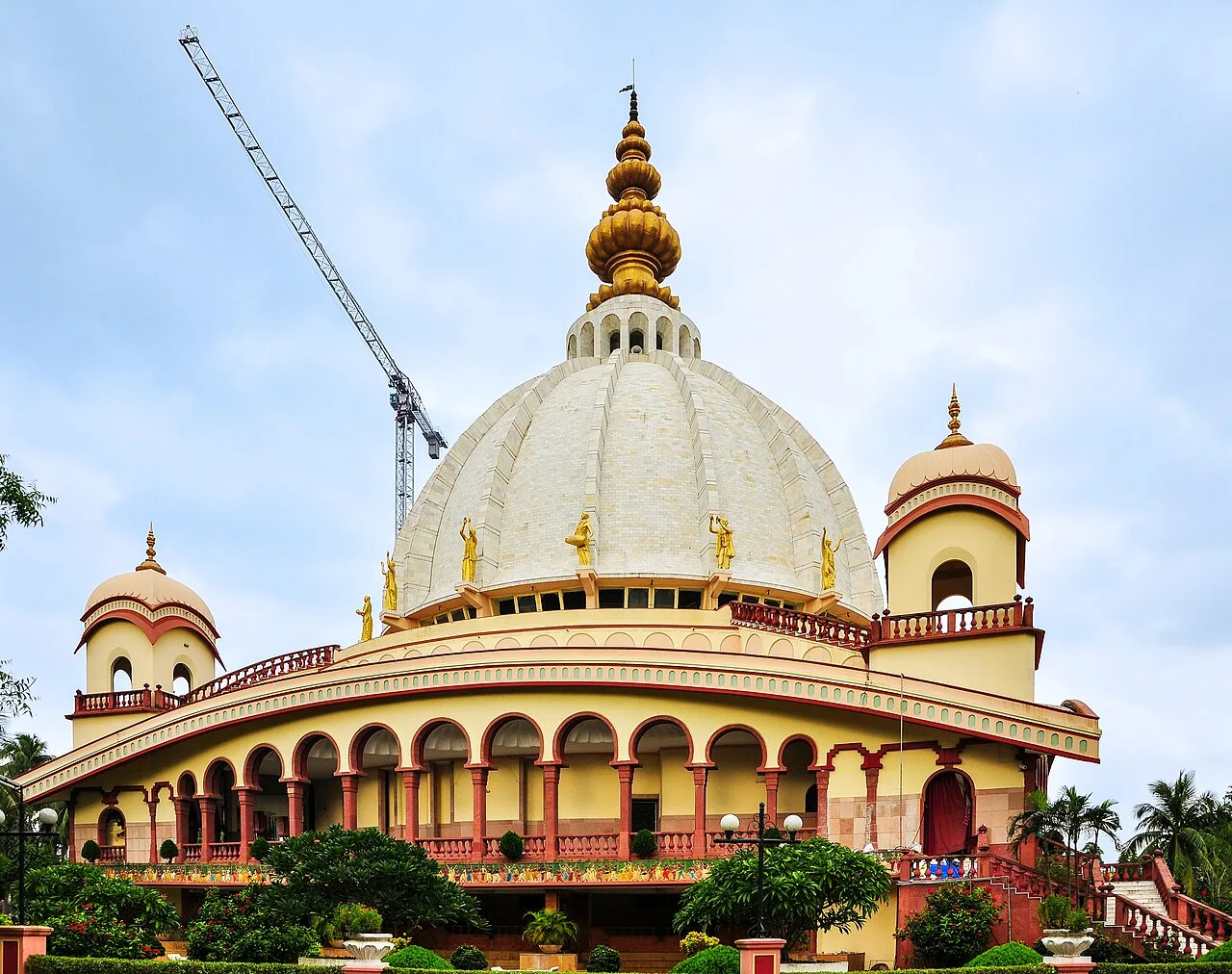
Mayapur is a pilgrimage settlement in Nadia district, West Bengal, within Nabadwip CD block and Krishnanagar Sadar subdivision. Visitors come for its religious importance to Gaudiya Vaishnavas.

Nabadwip

35 km away · Nadia district

Nabadwip

Nabadwip is a historic city in West Bengal, revered as the birthplace of Chaitanya Mahaprabhu. Visitors come for its Vaishnava heritage, religious celebrations and long tradition of Sanskrit learning.

Santiniketan

46 km away · Birbhum district

Santiniketan

Santiniketan is a neighbourhood of Bolpur in West Bengal, associated with the Tagore family and Visva-Bharati. Visitors come to explore its heritage and its status as a UNESCO World Heritage site.

Kalna

53 km away · Purba Bardhaman district

Kalna

Ambika Kalna is a town in West Bengal’s Purba Bardhaman district, visited for its historic Rajbari and its group of 108 Shiva temples.

Phulia

60 km away · Nadia district

Phulia

Phulia, known by the alternate spelling Fulia, is a settlement in Nadia district, West Bengal, within Santipur CD block in Ranaghat subdivision. Visitors are drawn by its association with Krittibas Ojha, who was born there.

Hazarduari Palace

62 km away · Murshidabad district

Hazarduari Palace

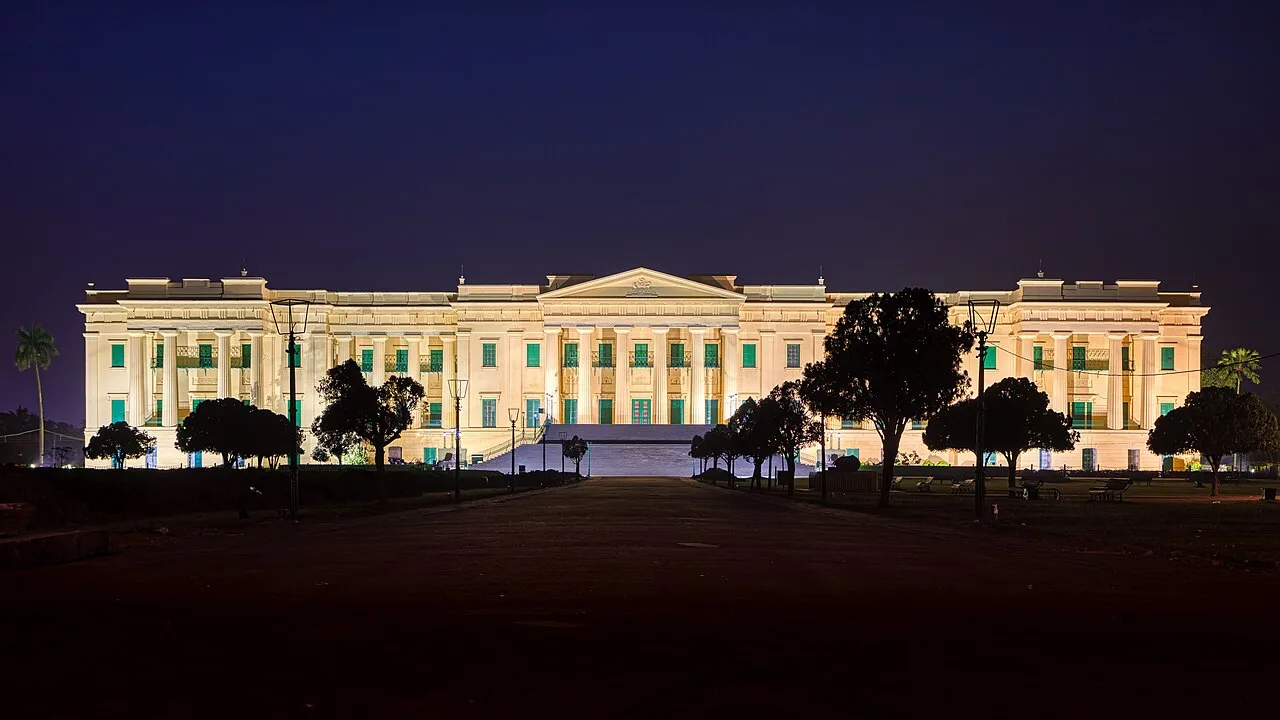
Hazarduari Palace is a former royal residence in Murshidabad, now a museum and national monument. Visitors come to see its nineteenth-century architecture and explore its cultural role.

Katra Masjid

62 km away · Murshidabad district

Katra Masjid

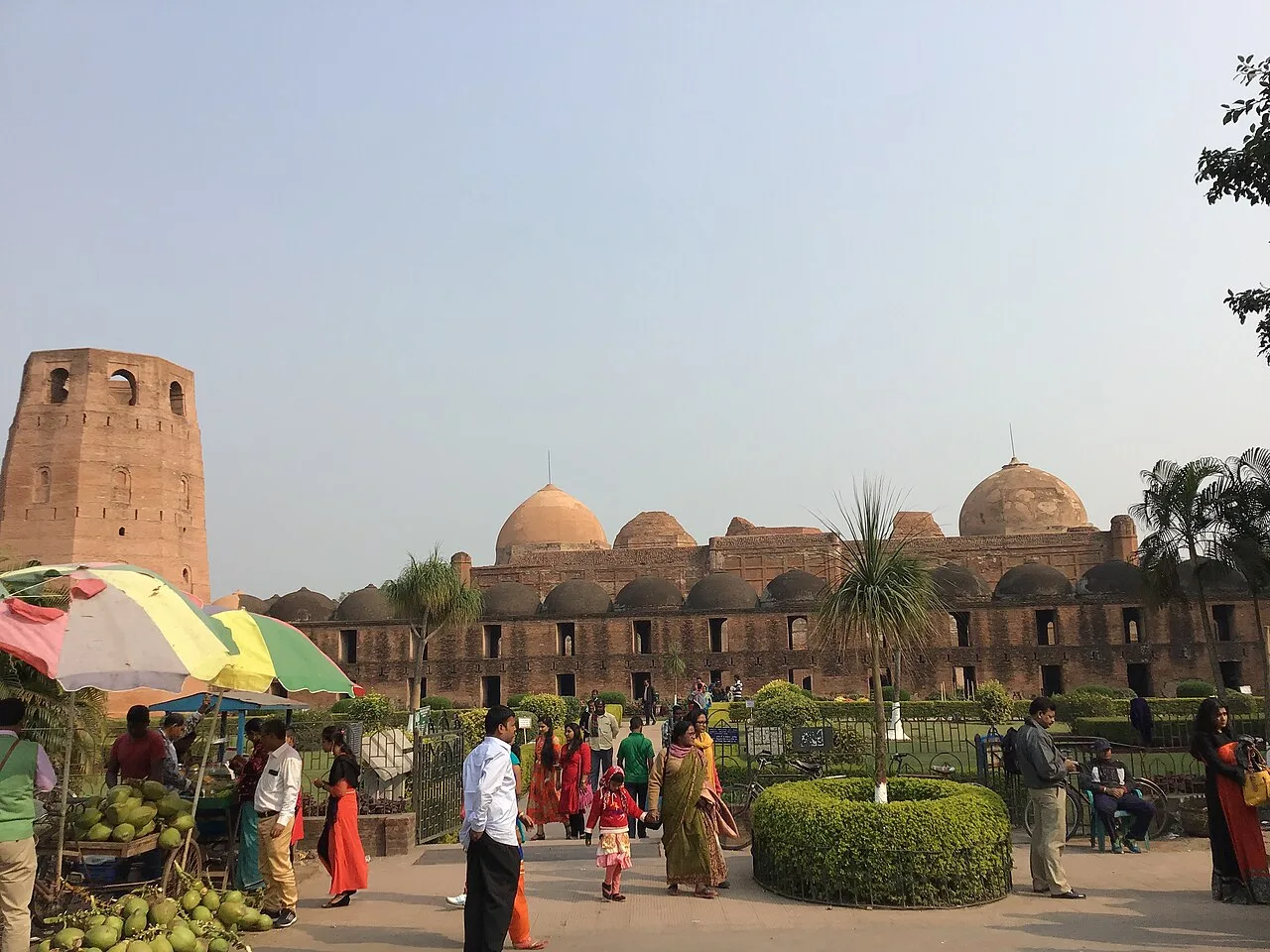
Katra Masjid is a partly ruined complex in Murshidabad, West Bengal, combining a former Shia caravanserai, mosque and tomb. Visitors come to see its historic architecture and the burial place of its founder.

Nizamat Imambara

62 km away · Murshidabad district

Nizamat Imambara

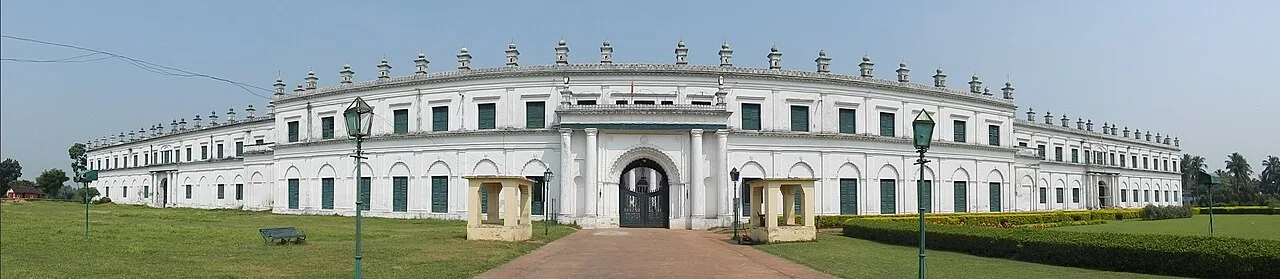
Nizamat Imambara is a Shi’ite congregation hall in Murshidabad, noted for its history and scale; visitors come to see a historic site recognised for national importance.

Map

Katwa on the map

  1. 1Mayapur
  2. 2Nabadwip
  3. 3Santiniketan
  4. 4Kalna
  5. 5Phulia
  6. 6Hazarduari Palace
  7. 7Katra Masjid
  8. 8Nizamat Imambara

West Bengal

Other cities to explore