Ghumoopedia — Explore, Discover, Experience
Sign in
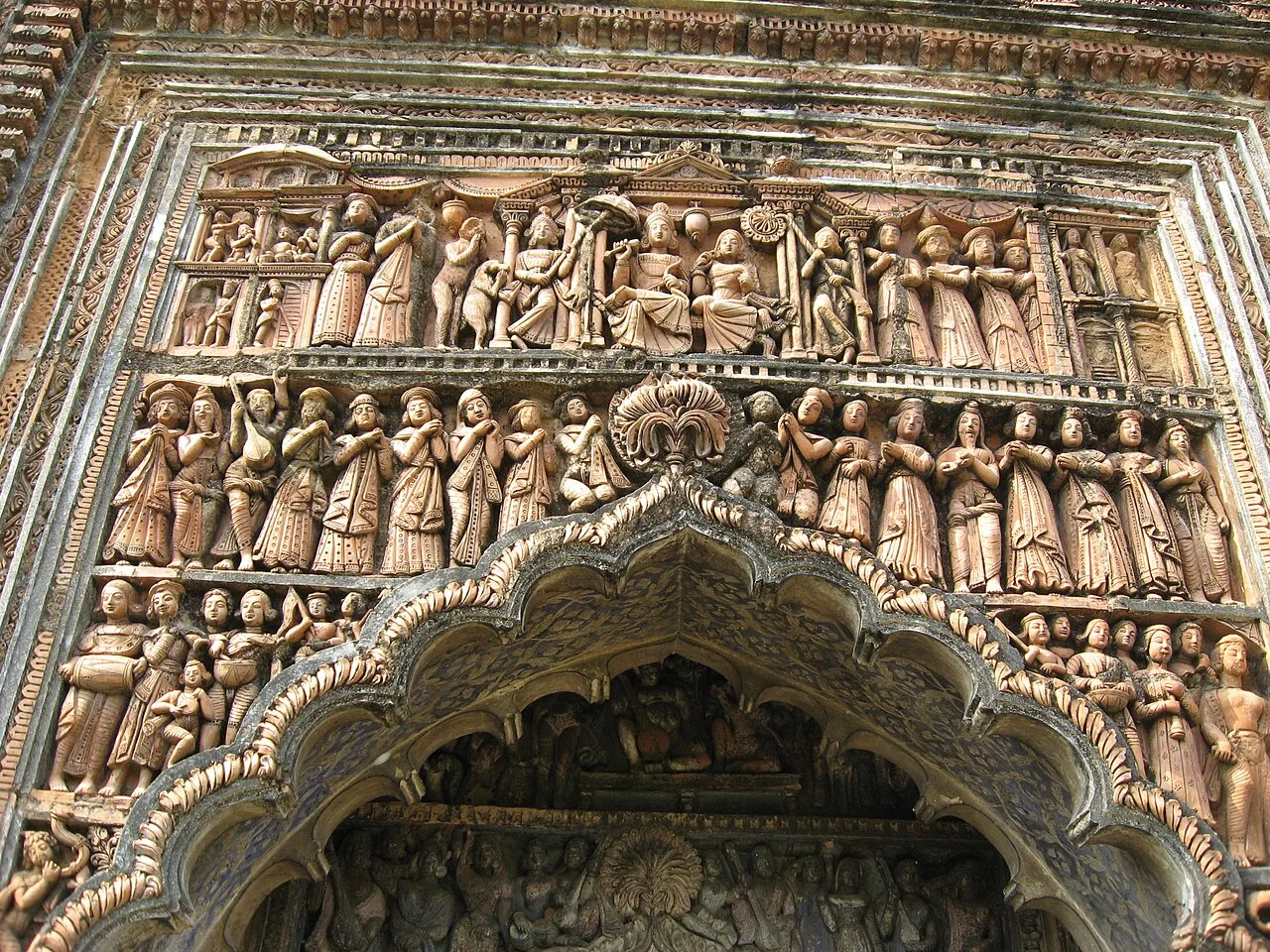
Kalna, near Bardhaman

City guide · West Bengal

Bardhaman

Bardhaman, also widely known as Burdwan, is the headquarters of Purba Bardhaman district and an important service and transport centre in central West Bengal. Its position on the Grand Trunk Road and the Eastern Railway connects Kolkata with towns across western Bengal, while the surrounding district’s fertile plains support a busy agricultural economy.

Famous for

  • Mihidana and Sitabhog sweets
  • Bardhaman Raj heritage
  • Sarbamangala Temple
  • University of Burdwan
  • Railway and road hub

Why Bardhaman matters

Bardhaman, also widely known as Burdwan, is the headquarters of Purba Bardhaman district and an important service and transport centre in central West Bengal. Its position on the Grand Trunk Road and the Eastern Railway connects Kolkata with towns across western Bengal, while the surrounding district’s fertile plains support a busy agricultural economy. The city serves as a base for trade, education, healthcare and government services across the region.

Visitors come for its historic landmarks, religious sites and celebrated sweets, especially Mihidana and Sitabhog. The former seat of the Burdwan Raj, the city retains reminders of its royal and colonial-era past around Rajbati and Curzon Gate. Sarbamangala Temple draws worshippers, while Golapbag, Krishnasayar and local cultural institutions offer quieter stops. Bardhaman is not primarily a resort destination; its appeal lies in combining everyday Bengali city life with a distinctive history, regional food traditions and convenient access to the wider district.
Famous for: crafts, trade & products

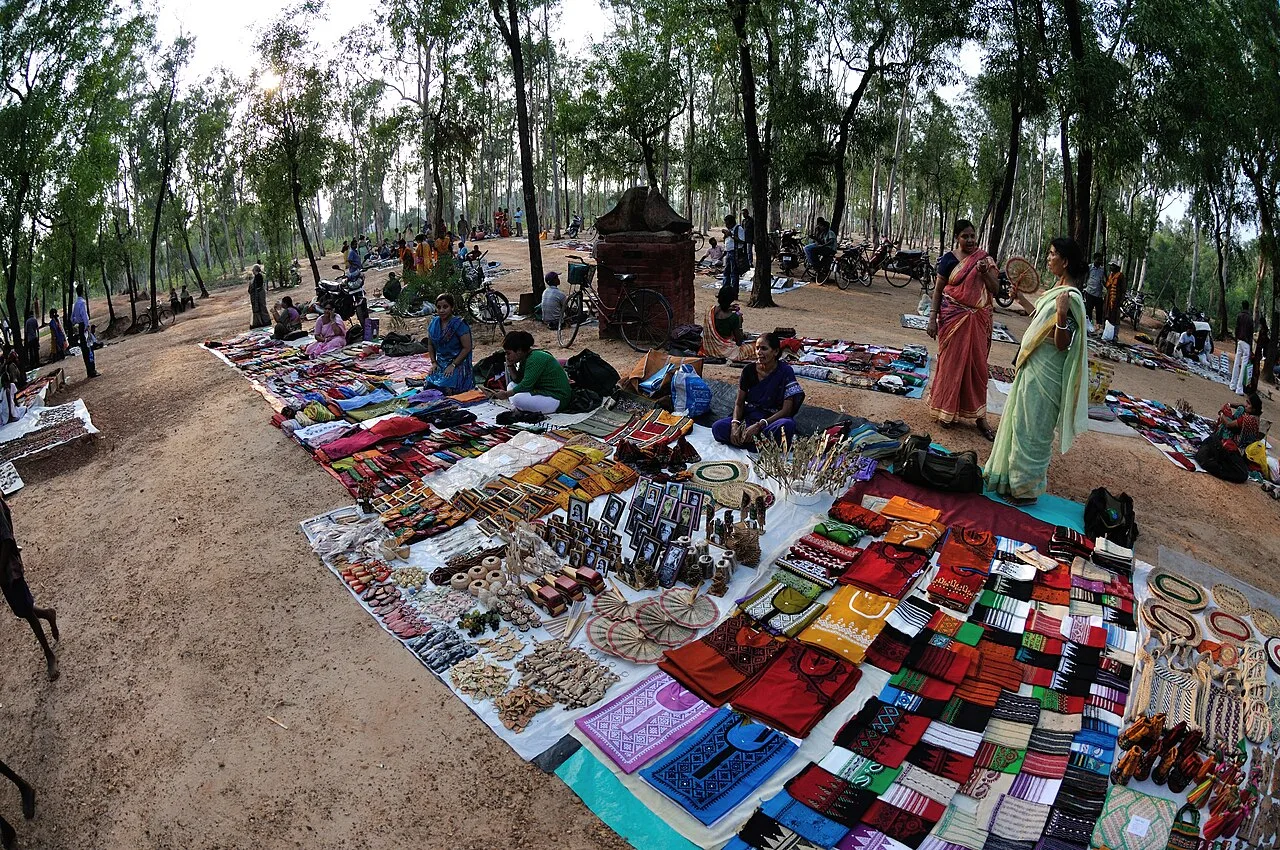
Bardhaman’s best-known specialties are Mihidana and Sitabhog, two distinctive sweets made with fine-grained ingredients and associated with the city. Both have Geographical Indication recognition. Sweet shops around the town centre and busy commercial streets are the easiest places to find them; visitors can also look for other Bengali sweets and savoury snacks. The surrounding district is a major agricultural region, and local commerce reflects trade in rice, potatoes and other farm produce, alongside the food-processing and milling businesses that serve it.

The city is not especially known for a signature textile or handicraft tradition. Rather than seeking a specific craft quarter, visitors will find everyday clothing, household goods and regional products in the central bazaars and shops near the main roads and railway station. Bardhaman’s other notable associations are institutional and historical: the University of Burdwan, with its campus at Golapbag, and the legacy of the Burdwan Raj. For a sense of local life, explore the markets on foot and sample sweets from established local confectioners; check current availability, as shops and products vary.

History

The name Bardhaman is traditionally linked to Vardhamana Mahavira, the Jain teacher who is said to have stayed in the region. The city’s later prominence grew with the Burdwan Raj, founded in 1657 by Sangam Rai, whose family became influential landholders under Mughal and British rule. Their estate shaped the town’s public life and left a lasting architectural and cultural legacy.

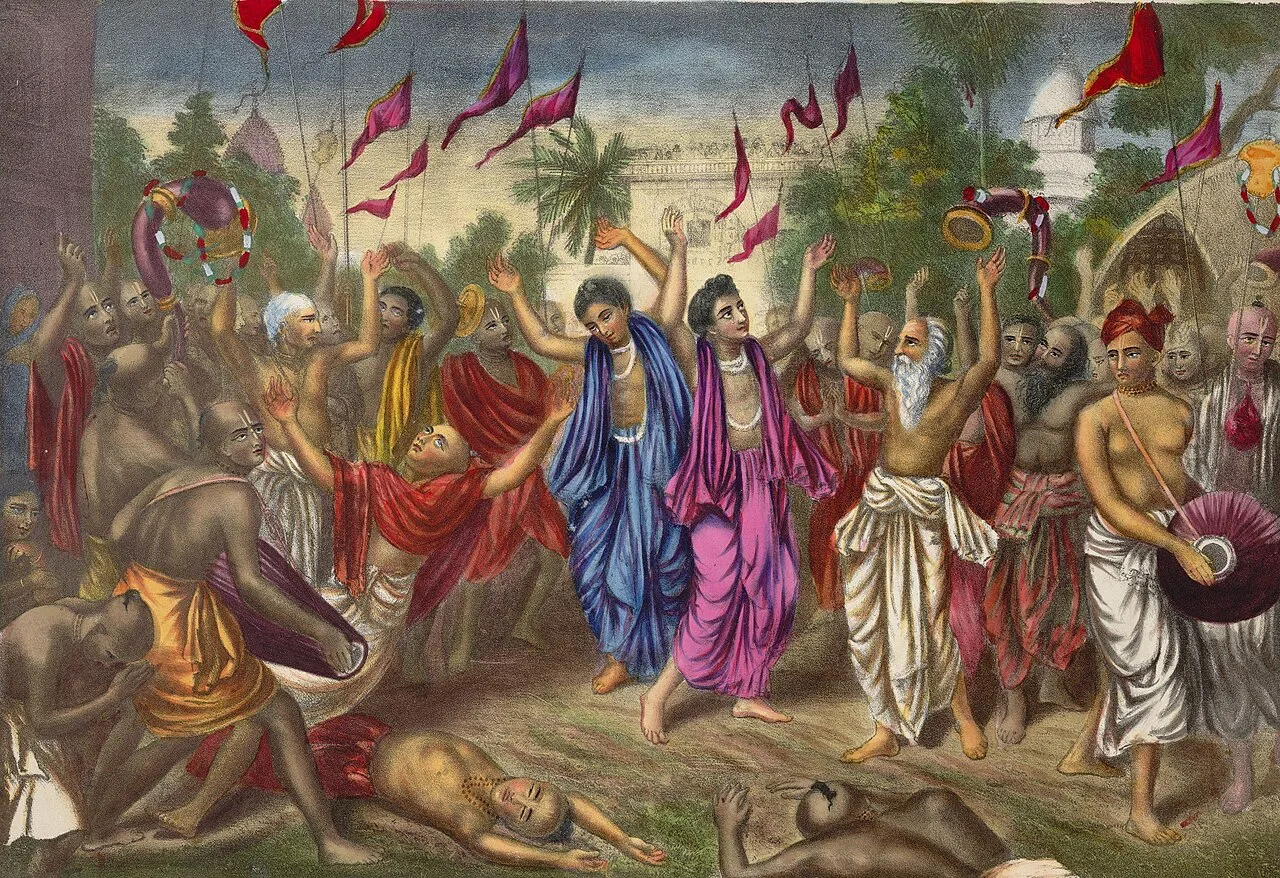
Bardhaman became a district headquarters during British rule. The arrival of the East Indian Railway from Howrah in 1855 strengthened its role as a transport and commercial centre. Maharaja Mahtab Chand and his successors supported education and civic development; institutions such as Burdwan Raj College reflected that patronage. The city also became associated with devotional music and literary life. After independence and the end of princely authority, Bardhaman continued to grow as an administrative, educational and market centre. Today it is the headquarters of Purba Bardhaman district, with its regional importance reinforced by rail and road connections and the University of Burdwan.

Food, festivals & culture

Bengali is the principal language of daily life; Hindi and English are also used, especially in commerce and education. Food reflects the rice-growing plains of the district, with Bengali meals, fish, vegetables and seasonal produce widely enjoyed. The city’s signature treats are Mihidana and Sitabhog, often bought as gifts as well as eaten locally. Sweet shops also sell familiar Bengali confections such as sandesh and rasgulla.

Durga Puja, usually in autumn, brings neighbourhood pandals, worship and cultural programmes. Kali Puja follows in the autumn festive season, while Saraswati Puja is widely observed in winter; Eid is also celebrated by the city’s Muslim communities. Sarbamangala Temple and Kankaleshwari Kali Temple are among the important places of worship. Bardhaman has a history of classical music and devotional song, and music and dance feature in seasonal celebrations and community events. The city’s cultural life blends these traditions with the activity of a district capital and university town.

Visiting the city

October to February is generally the most comfortable season to visit, with cooler weather than the hot, humid summer and monsoon months. Bardhaman Junction is the main railway station, with frequent connections along the Howrah–Delhi route. The nearest airport with scheduled commercial services is Kazi Nazrul Islam Airport at Andal; Kolkata’s Netaji Subhas Chandra Bose International Airport offers a wider range of connections.

Auto-rickshaws, cycle-rickshaws and app-based or local taxis are useful for getting around, while central sights can be explored on foot. Begin around Curzon Gate and Rajbati for heritage, then visit Sarbamangala Temple and the gardens and institutions around Golapbag. Krishnasayar is a pleasant stop, and the central bazaars are good for sweets and everyday shopping. Allow extra time for road traffic, particularly on busy routes through the city.

Trips from the city

Nearest places to visit from Bardhaman

Our closest destination guides, by straight-line distance.

40 km away · Hooghly district

Dhaniakhali

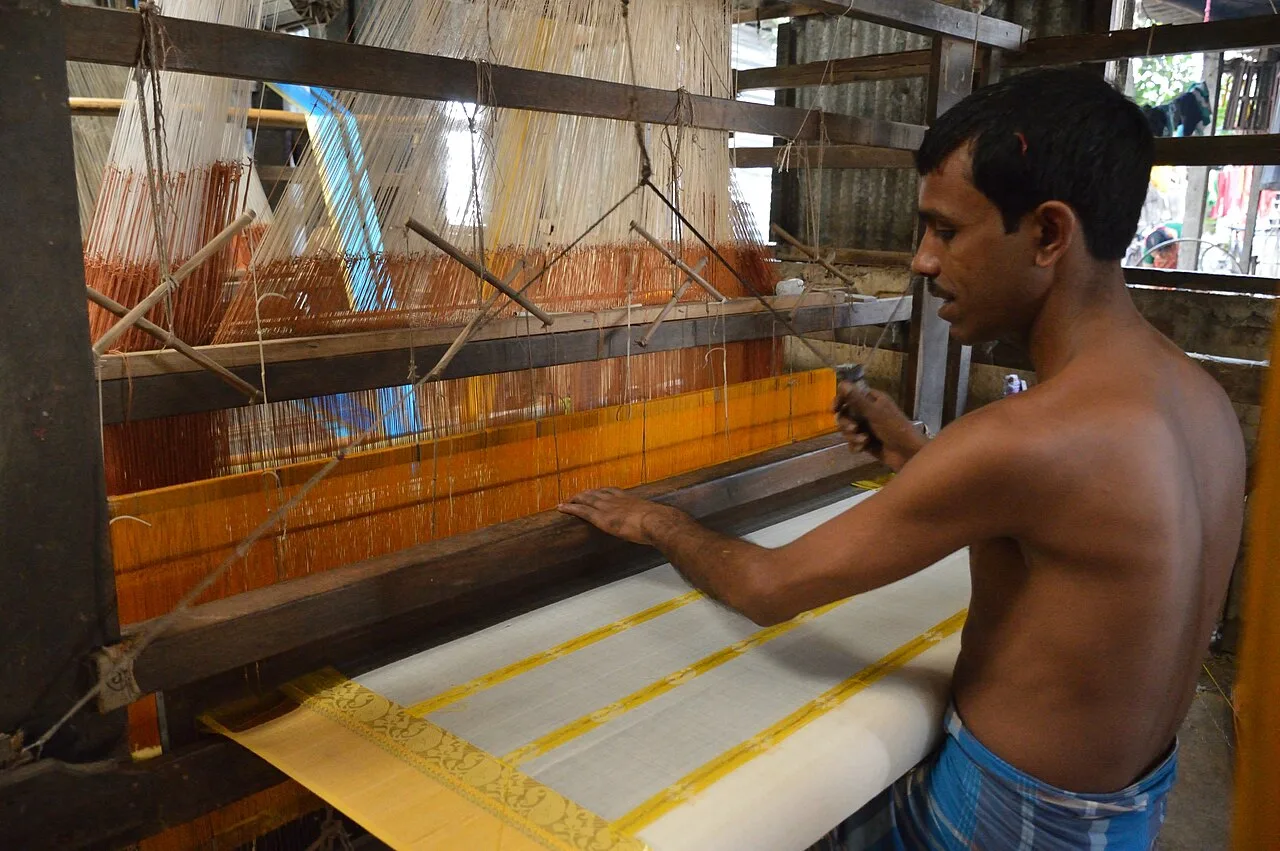
Dhaniakhali is a village in Hooghly district, West Bengal, known for its association with the popular Dhaniakhali sari. That connection may interest visitors exploring the place.

Kalna

51 km away · Purba Bardhaman district

Kalna

Ambika Kalna is a town in West Bengal’s Purba Bardhaman district, visited for its historic Rajbari and its group of 108 Shiva temples.

Santiniketan

51 km away · Birbhum district

Santiniketan

Santiniketan is a neighbourhood of Bolpur in West Bengal, associated with the Tagore family and Visva-Bharati. Visitors come to explore its heritage and its status as a UNESCO World Heritage site.

Nabadwip

55 km away · Nadia district

Nabadwip

Nabadwip is a historic city in West Bengal, revered as the birthplace of Chaitanya Mahaprabhu. Visitors come for its Vaishnava heritage, religious celebrations and long tradition of Sanskrit learning.

Mayapur

58 km away · Nadia district

Mayapur

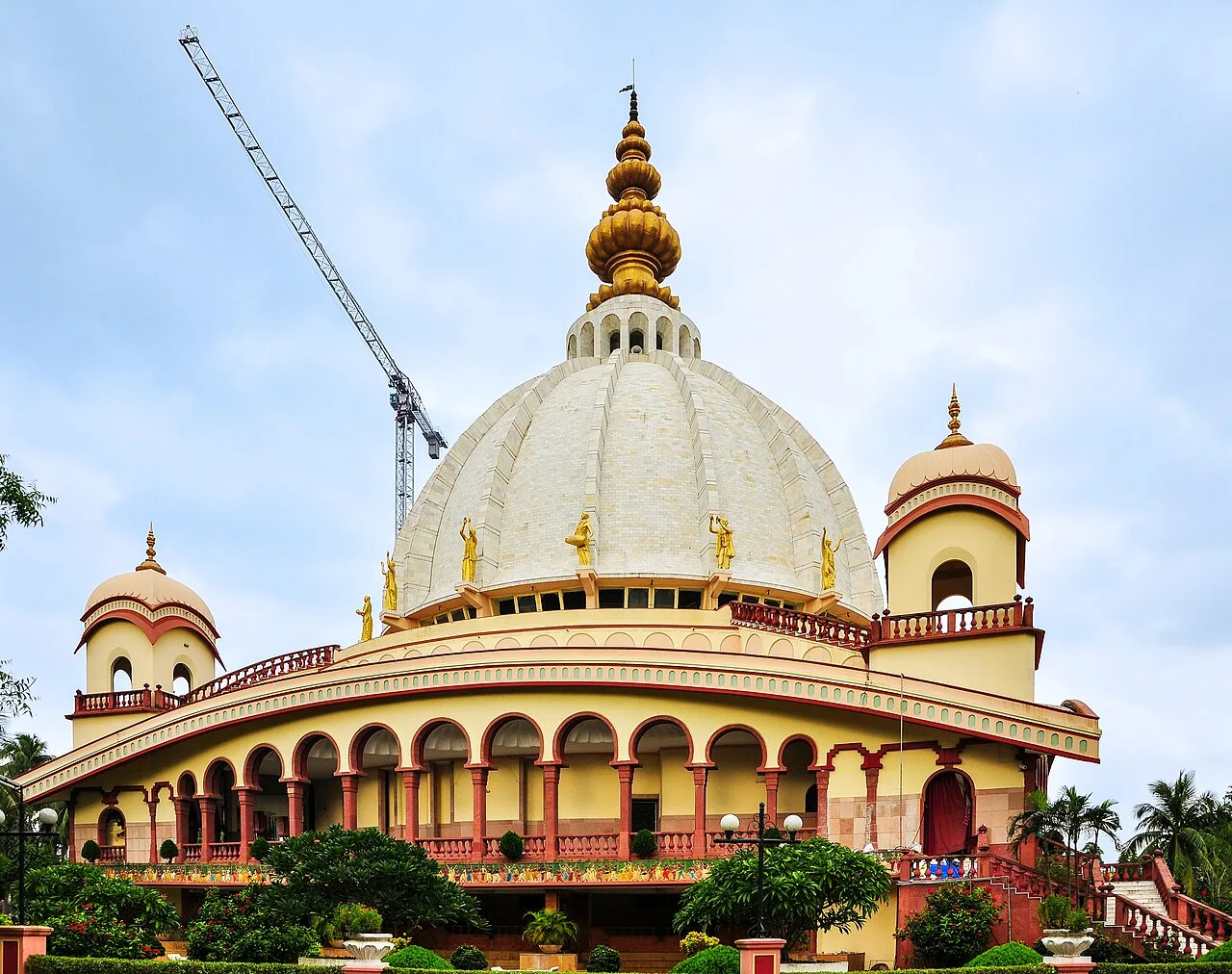
Mayapur is a pilgrimage settlement in Nadia district, West Bengal, within Nabadwip CD block and Krishnanagar Sadar subdivision. Visitors come for its religious importance to Gaudiya Vaishnavas.

Bishnupur

59 km away · Bankura district

Bishnupur

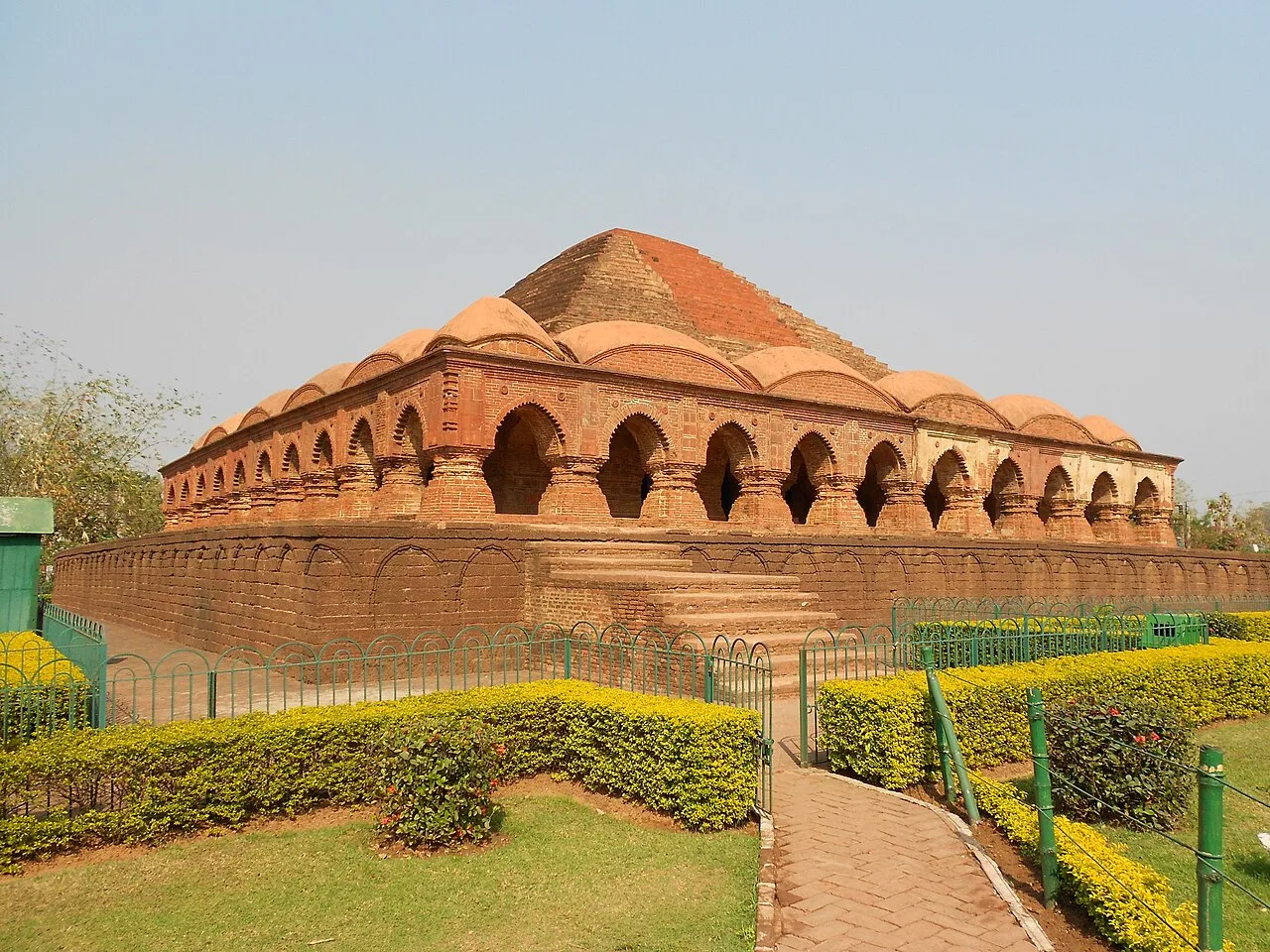
Bishnupur is a city and municipality in West Bengal’s Bankura district, known for temples built under the Malla rulers and for Baluchari sarees.

Hangseshwari Temple

64 km away · Hooghly district

Hangseshwari Temple

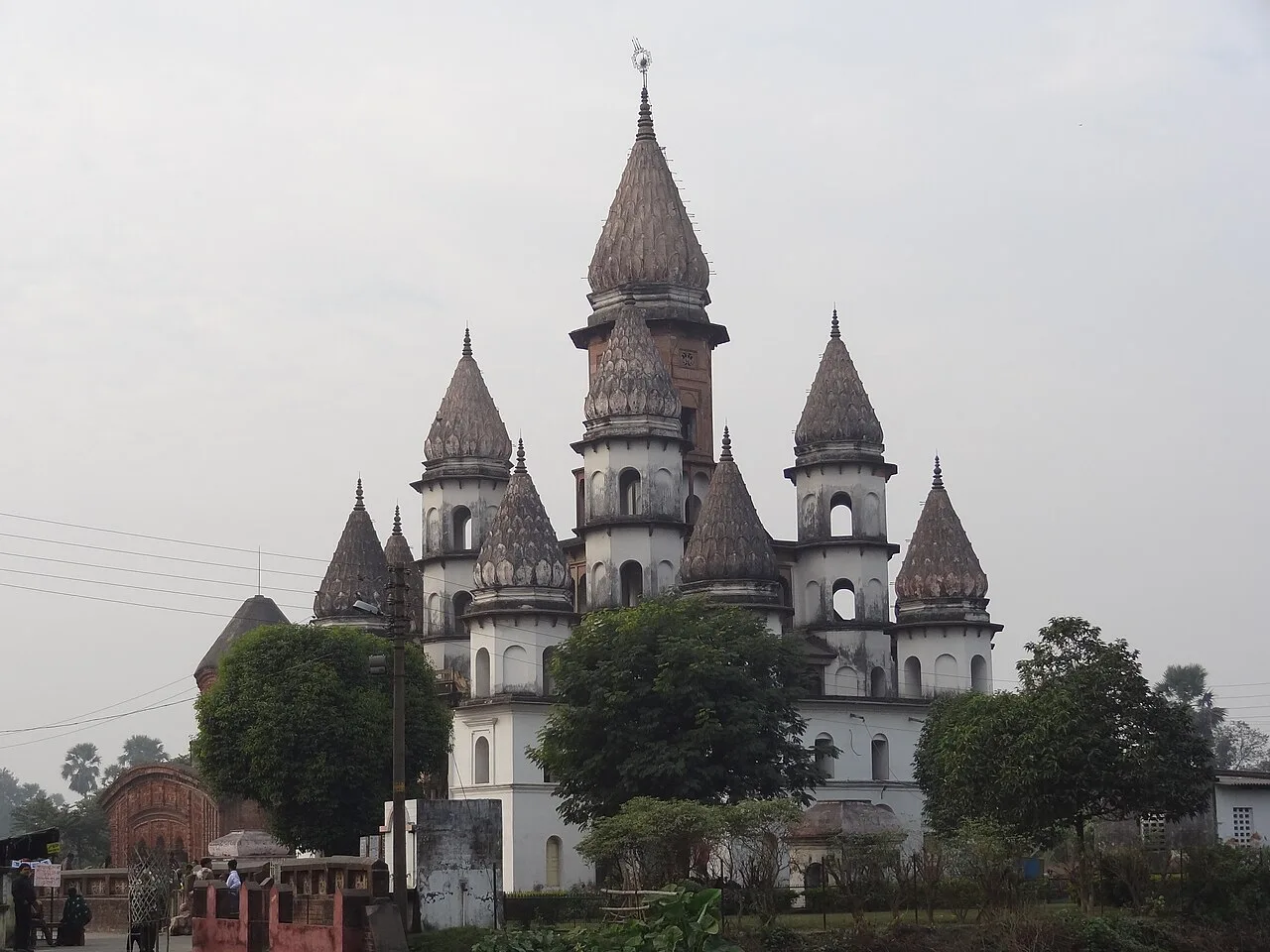
Hangseshwari Temple is a Hindu shrine in Bansberia, Hooghly district, noted for its distinctive thirteen-towered ratna design and its worship of Hangseswari, a form of the goddess Kali.

Phulia

66 km away · Nadia district

Phulia

Phulia, known by the alternate spelling Fulia, is a settlement in Nadia district, West Bengal, within Santipur CD block in Ranaghat subdivision. Visitors are drawn by its association with Krittibas Ojha, who was born there.

Map

Bardhaman on the map

  1. 1Dhaniakhali
  2. 2Kalna
  3. 3Santiniketan
  4. 4Nabadwip
  5. 5Mayapur
  6. 6Bishnupur
  7. 7Hangseshwari Temple
  8. 8Phulia

West Bengal

Other cities to explore