
District · Sikkim
Namchi
Namchi district lies in southern Sikkim, between the state’s interior mountain country and routes towards the Darjeeling hills and the plains.
Namchi district occupies the southern part of Sikkim, where steep, forested ridges descend into river valleys and settlements sit at varying elevations. On clear days, viewpoints around Namchi and Ravangla look towards the high Himalayan ranges. The district’s principal towns include Namchi, the administrative centre, Jorethang and Ravangla. Its character reflects the region’s varied communities and traditions, including Lepcha, Bhutia and Nepali influences, alongside Buddhist monasteries and Hindu places of worship. Namchi is known for prominent pilgrimage attractions, while Ravangla offers a quieter mountain-town setting. Tea-growing landscapes around Temi add another dimension to the district’s rural scenery.
Namchi district lies in southern Sikkim, between the state’s interior mountain country and routes towards the Darjeeling hills and the plains. Its main draws combine Buddhist sites, hill scenery and tea-growing country: visitors come to Namchi for Char Dham and Samdruptse Hill, and to Ravangla for Buddha Park and access to Maenam Wildlife Sanctuary. Monasteries such as Ralang add a quieter cultural dimension, while Temi Tea Garden offers a view of Sikkim’s agricultural landscape. The district suits travellers looking to link town visits, religious landmarks and nature outings by road.
The region is part of the homeland of Sikkim’s Indigenous Lepcha people and has also been shaped by Bhutia communities and Tibetan Buddhist traditions. Sikkim became a kingdom under the Namgyal dynasty in the seventeenth century, with its rulers known as Chogyals. The kingdom’s relations with neighbouring powers changed over time, and British influence grew during the nineteenth century through treaties and political intervention. Sikkim later became an Indian protectorate before joining India as a state in 1975. Under the state’s earlier administrative arrangement, this area was known as South Sikkim district; the district is now called Namchi. Namchi town developed as an administrative and commercial centre, while settlements such as Jorethang and Ravangla serve local communities and travellers. Monasteries, sacred landscapes and festivals reflect the region’s continuing religious and cultural life. Modern attractions, including Buddha Park and Char Dham, have added pilgrimage and sightseeing destinations without displacing the older traditions of the area.
13 destination guides · 7 on the map
Borong Hot Springs
Borong Hot Springs is a village in Namchi district, Sikkim. People visit for its hot springs, the feature reflected in the place’s name.
Buddha Park, Ravangla
Buddha Park, also called Tathagata Tsal, is a Buddhist complex near Ravangla in Sikkim. Visitors come to see its large Buddha statue, woodland lake and religious facilities.
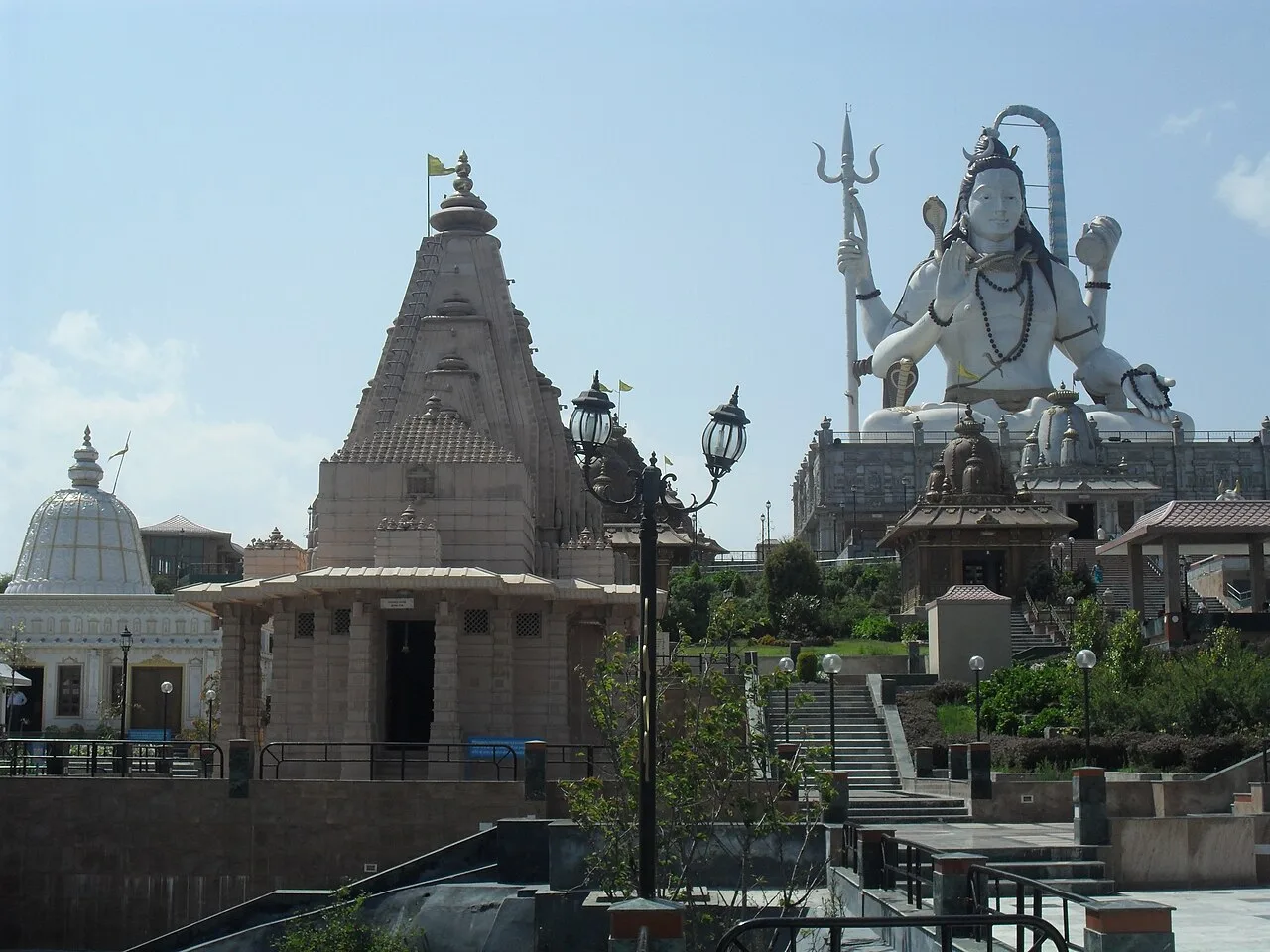
Char Dham
Char Dham is a temple and sacred site in Namchi district, Sikkim. People visit it for its religious significance and as a place of worship.
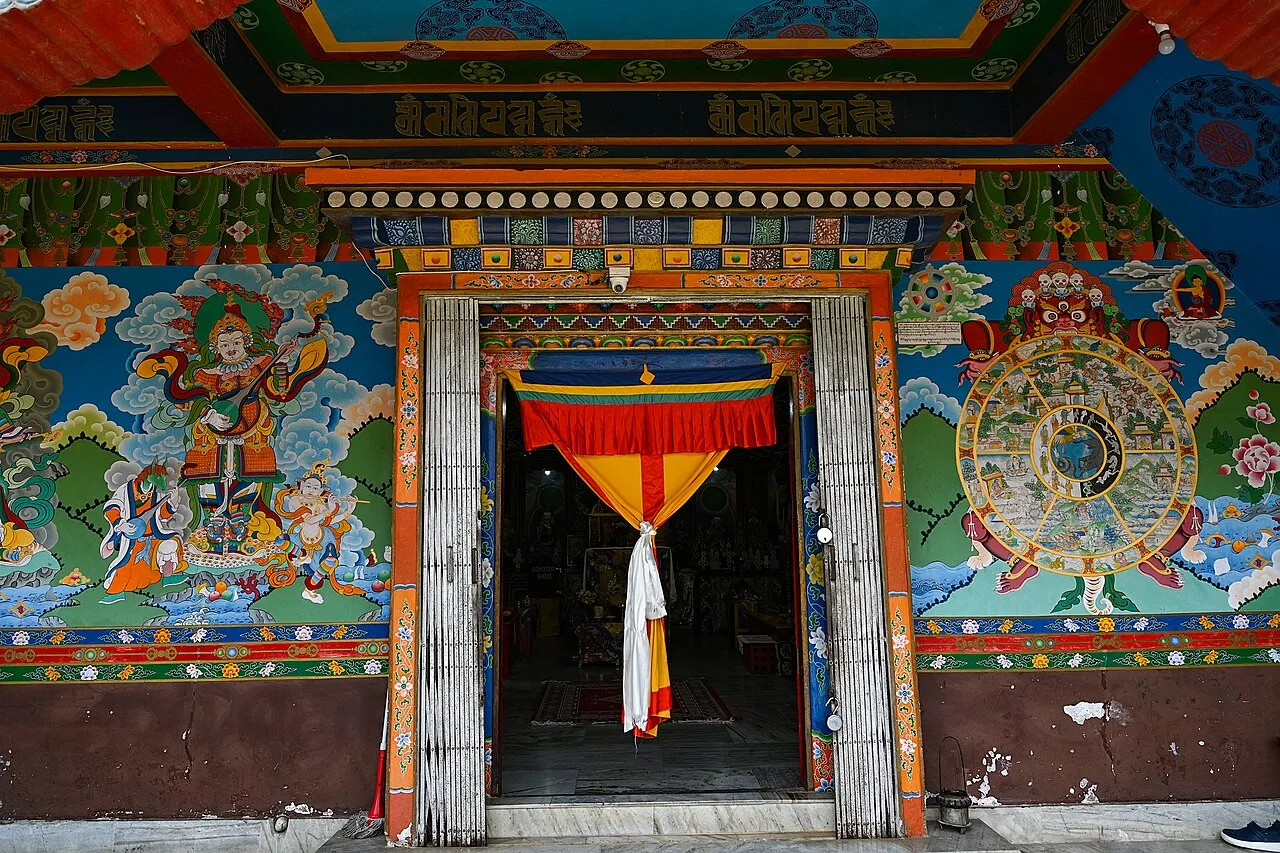
Doling Monastery
Doling Monastery is a Buddhist place of worship in Sikkim’s Namchi district. Visitors go to see a monastery whose defining feature is its Buddhist identity.
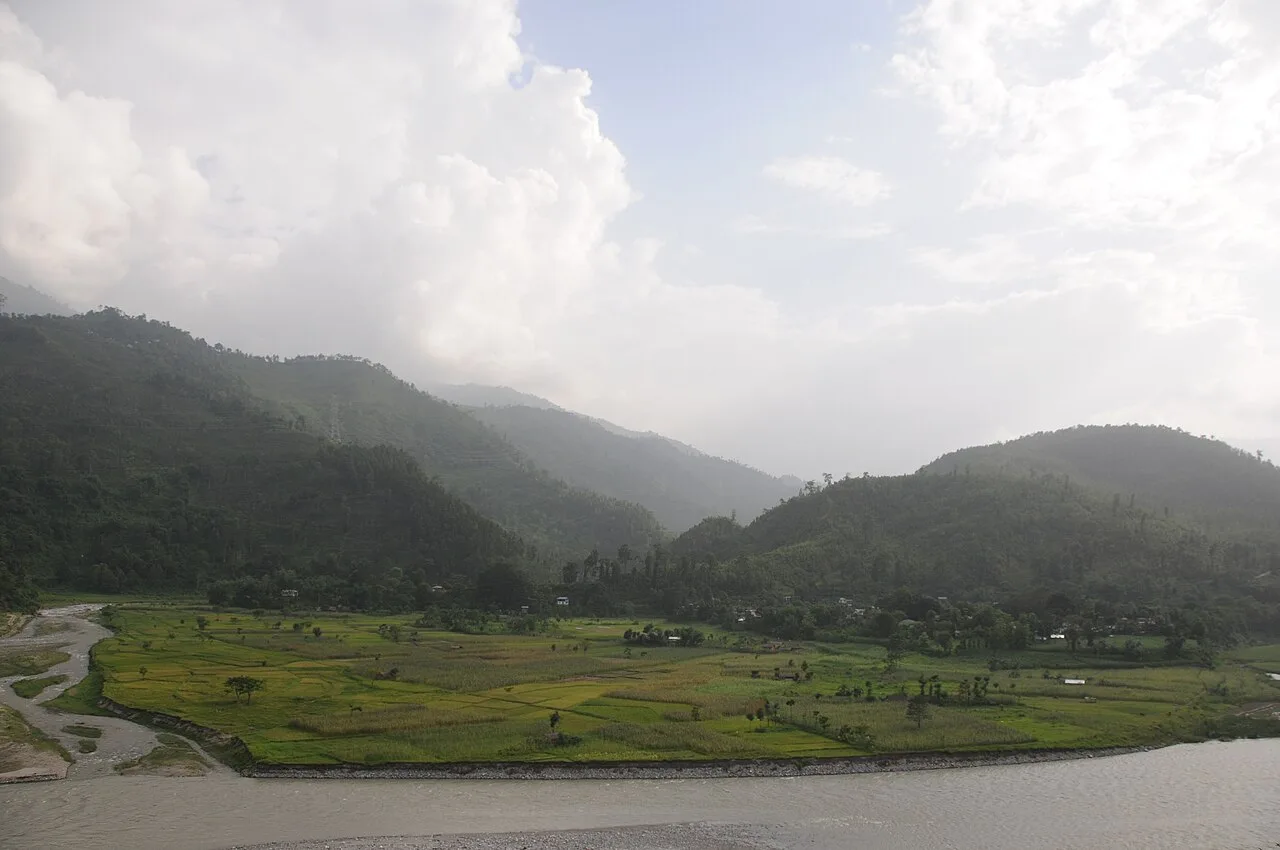
Jorethang
Jorethang is a major town in Namchi district, Sikkim, beside the Rangeet River. Visitors use it as a route link to western Sikkim and come for goods and services.
Maenam Wildlife Sanctuary
Maenam Wildlife Sanctuary is a 35-square-kilometre reserve at Ravangla in Sikkim’s Namchi district. Visitors come to explore its wildlife and flora, which includes plants valued for medicinal use.
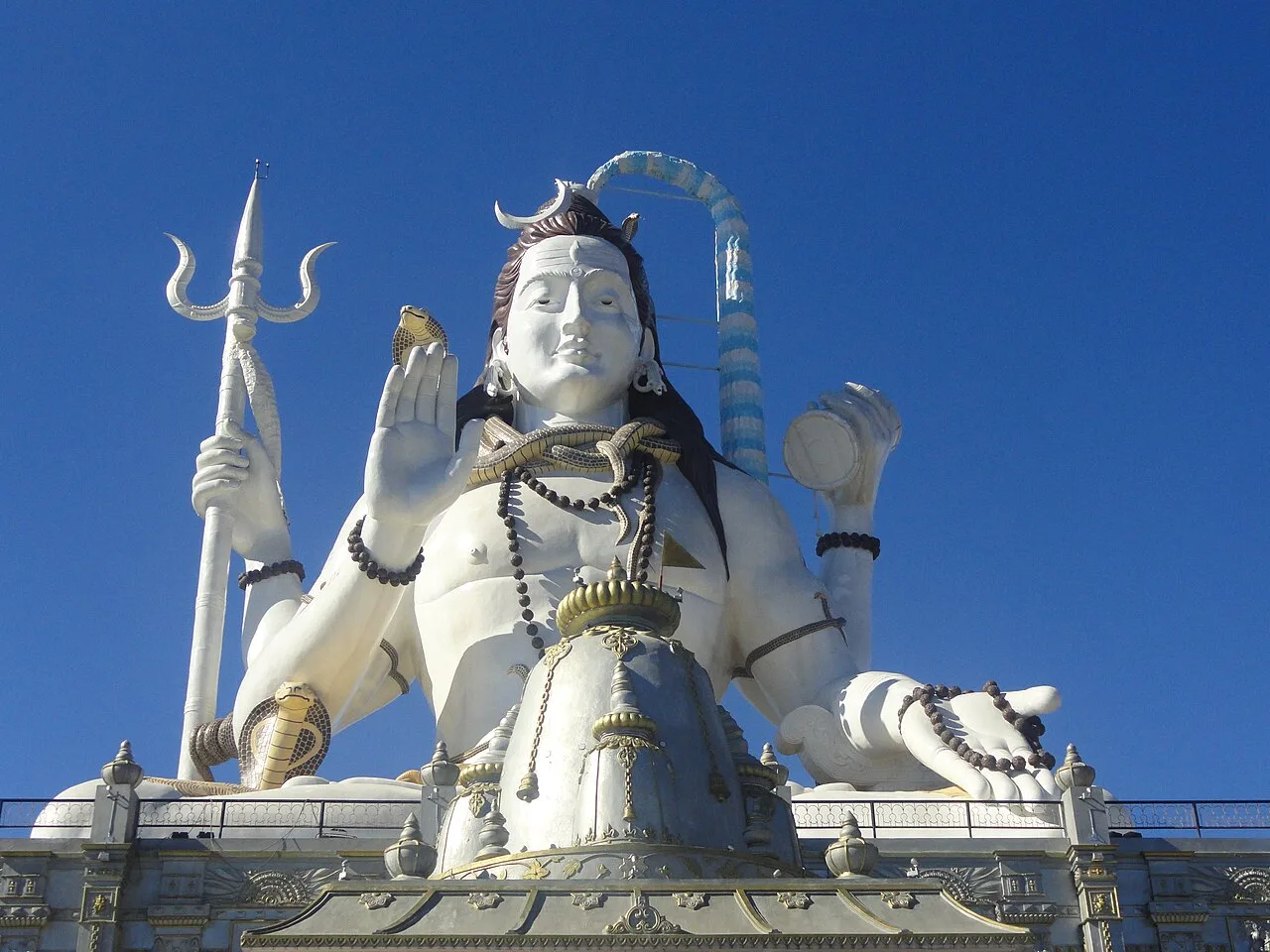
Namchi
Namchi is a town in Sikkim’s Namchi district and serves as the administrative centre of South Sikkim district. Visitors may find its role in district administration a reason to take an interest in the town.
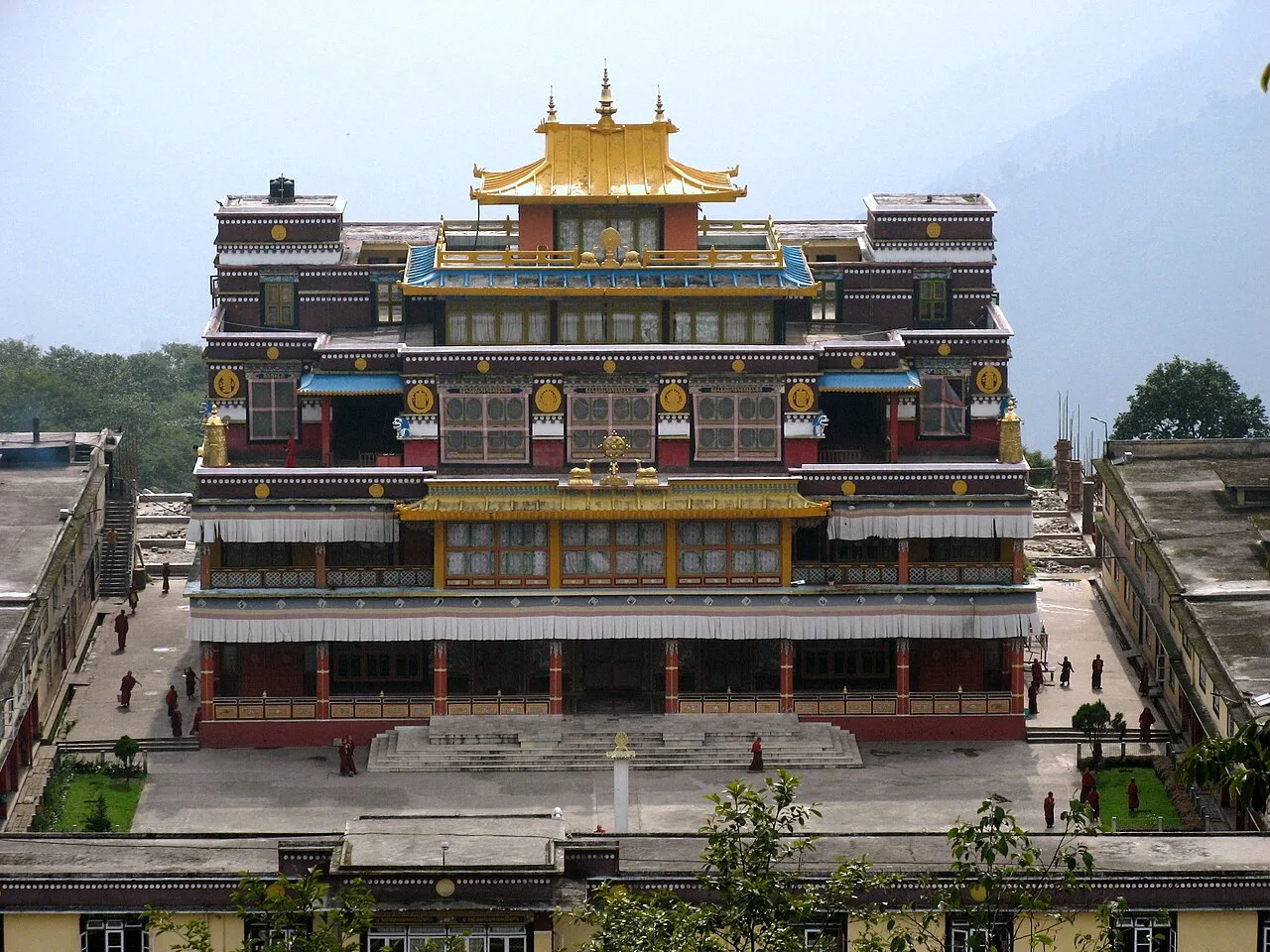
Ralang Monastery
In Namchi district in southern Sikkim, Ralang Monastery is a Buddhist institution of the Kagyu tradition. Visitors come to view its extensive holdings of paintings and thangkas.
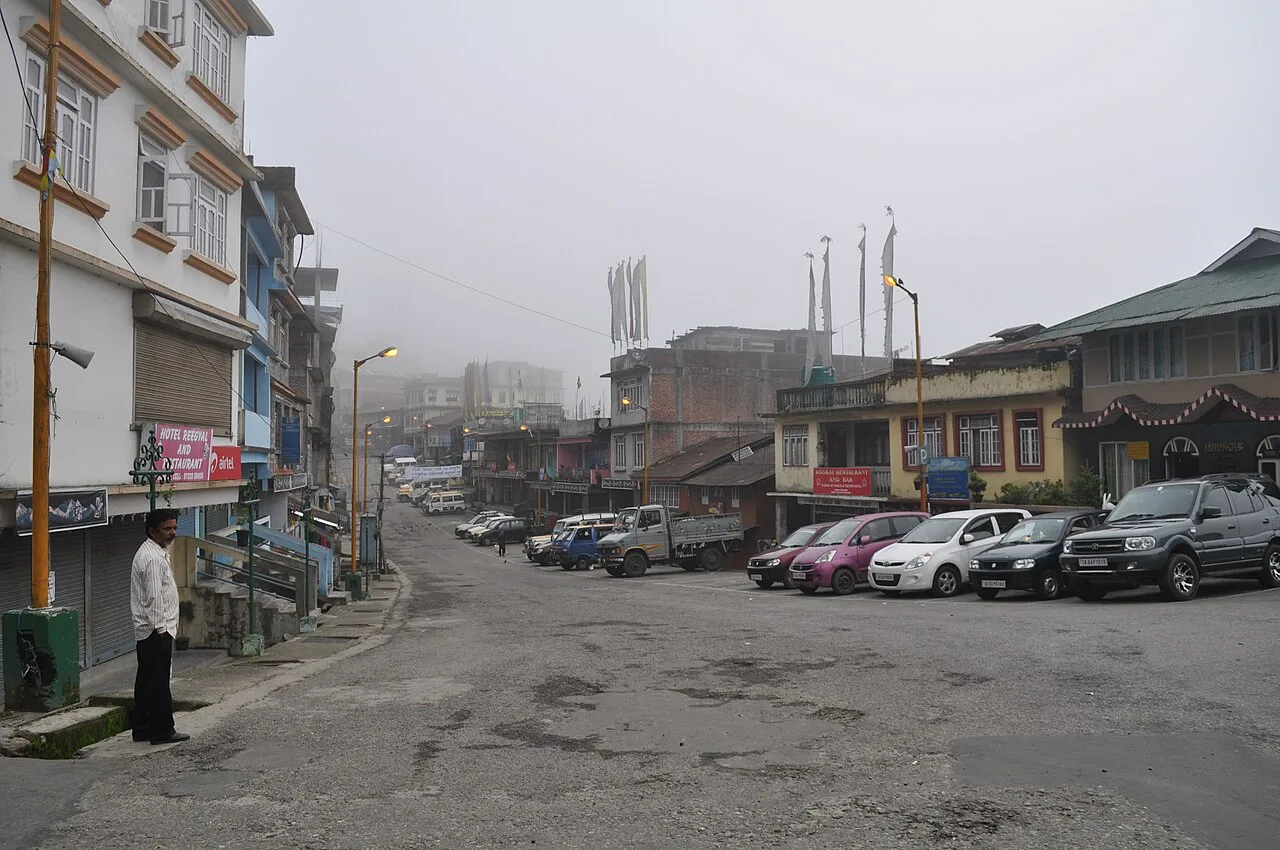
Ravangla
Ravangla, also known as Rabong, is a town in Sikkim’s Namchi district at about 8,000 feet. Visitors use it as the starting point for a trek to Maenam Wildlife Sanctuary.
Food in Namchi district draws on wider Sikkimese and Himalayan traditions. Momos and warming noodle soups such as thukpa and thenthuk are common choices; other regional dishes include phagshapa, pork cooked with radish, and fermented greens such as gundruk and sinki. Sel roti, churpi and local tea are also found in the region. Temi tea is associated with southern Sikkim, while tongba, a warm millet-based drink, is enjoyed in parts of the hills. Small eateries may offer a limited daily menu, so ask what is freshly prepared. Dalle khursani chilli can be very hot; try a little before adding more.
Craft traditions found in Sikkim and the wider Himalayan region include handloom weaving, carpet-making, wood carving and thangka painting. Lepcha weaving is part of the state’s cultural heritage, while Tibetan Buddhist art traditions are visible in religious settings across the region. These practices are not exclusive to Namchi district, and what visitors can see or buy locally varies by town and season. Look for work through established craft outlets or cultural centres, and ask about the maker and materials. Religious objects may have cultural significance, so it is considerate to seek permission before photographing artisans or sacred artworks.
Maghe Sankranti is observed in January, with Jorethang known for a regional fair that can draw visitors from across Sikkim and neighbouring areas. Losar, the Tibetan New Year, is generally celebrated in winter or early spring, while Tendong Lho Rumfaat, associated with Lepcha heritage, is usually held in August. Monasteries also mark Buddhist observances through the year. Festival dates vary, so check locally before travelling. The larger fairs and holiday periods can make central areas busier and reduce the choice of rooms, especially in Jorethang and Namchi.
The district is a landscape of steep hills, ridges, forested slopes and settled valleys in the southern Himalaya. Roads climb and descend between towns and viewpoints, with broad mountain views possible in clear weather. The wider region is drained by the Teesta and Rangeet river systems, though the routes between local sights often follow smaller valleys and hill roads. Forest and protected-area terrain around Maenam provides a contrast with Namchi’s built-up centre and the cultivated slopes near Temi. The gradients and winding roads make journeys slower than map distances may suggest.
Spring and autumn are generally comfortable seasons for sightseeing, with clearer conditions often found in October and November and again from March to May. Summer is mild in comparison with the plains, though cloud can limit views. The monsoon, usually from June into September, brings frequent rain, slippery paths and possible road disruption. Winter is cooler, particularly at night and at higher viewpoints, and some days can be cloudy. Pack layers, a waterproof jacket and shoes with good grip; carry sun protection for clear days. Check local road and weather conditions before setting out, especially during the monsoon.
Most visitors reach Namchi district by road from Bagdogra Airport or New Jalpaiguri railway station, near Siliguri in West Bengal. Pakyong Airport is another option, but flights are limited and weather-dependent; check availability before planning around it. From the Siliguri area, taxis and shared jeeps travel towards Sikkim, with onward road connections to Namchi, Jorethang and Ravangla. Local taxis and shared vehicles are the usual ways to move between towns and nearby attractions; services can be less frequent outside town centres. Mountain roads are winding, and journey times vary with traffic, weather and road conditions. Check current services locally before travelling.
Road is the practical way to move between Namchi, Jorethang, Ravangla and the district’s sights. Shared jeeps and local buses serve some town-to-town routes, while taxis are useful for places that are not directly on a regular service. Autos may be available for shorter journeys in and around larger settlements, but availability varies. Many visitors arrange a vehicle for a circuit linking monasteries, viewpoints and the tea garden. Roads are winding and travel can slow in rain or during busy festival periods. Confirm the return options before travelling to a less-served site.
2 days: Namchi → Char Dham → Samdruptse Hill; sleep night 1: Namchi. 3 days: Namchi → Temi Tea Garden → Ravangla → Buddha Park, Ravangla; sleep night 1: Namchi; night 2: Ravangla. 4 days: Namchi → Rock Garden → Ralang Monastery → Ravangla → Doling Monastery → Maenam Wildlife Sanctuary; sleep nights 1–2: Namchi; night 3: Ravangla.
Namchi is the most practical base for Char Dham, Samdruptse Hill and nearby sights, and has a range of hotels and homestays. Ravangla works well for Buddha Park, monasteries and Maenam outings; expect smaller hotels and homestays, with fewer choices than in Namchi. Jorethang can suit travellers following the southern road corridor. Government lodges may be available in some locations, but facilities and access vary. Book ahead for festival periods and confirm transport if staying outside the main towns.
Hill roads are narrow and winding, and rain can bring slippery surfaces, poor visibility or temporary disruption; allow flexibility and avoid rushing between stops. Wear sturdy footwear on steep paths and check conditions before walks in Maenam Wildlife Sanctuary. Keep food secured and observe local guidance around wildlife. Use treated or sealed drinking water if unsure of the supply. Mobile coverage can be patchy away from towns, so carry essential details offline. Crowds rise at festivals and major religious sites. Permit rules can depend on nationality, route and protected-area access; confirm requirements with official Sikkim authorities before travel.
- Gyalshingabout 14 km
- Gangtokabout 26 km
- Sorengabout 26 km
- Darjeeling · West Bengalabout 33 km
- Kalimpong · West Bengalabout 33 km
- Pakyongabout 41 km
- Manganabout 52 km
- Jalpaiguri · West Bengalabout 73 km
Straight-line distance between the centres of each district's destinations; road distance is longer.
Q: How many days should I spend in Namchi district? A: Two days can cover Namchi’s main sights; allow three or four days to include Ravangla, monasteries or a nature outing. Q: When is the best time to visit? A: March to May and October to November are generally good for sightseeing, though weather can change quickly in the hills. Q: Where is the best base? A: Namchi is convenient for the district’s main town sights, while Ravangla suits visits to Buddha Park and nearby nature areas. Q: How do I get to the district? A: Most visitors travel by road from the Siliguri area or other parts of Sikkim; the nearest airport and rail options are outside the district. Q: Is Namchi suitable for families or elderly travellers? A: Yes, with planning. Choose road-accessible sights, allow time for steep roads and steps, and check accessibility at each site.
This page draws on our 13 destination guides for Namchi and is updated as our team checks it.
Be the first to share photos, stories, advice or a helpful contact for Namchi.
Loading…