
Namchi
Namchi is a town in Sikkim’s Namchi district and serves as the administrative centre of South Sikkim district. Visitors may find its role in district administration a reason to take an interest in the town.
Key facts · verified by Ghumoopedia editors
- Type of place
- Food / craft destination
- Best time to visit
- March to May and October to December; avoid the June–September monsoon
- Nearest railway station
- Siliguri Junction · about 52 km (straight line)
- Nearest airport
- Pakyong Airport (limited, weather-dependent flights) · about 24 km (straight line)
- Verified
- 21 Nov 2026
Plan a trip from Namchi — a day-by-day route through places nearby.
Namchi is a town in Sikkim, located within the district that shares its name. Its position in the state is one part of how the place is identified. The town also serves as the headquarters of South Sikkim district. This gives Namchi an administrative role distinct from its location in Namchi district. For visitors, that civic function offers a reason to take an interest in the town and its place in local administration. Namchi is characterised both by the district in which it lies and by its connection to South Sikkim’s administration. Sikkim is a small Himalayan state wrapped around Kangchenjunga, the world's third-highest peak, with Buddhist monasteries such as Rumtek, Pemayangtse and Tashiding, Lepcha, Bhutia and Nepali communities, high-altitude lakes like Tsomgo and Gurudongmar, rhododendron valleys at Yumthang and Varsey, and a strong commitment to organic farming and clean, plastic-light tourism. Weather depends on altitude: Gangtok and Pelling are mild in spring and autumn and cold in winter, while North Sikkim and Nathu La lie under snow from December to March. The monsoon (June to September) brings heavy rain and frequent landslides. Spring is rhododendron season; October and November give the clearest views of Kangchenjunga. The usual best time to visit is March to May and October to December; avoid the June–September monsoon. Timings, fees and access arrangements must be confirmed locally. For official information, see Sikkim Tourism at https://www.sikkimtourism.gov.in.
Why it matters
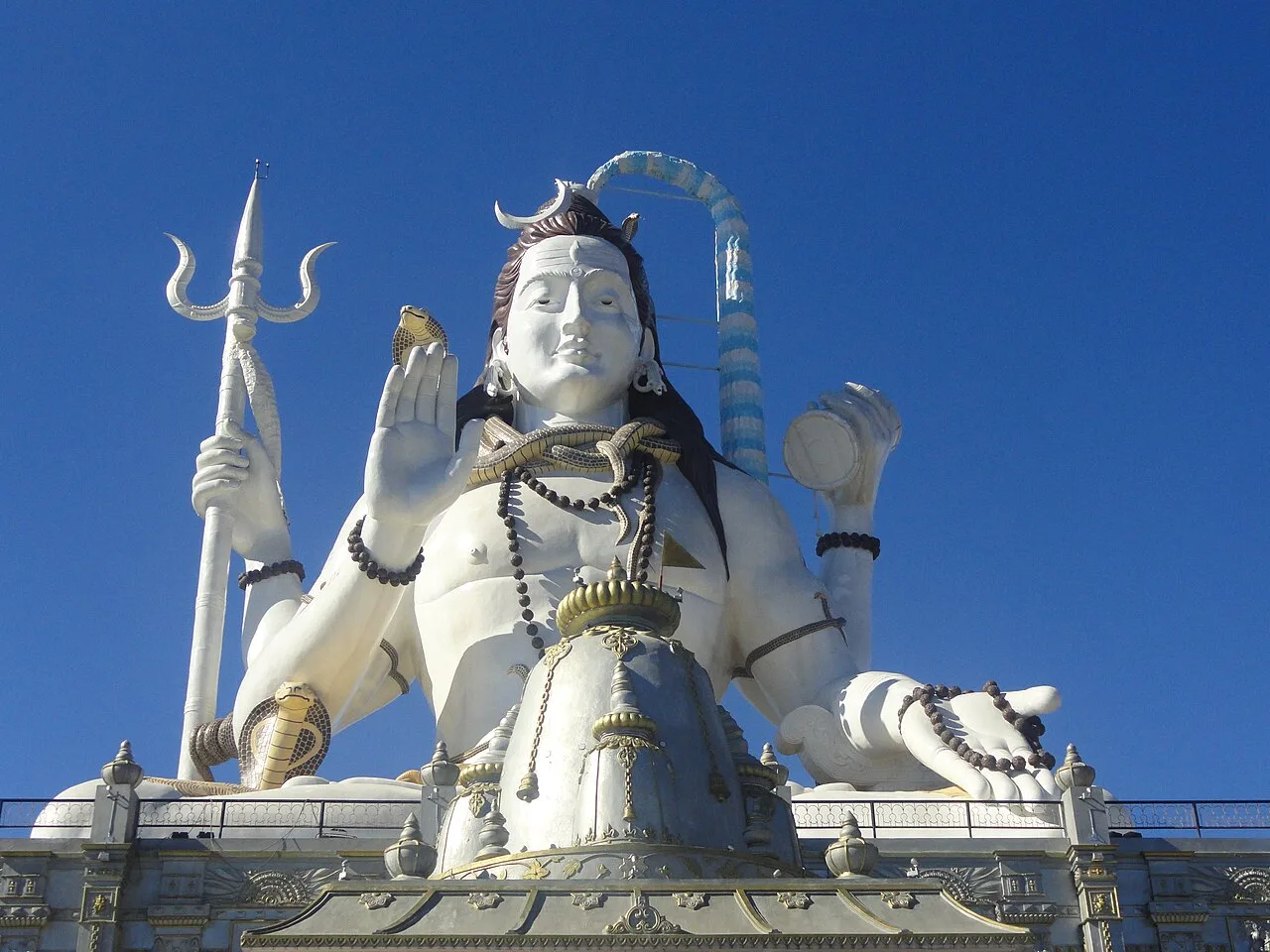
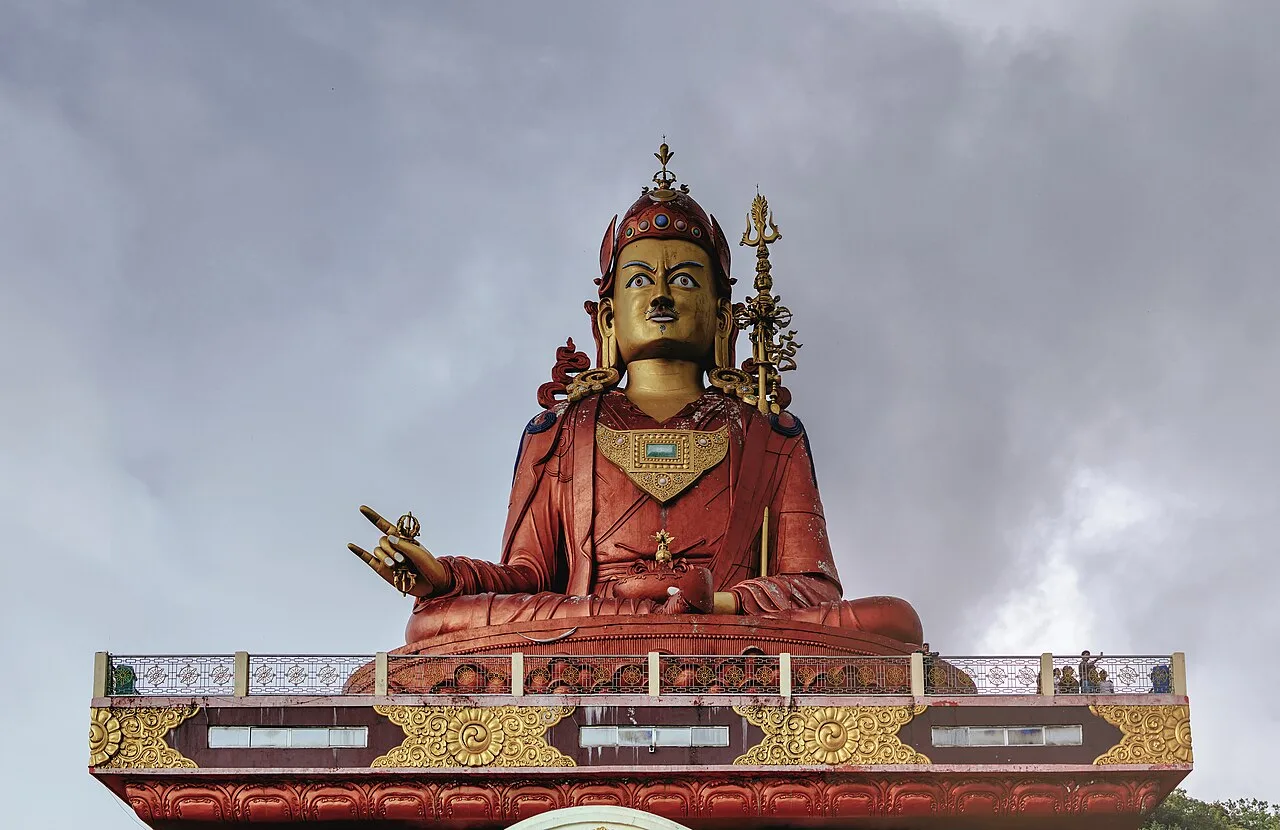
Namchi is a town and an administrative centre in Sikkim’s southern region. It serves local residents and visitors as a market town and a base for exploring nearby religious, cultural and scenic sites. Two prominent landmarks are Siddhesvara Dham, a pilgrimage complex representing celebrated Hindu shrines, and the large statue of Guru Padmasambhava at Samdruptse. The surrounding area is also associated with Temi tea and organic farming, including cardamom cultivation. These features give Namchi a role in regional pilgrimage, tourism and commerce. The sites are important within Sikkim, but Namchi itself should not be described as a UNESCO World Heritage Site or an ASI-protected monument.
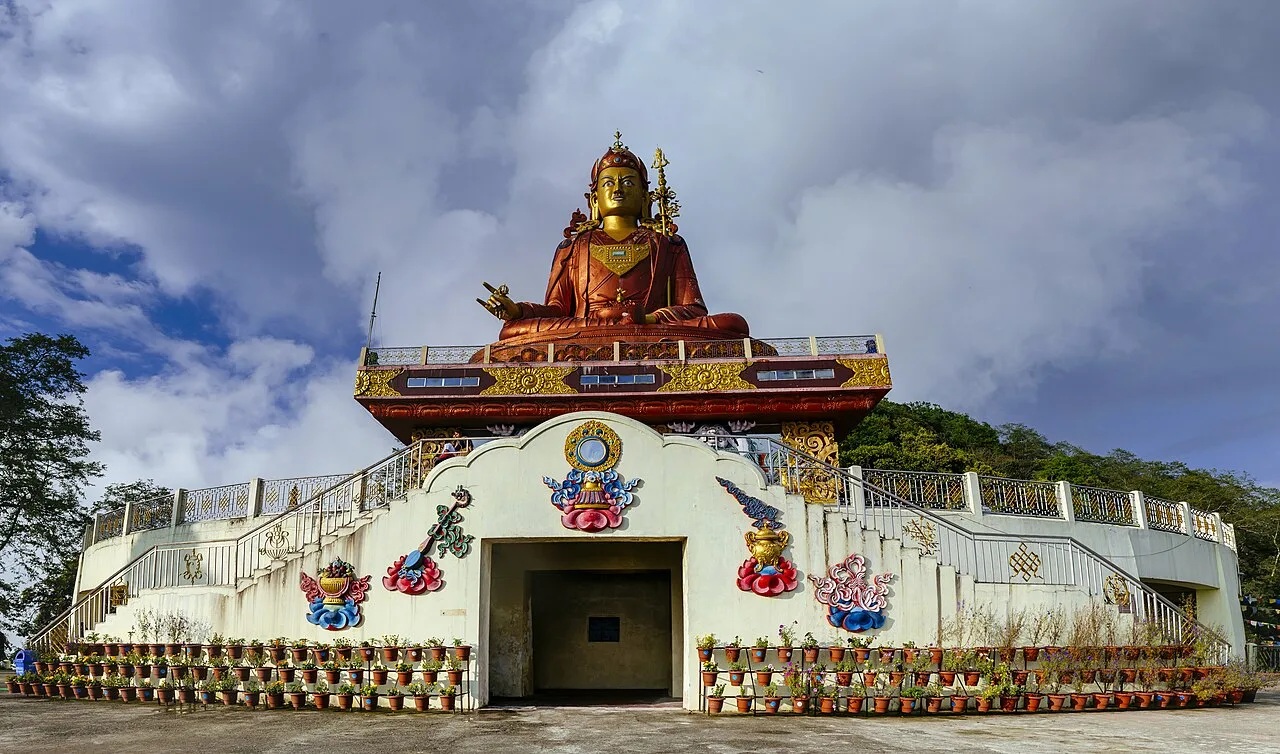
There is no single, well-established founding date for Namchi. It grew as a settlement and market centre in the southern part of Sikkim, later taking on a stronger administrative role as the district headquarters. District names and administrative arrangements have changed; visitors may see the area referred to as South Sikkim or Namchi district in different sources. In recent decades, tourism has helped reshape the town’s public profile. Samdruptse Hill became known for its monumental statue of Guru Padmasambhava, which was unveiled in 2004. Siddhesvara Dham at Solophok was developed as a pilgrimage complex representing four major Hindu shrines and opened in 2011. These are modern religious and tourism projects rather than ancient monuments. Namchi’s continuing importance also rests on its shops, services and links to nearby villages and agricultural areas. No major restoration history is necessary to explain the town; for current information about the upkeep or access of individual attractions, check with their managers.
Use Namchi as a base to understand local life: walk through the market, look for local crafts such as Lepcha weaving, Tibetan carpets, thangka paintings, Temi tea and organic cardamom and ask your host about nearby viewpoints and short excursions. Always ask before photographing people, homes or ceremonies. A comfortable itinerary is one main visit in the morning, a local meal at midday and a short nearby stop before an afternoon return. In the mountains, mornings are clearest; clouds often roll in by noon, so start early for views of Kangchenjunga. Use the district list on this site to find other places in Namchi, but check the route and its condition before combining stops. If a festival is on — such as Losar (Tibetan New Year), Saga Dawa, Pang Lhabsol, Losoong, Bumchu at Tashiding, Dasain and Tihar or the Gangtok winter carnival — roads and stays can be busy, and the experience can be unforgettable. Leave no litter: Sikkim restricts plastic and packaged water in many tourist areas, so carry a refillable bottle.
Suggested itineraries
Half day: Browse the market (about 1–2 hours), have a local lunch (about 1 hour), then visit one nearby viewpoint or attraction (about 1–2 hours). Full day: Visit Siddhesvara Dham (about 2–3 hours), return for lunch and a market walk (about 1–2 hours), then visit Samdruptse Hill (about 1–2 hours); allow extra time for road conditions. Gentler option: Choose one main attraction, arrange a taxi close to its entrance, and take breaks at a café or shaded resting spot rather than combining several hill sites.
Namchi’s everyday culture reflects Sikkim’s mix of Nepali, Bhutia and Lepcha traditions, alongside the wider influences of a Himalayan hill town. Nepali is commonly heard, with other community languages and English also used. Visitors may encounter Nepali celebrations, Buddhist observances, local music and dance, and religious customs at nearby monasteries and pilgrimage sites. Regional foods to look for include momos, thukpa, fermented leafy greens such as gundruk, and dishes made with local produce. Markets and tea shops offer a practical glimpse of daily life. Customs vary between families and communities; ask before photographing ceremonies or entering religious spaces.
Local communities
Namchi and its surrounding villages are home to people from Nepali, Bhutia and Lepcha communities, as well as others who have settled in the town. Livelihoods include government and service work, retail, transport, tourism, farming and horticulture. Regional products include cardamom and tea, while local markets connect town residents with nearby agricultural communities. Traditional skills such as weaving and thangka painting are associated with communities across Sikkim, but not every item sold in Namchi is made there. Ask vendors about an item’s maker and origin, and approach cultural traditions with respect rather than treating them as performances.
Festivals & events
Festivals observed in Namchi and the surrounding region include Losar, the Tibetan New Year, and Buddhist occasions such as Saga Dawa and Pang Lhabsol; their dates vary with the lunar calendar. Losoong, a Sikkimese harvest and New Year celebration, usually falls around December. Dasain and Tihar are widely celebrated by Nepali communities, generally in autumn. Nearby monasteries may hold their own annual ceremonies, but programmes vary. Festival periods can bring more visitors, busy roads and higher demand for accommodation. Check local announcements before travelling, and follow guidance about access, photography and respectful behaviour at ceremonies.
Local food in Sikkim includes momos, thukpa and thenthuk noodle soups, phagshapa (pork with radish), gundruk and sinki fermented greens, sel roti, churpi (yak cheese), chhurpi soup, local tea from Temi and warm tongba millet brew in the hills. Ask what is fresh that day; many small eateries cook a limited daily menu. Most food is mild compared with the plains, with plenty of vegetarian options; local chilli pastes made from dalle khursani are extremely hot, so try a little first. Hot soups and butter tea help at altitude. Remote sites may have no restaurant at all. Carry water and snacks, eat a proper breakfast before long drives, and ask your accommodation for a packed lunch if you are heading out early. Try a home-cooked or local thali meal when you can — it is often the best food on the route. Choose busy, clean places, drink sealed or filtered water, and carry your packaging back with you.
Shopping & local experiences
Browse Namchi’s market for everyday Sikkimese products, packaged tea and locally grown produce when available. Temi tea and organic cardamom are regional items to look for, though stock and origin vary by seller. Shops may also carry Lepcha weaving, Tibetan carpets and thangka paintings; ask whether an item was made locally and whether the seller can identify its maker. Food shops and restaurants offer a chance to try regional dishes such as momos, thukpa and gundruk. Choose reusable bags and avoid buying wildlife products or items whose origin is unclear.
March to May and October to December; avoid the June–September monsoon
The nearest principal railway station by straight-line distance is Siliguri Junction, roughly 52 km away. The nearest operating airport by straight-line distance is Pakyong Airport (limited, weather-dependent flights), roughly 24 km away. These figures are calculated from map coordinates — actual road distance is longer, and mountain roads mean even short distances can take hours. Most travellers arrive at Bagdogra Airport or New Jalpaiguri (NJP) railway station near Siliguri in West Bengal, about 4–5 hours' drive from Gangtok; Pakyong Airport near Gangtok has limited, weather-dependent flights. Shared jeeps and reserved taxis run from Siliguri to Gangtok, Namchi, Ravangla and Pelling. From Siliguri or Bagdogra, take a shared jeep, SNT bus or reserved taxi; within Sikkim, shared jeeps leave from the town taxi stands in the morning and fill up early, while reserved taxis give flexibility for monasteries and viewpoints. When comparing train, bus and flight, count the complete door-to-door time: a flight saves the most time only if the onward road transfer is short, while an overnight train can save a hotel night. For Sikkim, flying into Bagdogra saves the most time from distant cities, while a train to NJP is cheaper; either way the road journey up the Teesta valley takes most of a day, so do not plan sightseeing on arrival. Book your return before you leave, because seats fill quickly on weekends, festivals and holidays. Current train numbers, timings, return services and fares are not listed here; check IRCTC and NTES for trains and the airline's own schedule for flights. Indian travellers need no permit for Gangtok, Pelling, Namchi and Ravangla, but a Protected Area Permit — arranged through a registered Sikkim tour operator or taxi association with photo ID and passport photos — is mandatory for Tsomgo Lake, Nathu La, North Sikkim (Lachung, Lachen, Yumthang, Zero Point and Gurudongmar), Zuluk and the Dzongri–Goecha La trek. Foreign nationals need a free Restricted Area Permit, issued online or at the Rangpo and Melli checkposts, and cannot visit Nathu La; some areas allow foreigners only in groups. Nathu La is open on limited days each week and closes after snowfall, and landslides can shut any road at short notice.
Confirm onward and return timings on IRCTC / NTES, the state bus operator or your airline before travel. A dash means current timings or fares have not been verified.
Getting around
Shared jeeps and taxis are common ways to reach Namchi and travel between towns in Sikkim. For nearby attractions, ask locally about a taxi or shared vehicle serving that route; availability can vary. The central market area can be explored on foot, but streets may be steep and traffic can make walking less comfortable. Do not assume local buses or auto-rickshaws will be available for every journey. If driving, ask your accommodation about suitable parking near your destination. Mountain roads can be slow, especially in rain, so leave room in your plans for changing conditions.
Hours, tickets & permissions
Namchi is a working town, while individual attractions, monasteries and shops set their own entry arrangements. Some religious or managed sites may have ticketing, visitor rules, dress expectations or restrictions on photography; requirements can differ by location and during ceremonies. Permits may apply for certain travel areas elsewhere in Sikkim, so check your full route. Carry identification if requested by local authorities or site staff. Confirm current opening arrangements and any fees directly with the relevant managing authority before setting out.
Facilities
Namchi has shops, restaurants, accommodation and everyday services in and around the town centre. Toilets and drinking water may be available at larger managed attractions, but provision varies; carry water in a refillable bottle and check locally. Food choices are generally easier to find in town than at smaller viewpoints. Parking is available at some attractions, though spaces and access can vary. ATMs and basic services are usually found in town, but do not rely on every facility being open or stocked. Guides may be arranged locally or through accommodation providers.
Accessibility
Namchi is hilly, and roads, paths and attraction grounds can include slopes, uneven surfaces and steps. The market may involve crowded, sloping streets, while hilltop sites can require walking between drop-off points and viewpoints. Shade and seating vary by location. Wheelchair and stroller access should not be assumed, and steep approaches may be difficult for visitors with limited mobility or balance. Elderly visitors may find it more comfortable to choose one site, use a taxi to reduce walking, and allow frequent rests. Check access directly with each attraction before visiting.
Indian travellers need no permit for Gangtok, Pelling, Namchi and Ravangla, but a Protected Area Permit — arranged through a registered Sikkim tour operator or taxi association with photo ID and passport photos — is mandatory for Tsomgo Lake, Nathu La, North Sikkim (Lachung, Lachen, Yumthang, Zero Point and Gurudongmar), Zuluk and the Dzongri–Goecha La trek. Foreign nationals need a free Restricted Area Permit, issued online or at the Rangpo and Melli checkposts, and cannot visit Nathu La; some areas allow foreigners only in groups. Nathu La is open on limited days each week and closes after snowfall, and landslides can shut any road at short notice. Carry a photo ID at all times and save the emergency number 112 and your accommodation's contact offline. Mountain roads are narrow and prone to landslides, especially from June to September; travel in daylight, use experienced local drivers, and keep a spare day in your plan for road closures. Watch your belongings in crowds and on public transport, and follow posted instructions.
Photography
Early morning often gives the clearest mountain views; clouds can build later, though visibility changes with weather and season. Ask locally for a suitable public viewpoint, and follow signs and staff instructions at managed attractions. Photography is commonly possible in public areas, but rules can differ inside temples, monasteries and other religious spaces. Ask permission before photographing residents, homes, ceremonies or religious practitioners. Do not use a drone without checking current aviation rules and obtaining any required permissions; avoid flying near crowds, religious sites or sensitive areas.
Choose a stay by the full journey to Namchi, not just the district name. Gangtok has the widest choice, from homestays to boutique hotels along MG Marg; Pelling hotels face Kangchenjunga, and village homestays in Yuksom, Aritar, Okhrey and Dzongu offer a quieter, local experience. In summer, check air-conditioning; in the monsoon, check that the property is accessible if roads flood. Book in advance for weekends, festivals and the peak season (March to May and October to December; avoid the June–September monsoon). Confirm the exact location, meals included, check-in time and cancellation terms in writing. Avoid sending money to unverified contacts or touts at stations. Carry some cash, as card and digital payments can be unreliable in remote areas.
Within Namchi, visitors can combine a market visit with Siddhesvara Dham at Solophok or Samdruptse Hill. The Namchi Rock Garden is another local stop. For a longer outing, Ravangla has Buddha Park and provides access to the wider Temi tea-growing area. Tashiding Monastery is another regional destination, though reaching it involves a separate mountain-road journey. These places are not all close enough to combine comfortably in a short visit. Check road conditions and local travel times before planning several stops in one day.
For couples, Namchi rewards a slow pace: arrive early for soft light and fewer crowds, share a local meal and keep the evening free. Sunrise over Kangchenjunga from Pelling or Tashi View Point, a stroll on MG Marg in the evening or a quiet homestay night in a village makes the trip memorable. Public displays of affection can be frowned upon in conservative communities and at religious sites, so be discreet. Keep a buffer in your itinerary, because weather and road conditions can delay plans.
Q: How much time should I allow for Namchi? A: A half day can cover the market and one nearby stop; a full day allows time for two attractions, with road conditions taken into account. Q: When is a good season to visit? A: Spring and autumn are generally favourable across Sikkim. Monsoon rain can disrupt road travel, so check conditions before setting out. Q: Do Namchi’s attractions charge admission? A: Entry arrangements vary by site and may change. Confirm any current fees and rules with the attraction’s managing authority. Q: Is Namchi suitable for children and elderly visitors? A: It can be, but slopes, steps and uneven paths may be tiring. Choose fewer stops, arrange transport close to entrances and take breaks. Q: Can I stay overnight nearby? A: Namchi has accommodation options. Check availability locally, especially during festivals or busy travel periods.
Be the first to share photos, stories, advice or a helpful contact for Namchi.
Loading…