Ghumoopedia — Explore, Discover, Experience
Sign in
Aritar, Sikkim

State · Northeast India

Sikkim

Kanchenjunga views, Buddhist monasteries and high glacial lakes.

Capital
Gangtok
Districts
6
Destinations
62
Plan a trip in Sikkim

Overview

Understanding Sikkim

Culture

Lepcha, Bhutia and Nepali heritage.

Food

  • Momo
  • Gundruk

Festivals

  • Losar
  • Saga Dawa
  • Pang Lhabsol

Experiences here

  • Mountain
  • Spiritual
  • Wildlife
  • Festivals

Verified by the Ghumoopedia editorial team on 21 Nov 2026. Written and reviewed by Ghumoopedia's editors. Timings, fees and permits can change, so check them with the managing authority shortly before you travel.

The complete guide

Sikkim: a traveller's guide

Why visit

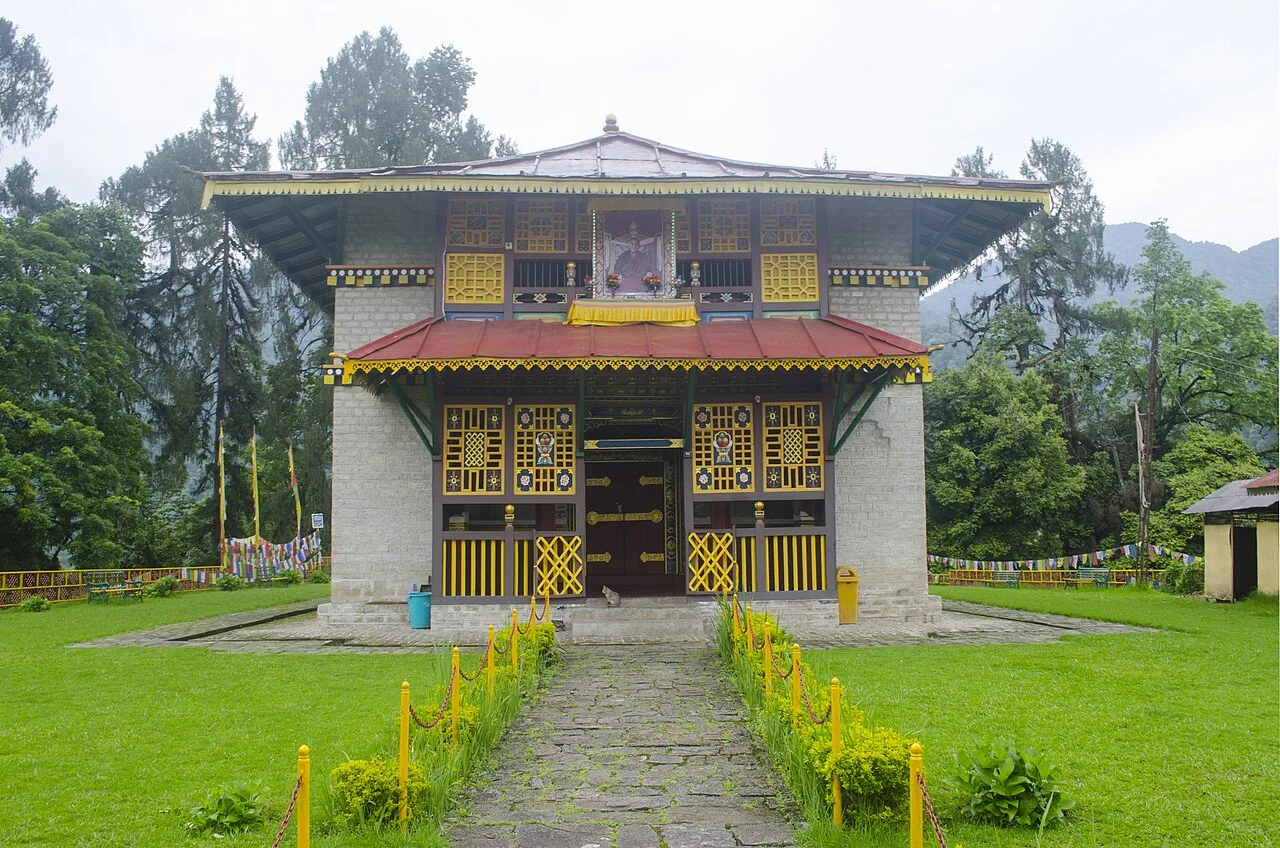
Sikkim is a small Himalayan state with an unusually wide range of experiences packed into steep valleys and high mountain country. Gangtok, its capital, combines lively markets and monasteries with views towards Kanchenjunga, while quieter towns and villages offer a slower introduction to Sikkim’s Lepcha, Bhutia and Nepali heritage. Buddhist sites such as Enchey Monastery and Pemayangtse Monastery sit alongside sacred lakes, forest trails and historic places including Rabdentse Ruins and Kabi Lungchok.

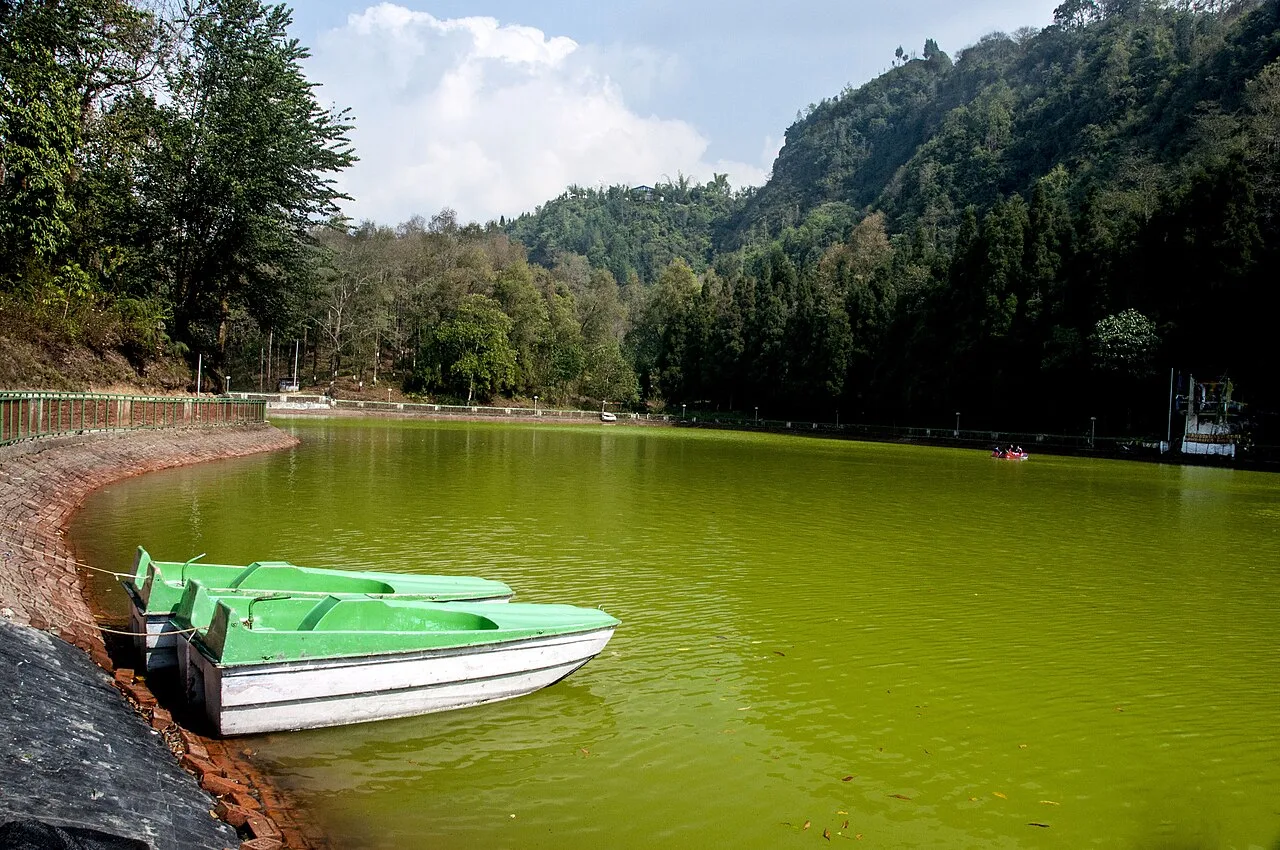
The state suits travellers looking for mountain scenery, cultural journeys, wildlife and walking, as well as visitors who prefer short excursions from a comfortable base. Trips can range from Gangtok’s viewpoints and the Tsomgo Lake road to longer journeys towards Lachen, Gurudongmar Lake, Yumthang Valley or the west’s Khecheopalri Lake and Goecha La. High-altitude destinations require careful planning, and road access can change with weather. Sikkim is also rewarding at a gentler pace: sample momo and gundruk, visit a monastery, or spend time in smaller places such as Aritar, Ravangla and Hee Bermiok.
Landscape & climate

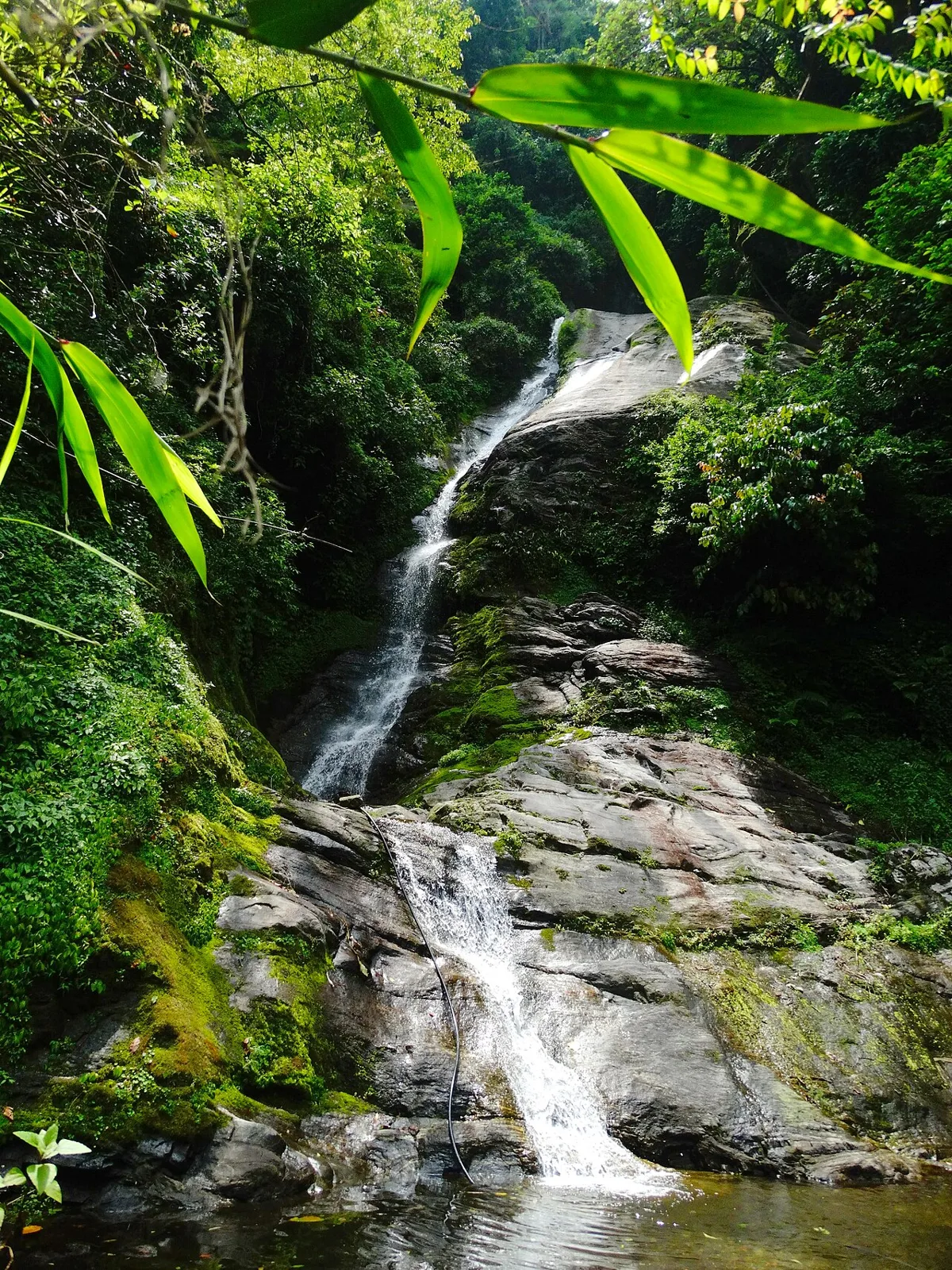
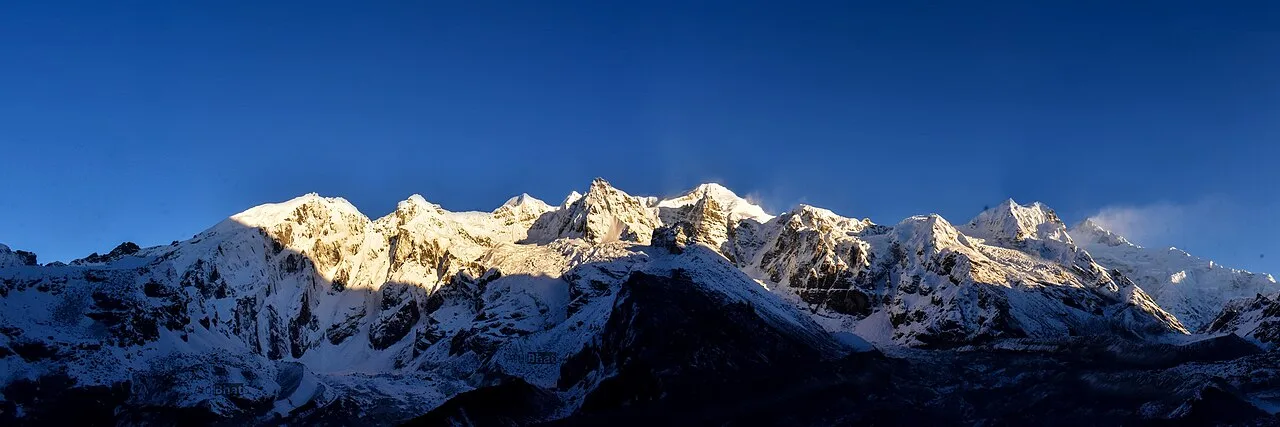
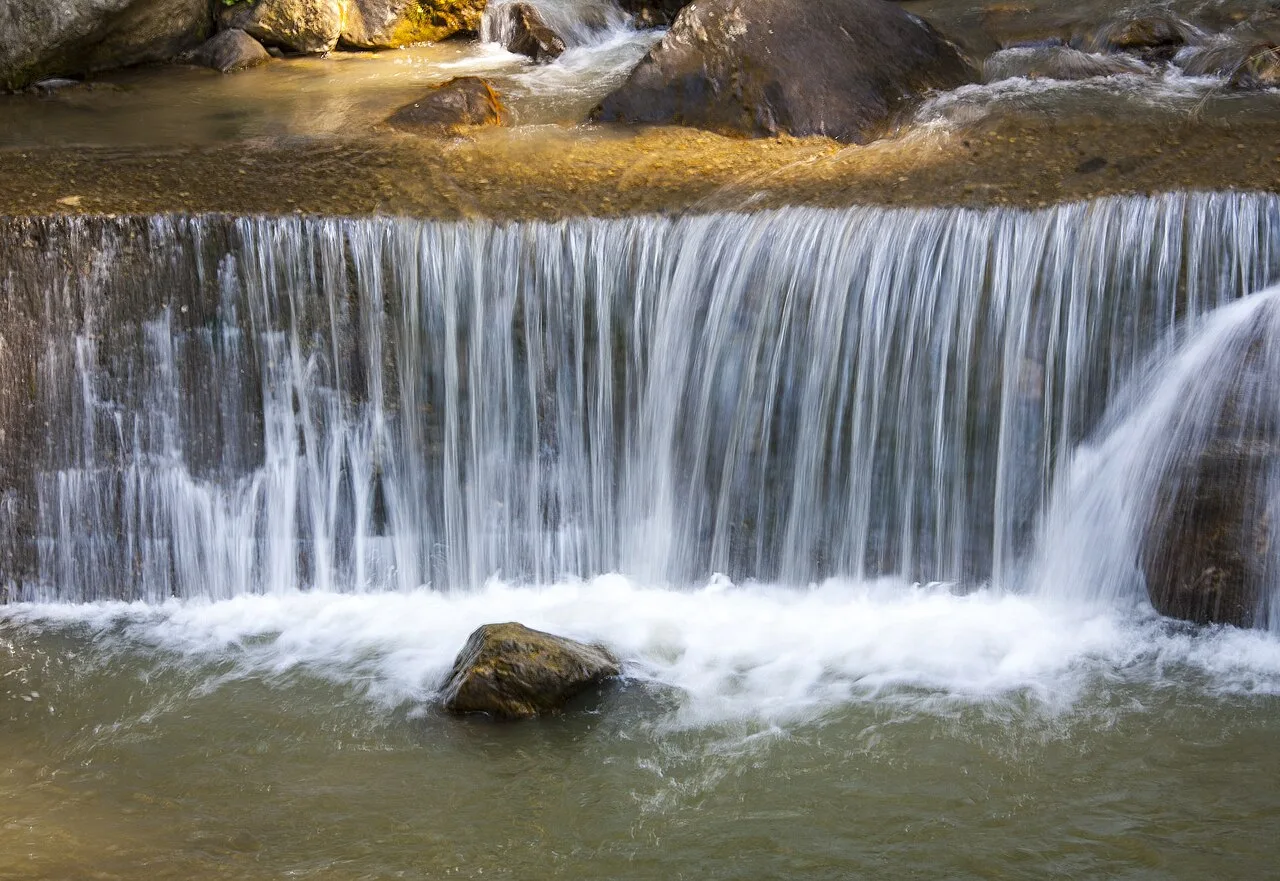
Sikkim rises from subtropical river valleys to the high Himalaya, with Kanchenjunga dominating the western skyline. The Teesta drains much of the state, joined by the Rangit and many smaller, fast-flowing streams. Roads and settlements follow narrow valleys and ridges rather than broad plains. Gangtok and the eastern hills occupy a central-eastern belt; Mangan district reaches north into high mountain country, while the western and southern districts include forested slopes, farming villages and viewpoints. The six districts are Soreng, Pakyong, Gangtok, Mangan, Gyalshing and Namchi.

Lower elevations have warm, humid conditions and subtropical vegetation; higher slopes pass through temperate forest, conifers and rhododendron before reaching alpine meadows, glaciers and bare rock. Khangchendzonga National Park protects a large range of habitats, while Kyongnosla Alpine Sanctuary and Varsey Rhododendron Sanctuary are known for high-elevation plants and wildlife. The monsoon, generally from June into September, brings heavy rain, cloud and landslide risk. Spring brings flowering rhododendrons and clearer spells, while autumn is often valued for crisp air and mountain views. Winters are cold, especially in the north and at high passes, where snow or ice can affect access; lower towns remain milder but may still feel chilly.

History & heritage

Sikkim’s history begins with the land’s Indigenous Lepcha communities and their deep relationship with its rivers, forests and mountains. Bhutia migration from Tibet added another major strand to the region’s society and religious life. In the seventeenth century, the Namgyal dynasty established a Buddhist kingdom, with Phuntsog Namgyal traditionally regarded as its first Chogyal. Yuksom was an early royal centre; later capitals included Rabdentse, whose ruins remain near present-day Gyalshing. Monasteries such as Pemayangtse and the traditions of Tibetan Buddhism became important institutions, while Nepali-speaking communities grew in number over subsequent centuries.

Sikkim’s position between Tibet, Nepal, Bhutan and British India shaped its political history. Conflict and changing frontier arrangements marked the nineteenth century. British influence expanded through treaties and, in 1890, an Anglo-Chinese convention defined the Sikkim-Tibet boundary, though local political realities remained complex. In 1895 the British released the Chogyal from a period of deposition and exile. After Indian independence, the 1950 treaty made Sikkim a protectorate of India, with India responsible for its defence and external relations while the Chogyal retained internal authority. Political movements seeking wider representation and changes to the kingdom’s constitutional arrangements gathered strength in the 1970s.

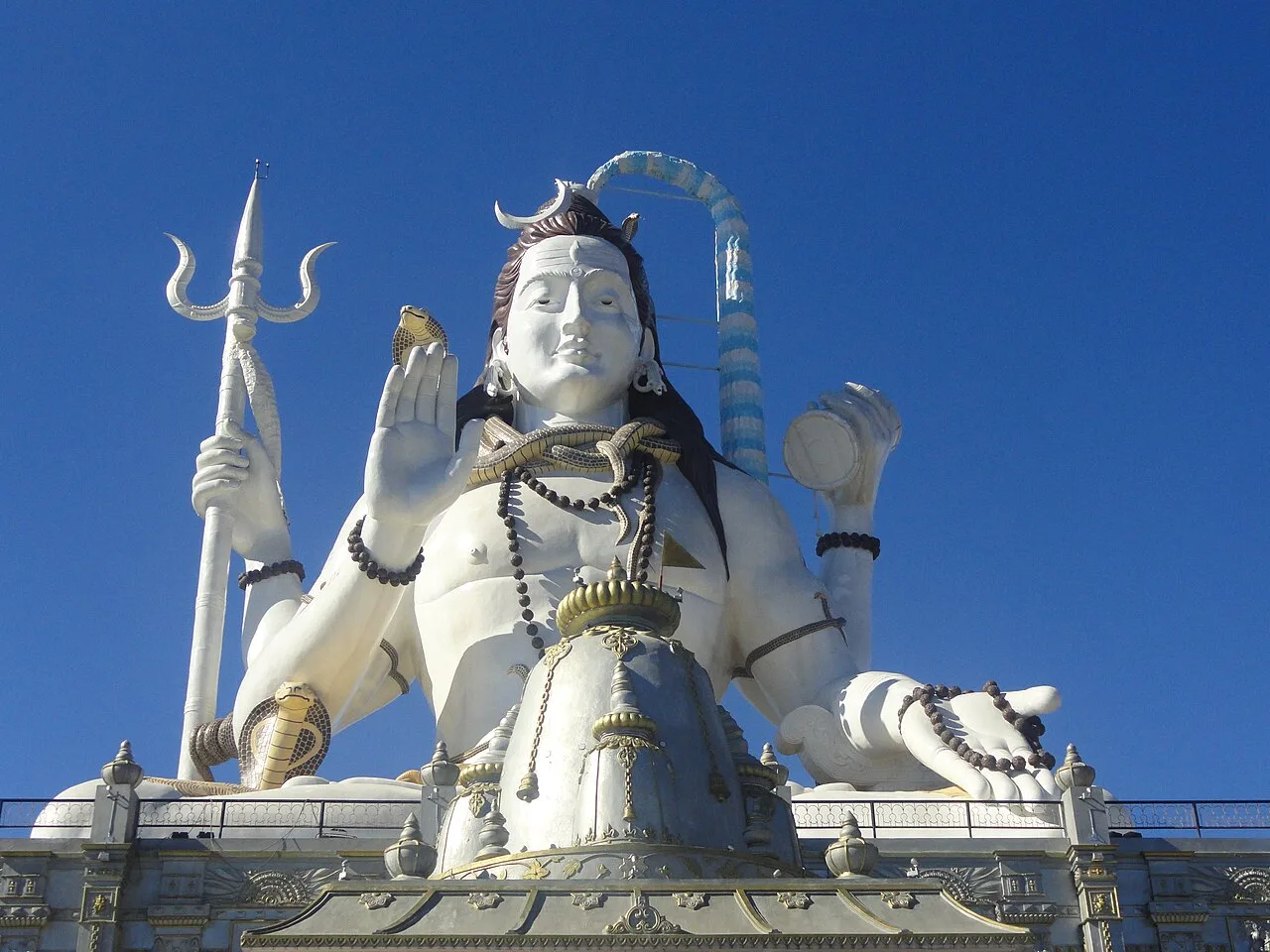
Following a referendum in 1975, Sikkim joined India and became the country’s twenty-second state on 16 May that year; the monarchy ended. The state’s modern history is therefore closely tied to its transition from Himalayan kingdom to Indian state. Its heritage is visible not only in palaces, chortens and monasteries, but also in village traditions, sacred landscapes and the layered histories of its communities. Sites such as Norbugang Chorten, Do Drul Chorten and Rabdentse help visitors encounter different parts of that past, though each belongs to a distinct historical and religious context.

Culture, people & festivals

Sikkim’s cultural life reflects Indigenous Lepcha traditions, Bhutia and Tibetan Buddhist influences, and the many Nepali-speaking communities who form a large part of its population. Nepali is widely spoken, alongside languages including Lepcha and Sikkimese, often called Bhutia; English is also used in education and public life. Many residents are multilingual. Buddhism, especially Tibetan Buddhist traditions, is prominent, while Hindu communities and other faiths contribute to the state’s diverse religious landscape. Monasteries, household rituals, village celebrations and shared public festivals all have a place in daily life.

Losar, the Tibetan New Year, usually falls in February or March and is observed with prayers, family gatherings and festive food. Saga Dawa, generally in May or June, commemorates significant events in the Buddha’s life and is marked by religious observances. Pang Lhabsol, usually held in August or September, honours Mount Khangchendzonga and celebrates the historic bond between Lepcha and Bhutia communities. Dates follow lunar calendars and vary from year to year. Dasain and Tihar, generally in autumn, are important in many Nepali households. Monastic cham dances, performed in ceremonial masks and costumes, can be seen at particular religious festivals, but dates and access vary. Folk songs, community dances and local musical traditions are also part of celebrations; visitors should follow guidance about photography and sacred spaces.

Food & flavours

Sikkim’s food draws on Himalayan, Tibetan and Nepali traditions, with regional and household variations. Rice is a common staple in lower areas, while maize, millet and other grains also feature. Momo—steamed or fried dumplings filled with vegetables or meat—is widely enjoyed, as is thukpa, a warming noodle soup. Gundruk, fermented leafy greens, and sinki, fermented radish taproot, are often cooked into soups or served as accompaniments. Fermentation and preservation are practical traditions in a cool mountain climate, and flavours may be tangy, savoury or chilli-hot.

Among other familiar dishes are phagshapa, a pork preparation with radish and dried chillies, and kinema, fermented soybean used in curries. Sel roti, a ring-shaped rice bread, is associated with Nepali festive cooking. Chhurpi, a traditional dried or fresh cheese, appears in different forms, while local meals may include seasonal greens, potatoes, pulses and pickles. Recipes vary between communities and elevations, so the same dish may taste different from one home or eatery to another. Try food in busy local restaurants as well as market stalls, and ask about ingredients if you avoid meat, dairy or chilli. Vegetarian choices are available, but ingredients and cooking practices should be checked rather than assumed.

Crafts, textiles & what to buy

Sikkim’s craft traditions include handwoven textiles, carpets, woodwork, bamboo and cane items, and Buddhist religious art. Traditional weaving may use distinctive patterns and materials associated with local communities; shawls, clothing and household textiles are practical as well as decorative. Carpet weaving and thangka painting are among the crafts visitors may encounter in Gangtok and other towns, while carved objects and ritual items reflect Buddhist artistic traditions. The Namgyal Institute of Tibetology in Gangtok offers context for Tibetan Buddhist art and material culture, though it is a museum and research institute rather than a general craft market.

Look for locally made work through craft centres, cooperatives and reputable shops, and ask who made an item and where its materials came from. Sikkim’s GI-tagged products include Sikkim large cardamom, cultivated across suitable hill areas, and Sikkim’s Dalle Khursani chilli. These are food products rather than handicrafts, but make distinctive purchases when properly labelled and packed for travel. Temi tea, grown around Temi in Namchi district, is another well-known regional product, though buyers should distinguish local tea from products with a formal geographical indication. Avoid purchasing wildlife products, antiquities or religious objects removed from active sites; choose items that support makers and respect community traditions.

Getting there & getting around

Sikkim has no major rail junction within the state. Most visitors arrive by air at Bagdogra Airport in West Bengal, then travel by road through Siliguri and Rangpo towards Gangtok. Pakyong Airport, east of Gangtok, is within Sikkim, but services can be limited or subject to change, so check current routes before planning around it. New Jalpaiguri, near Siliguri, is the principal railhead for many journeys; Siliguri also has rail connections. The rail link towards Rangpo has been under development, so confirm its operating status rather than assuming trains reach Sikkim.

The main road approach from Siliguri is National Highway 10, which follows the Teesta corridor through Rangpo to Gangtok. Other national and state highways connect Gangtok with towns and destinations across the state, including Namchi, Gyalshing, Mangan and Pakyong. Shared jeeps, taxis and hired vehicles are common ways to travel between towns; local taxis and walking are useful in Gangtok. Journeys to remote northern areas, high lakes and border routes usually require advance coordination, and some locations are served by registered vehicles or organised tours. Road travel can be slow because of steep terrain, construction, weather and landslides. Allow flexibility, check local road conditions, and do not rely on a short map estimate for a mountain journey.

When to go & travel tips

For many travellers, March to May brings spring flowers and comparatively pleasant weather, while October and November often offer clear mountain views. Spring is rewarding around Varsey and other rhododendron areas; autumn suits Gangtok, Namchi and western viewpoints. Monsoon months can bring lush scenery but also heavy rain, landslides and disrupted roads. Winter is a good time for lower towns and monasteries, but high destinations may be extremely cold or inaccessible. Conditions vary by elevation, so choose timing by region rather than treating the state as one climate zone.

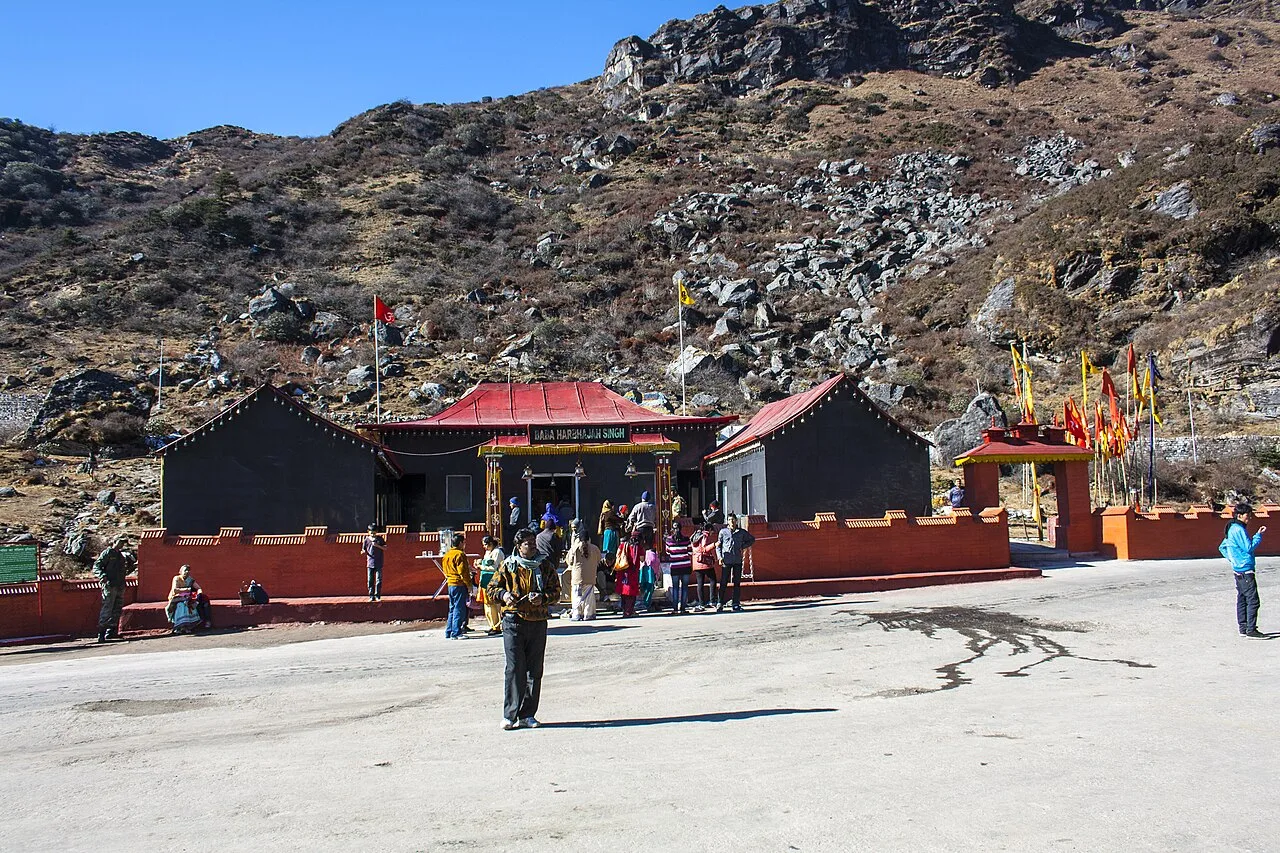
Pack layers, a waterproof jacket, sturdy shoes, sun protection and any personal medicines; add warm gloves and a hat for high-altitude trips. Take time to acclimatise, drink water and turn back if you feel unwell at altitude. Permit requirements apply to certain border and protected areas, which may include routes to Tsomgo Lake, Nathu La and parts of North Sikkim. Rules depend on destination and traveller status and can change, so confirm requirements with official authorities or a registered local operator before departure. Dress respectfully at monasteries, ask before photographing people or ceremonies, and follow signs and local guidance. Keep to marked paths and avoid littering, especially around lakes and fragile alpine habitats.

Highlights

Where to begin

City by city

Cities & hubs of Sikkim

Every sight is grouped under its city — places within about 12 km together, day trips within 40 km alongside — even across district lines. Open a city to see its attractions.

See every city, town and village of Sikkim

Away from the cities — 18 more places by district

District discovery

Sikkim: 6 districts covered

Open a district to see its destinations and neighbours. More districts are added as our team writes them.

6 of 6 districts have destination guides

Destinations

Every guide in this state

Open a district to see its cities and towns, villages and places to see.

Festivals & fairs

The calendar here

Full calendar

Festivals of Sikkim through the year

Usual season and where each is best known. Exact dates follow local calendars — linked festivals have dated guides.

  • Losar (February) and Losoong (December): new year festivals
  • Saga DawaMay–JuneBuddhist, Gangtok.
  • Pang LhabsolAugust–SeptemberHonours Mount Khangchendzonga.
  • BumchuFebruary–MarchTashiding, West Sikkim.
  • Kagyed DanceDecemberGangtok.
  • Maghe SankrantiJanuaryJorethang, South Sikkim.
  • International Flower FestivalMayGangtok.
  • Tendong Lho Rum FaatAugustNamchi and Ravangla.
From travellers and locals

Be the first to share photos, stories, advice or a helpful contact for Sikkim.

Loading…