Ghumoopedia — Explore, Discover, Experience
Sign in
Gangtok, near Gangtok

City guide · Sikkim

Gangtok

Gangtok, Sikkim’s capital and largest city, lies in the eastern Himalaya. Visitors come for its Buddhist heritage and as a base for tourism across Sikkim.

Famous for

  • Enchey Monastery
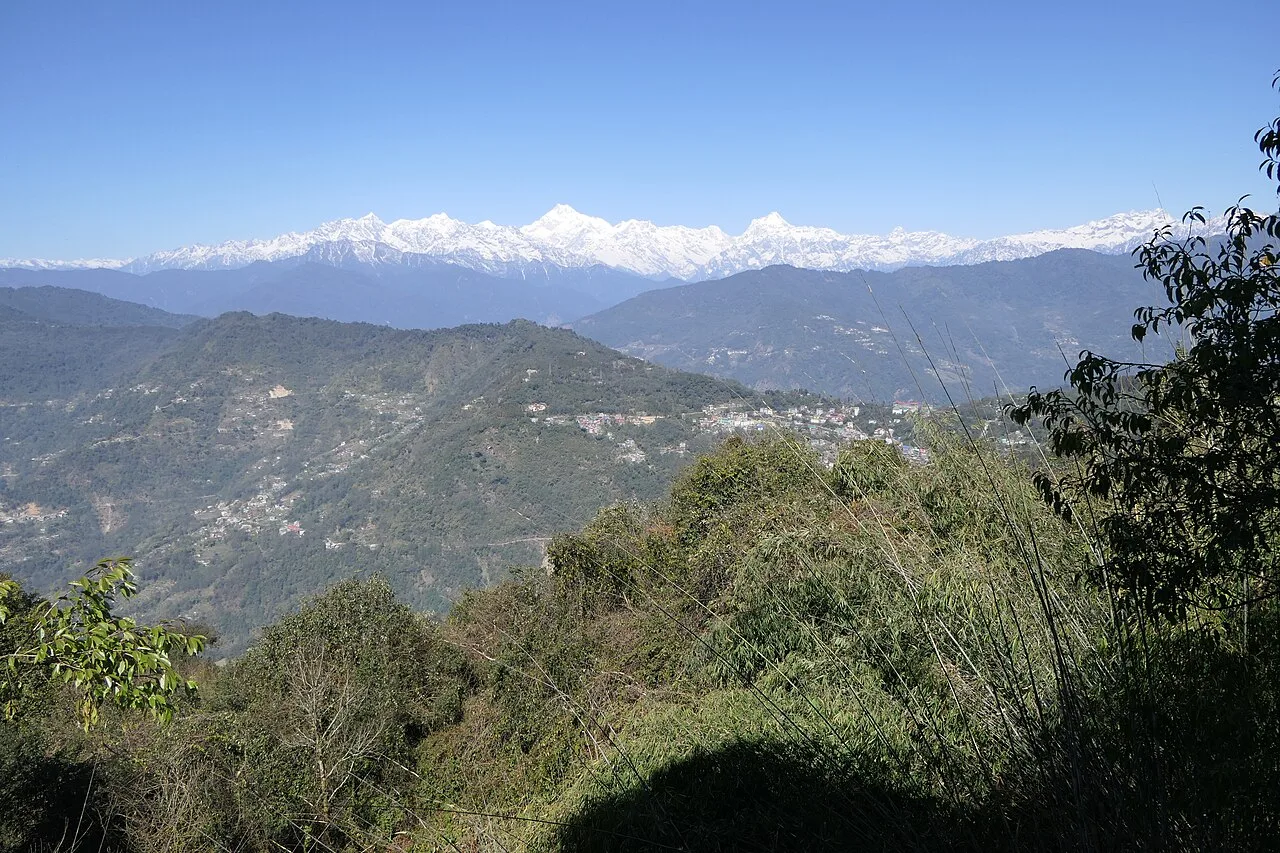
  • Himalayan mountain views
  • Thangka paintings and carpets
  • Sikkimese food
  • Mahatma Gandhi Marg
In the city
12
Nearby
3
Districts
Gangtok, Mangan, Pakyong

Why Gangtok matters

Visitors come for the combination of Buddhist heritage, local culture and a lively hill-town centre. Enchey Monastery and Do-Drul Chorten are among its notable religious sites, while the pedestrian stretch of Mahatma Gandhi Marg is lined with shops, cafés and restaurants. Gangtok also serves as a starting point for journeys to Tsomgo Lake and the Nathula Pass, subject to road and permit conditions. Its mild highland setting and mix of Sikkimese, Nepali, Bhutia and Lepcha influences give the city a distinct character. Tourism is central to local livelihoods, alongside the work of state institutions and businesses serving the surrounding region.
Famous for: crafts, trade & products

The city’s markets also connect visitors with Sikkim’s agricultural produce. Temi tea and Sikkim large cardamom are GI-tagged products from the state, rather than products made specifically in Gangtok. Packaged tea, cardamom, spices and other regional goods can be found in specialist shops and market stalls. Lal Bazaar is a lively place to see residents shopping for vegetables, local ingredients and everyday goods, while the more visitor-oriented shops near MG Marg make browsing crafts and packaged products convenient. Gangtok has a modest cottage-industry base, including handmade paper and traditional craft production, rather than a large manufacturing sector.

History

During the late nineteenth and early twentieth centuries, Gangtok became a stop on the trade route linking Tibet with British India. Roads and communications developed alongside this trade, which declined after the border was closed following the Sino-Indian War. After India became independent in 1947, Sikkim remained a monarchy with Gangtok as its capital. In 1975, Sikkim joined India as a state, and Gangtok continued as its capital. Its role in administration and tourism has since supported the growth of hotels, shops and services on the steep surrounding slopes.

Food, festivals & culture

Losar, the Tibetan New Year, usually falls in winter or early spring, while Losoong and Namsoong mark the harvest season around December. Saga Dawa, generally in May or June, is an important Buddhist observance, and Pang Lhabsol, usually held in August or September, honours Mount Kanchenjunga. Monasteries such as Enchey host religious observances and masked dances. Nepali is widely spoken, alongside English, Hindi, Sikkimese, Lepcha and Bhutia. Folk songs and dances are part of community celebrations, with styles reflecting the city’s diverse cultural traditions.

Visiting the city

Gangtok’s steep roads make walking tiring, though central Mahatma Gandhi Marg is pedestrian-friendly. Taxis and shared vehicles connect neighbourhoods and nearby sights; arrange transport for longer excursions. Explore MG Marg for cafés and shops, Lal Bazaar for a local market atmosphere, and the Ridge for central viewpoints and civic landmarks. Enchey Monastery, Do-Drul Chorten and viewpoints such as Ganesh Tok are also popular stops. Check current road and permit conditions before travelling to border-area destinations.

Attractions

Places to visit in Gangtok

Sights within about 12 km of each other, even when they fall in different districts.

Gangtok

Gangtok district

Gangtok

Gangtok, Sikkim’s capital and largest city, lies in the eastern Himalaya. Visitors come for its Buddhist heritage and as a base for tourism across Sikkim.

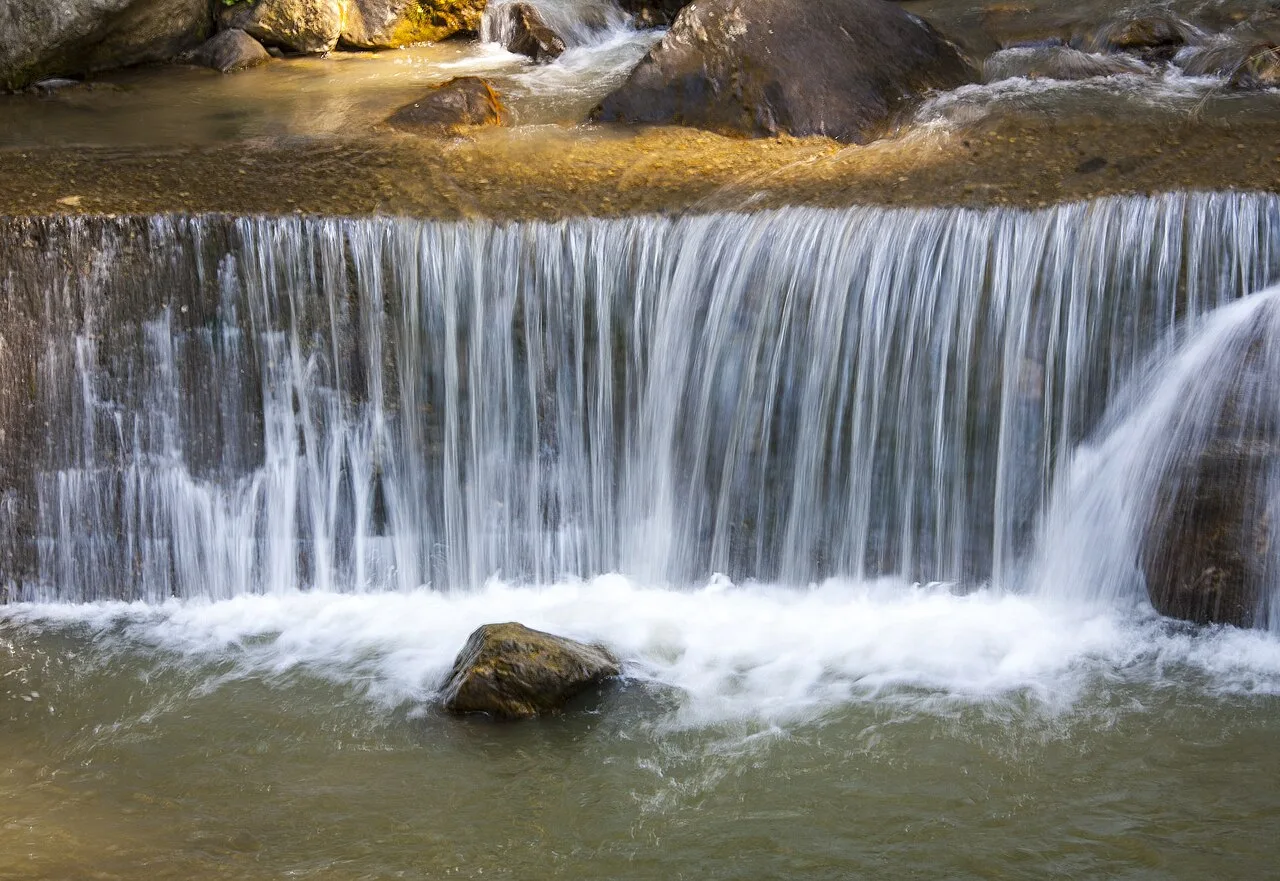
Banjhakri Falls and Energy Park

Gangtok district

Banjhakri Falls and Energy Park

Near Gangtok in Sikkim, Banjhakri Falls and Energy Park is a leisure destination where visitors can explore displays about the Ban Jhakri, a traditional healer.

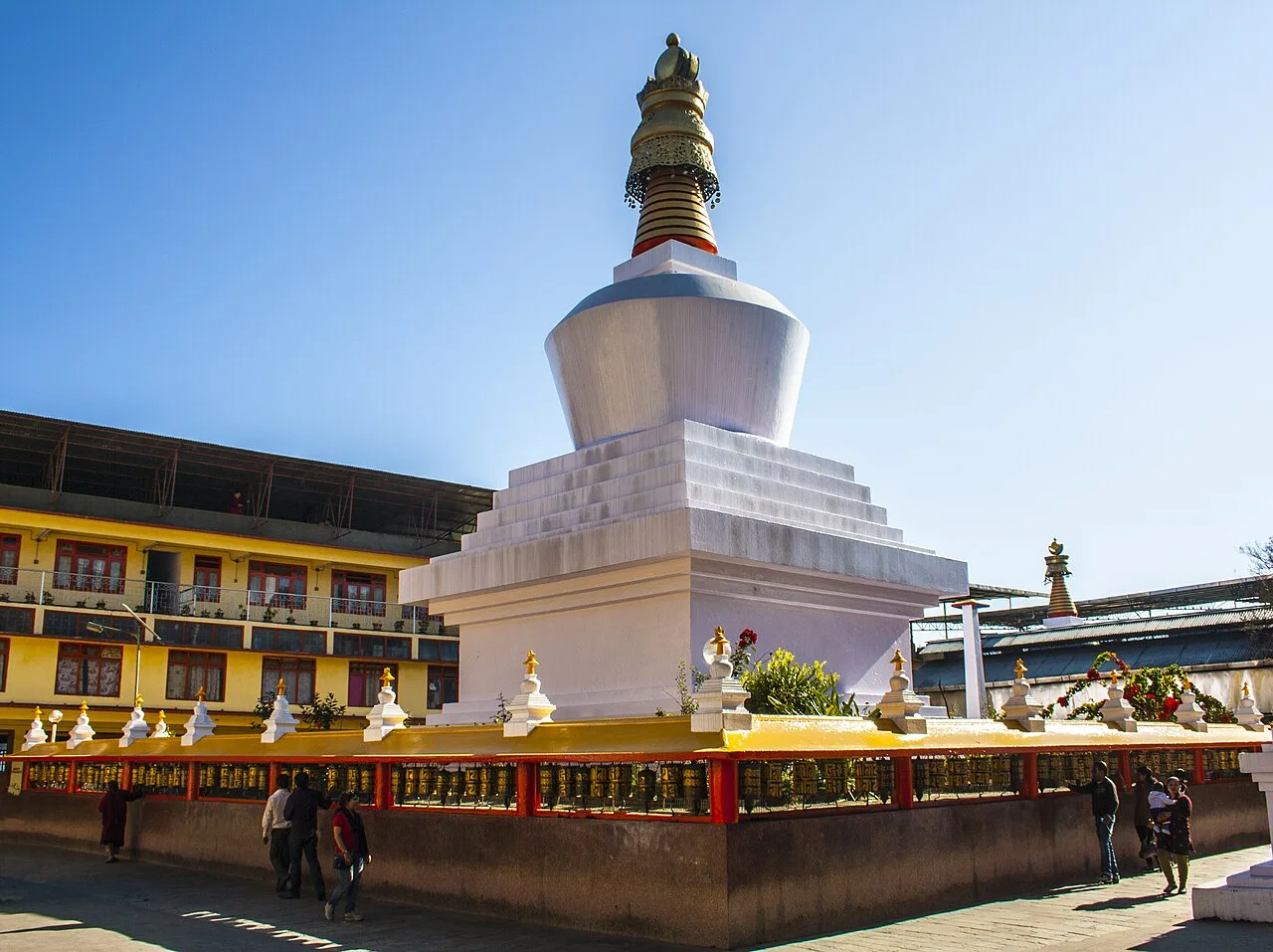
Do Drul Chorten

Gangtok district

Do Drul Chorten

Do Drul Chorten is a stupa in Gangtok, Sikkim, visited for its sacred objects, surrounding prayer wheels and nearby shrines and monastery associated with Buddhist worship.

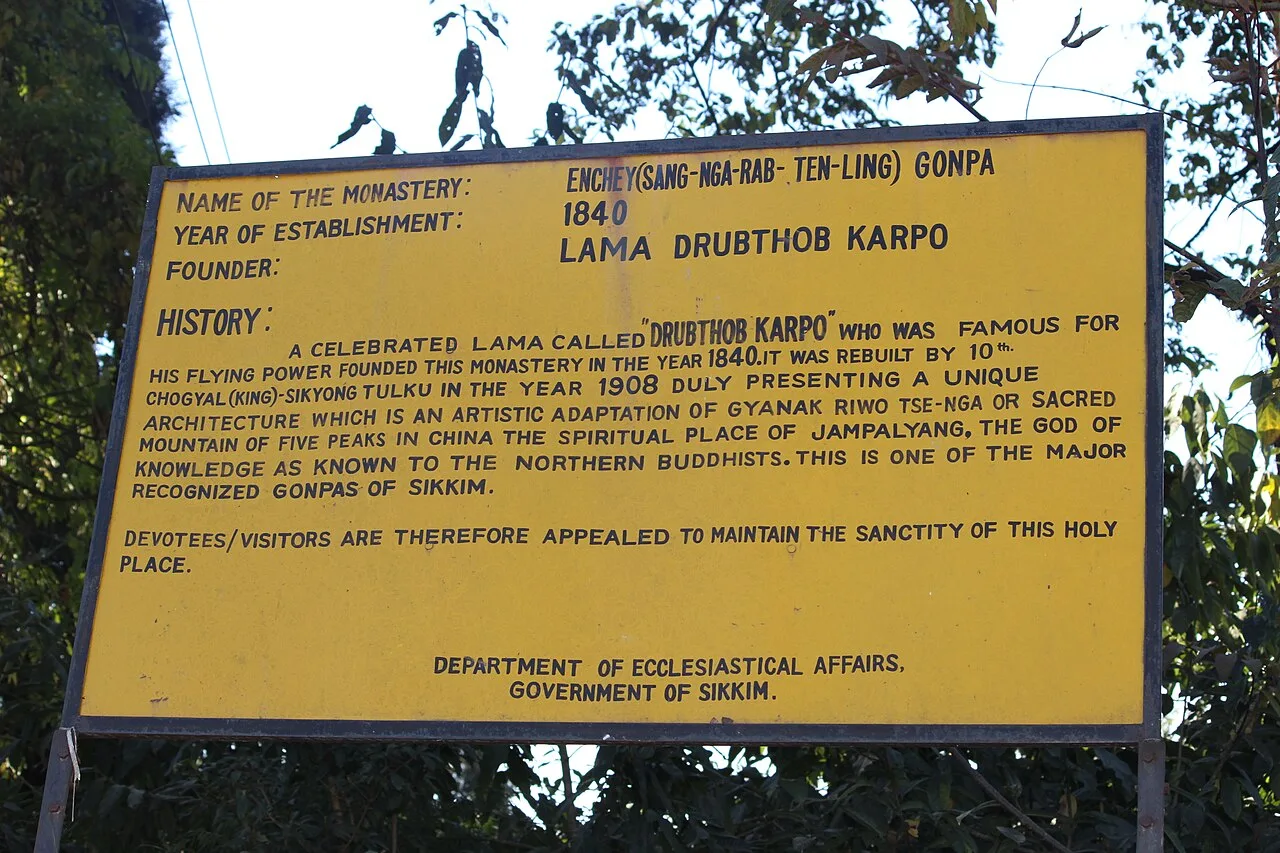
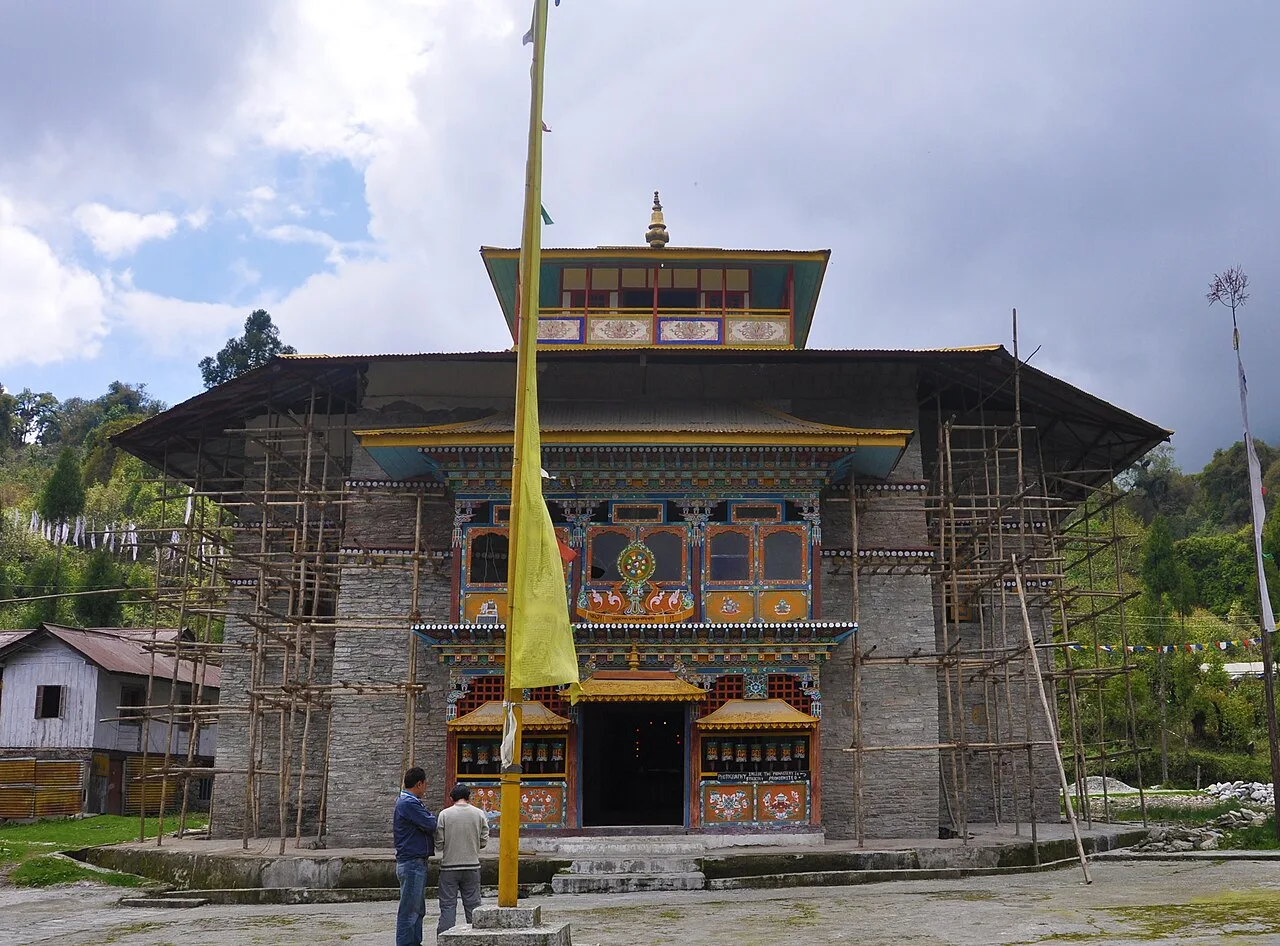
Enchey Monastery

Gangtok district

Enchey Monastery

Enchey Monastery is a Nyingma Vajrayana Buddhist monastery in Gangtok, founded in 1909. People visit for its religious significance and traditions surrounding protective deities.

Fambong Lho Wildlife Sanctuary

Gangtok district

Fambong Lho Wildlife Sanctuary

Fambong Lho Wildlife Sanctuary is a 51 km² protected area in Sikkim’s Gangtok district. Visitors come to encounter the wildlife it protects.

Hanuman Tok

Gangtok district

Hanuman Tok

Hanuman Tok is a Hindu shrine complex in the elevated part of Gangtok, Sikkim’s capital. People visit to worship Hanuman at this site, which is maintained by the Indian Army.

Gangtok district

Kyongnosla Alpine Sanctuary

A protected natural area in Sikkim’s Gangtok district, Kyongnosla Alpine Sanctuary draws visitors to see alpine plants such as orchids and rhododendrons among junipers and silver firs.

Labrang Monastery, Phodong

Mangan district

Labrang Monastery, Phodong

Labrang Monastery is a Buddhist place of worship in Mangan district, Sikkim. Visitors come to see the monastery and its Buddhist character.

Lingdum (Ranka) Monastery

Gangtok district

Lingdum (Ranka) Monastery

Lingdum (Ranka) Monastery is a Buddhist monastery in Sikkim’s Gangtok district, close to Ranka. Visitors come to see the site and its connection with the Zurmang Kagyu tradition.

Namgyal Institute of Tibetology

Gangtok district

Namgyal Institute of Tibetology

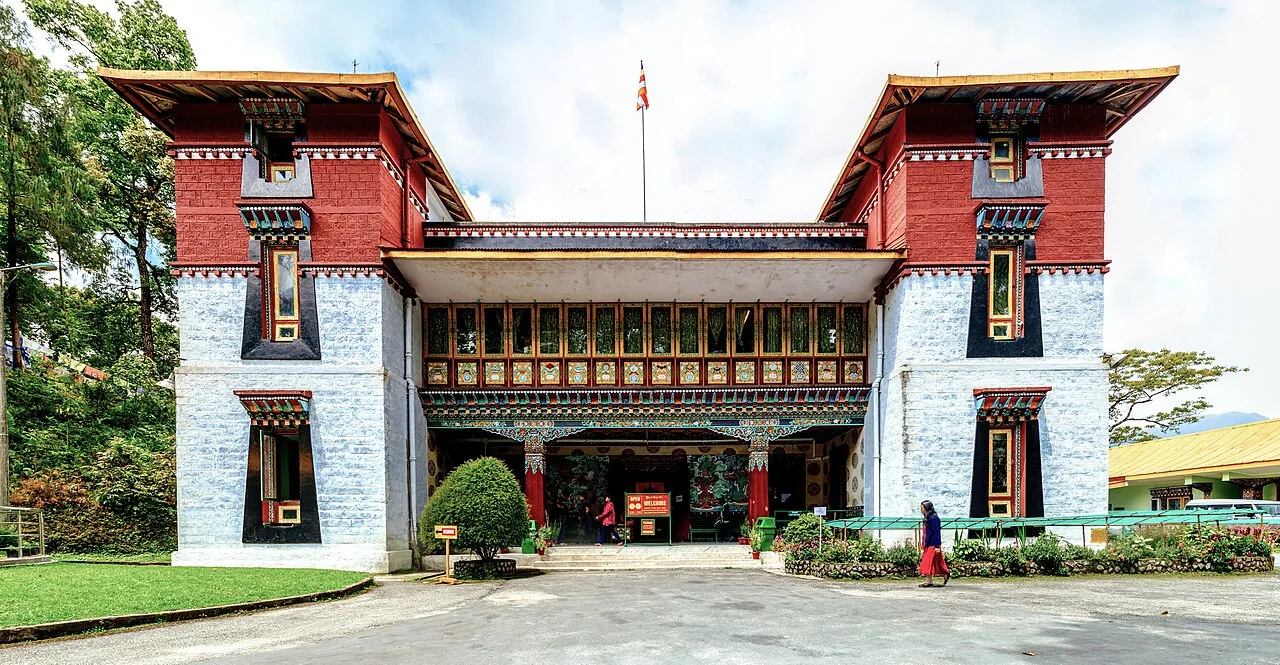
The Namgyal Institute of Tibetology is a museum and research institute in Gangtok, Sikkim, named for the region’s 11th Chogyal. Visitors can learn about its Tibetan focus and research work.

Phodong Monastery

Mangan district

Phodong Monastery

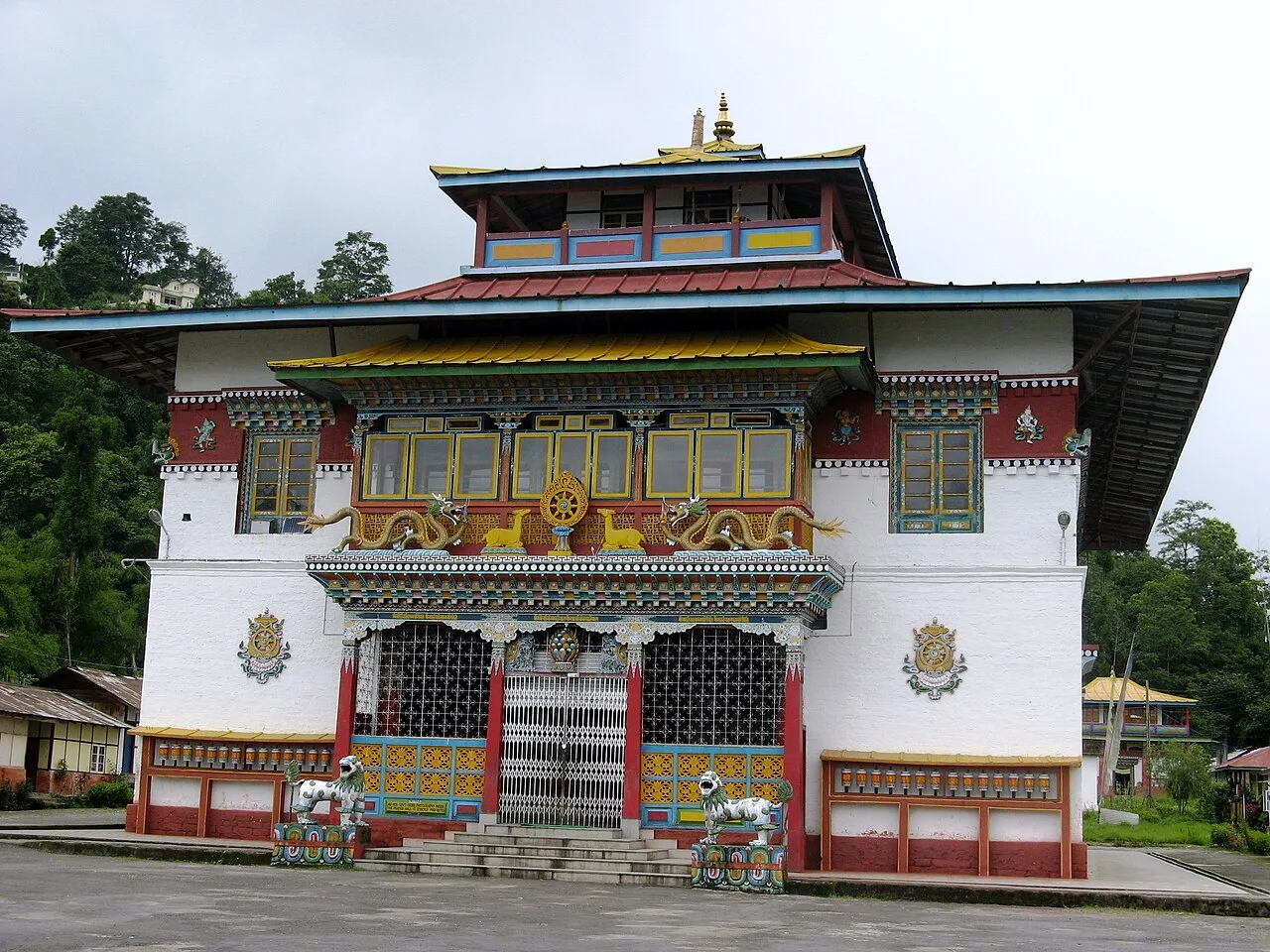
Phodong Monastery is a historic religious site in Sikkim, visited for its Buddhist heritage, monastic community and collection of old murals.

Rumtek Monastery

Gangtok district

Rumtek Monastery

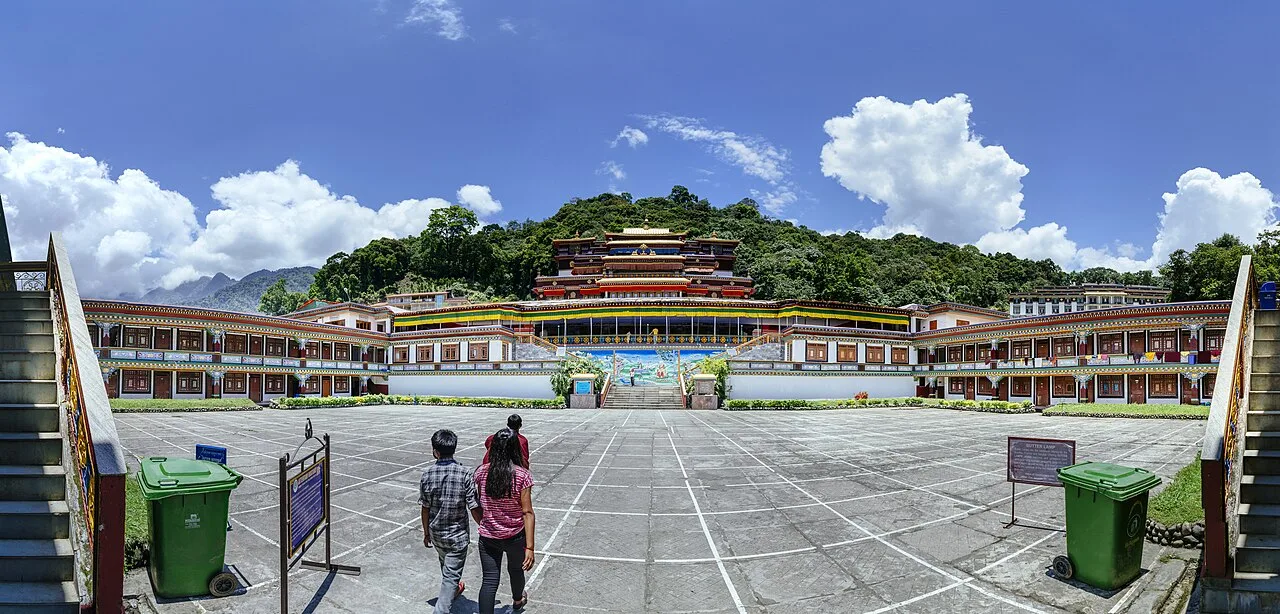
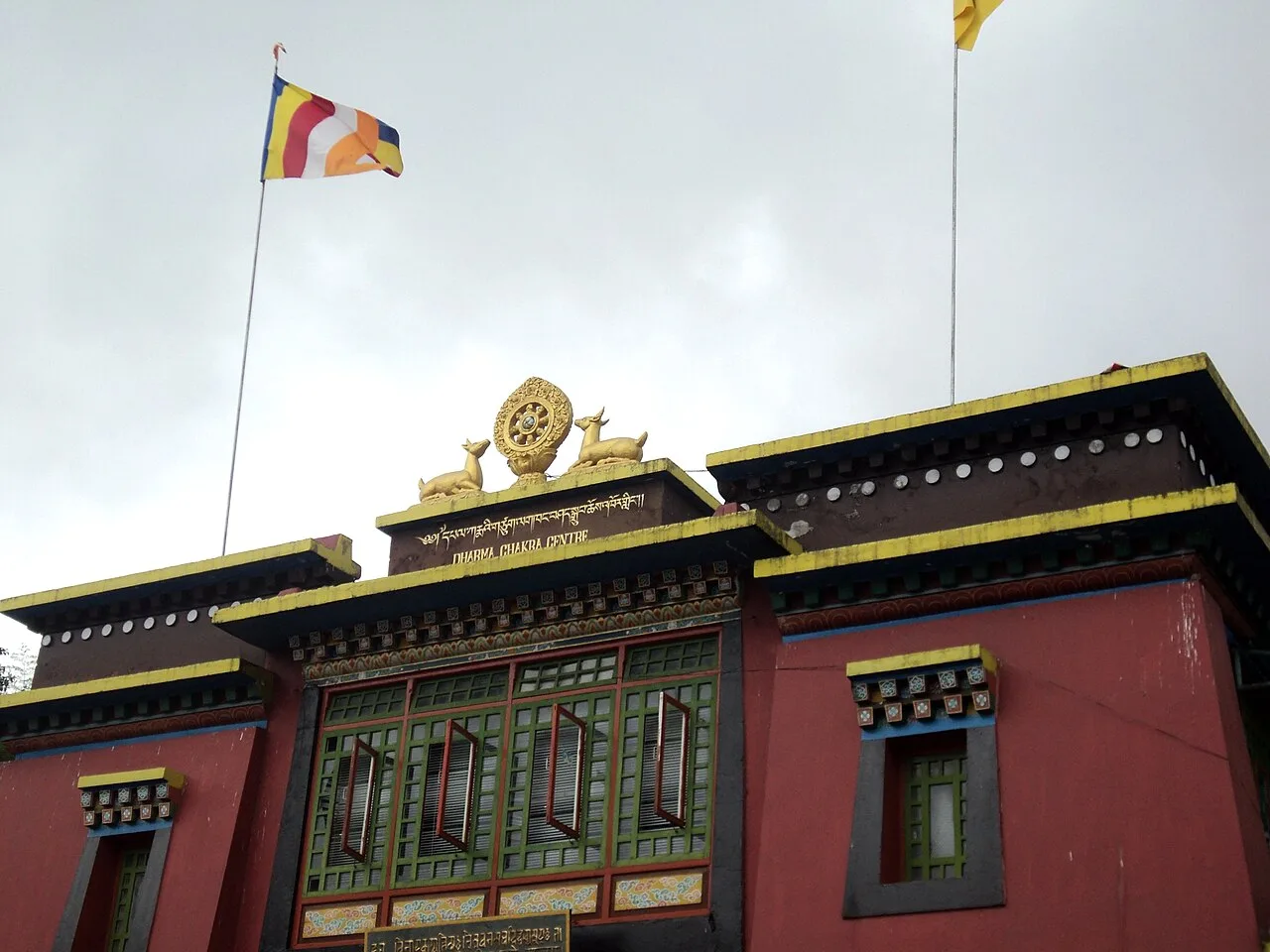
Visitors come to Rumtek, a Buddhist gompa in Sikkim, for its links to the Gyalwang Karmapa and the Karma Kagyu tradition. It is also known as the Dharma Chakra Centre.

Short trips

Around Gangtok

Within about 40 km — easy half-day or day trips from the city.

Map

Gangtok on the map

  1. 1Gangtok
  2. 2Banjhakri Falls and Energy Park
  3. 3Do Drul Chorten
  4. 4Enchey Monastery
  5. 5Fambong Lho Wildlife Sanctuary
  6. 6Hanuman Tok
  7. 7Kyongnosla Alpine Sanctuary
  8. 8Labrang Monastery, Phodong
  9. 9Lingdum (Ranka) Monastery
  10. 10Namgyal Institute of Tibetology
  11. 11Phodong Monastery
  12. 12Rumtek Monastery
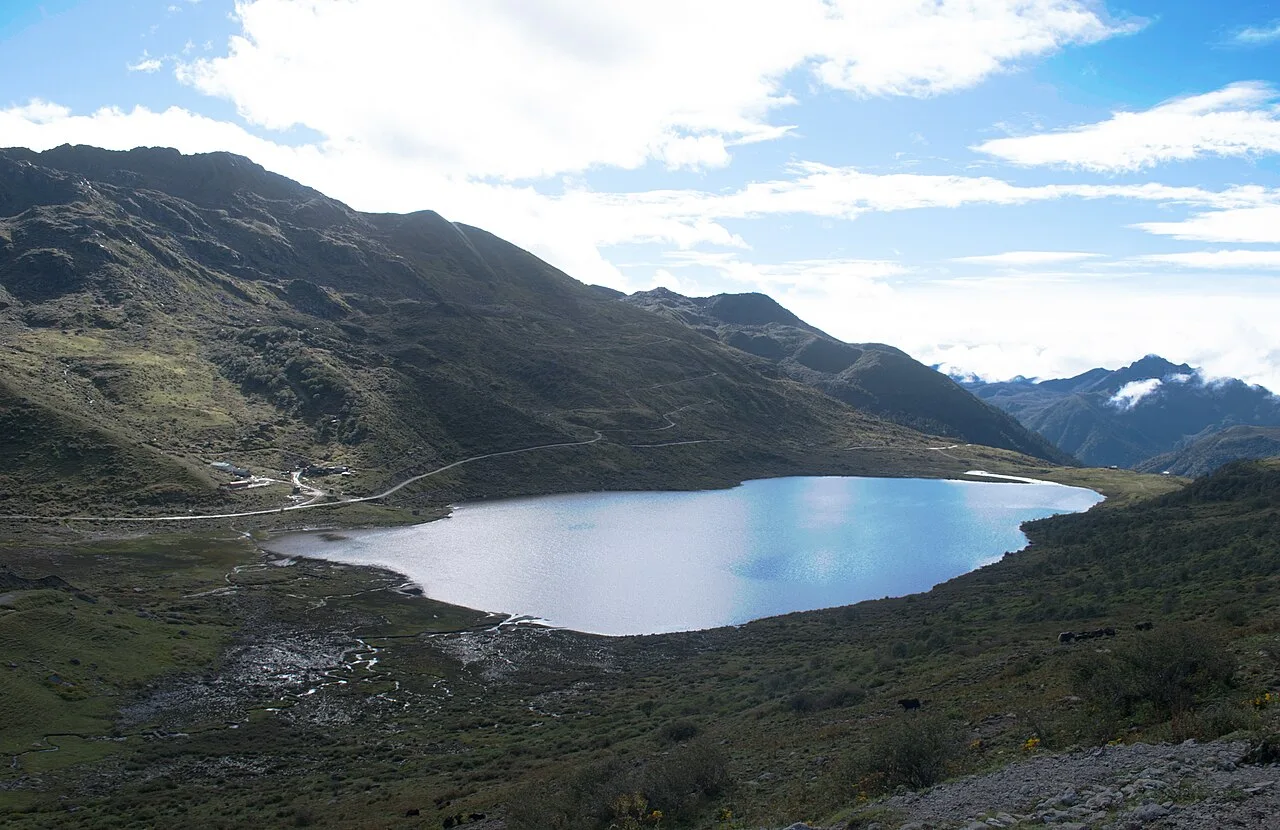
  13. 13Kupup Lake (Elephant Lake)
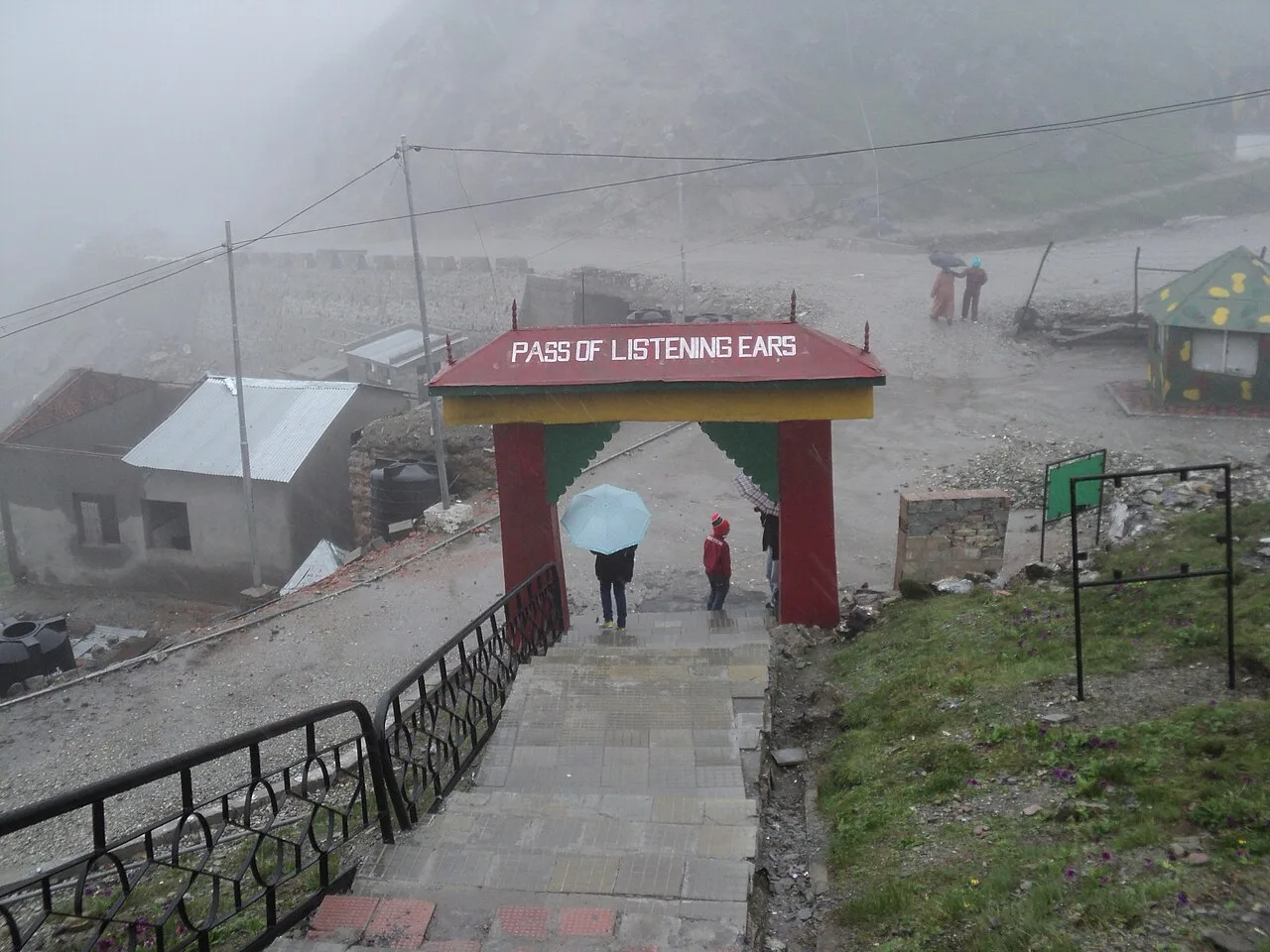
  14. 14Nathu La
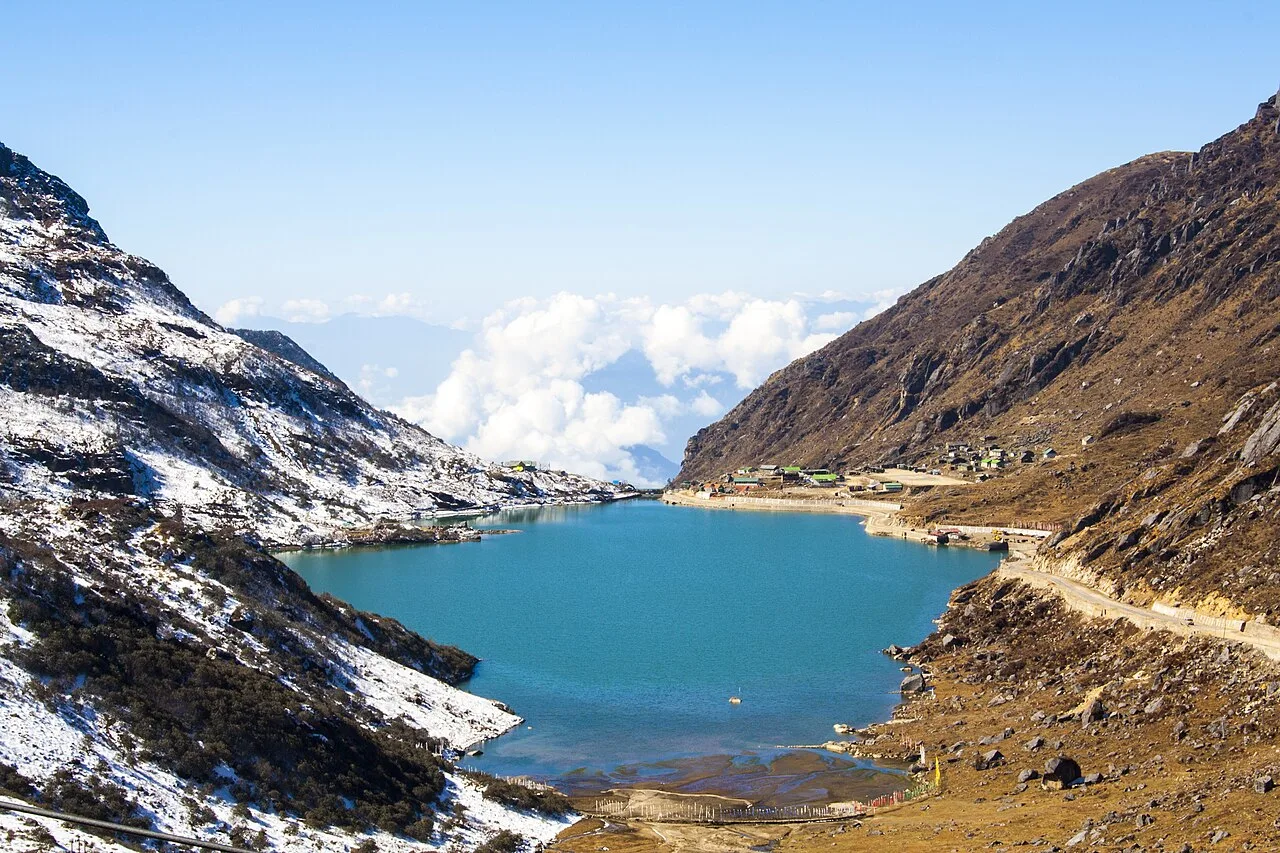
  15. 15Tsomgo (Changu) Lake

Sikkim

Other cities to explore