Ghumoopedia — Explore, Discover, Experience
Sign in
Ravangla, near Ravangla

City guide · Sikkim

Ravangla

Ravangla, also known as Rabong, is a town in Sikkim’s Namchi district at about 8,000 feet. Visitors use it as the starting point for a trek to Maenam Wildlife Sanctuary.

Famous for

  • Buddha Park
  • Ralang Monastery
  • Maenam Sanctuary treks
  • Kanchenjunga views
  • Himalayan birdwatching
In the city
11
Districts
Namchi, Mangan, Gyalshing

Why Ravangla matters

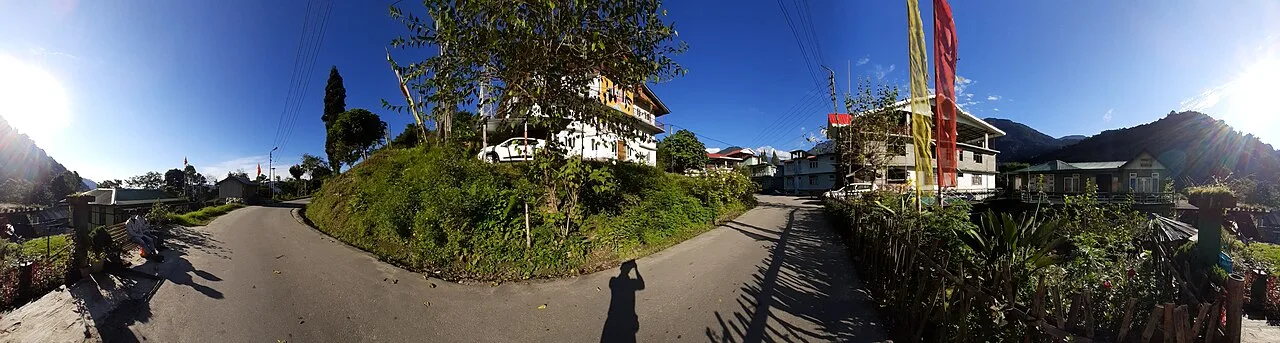
Ravangla, also called Rabong, is a small mountain town in Sikkim’s Namchi district, set between Namchi, Pelling and Gangtok. Its position on the region’s road network makes it a useful stop for travellers exploring South Sikkim, while its high-altitude setting brings clear views of peaks including Kanchenjunga, Pandim, Siniolchu and Kabru on favourable days. The town is also a starting point for the trek into Maenam Wildlife Sanctuary, whose forest trails attract walkers and birdwatchers.

Visitors come for the large Buddha statue at Buddha Park, the nearby Ralang monasteries and the quieter mountain atmosphere. Spring brings orchids and rhododendrons, while the surrounding woods shelter many Himalayan birds, including flycatchers, thrushes and, more rarely, the satyr tragopan. Ravangla also serves nearby Tibetan communities and hamlets, and has a small-town market, places to stay and a temporary campus of NIT Sikkim. Together, its religious landmarks, nature and position between larger destinations give it importance beyond its size.
Famous for: crafts, trade & products

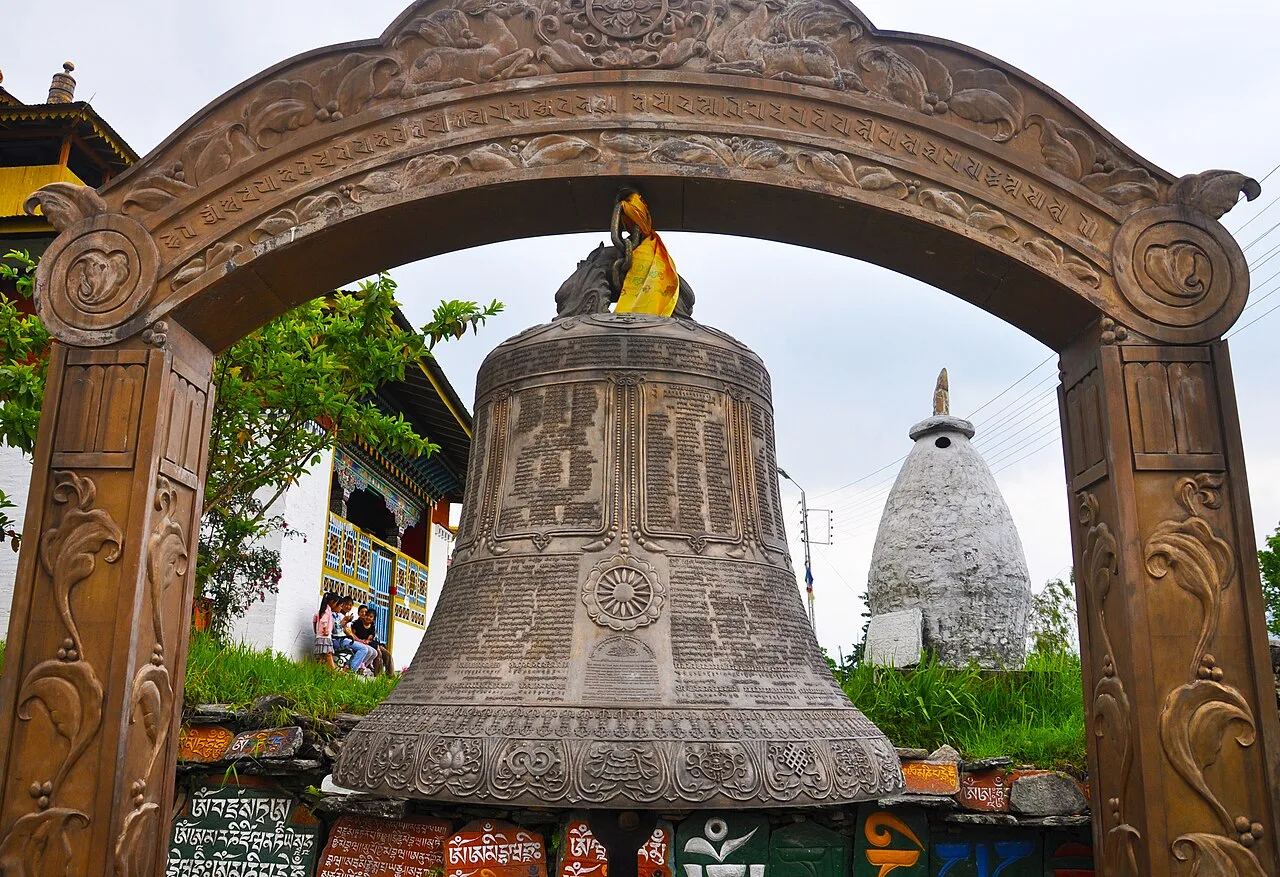
Ravangla is best known for Buddhist landmarks and nature-based travel rather than for a large textile, craft or manufacturing industry. Buddha Park, with its prominent Buddha image, is the town’s best-known visitor site; Ralang Monastery, associated with the Kagyu school of Tibetan Buddhism, lies about 6 km away. The Maenam area is known for forest trekking and wildlife, while mountain views and birdwatching are part of the wider visitor experience.

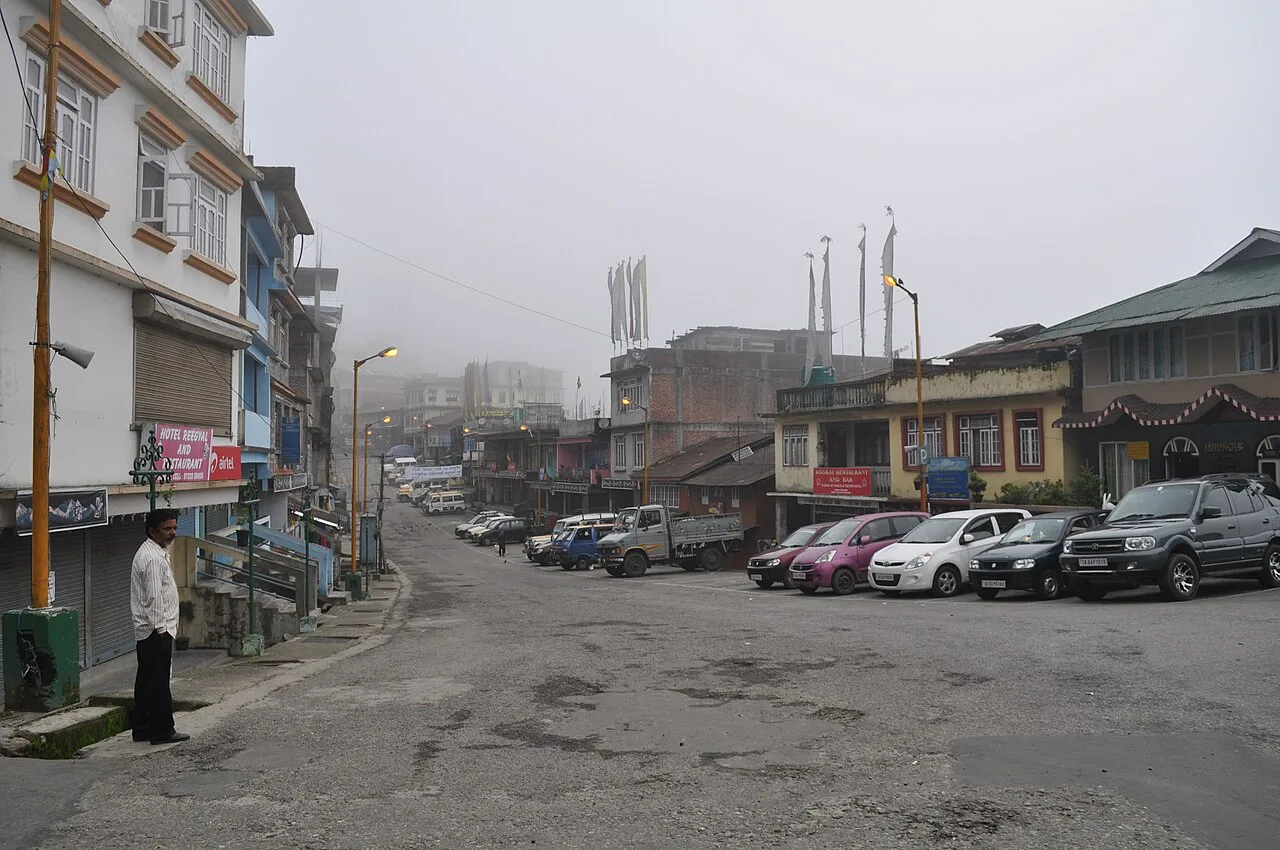
Ravangla Market is the practical place to look for everyday supplies, snacks and travel essentials. Small shops may also carry souvenirs, religious objects, warm clothing and locally made items, but availability and origin vary; the town is not a major wholesale craft centre. A Tibetan settlement about 1 km from the market has community institutions, including monasteries and a Tibetan-medium primary school, but it should be approached as a living residential community, not simply as a shopping attraction. Visitors interested in crafts or regional products can ask local shopkeepers what is made nearby and distinguish local work from goods brought in from elsewhere. No particular GI-tagged product or signature textile is strongly associated with Ravangla.

History

Ravangla’s history is part of the wider story of Sikkim’s mountain communities and changing administration. Before modern district government, Sikkim was ruled by the Chogyal, and local affairs were handled through a hierarchy that included regional officers and community authorities. The town’s name is commonly explained through Sikkimese words associated with wild sheep, a rearing place and a pass, reflecting its highland setting.

Sikkim introduced districts in 1963, when the former South district was established. The state became part of India in 1975. Administrative boundaries have since changed, and Ravangla is now in Namchi district. Its more recent growth has been shaped by improved road connections and tourism, with visitors using it as a stop between Namchi, Pelling and Gangtok and as an access point for Maenam. Buddhist institutions, a Tibetan settlement near the market and the temporary NIT Sikkim campus contribute to the town’s contemporary character. Ravangla is not chiefly known as a colonial-era hill station or industrial centre.

Food, festivals & culture

Ravangla’s everyday culture reflects Sikkim’s mix of Buddhist communities and languages. Nepali is widely spoken in the region, alongside languages including Sikkimese, Tibetan, Lepcha and Hindi; English is also used in visitor-facing settings. Local eateries commonly serve familiar Sikkimese and Himalayan dishes such as momos, thukpa, noodles and rice meals. Gundruk, fermented leafy greens, and churpi, a dried cheese, are found in the wider regional food culture, though menus vary. There is no single sweet uniquely identified with Ravangla.

Buddhist observances and monastery traditions are prominent. Losar, the Tibetan New Year, usually falls in winter or early spring; Saga Dawa is observed around May or June, and Pang Lhabsol is generally celebrated in late summer. Dates follow lunar calendars and can vary. Monasteries are places of prayer and community life, and religious music, masked dances and ritual performances may feature during festivals, though not on a fixed daily schedule. The Ralang monasteries and Buddha Park are significant places to visit respectfully; modest dress and quiet behaviour are appropriate at religious sites.

Visiting the city

Spring, especially April and May, brings flowering rhododendrons and orchids; autumn often offers clearer mountain views. Winter can be cold, with occasional snowfall at higher elevations, while monsoon rain may disrupt road travel. Check current local conditions before setting out on treks.

Pakyong Airport is the nearest airport, though flight availability can be limited; Bagdogra Airport in West Bengal is another major gateway. New Jalpaiguri is the main railway station commonly used for onward road travel. Ravangla is connected by road with Namchi, Pelling and Gangtok, and local taxis are a practical way to reach nearby sights. Explore Ravangla Market and Buddha Park, visit Ralang Monastery, or use town as a base for the Maenam Sanctuary trek. The Tibetan settlement is residential, so visit with consideration for residents.

Attractions

Places to visit in Ravangla

Sights within about 12 km of each other, even when they fall in different districts.

Ravangla

Namchi district

Ravangla

Ravangla, also known as Rabong, is a town in Sikkim’s Namchi district at about 8,000 feet. Visitors use it as the starting point for a trek to Maenam Wildlife Sanctuary.

Buddha Park, Ravangla

Namchi district

Buddha Park, Ravangla

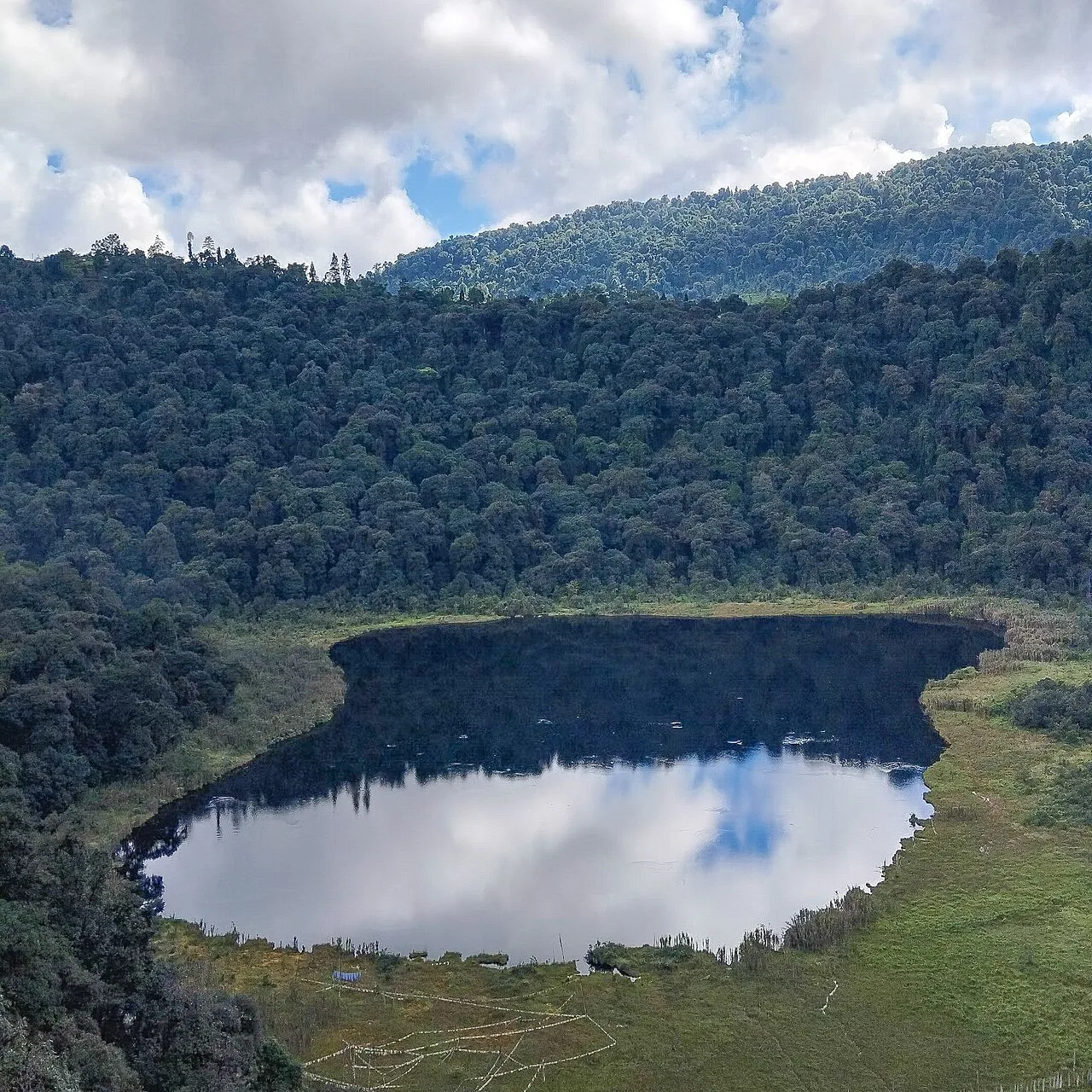
Buddha Park, also called Tathagata Tsal, is a Buddhist complex near Ravangla in Sikkim. Visitors come to see its large Buddha statue, woodland lake and religious facilities.

Kabi Lungchok

Mangan district

Kabi Lungchok

Kabi Lungchok is a historic site north of Gangtok, associated with the Lepcha-Bhutia Treaty of Blood Brotherhood. Visitors see its stone markers and statues of the two signatories.

Khecheopalri Lake

Gyalshing district

Khecheopalri Lake

Khecheopalri Lake in Sikkim is revered by Hindus and Buddhists and is believed to grant wishes. Visitors come for its religious significance and its place on a Buddhist pilgrimage circuit.

Namchi district

Maenam Wildlife Sanctuary

Maenam Wildlife Sanctuary is a 35-square-kilometre reserve at Ravangla in Sikkim’s Namchi district. Visitors come to explore its wildlife and flora, which includes plants valued for medicinal use.

Norbugang Chorten

Gyalshing district

Norbugang Chorten

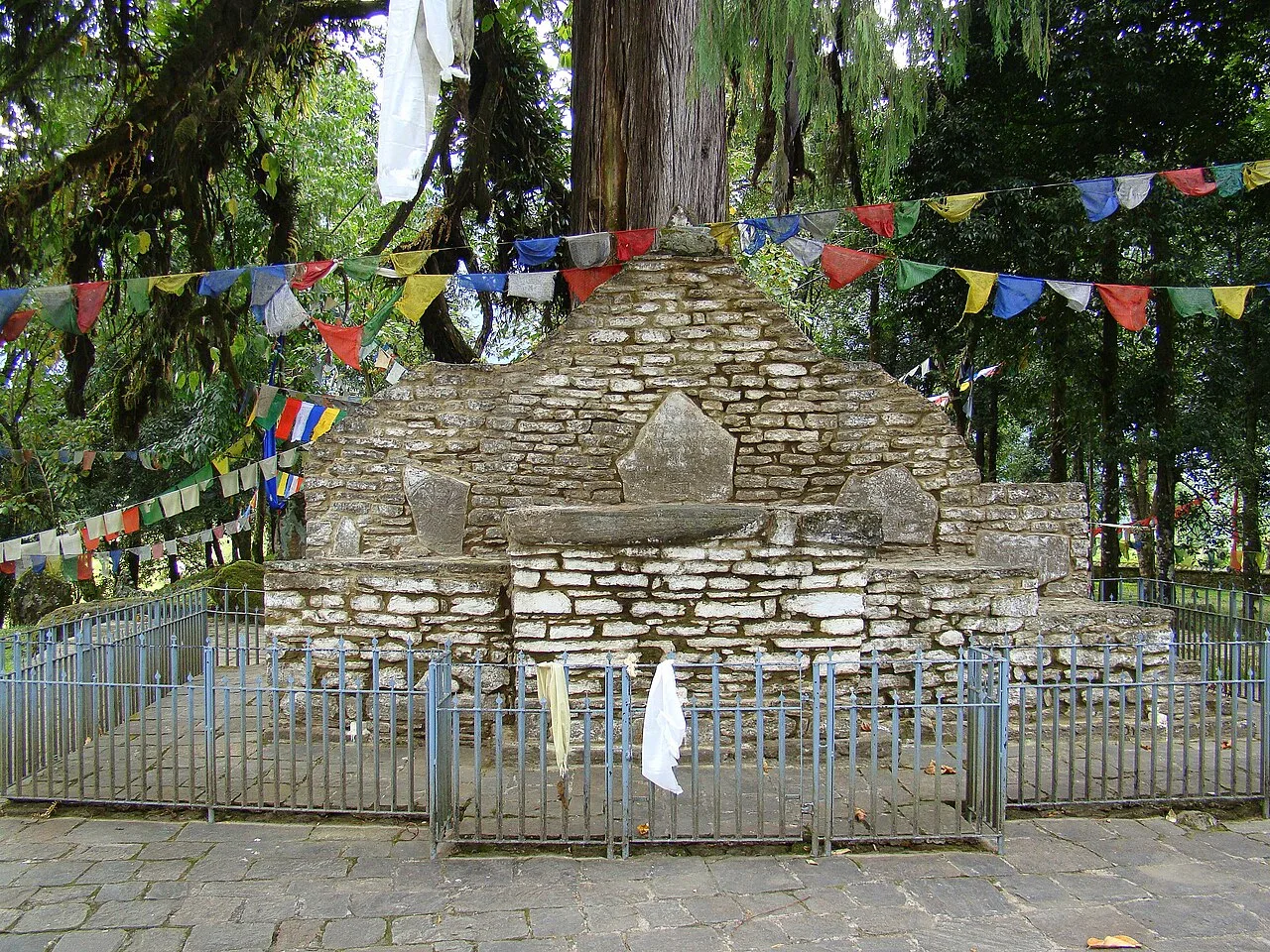
Norbugang Chorten is a stupa at Yuksom in Sikkim’s Gyalshing district, linked to the 1642 crowning of the first Chogyal and visited as part of a Buddhist pilgrimage circuit.

Gyalshing district

Pemayangtse Monastery

Pemayangtse Monastery is a historic Nyingma Buddhist centre in Sikkim. Visitors come to learn about its religious traditions and include it on a pilgrimage route linking monasteries and sacred sites.

Rabdentse Ruins

Gyalshing district

Rabdentse Ruins

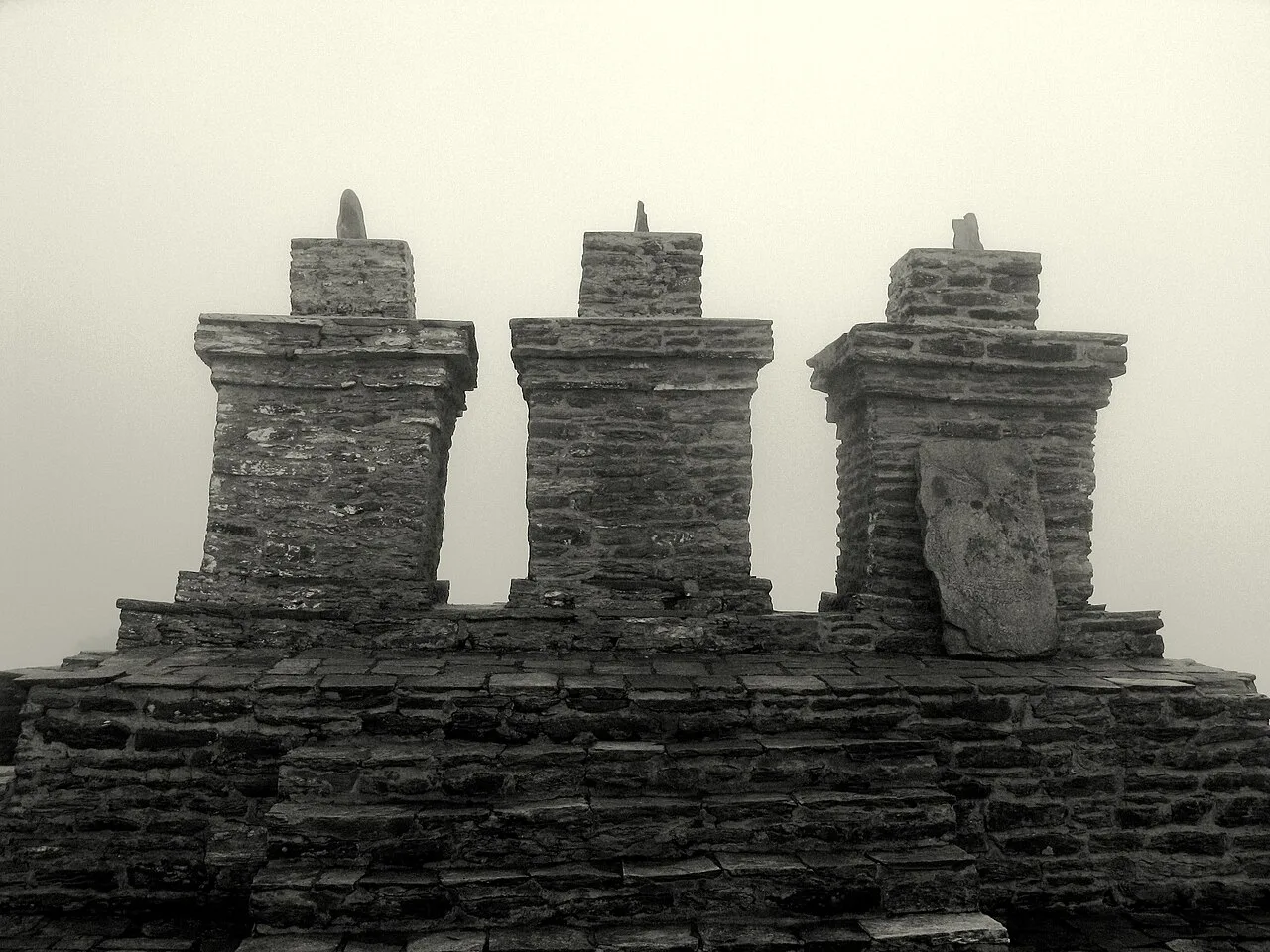
Rabdentse is the former second capital of the Kingdom of Sikkim, now an archaeological site near Pelling. Visitors come to see its palace and chorten remains, mountain views and place in a Buddhist pilgrimage circuit.

Ralang Monastery

Namchi district

Ralang Monastery

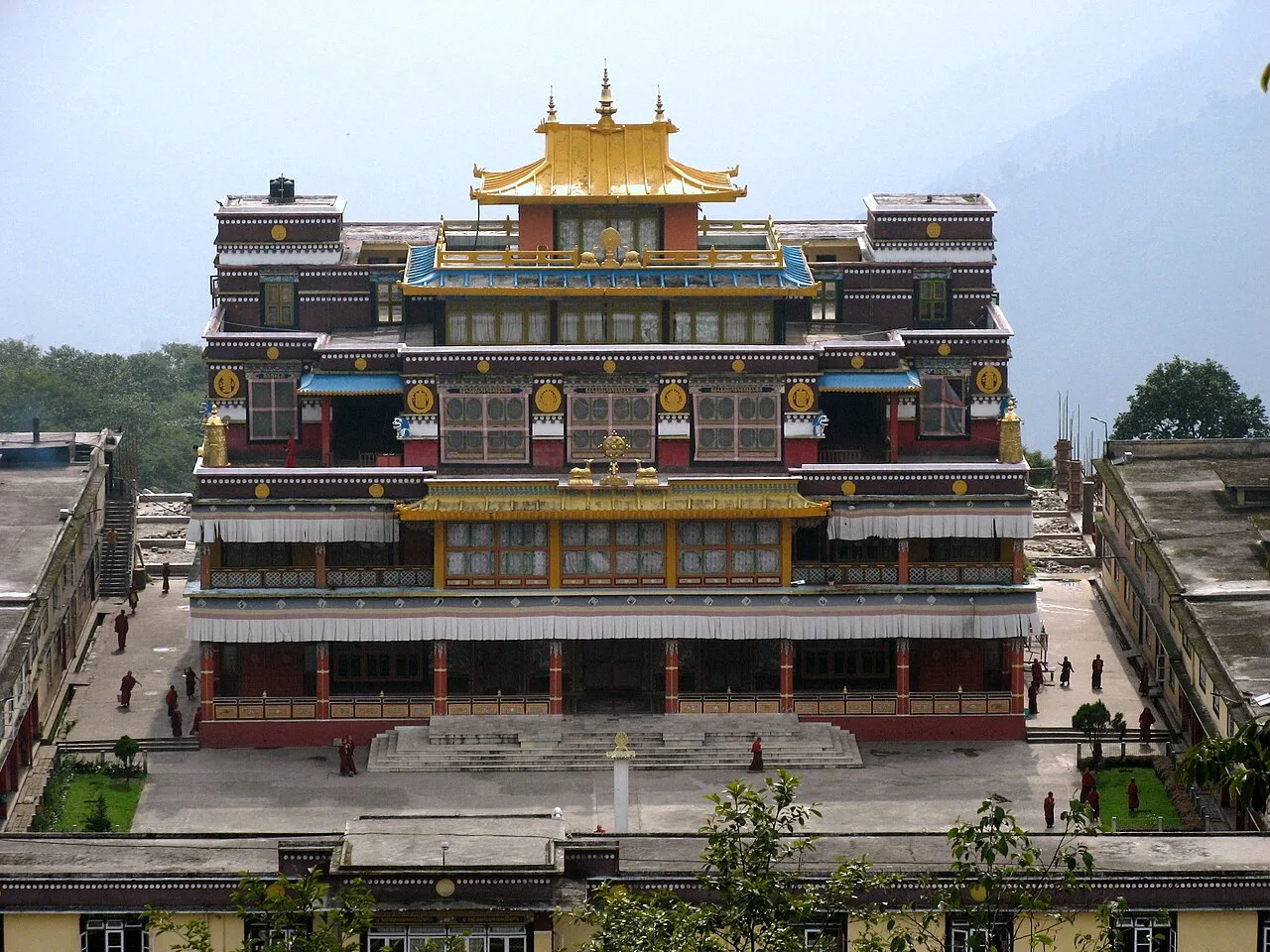
In Namchi district in southern Sikkim, Ralang Monastery is a Buddhist institution of the Kagyu tradition. Visitors come to view its extensive holdings of paintings and thangkas.

Tashiding Monastery

Gyalshing district

Tashiding Monastery

Tashiding Monastery is a Nyingma Buddhist centre in Sikkim, valued for its religious importance and annual Bumchu ceremony, whose water is traditionally used to foretell events in the year ahead.

Yuksom

Gyalshing district

Yuksom

Yuksom is a historic Sikkimese town and former royal capital, valued for its Buddhist landmarks and ties to the Chogyal dynasty. Visitors also use it as an access point for treks in Khangchendzonga National Park.

Map

Ravangla on the map

  1. 1Ravangla
  2. 2Buddha Park, Ravangla
  3. 3Kabi Lungchok
  4. 4Khecheopalri Lake
  5. 5Maenam Wildlife Sanctuary
  6. 6Norbugang Chorten
  7. 7Pemayangtse Monastery
  8. 8Rabdentse Ruins
  9. 9Ralang Monastery
  10. 10Tashiding Monastery
  11. 11Yuksom

Sikkim

Other cities to explore