
Ghumoopedia — Explore, Discover, Experience
Sign in
Namchi, near Namchi

City guide · Sikkim

Namchi

Namchi is a town in Sikkim’s Namchi district and serves as the administrative centre of South Sikkim district. Visitors may find its role in district administration a reason to take an interest in the town.

Famous for

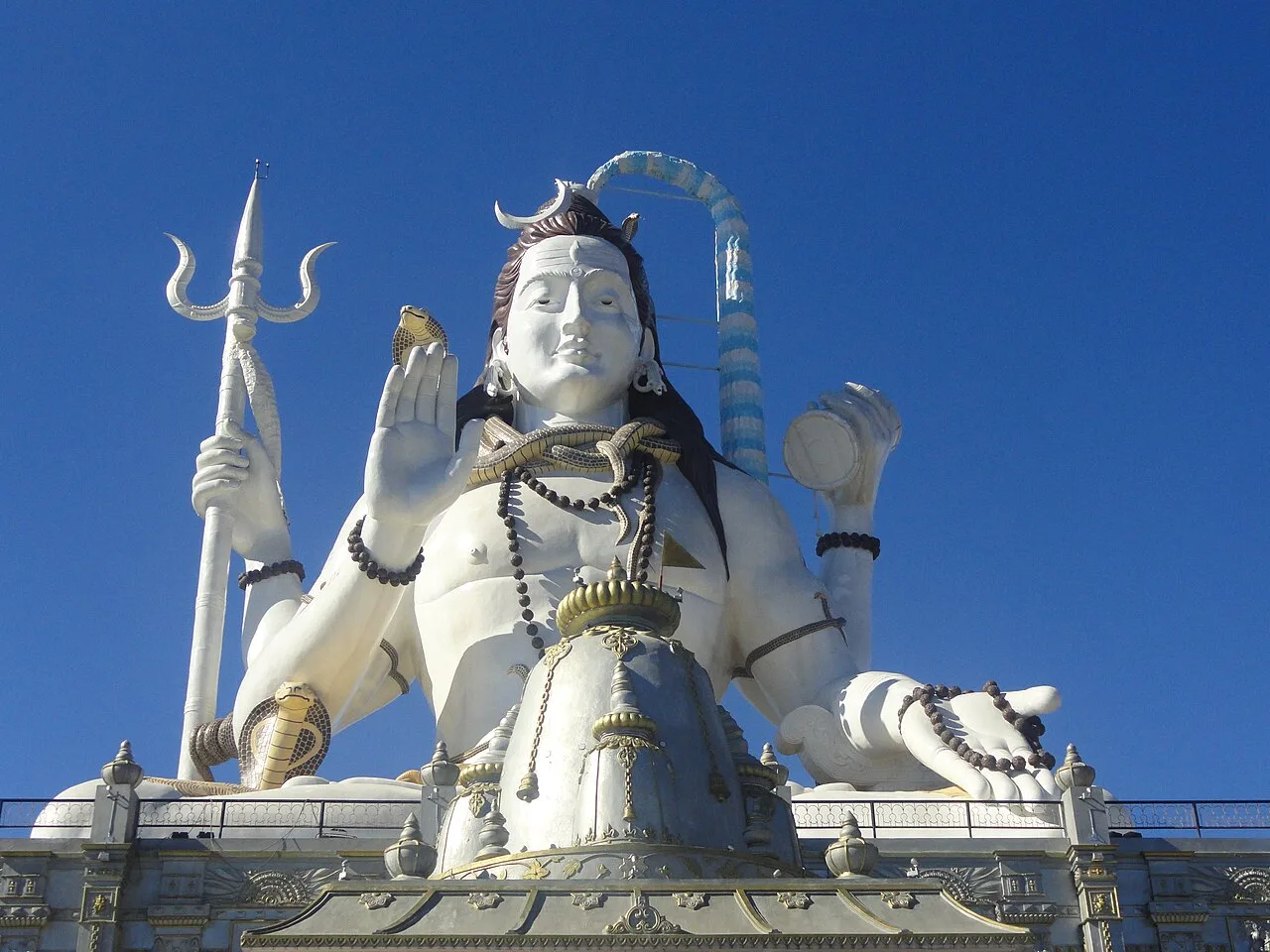
  • Samdruptse Padmasambhava statue
  • Siddhesvara Dham
  • Namchi Monastery
  • Temi tea
  • Namchi Mahotsav
  • Mamley stromatolites
In the city
3
District
Namchi

Why Namchi matters

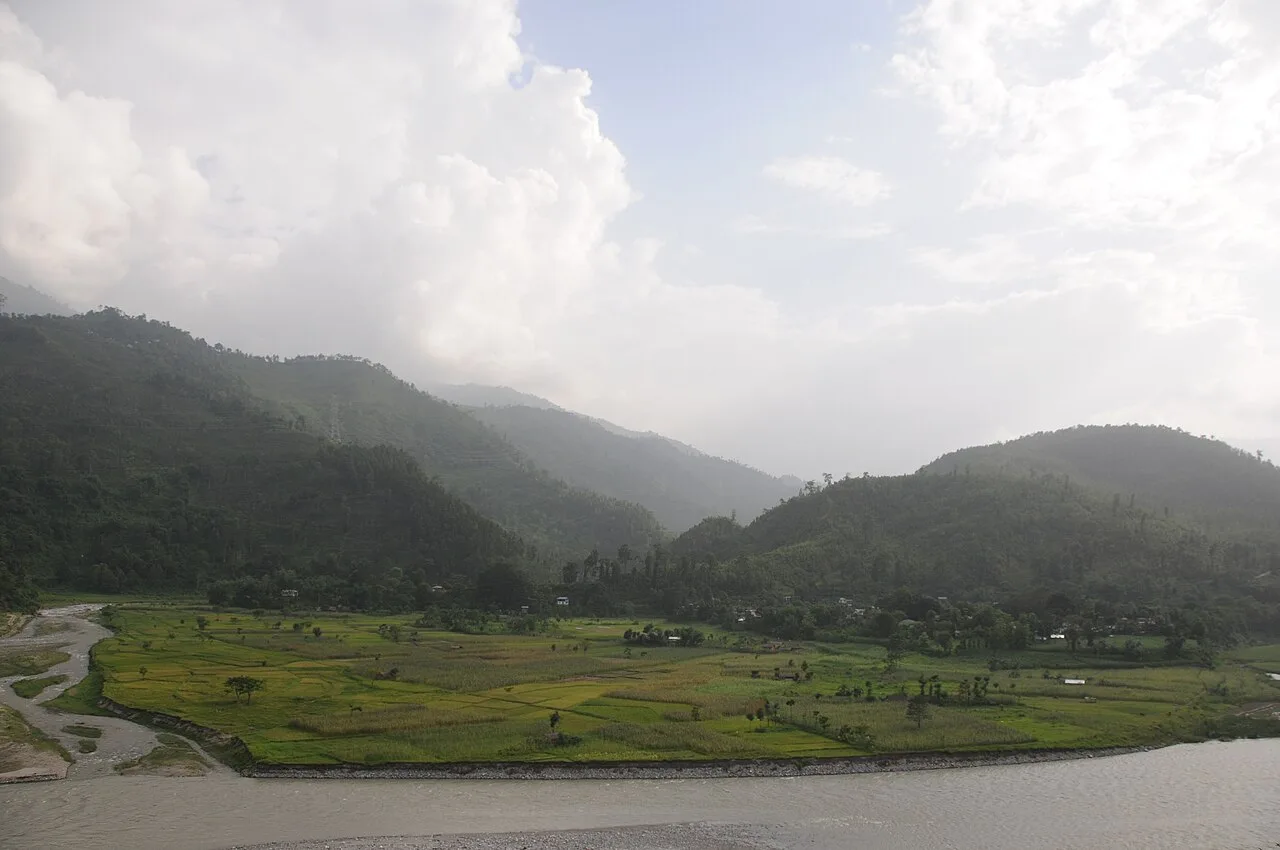
Namchi is the administrative headquarters of Sikkim’s South Sikkim district and an important service centre for the region. Set at about 1,314 metres in the hills, it connects nearby settlements with district offices, shops and public services. Its name means “sky high” in Sikkimese, and the town’s setting offers views across the surrounding mountains and valleys.

Visitors come for a mix of Buddhist and Hindu pilgrimage sites. On Samdruptse hill, opposite the town, a 41-metre statue of Padmasambhava is a prominent landmark; Siddhesvara Dham brings together a large Shiva statue and representations of important Hindu pilgrimage sites. Namchi Monastery adds to the town’s Buddhist heritage. The wider district is also associated with Temi tea, while the nearby Mamley Stromatolite Park offers an unusual geological attraction. The annual Namchi Mahotsav brings cultural activities and exhibitions to the town. Together, these attractions make Namchi both a regional centre and a base for exploring southern Sikkim.
Famous for: crafts, trade & products

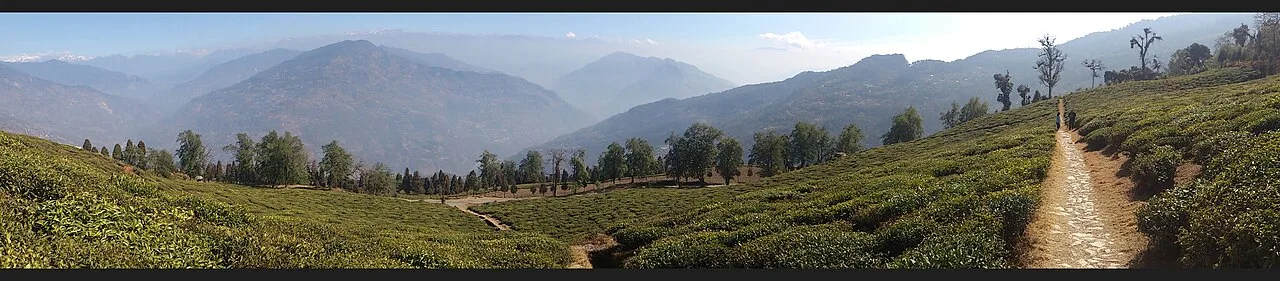
Namchi is better known for pilgrimage, tea and regional services than for a distinctive textile or handicraft industry. The best-known local product is Temi tea, grown at the Temi Tea Garden in South Sikkim. Its distinctive flavour and hill-grown origin make it a popular choice for visitors seeking a regional specialty. Tea can be sought at the estate or in shops in and around Namchi; check packaging for the producer and origin.

The town’s commercial centre serves residents and travellers with everyday goods, food and travel needs rather than a large specialist craft market. Visitors may find Sikkim-made packaged foods and souvenirs in local shops, but availability varies. Namchi’s most prominent institutions are civic and public-service bodies associated with its role as district headquarters. The town is also a gateway to the Mamley Stromatolite Park, a National Geological Monument where ancient stromatolitic structures are exposed in limestone and dolomite. For a focused visit, combine a search for Temi tea with the town’s religious landmarks and nearby geological sites rather than expecting a major textile bazaar or a wide range of locally made crafts.

History

Namchi’s name, meaning “sky high” in Sikkimese, reflects its hill setting. The town enters Sikkim’s royal history in the early eighteenth century. After the succession of Chakdor Namgyal as the third Chogyal in 1700, a conflict with his half-sister and regent Pende Ongmu became entangled with Bhutanese and Tibetan involvement. Historical accounts place the execution of a Tibetan doctor and the capture and death of Pende at Namchi, linking the town to a turbulent episode in the kingdom’s past.

Sikkim later came into close political and commercial contact with British India, although Namchi’s modern importance grew chiefly through its administrative role rather than as a colonial trading centre. It developed as the headquarters of South Sikkim, with public services and transport links connecting surrounding communities. The Temi Tea Garden, established in 1965, added a regional agricultural enterprise. More recent development includes expanded civic, sports and healthcare facilities, reinforcing Namchi’s role as a centre for southern Sikkim.

Food, festivals & culture

Namchi’s cultural life reflects Sikkim’s diverse communities and its mix of Buddhist and Hindu traditions. Nepali is widely spoken, alongside Hindi and Sikkimese; other languages are also heard. Visitors can encounter Buddhist worship at Namchi Monastery and the Padmasambhava shrine at Samdruptse, while Siddhesvara Dham is a major Hindu pilgrimage complex. These places are active religious destinations as well as landmarks.

The Namchi Mahotsav, usually held in October, features cultural activities and exhibitions. Hindu festivals such as Dasain and Tihar are celebrated in the wider community, while Buddhist observances, including Losar, follow the Tibetan calendar and usually fall in late winter or early spring. Food available around town reflects Sikkim and the eastern Himalayan region: momos, thukpa and other noodle or rice-based dishes are familiar choices, alongside Nepali-influenced meals. Local tastes and menus vary between eateries, so travellers may find both everyday regional cooking and broader Indian options. Music and dance at public celebrations draw on the traditions of the communities living in Sikkim.

Visiting the city

Spring and autumn are generally comfortable seasons for exploring Namchi, with clearer views often possible outside the monsoon. Rain can make hill roads slower, so allow flexibility when travelling. The nearest airport is Bagdogra Airport in West Bengal, about 102 km away; the nearest major railway station is New Jalpaiguri, around 96 km from town. Sikkim Nationalised Transport buses connect Namchi with towns in Sikkim and Siliguri, while local taxis and shared vehicles are useful for reaching hill attractions.

In town, explore the central area and Namchi Monastery, then make separate visits to Samdruptse and Siddhesvara Dham. Solophok, about 5 km from Namchi, is the setting for Siddhesvara Dham. The Temi Tea Garden and Mamley Stromatolite Park are worthwhile excursions in the surrounding district; check local road conditions before setting out.

Attractions

Places to visit in Namchi

Sights within about 12 km of each other, even when they fall in different districts.

Map

Namchi on the map

  1. 1Namchi
  2. 2Jorethang
  3. 3Temi Tea Garden

Sikkim

Other cities to explore