
Ghumoopedia — Explore, Discover, Experience
Sign in
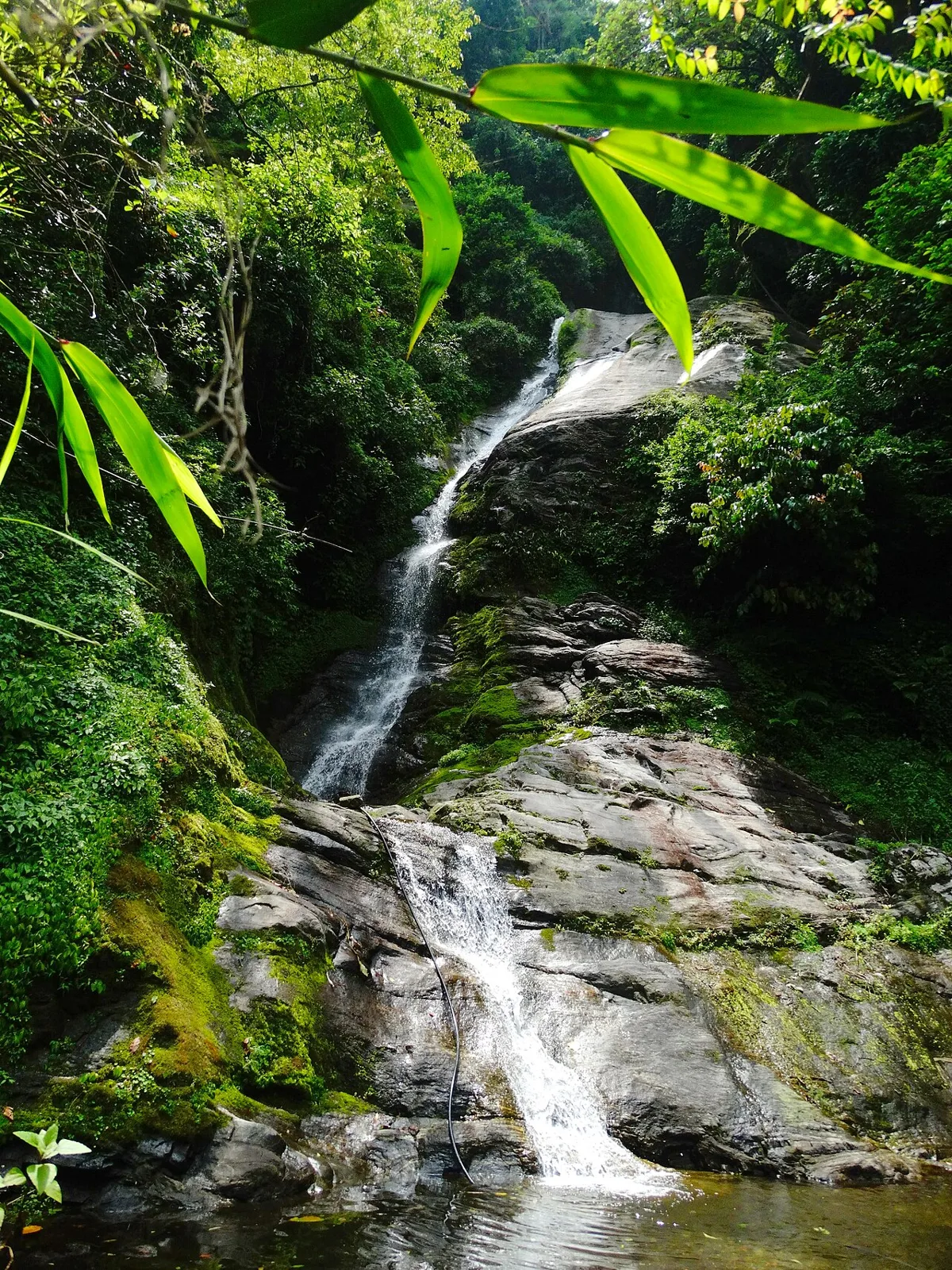
Okhrey, near Pelling

City guide · Sikkim

Pelling

Pelling is a hill station in Sikkim’s Gyalshing district, situated at a considerable elevation. Visitors come to the area, which has bus links and road and hotel development under way.

Famous for

  • Kanchenjunga views
  • Pemayangtse Monastery
  • Rabdentse palace ruins
  • Khecheopalri Lake
  • Pelling Sky Walk
In the city
5
Districts
Gyalshing, Soreng

Why Pelling matters

Pelling is a hill town in Gyalshing district, western Sikkim, set at about 2,150 metres above sea level. Its position facing the high Himalaya makes it one of the state’s best-known places for views of Kanchenjunga, especially on clear mornings. It also serves as a visitor base for monasteries, waterfalls, historic sites and walks across West Sikkim.

The town’s appeal lies in the combination of mountain scenery and nearby cultural landmarks. Pemayangtse Monastery and the remains of Rabdentse, an earlier capital of the Sikkimese kingdom, are close by; Khecheopalri Lake and Singshore Bridge make longer excursions. Trekkers use Pelling as a starting point or stopover for routes farther west, including journeys towards Yuksom and Dzongri. Tourism now shapes much of the local economy, with hotels, restaurants and road services supporting visitors. Pelling is therefore both a scenic destination and a practical hub for exploring the district, rather than a large urban or manufacturing centre.
Famous for: crafts, trade & products

Pelling is best known for tourism, not for a distinctive textile industry, major trading market or locally produced GI-tagged specialty. Its shops are small and mainly serve residents and visitors, with everyday provisions, warm clothing, snacks and travel essentials. Souvenirs and religious items may be found around the central town and near popular attractions, though selection and local provenance vary.

Visitors looking for Sikkim-made goods can ask shopkeepers about handloom textiles, woven pieces and other crafts, and check labels before buying. Packaged Sikkim tea, large cardamom and Dalle Khursani products are associated with the state, but are not exclusive to Pelling; availability depends on the shop and season. Some stores carry packaged foods and regional produce, while hotels and restaurants are more prominent than specialist retail. For a more reliable choice of craft or producer, ask locally about current stock and its place of origin. Pelling’s strongest identity remains its mountain outlook, monasteries and access to West Sikkim’s heritage and natural sites.

History

Pelling’s history is closely linked to the old Sikkimese kingdom and the nearby settlement of Rabdentse. Rabdentse served as the kingdom’s second capital from 1670 until 1814, when invading Gurkha forces destroyed it. The palace remains and chortens can still be visited in the forest near town. Pemayangtse Monastery, founded in 1705, became an important centre of Buddhist religious life in the region; Sanga Choeling Monastery is another historic site on a ridge above Pelling.

During the nineteenth century, Sikkim’s political position changed amid growing British influence in the Himalaya, while Pelling remained a small settlement rather than a major administrative centre. Sikkim became part of India in 1975. In more recent decades, improved road access and rising interest in the western district’s landscapes and heritage have encouraged hotel construction and tourism services. Pelling has consequently developed into a principal visitor base for the surrounding area, while the older monasteries and ruins preserve the region’s deeper history.

Food, festivals & culture

Pelling reflects the mixed communities of western Sikkim. Sikkimese and Nepali are commonly spoken, and Hindi and English are also used, particularly in visitor-facing businesses. Buddhist practice is visible in monasteries, prayer flags and local observances, alongside Hindu traditions and the customs of communities such as the Limbu. Pemayangtse and Sanga Choeling are important places of worship as well as heritage sites.

Meals often feature familiar Sikkim and Himalayan fare: momos, thukpa, noodles, rice and seasonal vegetables. Dishes such as gundruk and kinema are part of the wider regional food tradition, though menus vary between homes and restaurants. Losoong, the Sikkimese harvest festival, is usually observed around December; Losar falls in winter, while Saga Dawa is observed in late spring or early summer. Dasain and Tihar are also celebrated by many Nepali-speaking families in autumn. Monastic events may include masked cham dances, while Nepali and Limbu folk music and dance are part of the area’s broader cultural life.

Visiting the city

March to May and October to November are generally pleasant periods for sightseeing and clearer mountain views. Monsoon months bring rain, cloud and possible road disruption; winter is cold and can bring occasional snow. Check local conditions before setting out on longer drives or walks.

The nearest airport is Bagdogra Airport, and the main railway station used for reaching Pelling is New Jalpaiguri, near Siliguri. From there, visitors continue by road. Buses and shared or hired jeeps connect Pelling with Gyalshing and other towns; local taxis are useful for dispersed sights, while some town-area visits can be made on foot. Explore central Pelling for services and views, then visit the Pemayangtse and Rabdentse area, the ridge monasteries, or nearby Darap. Longer outings include Khecheopalri Lake, waterfalls and Singshore Bridge.

Attractions

Places to visit in Pelling

Sights within about 12 km of each other, even when they fall in different districts.

Map

Pelling on the map

  1. 1Pelling
  2. 2Hee Bermiok
  3. 3Okhrey
  4. 4Uttarey
  5. 5Varsey Rhododendron Sanctuary

Sikkim

Other cities to explore