

Ghumoopedia — Explore, Discover, Experience
Sign in
Goecha La, near Yuksom

City guide · Sikkim

Yuksom

Yuksom is a historic village in western Sikkim, set among forested hills at the head of Khangchendzonga National Park. It matters as the site where Phuntsog Namgyal was crowned Sikkim’s first Chogyal in 1642, and as an early centre of the kingdom’s Buddhist heritage.

Famous for

  • Norbugang Chorten
  • Dubdi Monastery
  • Sikkim’s first capital
  • Goechala trek gateway
  • Khangchendzonga National Park
In the city
0
Nearby
2
Districts
Gyalshing, Mangan
Plan a trip

Why Yuksom matters

Yuksom is a historic village in western Sikkim, set among forested hills at the head of Khangchendzonga National Park. It matters as the site where Phuntsog Namgyal was crowned Sikkim’s first Chogyal in 1642, and as an early centre of the kingdom’s Buddhist heritage. Norbugang Chorten and the coronation throne preserve that history, while Dubdi Monastery is regarded as Sikkim’s first monastery.

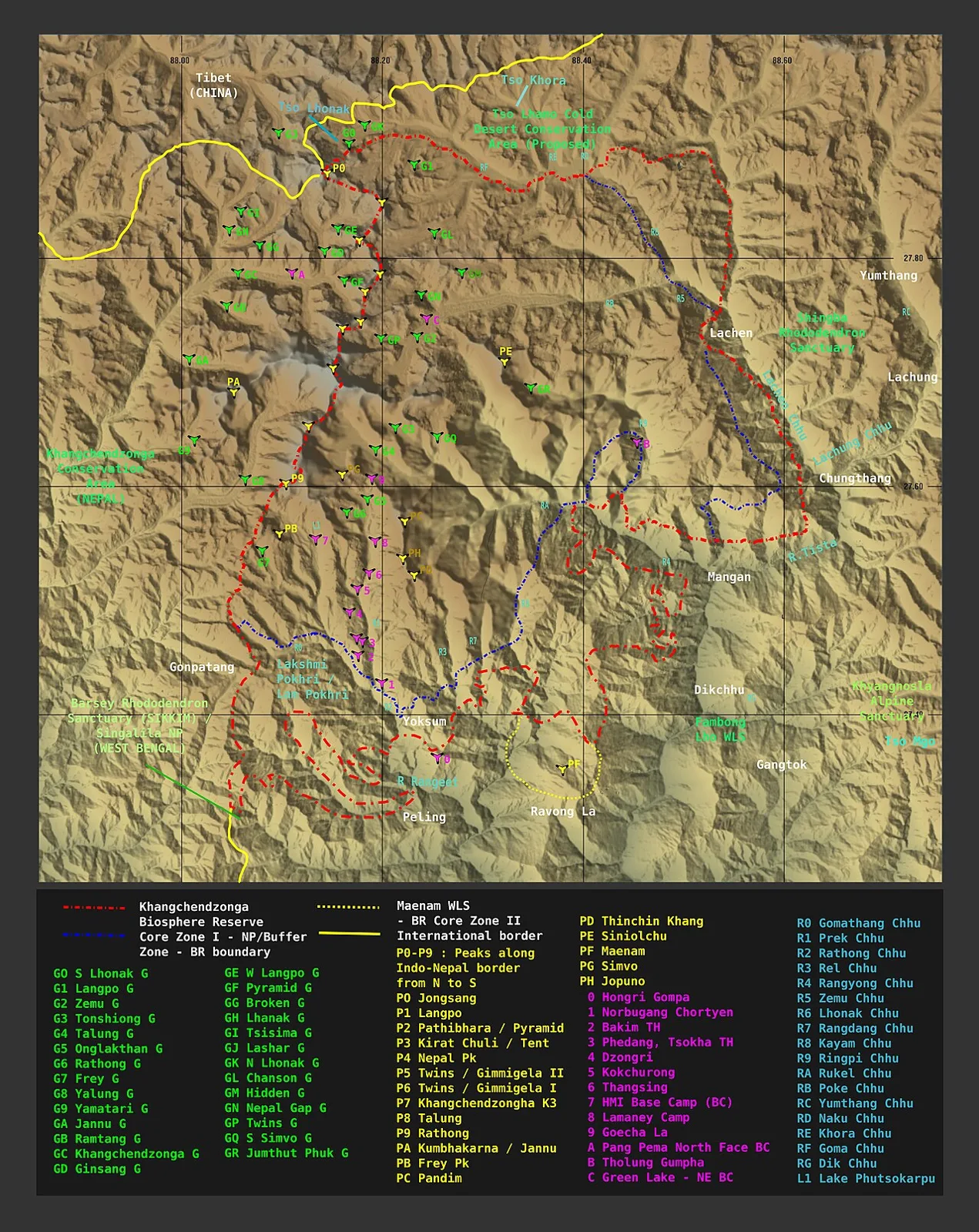
Today, Yuksom is best known as both a heritage destination and a starting point for journeys into the high Himalaya. Trekkers use it as a base for routes towards Dzongri and Goechala, while visitors come for its monasteries, sacred sites and quieter village setting. It also forms part of a wider pilgrimage circuit linking places such as Tashiding and Pemayangtse. Its importance lies less in urban commerce than in its combination of Sikkimese history, Buddhist pilgrimage and access to mountain landscapes.
Famous for: crafts, trade & products

Yuksom is not a major textile, handicraft or manufacturing centre, and it has no well-known local bazaar for sarees or specialist crafts. Its small shops mainly serve residents and travellers, with everyday provisions, snacks and basic trekking supplies. Visitors looking for a broad selection of Sikkimese handloom, handicrafts or regional products will generally find more choice in larger towns such as Gangtok.

Sikkim large cardamom is a GI-tagged regional product, but Yuksom is not a dependable specialist market for it. Ask locally whether seasonal produce or packaged regional goods are available, rather than expecting a dedicated outlet. The village’s most distinctive offerings are its heritage sites and access to trekking routes, not manufactured souvenirs. Local guesthouses and eateries are practical places to ask about nearby shops and what is currently available; stock can be limited, so trekkers should arrange essential equipment before arriving.

History

Sikkim’s early Buddhist history shaped Yuksom’s role. In the 17th century, three lamas who had travelled from Tibet gathered here and selected Phuntsog Namgyal to lead the kingdom. He was crowned Chogyal at Norbugang in 1642, making Yuksom the first capital of Sikkim. The Namgyal dynasty ruled until 1975. Dubdi Monastery was established in 1701, adding to the village’s religious importance.

Yuksom ceased to be the capital when Tensung Namgyal moved the royal seat to Rabdentse in 1670. Later capitals included Tumlong and Gangtok. During the British-influenced period of Sikkim’s history, Yuksom did not regain its political prominence. After the monarchy ended and Sikkim became part of India in 1975, the village’s significance increasingly rested on its heritage and mountain setting. Road access and trekking tourism have helped make it a base for visitors to Khangchendzonga National Park and routes towards Goechala.

Food, festivals & culture

Yuksom’s culture reflects the Buddhist traditions of Sikkim’s Bhutia community as well as the village’s Nepali- and Lepcha-speaking neighbours. Nepali is widely used; Bhutia, Lepcha and English are also heard. Local meals and lodge menus commonly feature familiar Himalayan dishes such as momos, thukpa and noodle soups. Sikkimese foods such as gundruk, kinema and chhurpi are part of the broader regional food culture, though menus vary between eateries.

The religious calendar includes Losar, the Tibetan New Year, usually in late winter; Saga Dawa in spring or early summer; and Pang Lhabsol, generally in late summer or early autumn. Dates follow lunar calendars and vary from year to year. The annual Bumchu ceremony at nearby Tashiding is an important regional Buddhist observance. Monasteries are places of worship and, on ceremonial occasions, may host masked cham dances accompanied by traditional music. Visitors can explore Norbugang Chorten and Dubdi Monastery respectfully, observing local customs and dress expectations.

Visiting the city

March to June and September to November are generally pleasant periods for exploring Yuksom and trekking, though mountain weather can change quickly. Monsoon months bring rain and can affect trails and roads; winter is colder. The nearest airport by road is Bagdogra Airport, while Pakyong Airport may be an option depending on available flights. New Jalpaiguri is the main railway station used by many visitors travelling to Sikkim.

Yuksom is reached by road from Gyalshing and onward from larger travel hubs such as Gangtok. Shared vehicles and hired cars are common ways to travel in the region; within the village, many central sights can be explored on foot. Focus on the Norbugang area, Dubdi Monastery and the village centre. Trekkers should arrange permits and supplies before setting out on routes towards Dzongri and Goechala, and check local trail conditions.

Short trips

Around Yuksom

Within about 40 km — easy half-day or day trips from the city.

Map

Yuksom on the map

  1. 1Goecha La
  2. 2Khangchendzonga National Park

Sikkim

Other cities to explore