Ghumoopedia — Explore, Discover, Experience
Sign in
Lachen, near Lachung

City guide · Sikkim

Lachung

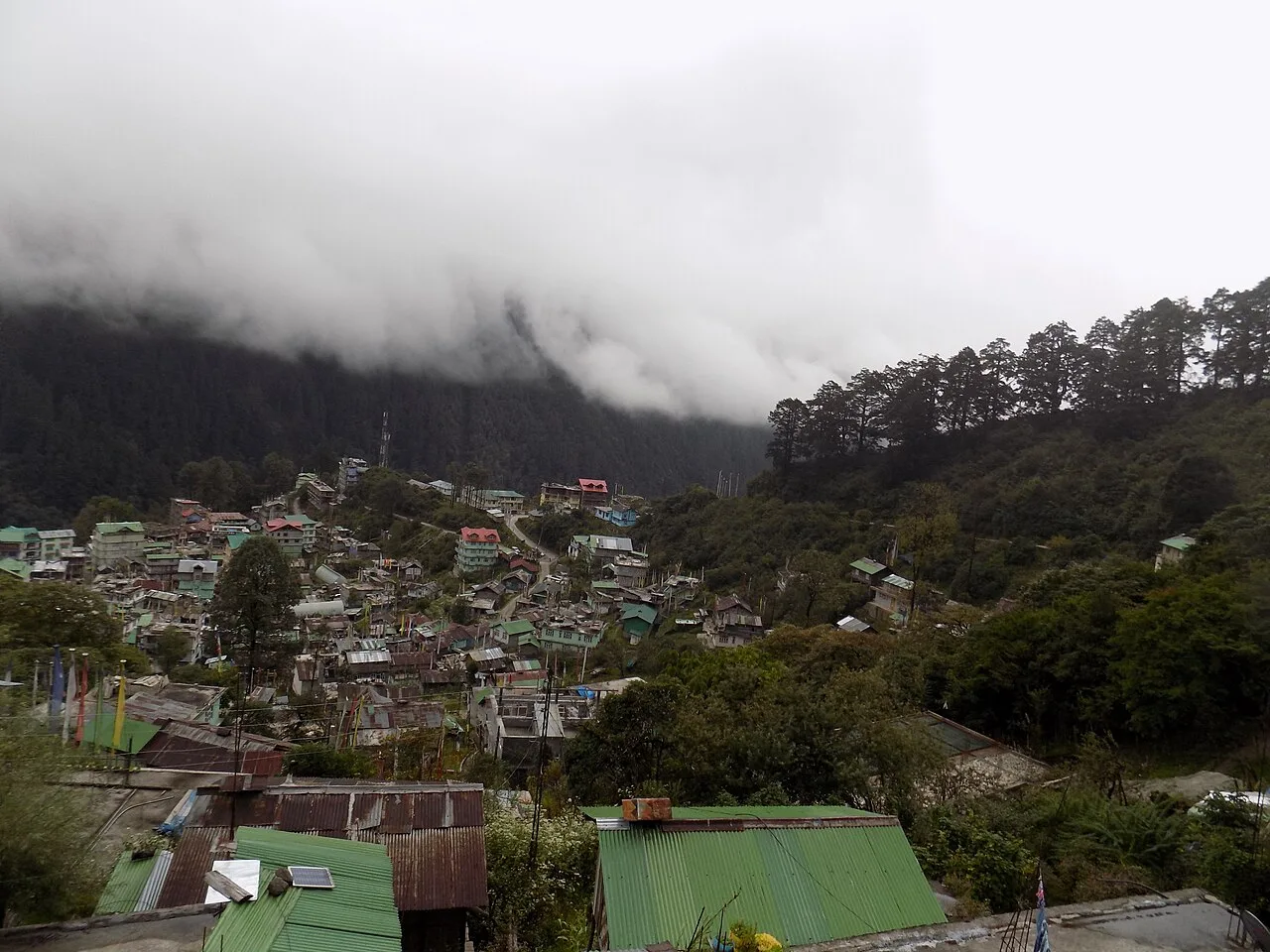
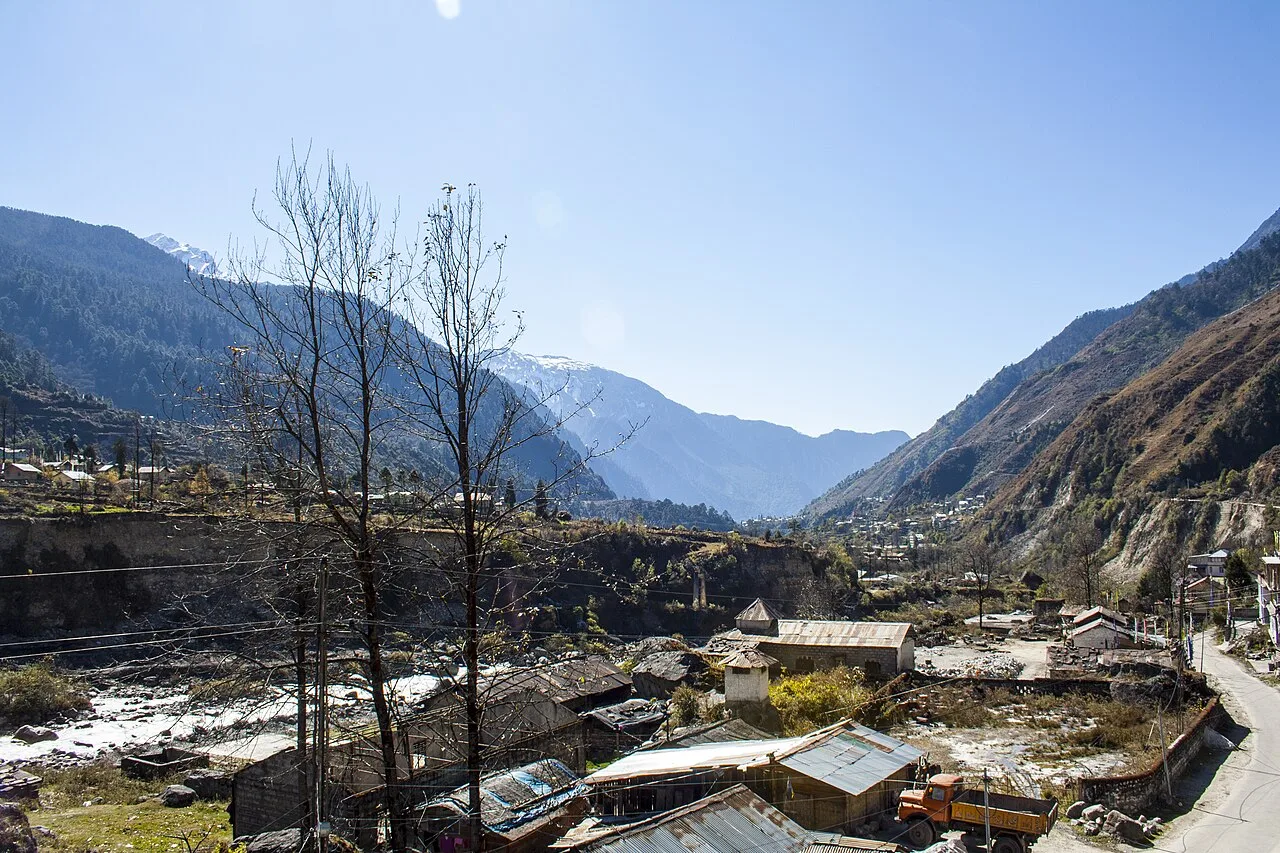
Lachung is a mountain town in Mangan district, northern Sikkim, near the border with Tibet. At roughly 2,900 metres above sea level, it stands where the Lachen and Lachung rivers meet before flowing into the Teesta.

Famous for

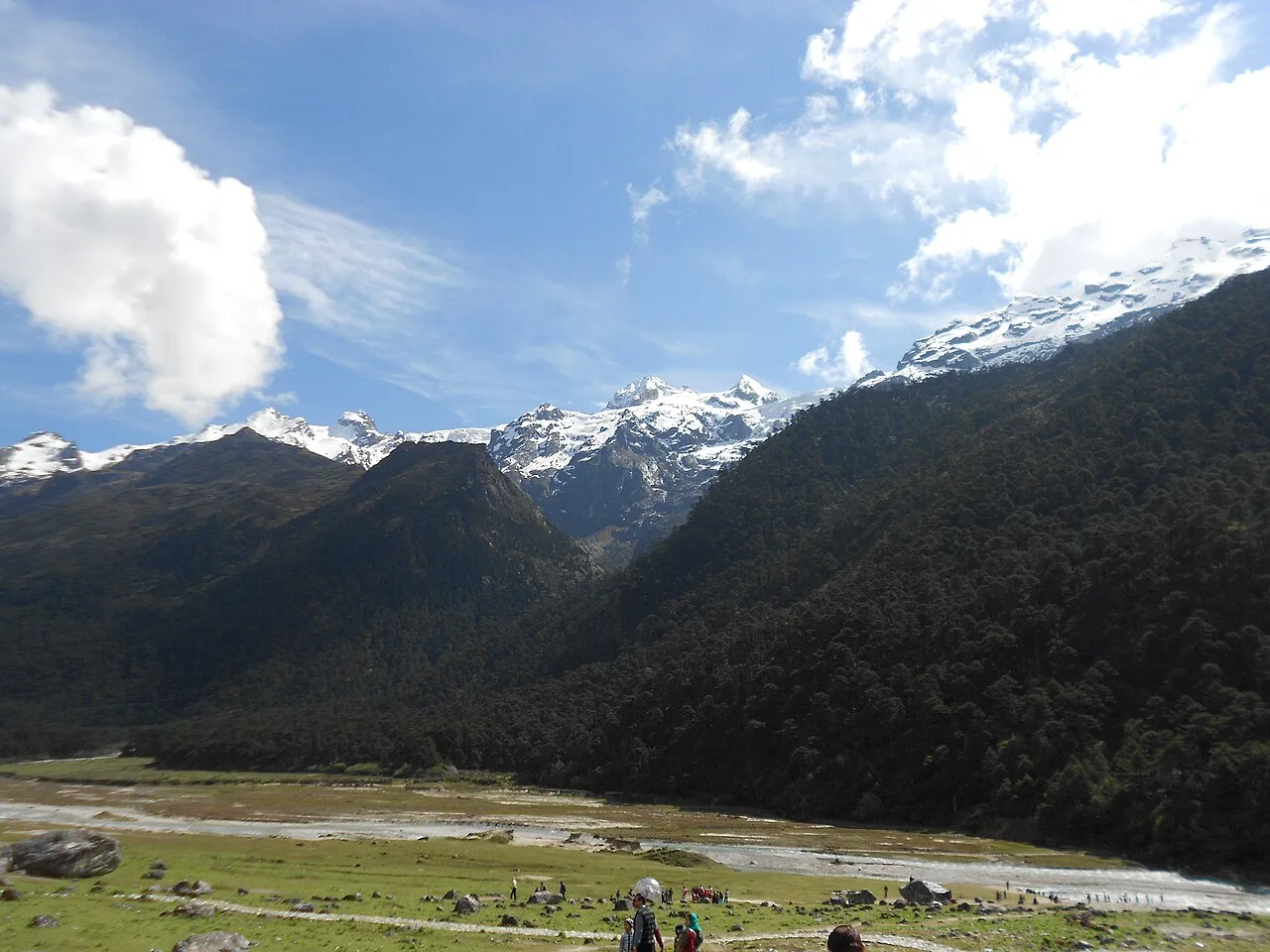
  • Gateway to Yumthang Valley
  • Lachung Monastery
  • Rhododendron Valley Trek
  • Snowy mountain scenery
  • Lachen–Lachung river confluence
In the city
0
Nearby
5
District
Mangan
Plan a trip

Why Lachung matters

Lachung is a mountain town in Mangan district, northern Sikkim, near the border with Tibet. At roughly 2,900 metres above sea level, it stands where the Lachen and Lachung rivers meet before flowing into the Teesta. Its name means “small pass”, and its setting among steep valleys and high Himalayan slopes is central to its appeal. The town is about 125 kilometres from Gangtok and serves as an important stop on journeys into North Sikkim.

Most visitors come for the surrounding landscape: Lachung is a base for excursions to Yumthang Valley and a starting point for the Rhododendron Valley Trek. The local monastery and the changing scenery—from autumn foliage to spring flowers and winter snow—are other draws. Tourism now supports much of the town’s visitor economy, while its location also gives it strategic importance; the Indian Army maintains a forward base here. Lepcha and Tibetan heritage, alongside Nepali-speaking communities, shapes the town’s distinctive cultural character.
Famous for: crafts, trade & products

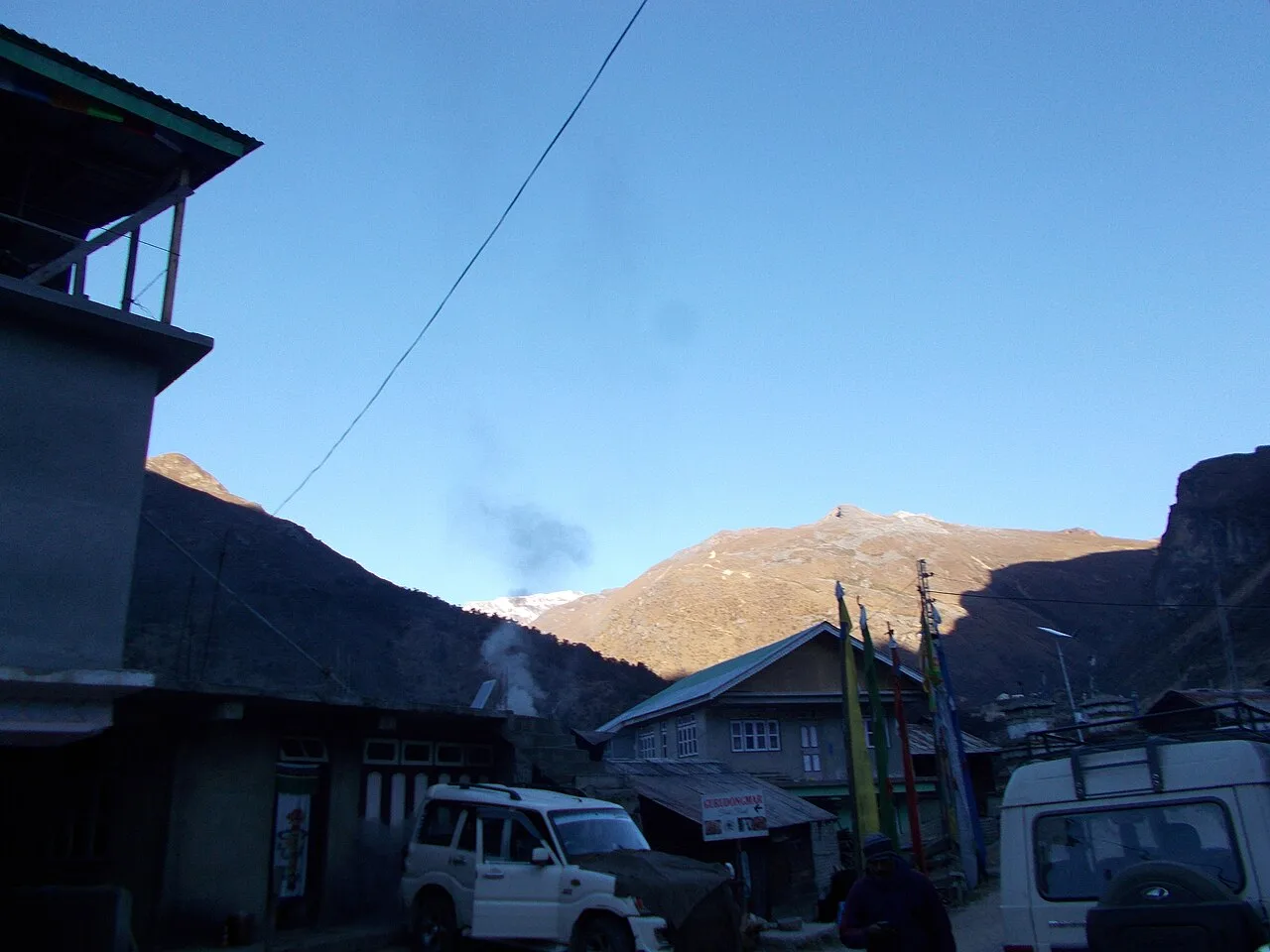
Lachung is best known as a gateway for mountain travel rather than as a centre of manufacturing or large-scale trade. Its best-known local institution is Lachung Monastery, while guesthouses, homestays, guides and transport operators serve travellers heading towards Yumthang Valley and nearby trekking routes. The town is also a base for the Rhododendron Valley Trek, which links Yumthang Valley with Lachen Valley.

Lachung does not have a widely recognised textile, handicraft industry or GI-tagged product specifically associated with it. Small shops cater mainly to residents and visitors, with everyday supplies, snacks and cold-weather necessities; the town is not a major destination for specialist shopping. Travellers seeking a wider choice of Sikkim-made crafts, textiles or regional products are more likely to find them in Gangtok. In Lachung, the most distinctive local experiences are its village setting, monastery and access to the surrounding valleys, rather than a particular market or manufactured souvenir. Visitors should treat locally available goods as small-scale retail, not as evidence of a large traditional craft trade.

History

Lachung developed as a settlement in Sikkim’s northern mountain region, where routes connected communities on either side of the high Himalayan passes. Before China’s takeover of Tibet in 1950, it served as a trading post between Sikkim and Tibet. Its position at the junction of the Lachen and Lachung rivers also made it a natural place to pause on journeys through the valleys.

British botanist Joseph Dalton Hooker visited Sikkim in the nineteenth century and described Lachung as the “most picturesque village of Sikkim” in his 1855 Himalayan Journal. Cross-border trade later diminished, and the town’s strategic position near the frontier became more prominent; the Indian Army maintains a forward base there. As access to North Sikkim expanded under the Indian government, tourism grew, bringing visitors bound for Yumthang Valley and the monastery. Today, lodging and travel services are important parts of Lachung’s economy, alongside its continuing role as a remote regional settlement.

Food, festivals & culture

Lachung’s cultural life reflects Lepcha and Tibetan heritage as well as Nepali-speaking communities. Nepali, Lepcha and Bhutia are spoken locally. The monastery is an important place of Buddhist worship and community life. Losar, the Tibetan New Year, is observed in winter or early spring, while Buddhist occasions such as Saga Dawa fall in late spring or early summer. Nepali-speaking residents also celebrate festivals including Dashain and Tihar in autumn. Dates follow religious calendars and vary from year to year.

Food is broadly characteristic of Sikkim’s Himalayan communities. Visitors may find momos, noodle soups such as thukpa, and warming dishes suited to the cold climate; menus vary between households and guesthouses. Rice-based foods and local preparations of greens are also part of the wider regional food tradition. Buddhist celebrations may include masked religious dances, though performances are not a daily attraction and should not be assumed to take place during every visit. The monastery and village gathering spaces offer a more grounded glimpse of local life than staged cultural shows.

Visiting the city

October to May is a popular period for visiting, though conditions change considerably: autumn brings colourful foliage, spring flowers begin to appear from late March, and winter can be snowy. Check road and weather conditions before travelling, especially in winter or during heavy rain. Pakyong Airport is the nearest airport by location, but flight availability can be limited; Bagdogra Airport is a widely used alternative. The main railway station for the region is New Jalpaiguri.

Most visitors reach Lachung by road from Gangtok in a hired vehicle, often as part of an organised North Sikkim trip. Protected-area permit requirements apply, so confirm current rules and arrangements before departure. The village is compact enough to explore on foot; local vehicles are useful for longer excursions. Explore the monastery, village lanes and riverside surroundings, and use Lachung as a base for journeys towards Yumthang Valley.

Short trips

Around Lachung

Within about 40 km — easy half-day or day trips from the city.

Map

Lachung on the map

  1. 1Lachen
  2. 2Lachung
  3. 3Shingba Rhododendron Sanctuary
  4. 4Thangu and Chopta Valley
  5. 5Yumthang Valley of Flowers

Sikkim

Other cities to explore