
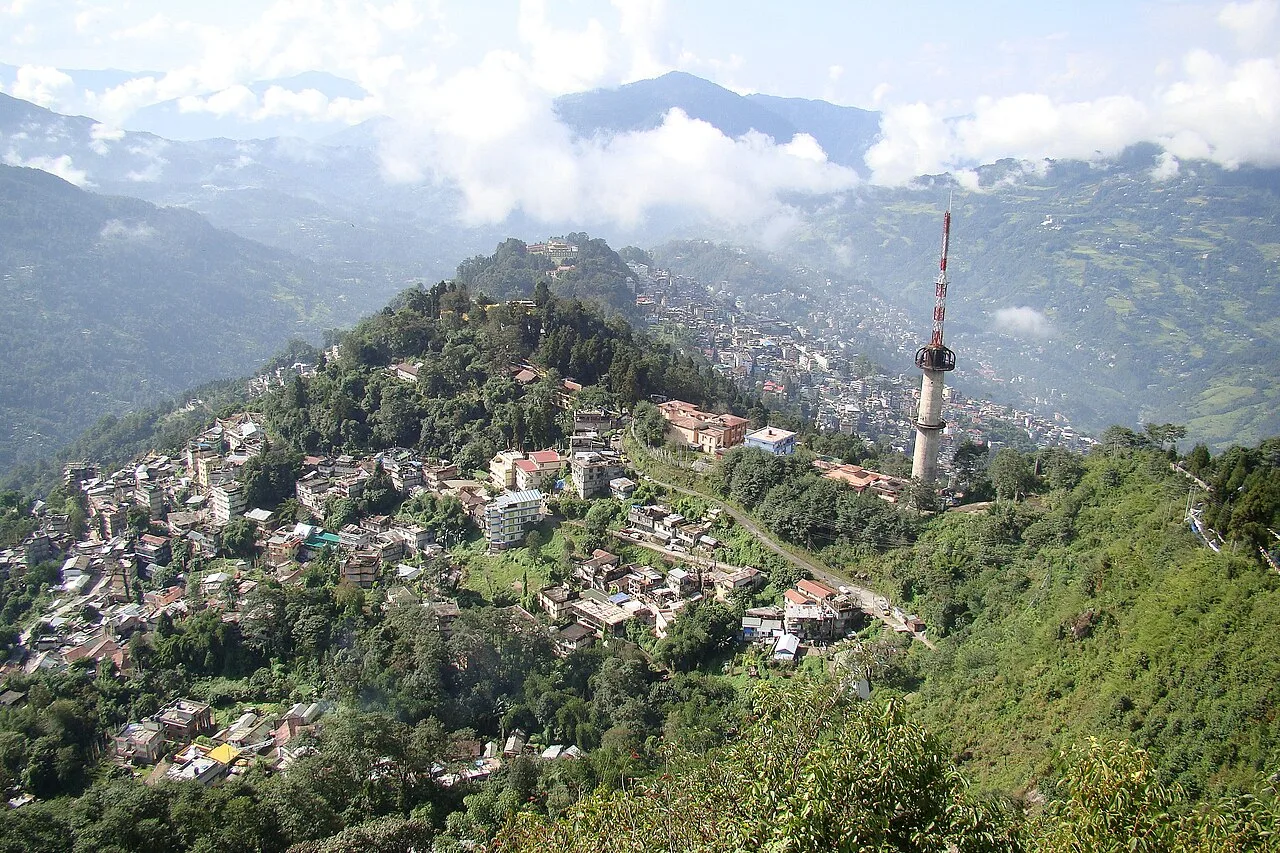
Ganesh Tok
Ganesh Tok is a temple and place of worship in Gangtok district, Sikkim. Visitors come to it as a sacred site with religious significance.
Key facts · verified by Ghumoopedia editors
- Type of place
- Temple / pilgrimage site
- Best time to visit
- March to May and October to December; avoid the June–September monsoon
- Verified
- 21 Nov 2026
Ganesh Tok is a religious place in Sikkim, situated within Gangtok district. It is identified as a temple or sacred site, giving it a religious character. Its name, district and connection with worship are the key details that describe the place. People visit Ganesh Tok because it is regarded as sacred. Its identity is therefore tied to its role as a place of religious interest, as well as to its location in the state. These details present it as a temple and spiritual destination within Gangtok district. Sikkim is a small Himalayan state wrapped around Kangchenjunga, the world's third-highest peak, with Buddhist monasteries such as Rumtek, Pemayangtse and Tashiding, Lepcha, Bhutia and Nepali communities, high-altitude lakes like Tsomgo and Gurudongmar, rhododendron valleys at Yumthang and Varsey, and a strong commitment to organic farming and clean, plastic-light tourism. Weather depends on altitude: Gangtok and Pelling are mild in spring and autumn and cold in winter, while North Sikkim and Nathu La lie under snow from December to March. The monsoon (June to September) brings heavy rain and frequent landslides. Spring is rhododendron season; October and November give the clearest views of Kangchenjunga. The usual best time to visit is March to May and October to December; avoid the June–September monsoon. For official information, see Sikkim Tourism at https://www.sikkimtourism.gov.in.
Why it matters
Ganesh Tok is listed in Ghumoopedia’s Sikkim index as a temple or sacred site in Gangtok district. Its importance is therefore best understood at a local level: it offers a setting for personal Hindu worship within a predominantly Himalayan region shaped by several religious traditions. For current details about its management, religious observances and access, check with Sikkim Tourism or a local host.
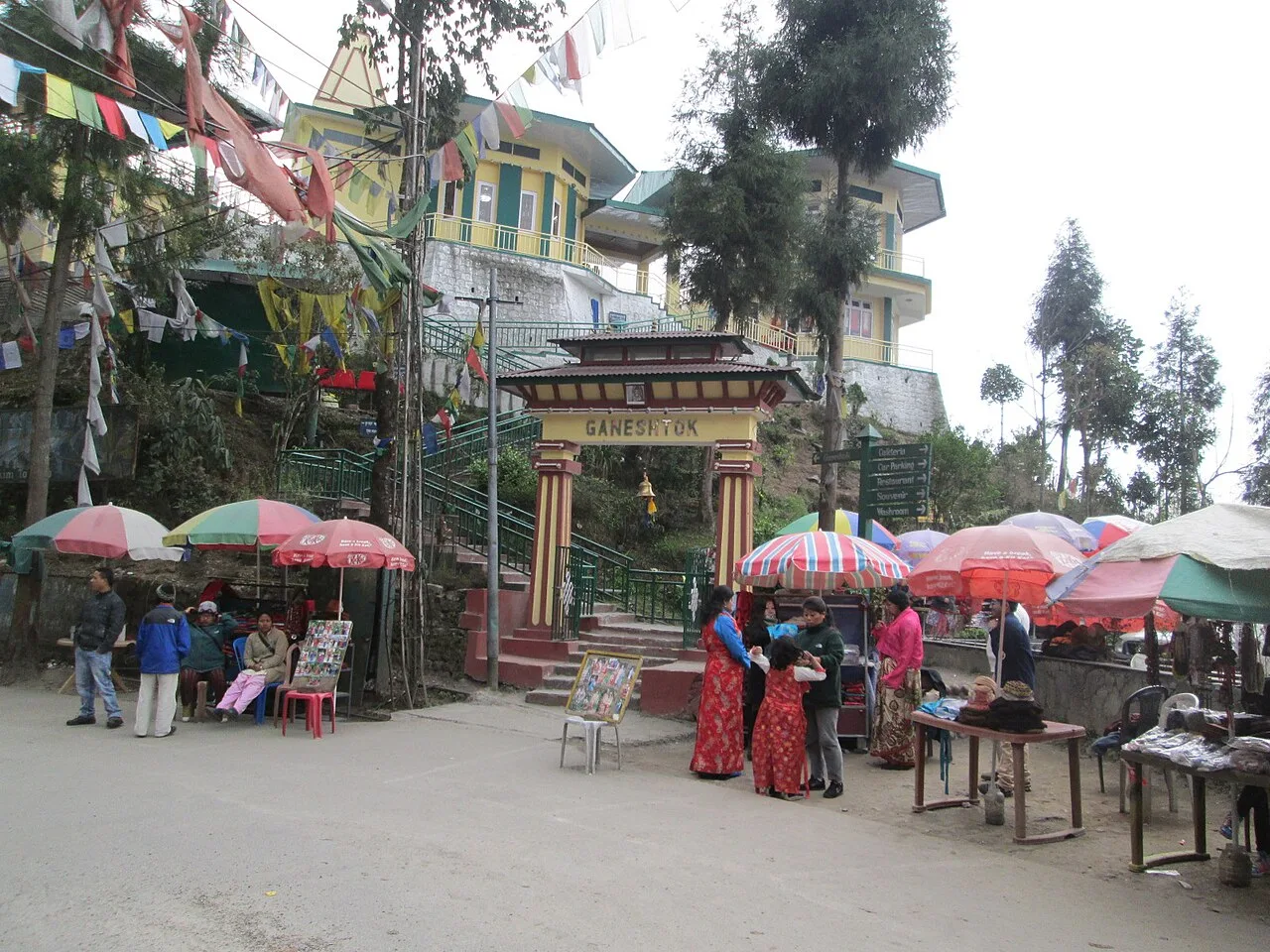
Public descriptions associate the site with worship of Ganesha, the Hindu deity commonly invoked at the beginning of journeys and endeavours, but they do not provide a sufficiently supported chronology to assign an origin period or name a patron. The name is often understood as referring to a hilltop or elevated place associated with Ganesh, though the history of the name itself should be checked locally rather than treated as established fact. Gangtok developed as Sikkim’s principal town and administrative centre, and its religious life includes Hindu, Buddhist and other community traditions. A small shrine in this setting may serve residents as well as visitors, but specific details about past worshippers or ceremonies at Ganesh Tok remain unconfirmed. Visitors interested in its history can ask the site’s caretakers or local tourism officials whether an inscription, local record or oral account is available. This guide avoids assigning dates or restoration claims without a verified source.
Origin stories & folklore
The shrine’s association with Ganesha may invite familiar Hindu beliefs about the deity as a remover of obstacles and a guardian of new beginnings; these are broad religious traditions, not a confirmed story about this site. Local accounts, if shared by worshippers or caretakers, may describe why the shrine was established or how its name arose, but visitors should treat such accounts as oral tradition unless supported by records. Ask respectfully before recording or repeating a story, since beliefs can vary between families and communities.
Architecture & design
Public descriptions generally present it as a compact shrine rather than a large temple complex, but its precise plan, construction materials, age and any later alterations should be confirmed on site. Visitors may encounter a modest worship space with an image or representation of Ganesha and an area for brief prayer; do not assume that every feature is original or historically dated. The hill setting and the shrine’s relationship to the surrounding Gangtok landscape are part of its visitor appeal, although exact viewpoints and access arrangements can change. There is no verified information here about a formal architectural style, structural engineering, inscriptions or protected status. Observe any barriers and ask before entering spaces used for worship. For reliable details on materials, layout or maintenance, consult the caretaker or an official local source rather than relying on visual guesses.
Important objects & sculptures
Visitors can look respectfully for the shrine’s central devotional image and any offerings placed nearby, without touching them or interrupting worship. No catalogued collection of sculptures, historic carvings, inscriptions or museum objects has been confirmed. Floral offerings, lamps or other devotional items may be present depending on the day and local practice; their presence should not be taken as evidence of a fixed ritual schedule. Ask permission before photographing objects or entering an inner worship area.
Religious significance
Ganesh Tok is associated with Ganesha, a widely worshipped Hindu deity regarded in many Hindu traditions as a remover of obstacles and a deity invoked at the start of undertakings. Visitors should follow the guidance of caretakers and worshippers rather than assume a formal sequence of rituals. The site is in Gangtok, where Hindu practice exists alongside Sikkim’s Buddhist and other religious traditions. Visitors of any faith can observe respectfully, keeping clear of active worship and asking before participating. Specific religious rules for the shrine should be confirmed locally.
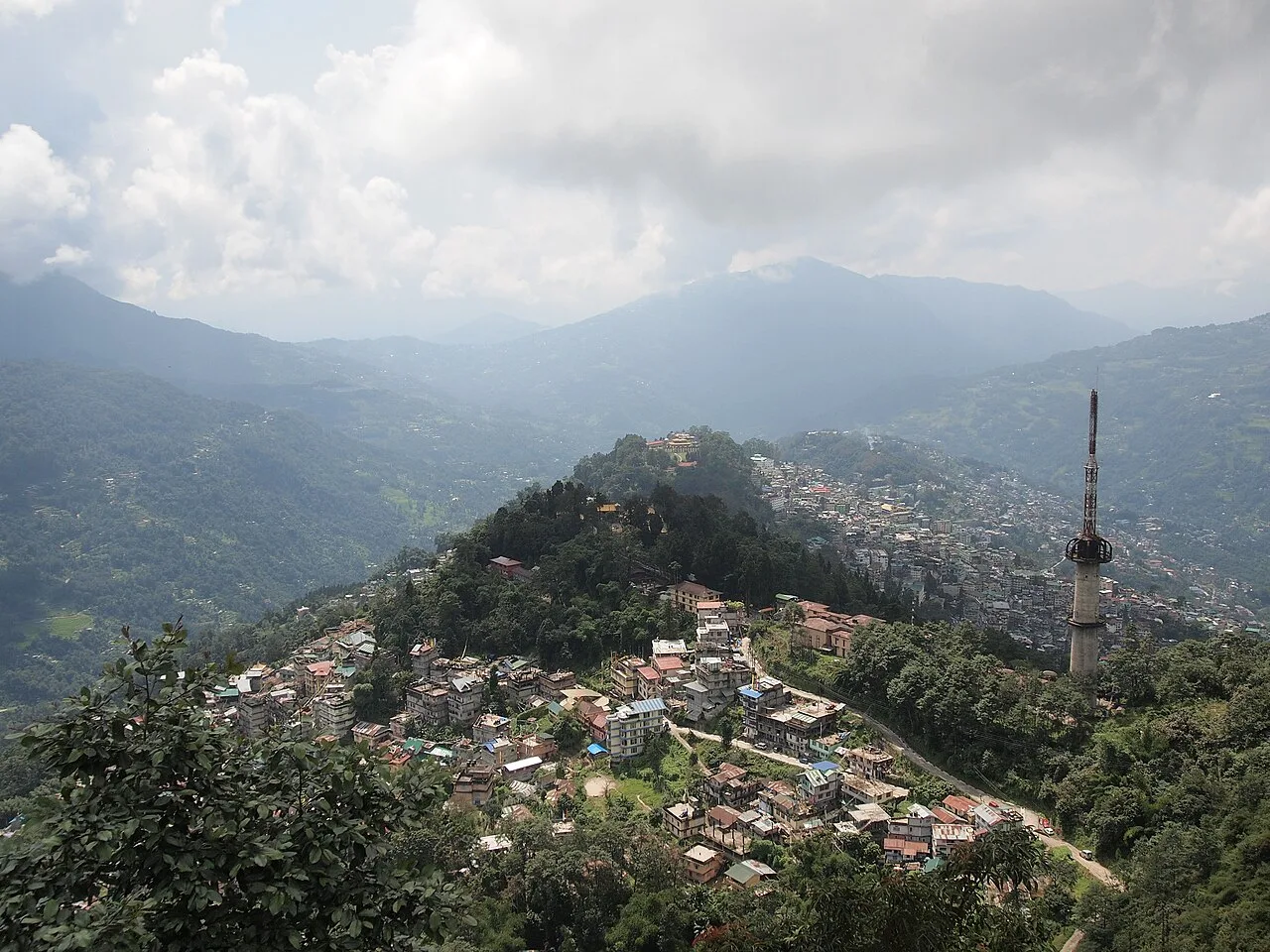
Visit Ganesh Tok with time to observe daily prayers and rituals respectfully. Follow the posted rules on footwear, photography, phones and dress — large temples have separate darshan queues and paid special-entry tickets, and some prohibit phones and leather items inside. Beware of unofficial 'guides' or agents offering quick darshan for a fee. A comfortable itinerary is one main visit in the morning, a local meal at midday and a short nearby stop before an afternoon return. In the mountains, mornings are clearest; clouds often roll in by noon, so start early for views of Kangchenjunga. Use the district list on this site to find other places in Gangtok, but check the route and its condition before combining stops. If a festival is on — such as Losar (Tibetan New Year), Saga Dawa, Pang Lhabsol, Losoong, Bumchu at Tashiding, Dasain and Tihar or the Gangtok winter carnival — roads and stays can be busy, and the experience can be unforgettable. Leave no litter: Sikkim restricts plastic and packaged water in many tourist areas, so carry a refillable bottle.
Suggested itineraries
Half day: Confirm access locally; visit the shrine and allow time for quiet observation (about 30–60 minutes); have a meal in Gangtok; add one nearby stop if roads and weather permit. Full day: Visit Ganesh Tok in the morning; continue to a confirmed nearby viewpoint or attraction; take a relaxed lunch in Gangtok; visit a town monastery or museum; return before evening traffic. Gentler option: Ask a taxi to reduce uphill walking, spend a short time at the shrine, and return to a comfortable café or accommodation without adding further stops.
Ganesh Tok sits within Gangtok’s diverse social setting, where Nepali, Bhutia, Lepcha and other communities contribute to local life. English and Nepali are commonly encountered in the town, alongside other languages used across Sikkim; language use at the shrine will depend on the people present. Worshippers may visit in everyday clothing and bring customary offerings, but practices vary. A courteous greeting, quiet conduct and asking permission before taking photographs help visitors respect both local customs and the shrine’s devotional purpose.
Festivals & events
Hindu festivals associated with Ganesha, including Ganesh Chaturthi, may be observed by Hindu communities in Gangtok, but visitors should confirm whether the shrine holds any special observance. Festival periods can bring more visitors, traffic and demand for accommodation around Gangtok. Check locally before planning a visit around a religious celebration, and be mindful that ceremonies are primarily for worshippers.
Local food in Sikkim includes momos, thukpa and thenthuk noodle soups, phagshapa (pork with radish), gundruk and sinki fermented greens, sel roti, churpi (yak cheese), chhurpi soup, local tea from Temi and warm tongba millet brew in the hills. Ask what is fresh that day; many small eateries cook a limited daily menu. Most food is mild compared with the plains, with plenty of vegetarian options; local chilli pastes made from dalle khursani are extremely hot, so try a little first. Hot soups and butter tea help at altitude. Remote sites may have no restaurant at all. Carry water and snacks, eat a proper breakfast before long drives, and ask your accommodation for a packed lunch if you are heading out early. If prasad is offered, accept it according to local custom. Choose busy, clean places, drink sealed or filtered water, and carry your packaging back with you.
Shopping & local experiences
For shopping, Gangtok’s MG Marg and other town markets offer locally made crafts, textiles, souvenirs and packaged regional foods; availability and authenticity vary. Look for Sikkim handicrafts and products made by local producers, and ask sellers about materials and origin. The shrine itself is not known as a shopping destination, and no specific stalls there have been verified. If purchasing food or drink, choose reusable or low-packaging options where possible. Avoid buying religious objects or antiques presented with unsupported claims about age or provenance.
March to May and October to December; avoid the June–September monsoon
These figures are calculated from map coordinates — actual road distance is longer, and mountain roads mean even short distances can take hours. Most travellers arrive at Bagdogra Airport or New Jalpaiguri (NJP) railway station near Siliguri in West Bengal, about 4–5 hours' drive from Gangtok; Pakyong Airport near Gangtok has limited, weather-dependent flights. Shared jeeps and reserved taxis run from Siliguri to Gangtok, Namchi, Ravangla and Pelling. From Siliguri or Bagdogra, take a shared jeep, SNT bus or reserved taxi; within Sikkim, shared jeeps leave from the town taxi stands in the morning and fill up early, while reserved taxis give flexibility for monasteries and viewpoints. When comparing train, bus and flight, count the complete door-to-door time: a flight saves the most time only if the onward road transfer is short, while an overnight train can save a hotel night. For Sikkim, flying into Bagdogra saves the most time from distant cities, while a train to NJP is cheaper; either way the road journey up the Teesta valley takes most of a day, so do not plan sightseeing on arrival. Book your return before you leave, because seats fill quickly on weekends, festivals and holidays. Current train numbers, timings, return services and fares are not listed here; check IRCTC and NTES for trains and the airline's own schedule for flights. Indian travellers need no permit for Gangtok, Pelling, Namchi and Ravangla, but a Protected Area Permit — arranged through a registered Sikkim tour operator or taxi association with photo ID and passport photos — is mandatory for Tsomgo Lake, Nathu La, North Sikkim (Lachung, Lachen, Yumthang, Zero Point and Gurudongmar), Zuluk and the Dzongri–Goecha La trek. Foreign nationals need a free Restricted Area Permit, issued online or at the Rangpo and Melli checkposts, and cannot visit Nathu La; some areas allow foreigners only in groups. Nathu La is open on limited days each week and closes after snowfall, and landslides can shut any road at short notice.
Getting around
Gangtok is commonly reached by road from Siliguri or Bagdogra, and local movement is generally by taxi, shared vehicle or walking in suitable areas. Ask locally whether taxis can wait nearby and where stopping or parking is permitted; hill roads and limited space can affect access. Local buses may not serve the shrine directly. Gangtok’s slopes and traffic can make a short map distance slower or more strenuous than expected.
Hours, tickets & permissions
The shrine may have rules about footwear, dress, photography, phones or access to worship areas; follow posted notices and the caretaker’s instructions. No permit requirement has been confirmed for this site, but access conditions can change. Check current hours, fees and entry arrangements with the managing authority, Sikkim Tourism or your host before setting out. Do not rely on informal offers of special access.
Facilities
Toilets, drinking water, food outlets, parking and staffed information may be limited or unavailable at the shrine; check locally and plan accordingly. Gangtok has shops, eateries, accommodation and other town services, but the closest options depend on the confirmed route. Carry drinking water in a reusable bottle and take rubbish back with you. A guide is not known to be required. Do not assume that an ATM or accessible toilet is available at the site.
Accessibility
Gangtok is hilly, and access may involve uneven ground, slopes or steps; visitors should check conditions before travelling, particularly if using a wheelchair, stroller or walking aid. Do not assume that ramps, lifts, handrails or step-free entry are available. Older visitors or anyone with limited mobility may prefer to arrange a vehicle close to the entrance and keep the visit brief, subject to local stopping rules. Weather can make outdoor surfaces slippery, so suitable footwear and assistance from a companion may help.
Indian travellers need no permit for Gangtok, Pelling, Namchi and Ravangla, but a Protected Area Permit — arranged through a registered Sikkim tour operator or taxi association with photo ID and passport photos — is mandatory for Tsomgo Lake, Nathu La, North Sikkim (Lachung, Lachen, Yumthang, Zero Point and Gurudongmar), Zuluk and the Dzongri–Goecha La trek. Foreign nationals need a free Restricted Area Permit, issued online or at the Rangpo and Melli checkposts, and cannot visit Nathu La; some areas allow foreigners only in groups. Nathu La is open on limited days each week and closes after snowfall, and landslides can shut any road at short notice. Carry a photo ID at all times and save the emergency number 112 and your accommodation's contact offline. Mountain roads are narrow and prone to landslides, especially from June to September; travel in daylight, use experienced local drivers, and keep a spare day in your plan for road closures. Watch your belongings in crowds and on public transport, and follow posted instructions.
Visitor rules
Follow signs and the caretaker’s directions, especially around the worship area. Remove footwear if required, dress respectfully and keep voices low during prayer. Do not touch sacred objects, offerings or barriers without permission, and do not enter restricted spaces. Ask before photographing people, rituals or the shrine interior; phone and camera rules may vary. Sikkim encourages low-waste travel, so carry a refillable bottle and take all litter away. Avoid plastic where local restrictions apply. Do not pay unofficial intermediaries for promised quick or special access.
Photography
Check signs and ask the caretaker before taking pictures, especially during prayer or when worshippers are present. Gangtok’s surrounding landscape is often clearest earlier in the day, though cloud and visibility vary with weather; do not count on a particular mountain view. Keep walkways clear and avoid using flash near worship. Drone use should not be assumed to be permitted; check applicable local rules and obtain any required permissions before flying.
Choose a stay by the full journey to Ganesh Tok, not just the district name. Gangtok has the widest choice, from homestays to boutique hotels along MG Marg; Pelling hotels face Kangchenjunga, and village homestays in Yuksom, Aritar, Okhrey and Dzongu offer a quieter, local experience. In summer, check air-conditioning; in the monsoon, check that the property is accessible if roads flood. Book in advance for weekends, festivals and the peak season (March to May and October to December; avoid the June–September monsoon). Confirm the exact location, meals included, check-in time and cancellation terms in writing. Avoid sending money to unverified contacts or touts at stations. Carry some cash, as card and digital payments can be unreliable in remote areas.
Gangtok has several established attractions that visitors may consider combining, subject to route and access checks. Hanuman Tok and Tashi View Point are commonly visited viewpoints in the Gangtok area. Enchey Monastery, Do Drul Chorten and the Namgyal Institute of Tibetology offer different ways to learn about the region’s religious and cultural life. MG Marg is a central pedestrian shopping and dining area. Ask locally before combining stops.
For couples, Ganesh Tok rewards a slow pace: arrive early for soft light and fewer crowds, share a local meal and keep the evening free. Sunrise over Kangchenjunga from Pelling or Tashi View Point, a stroll on MG Marg in the evening or a quiet homestay night in a village makes the trip memorable. Public displays of affection can be frowned upon in conservative communities and at religious sites, so be discreet. Keep a buffer in your itinerary, because weather and road conditions can delay plans.
Q: When is the best season to visit? A: Spring and autumn are generally pleasant in Gangtok. Monsoon rain can disrupt travel, while winter is colder; check the forecast locally. Q: Is there an entry fee? A: Confirm with the caretaker or a local official before visiting. Q: Can children and older visitors go? A: They may visit, but the route could include slopes or steps. Check access conditions and arrange assistance if needed. Q: Where should I stay nearby? A: Gangtok has a range of accommodation. Choose a place based on your transport needs and confirm the route to the shrine with your host.
Be the first to share photos, stories, advice or a helpful contact for Ganesh Tok.
Loading…