
District · Assam
Goalpara
Goalpara offers a quieter way to explore western Assam and the southern bank of the Brahmaputra.
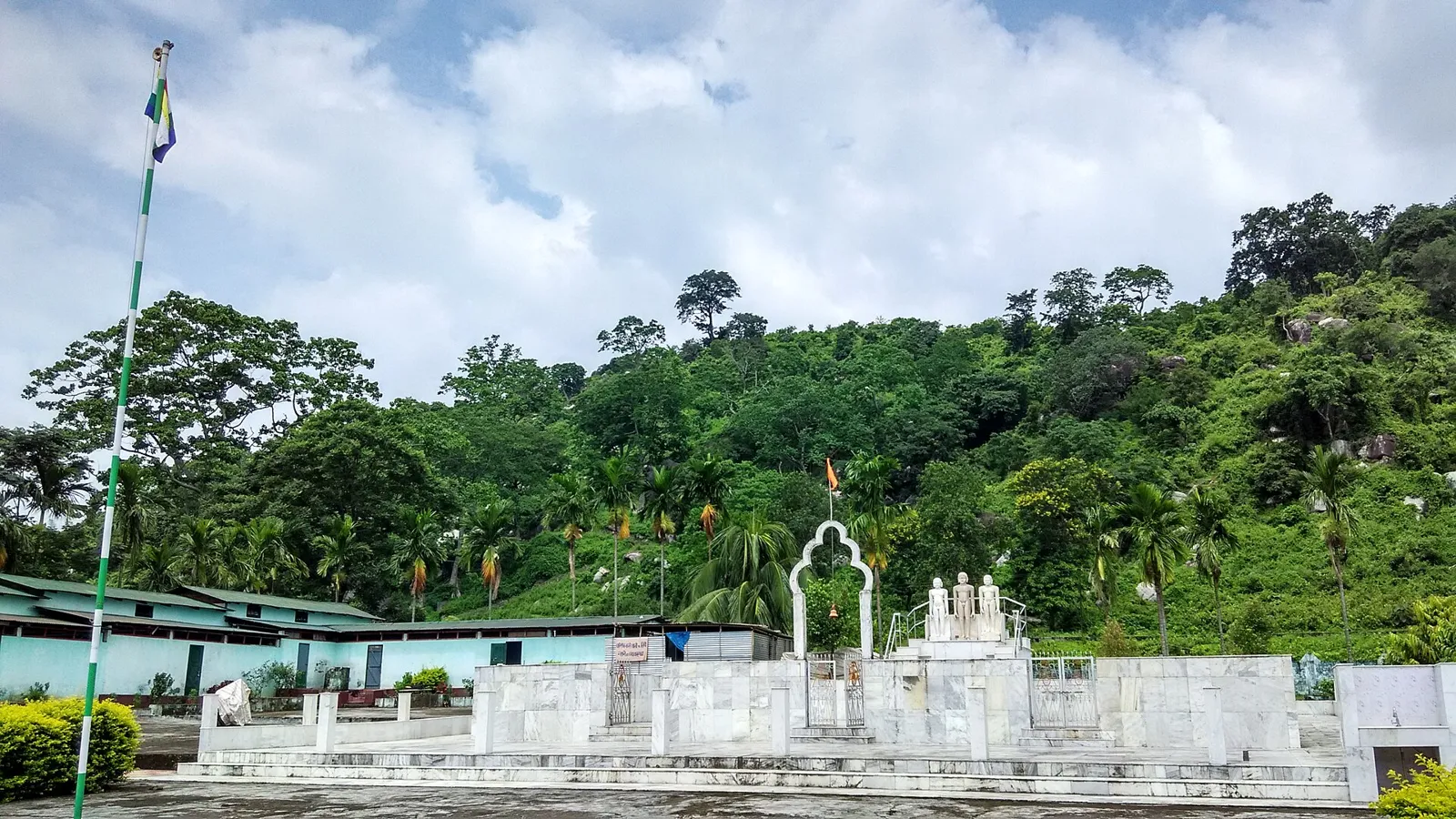
Goalpara lies in western Assam, where the Brahmaputra’s broad floodplain, seasonal wetlands and low hills meet the foothills of the Garo Hills. River channels and fertile fields shape much of the landscape, while the district’s towns and villages reflect a mix of Assamese and Indigenous communities. The region has a long history, with connections to ancient Kamarupa and later medieval kingdoms. Its archaeological landmark, Sri Surya Pahar, preserves remains associated with Hindu, Buddhist and Jain traditions, offering a glimpse of the area’s layered religious past. Today, Goalpara is a quieter part of Lower Assam, known for riverine scenery, local markets and a cultural character shaped by both plains and nearby hills.
Goalpara offers a quieter way to explore western Assam and the southern bank of the Brahmaputra. It is best known to visitors for Sri Surya Pahar, an archaeological site with remains associated with Hindu, Buddhist and Jain traditions. The district also provides a view of the Lower Brahmaputra region, where riverine plains meet the foothills of the Garo Hills. It suits travellers interested in archaeology, regional history and landscapes beyond the better-known routes around Guwahati.
Goalpara lies within a region associated with ancient Kamarupa, a kingdom whose influence extended across parts of present-day Assam. In later centuries, western Assam saw the rise of the Koch kingdom; control and political influence in the wider region shifted over time among local powers and neighbouring states. Sri Surya Pahar preserves archaeological remains linked to Hindu, Buddhist and Jain traditions, though the site's history spans periods that are not fully established in every detail. During British rule, Goalpara was administered as part of a larger district and the area became connected to colonial administrative and transport systems. After Indian independence, Assam's district boundaries and administrative arrangements changed repeatedly. Present-day Goalpara district was established in 1983 as part of that reorganisation. Its history is therefore best understood both through its place in the changing political landscape of western Assam and through archaeological evidence at sites such as Sri Surya Pahar.
Food in Goalpara draws on the wider culinary traditions of Lower Assam. Rice is a staple, often served with fish, vegetables and lentils. Assamese favourites include masor tenga, a tangy fish curry, and khar, a preparation with a distinctive alkaline flavour; aloo pitika and seasonal pithas are also common across the region. Some Indigenous communities have their own food traditions, which may include pork, fermented ingredients or other locally available foods. Menus at small eateries can be limited and change with the day’s catch and harvest. Ask what is freshly prepared, and explain any dietary needs clearly.
Handloom weaving is part of everyday cultural life across Assam, including Lower Assam, where households and local artisans make traditional cloth for clothing and community use. Textiles and dress traditions vary among the district’s Assamese and Indigenous communities, including Rabha and other groups. Bamboo and cane are widely worked across the region into practical household items and baskets. These are regional traditions rather than crafts exclusive to Goalpara, and availability varies by village and market. Local bazaars can be a good place to look for handmade goods, though visitors may need to ask about their makers and materials.
Bihu is celebrated in Goalpara and across Assam: Bohag Bihu in spring, Kati Bihu in autumn and Magh Bihu in winter. Durga Puja and Eid are also observed by local communities, with celebrations varying by town and neighbourhood. These are regional and community festivals rather than events unique to Goalpara. The main Bihu and Puja periods can bring busier markets, roads and public spaces, while accommodation may be more in demand around popular celebrations. If travelling during a festival, check local arrangements and reserve a room ahead where possible.
Elsewhere in Assam
The district includes low-lying plains along the Brahmaputra and a transition towards the foothills of the Garo Hills. Smaller rivers and streams cross parts of the area, while raised ground and rocky outcrops provide a contrast to the surrounding agricultural and riverine landscape. Sri Surya Pahar is set among low hills and uneven terrain. Most travel is by road, but monsoon rain can affect local routes and make walking surfaces slippery. River conditions and access to riverside areas can also vary by season, so follow local guidance rather than assuming that every bank or track is accessible.
Goalpara has a humid subtropical climate, with a warm, often humid summer, a rainy monsoon season and a cooler, generally drier winter. Monsoon rain can make roads and paths slippery and may disrupt travel, while summer outings are more comfortable early or later in the day. The milder, drier months from roughly November to March are usually the most convenient time to visit Sri Surya Pahar and explore outdoors. Pack light, breathable clothing, a rain layer during the wet season, sun protection and sturdy footwear for uneven ground. Conditions can vary, so check a local forecast before setting out.
Goalpara Town railway station serves the district, while Lokpriya Gopinath Bordoloi International Airport in Guwahati is the nearest major airport. Guwahati is an important gateway for onward journeys by rail, air and road. By road, Goalpara is connected to Guwahati and western Assam through National Highway 17; travel times can vary with traffic, weather and road conditions. Buses and shared or hired vehicles serve the main towns, while taxis or locally arranged transport are useful for reaching rural attractions such as Sri Surya Pahar. Check current services locally before setting out.
Goalpara town is the main practical base for reaching Sri Surya Pahar, which is about 13 kilometres southeast of town. Road travel is the most direct way to move between them; visitors can arrange a taxi or local vehicle, while shared transport and autos may be available but should not be assumed for the return journey. Local buses and shared vehicles connect towns and settlements along major roads, though service frequency can vary. Ask locally about the last leg to the site and arrange return transport in advance, especially outside busy periods. Walking is best kept to the site itself, where surfaces may be uneven.
2 days: Goalpara town → Sri Surya Pahar; sleep in Goalpara town both nights. 3 days: Goalpara town → Sri Surya Pahar → Goalpara town; sleep in Goalpara town each night, allowing a relaxed visit and time for local travel.
Goalpara town is the most practical base for a visit to Sri Surya Pahar, with access to local transport and everyday services. Hotels and guesthouses are the usual options; homestays may be available but are less consistently listed, so confirm arrangements before travelling. Religious accommodation may exist in some places, but availability and visitor policies vary. For a short circuit, staying in Goalpara avoids changing rooms for a single nearby archaeological visit. Travellers needing particular facilities should contact their accommodation directly, as standards and accessibility can differ.
At Sri Surya Pahar, expect uneven ground and take care on rocky or slippery paths, particularly after rain; visitors with limited mobility may need assistance. Carry drinking water and use sealed or properly treated water. Monsoon weather can slow road journeys, so check conditions locally and avoid travelling on flooded or damaged routes. Keep to marked public areas and follow local advice around hills, vegetation and wildlife. Mobile coverage and services may be less reliable away from town. No special permit requirement is confirmed here for the listed destination; if your plans include a protected area or restricted route, confirm requirements with official authorities before travel.
- Kokrajharabout 46 km
- Barpetaabout 58 km
- Baksaabout 71 km
- Dhubriabout 72 km
- South Garo Hills · Meghalayaabout 79 km
- West Garo Hills · Meghalayaabout 84 km
- Kamrupabout 85 km
- West Khasi Hills · Meghalayaabout 92 km
Straight-line distance between the centres of each district's destinations; road distance is longer.
Q: How many days should I spend in Goalpara? A: Two days is usually enough for a visit centred on Sri Surya Pahar. Allow an extra day if you prefer a slower pace or need more time for road travel. Q: When is the best time to visit? A: The drier, cooler months from roughly November to March are generally most comfortable for outdoor visits. Rain can make monsoon travel harder. Q: What is the best base for visiting Sri Surya Pahar? A: Goalpara town is the practical base, with accommodation and local services. Q: How do I get to Goalpara? A: Goalpara can be reached by road and rail connections serving the district; onward travel to Sri Surya Pahar is by road. Check current routes and connections before setting out. Q: Is Goalpara suitable for families or elderly travellers? A: Yes, with planning. The archaeological site has uneven terrain, so families with young children and elderly visitors should allow time, wear sturdy footwear and assess accessibility on arrival.
This page draws on our 1 destination guides for Goalpara and is updated as our team checks it.
Be the first to share photos, stories, advice or a helpful contact for Goalpara.
Loading…