
District · Assam
Udalguri
Udalguri offers a view of northern Assam beyond its larger towns: cultivated plains, tea gardens and villages give way to foothills near the Bhutan border.
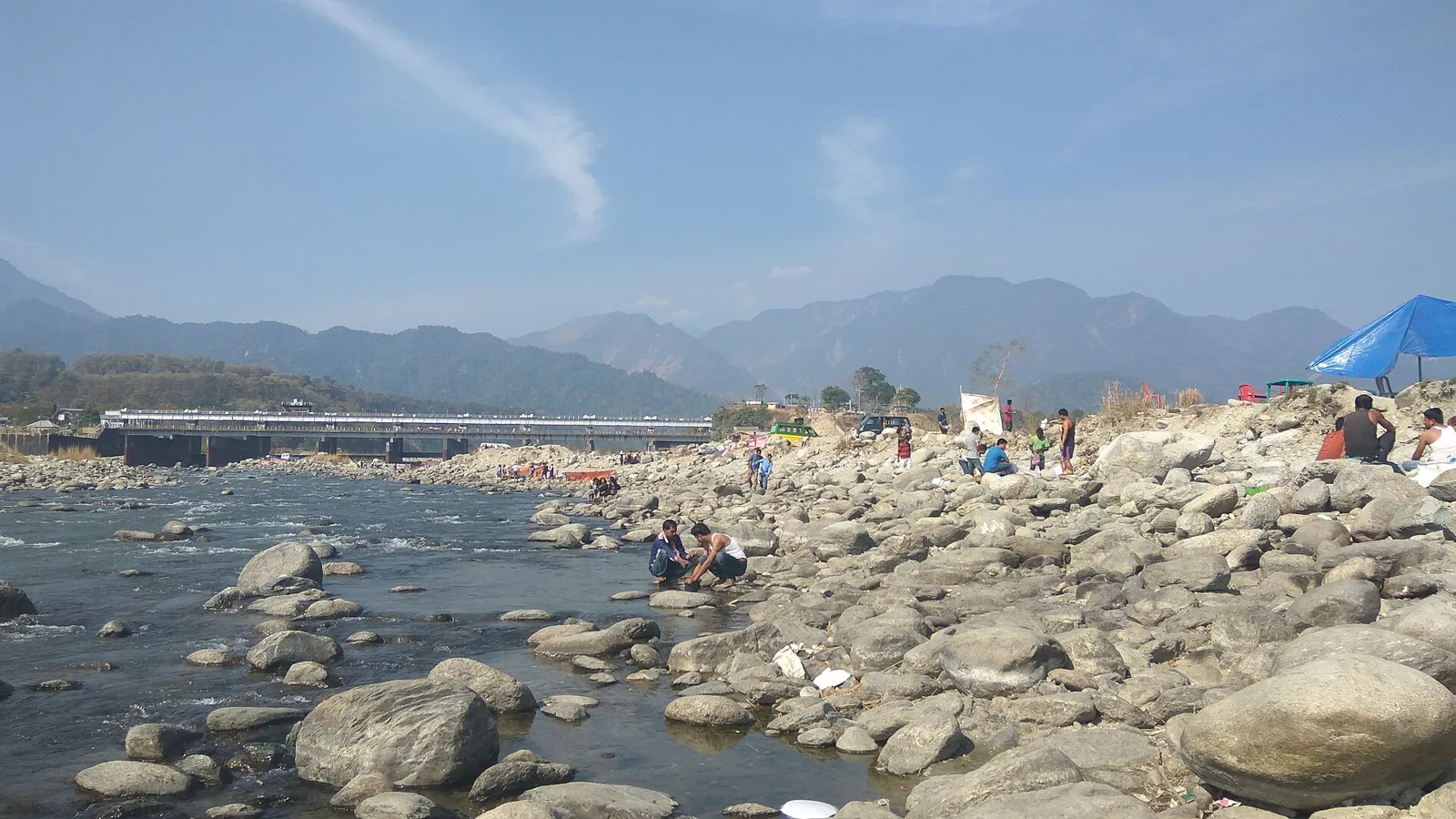
Udalguri lies in northern Assam, where cultivated plains rise towards the Himalayan foothills along the Bhutan border. Paddy fields, tea gardens, villages and river corridors shape a landscape that feels different from Assam’s larger urban centres. The district was created from Darrang in 2004 and is now part of the Bodoland Territorial Region. Bodo communities are central to its cultural character, alongside Assamese-speaking, Nepali and other communities whose languages and traditions reflect the area’s diversity. Bhairabkunda, a popular picnic destination near the foothills, offers an accessible introduction to this setting. Udalguri is best approached as a rural, culturally varied district rather than a place of densely clustered sightseeing attractions.
Udalguri offers a view of northern Assam beyond its larger towns: cultivated plains, tea gardens and villages give way to foothills near the Bhutan border. It is part of the Bodoland Territorial Region, and Bodo communities are central to its cultural life, alongside Assamese-speaking, Nepali and other communities. The district is best known to visitors for its rural character and Bhairabkunda, a popular picnic spot near the foothills. It suits travellers interested in everyday life, varied local traditions and open landscapes more than those seeking a dense circuit of major monuments. Guwahati and Tezpur can serve as gateways for a visit.
The area now called Udalguri formed part of the wider Darrang region, whose past reflects changing powers in the Brahmaputra valley. The region came under Koch rule and later experienced Ahom influence; political control and local authority varied over time. British rule in Assam followed the Treaty of Yandabo in 1826, after which colonial administration reorganised the region. The area remained part of Darrang district through the colonial period and after independence. Bodo communities have longstanding ties to this landscape, and political movements for greater autonomy shaped modern administration in the region. The Bodoland Territorial Council was established under the 2003 settlement, and the Bodoland Territorial Region was created under the 2020 accord. Udalguri district was formed from Darrang in 2004 and became part of this evolving territorial arrangement. Its present identity therefore reflects both its place in the historic Darrang tract and the cultural and political importance of Bodo communities in Assam.
Food in Udalguri draws on Bodo traditions and the wider Assamese kitchen. Rice is the staple, accompanied by vegetables, fish and meat according to household and community preferences. Across Assam, familiar dishes include masor tenga, a tangy fish curry, khar preparations and aloo pitika, or mashed potato; pitha rice cakes are associated with seasonal celebrations. Bodo food traditions include pork, leafy greens and fermented ingredients, though availability varies between eateries. Assam tea is a familiar refreshment. Vegetarian travellers should explain their requirements clearly. Around picnic sites such as Bhairabkunda, carry drinking water and snacks rather than assuming restaurants will be available.
Handloom weaving is an important part of Bodo cultural life in Udalguri and the wider Bodoland region. Recognisable textiles include the dokhona, a traditional women’s garment, and the aronai, a patterned scarf used in cultural and ceremonial settings. Contrasting colours and geometric motifs feature prominently in many woven pieces. Eri silk weaving and bamboo and cane work belong to Assam’s broader craft traditions rather than being exclusive to Udalguri. When buying textiles, ask whether a piece is locally handwoven and enquire about its fibre and maker.
Bwisagu, the Bodo spring festival, is generally celebrated around April with music, dance and community gatherings. Assamese Bihu celebrations, particularly Bohag Bihu in spring, are also part of the wider regional calendar. Durga Puja and Eid are observed by communities across the district, with local customs varying from place to place. Festival periods can bring more activity to towns and villages, and accommodation may be busier around larger celebrations. Events are often locally organised, so visitors should check with their host or local authorities for current information rather than assume a fixed public programme.
Elsewhere in Assam
Udalguri’s terrain runs from cultivated plains in the south towards the Himalayan foothills on the Bhutan side. Paddy fields, tea gardens, settlements and patches of woodland make up much of the accessible landscape. Rivers and seasonal streams cross the district, shaping local roads and fields; water levels can rise during the monsoon. Bhairabkunda is associated with the foothill setting and is a popular place for day visits and picnics. Rural routes may be slower than the map suggests, especially after heavy rain, so allow time between towns and countryside stops.
The district has warm, humid summers, a rainy monsoon season and comparatively cooler, drier winters. The monsoon can make rural roads muddy or difficult and may affect travel plans. For comfortable outdoor visits, the cooler months from late autumn through winter are generally a good choice; spring can also be pleasant, though conditions become warmer. Carry light clothing, sun protection and drinking water in warm weather, plus a light layer for cooler mornings and evenings in winter. During the rainy season, bring waterproof clothing and footwear with good grip, and check local road conditions before setting out.
Guwahati is the main regional gateway for long-distance air and rail journeys, with onward road connections to Udalguri. Tezpur Airport at Salonibari is another airport to consider for Bhairabkunda, subject to available flights. Udalguri railway station serves the district; the most convenient rail stop depends on your destination and available trains. Road approaches connect through the Mangaldoi and Rangiya areas. Buses and shared vehicles serve towns, while hired cars are useful for Bhairabkunda and rural stops. Allow extra time during heavy rain, and arrange return transport for quieter locations. Check current services locally.
Road travel is the practical way to move around Udalguri. The district’s towns and surrounding villages are linked by local roads, with connections towards Mangaldoi and Rangiya for onward journeys. Buses and shared vehicles serve some town routes, while availability can be limited for quieter rural locations. Taxis or a hired car are useful for reaching Bhairabkunda and allowing flexibility for a return journey. Autos may be available for shorter trips around town, but should not be assumed to serve every route. There is no need to plan on boat transport for the listed destination; check local conditions and arrange your return ride in advance.
2 days: Bhairabkunda; sleep in Udalguri town after the visit. 3 days: Bhairabkunda at an unhurried pace; sleep in Udalguri town each night.
Udalguri town is the most practical base for exploring the district and arranging road transport. It is also a convenient choice for a short visit focused on Bhairabkunda. Accommodation options in the district are generally modest, with hotels and guesthouses more likely in town; homestays or other local stays may be available by arrangement. Choices can be limited outside the main towns, so confirm availability before travelling, particularly during festivals or busy holiday periods. Do not assume that government lodges or dharamshalas are available near the destination.
Check weather and road conditions before travelling, particularly during heavy monsoon rain, when rural routes can become difficult. At Bhairabkunda, take care near rivers, uneven ground and wooded areas, and supervise children closely. Avoid drinking untreated water; carry sealed or properly treated water. Crowds may gather during holidays and festivals, so keep valuables secure and arrange transport back before it gets late. Mobile connectivity can be uneven outside towns. Ordinary visits to the listed destination do not call for assuming special permits, but check official guidance for any restricted forest or border-area access. Do not cross into Bhutan without the required authorisation.
- Darrangabout 43 km
- West Kameng · Arunachal Pradeshabout 46 km
- Morigaonabout 72 km
- Sonitpurabout 73 km
- Pakke-Kessang · Arunachal Pradeshabout 77 km
- Tawang · Arunachal Pradeshabout 81 km
- Kamrup Metropolitanabout 91 km
- Kamrupabout 94 km
Straight-line distance between the centres of each district's destinations; road distance is longer.
Q: How many days should I spend in Udalguri? A: Two days can cover a visit to Bhairabkunda at a relaxed pace; allow longer if you want unhurried time in the countryside. Q: When is the best time to visit? A: The cooler, drier months from late autumn through winter are generally most comfortable for road travel and outdoor visits. Q: What is the best base for exploring? A: Udalguri town is the most practical base for local transport and a visit to Bhairabkunda. Q: How do I get to the district? A: Guwahati is the main regional gateway for onward road and rail connections; Tezpur Airport may also be useful, depending on available flights and your destination. Q: Is Udalguri suitable for families or elderly travellers? A: Yes, with planning. Choose a comfortable road itinerary, check access conditions, and take extra care around rivers, uneven ground and during rainy weather.
This page draws on our 1 destination guides for Udalguri and is updated as our team checks it.
Be the first to share photos, stories, advice or a helpful contact for Udalguri.
Loading…