Ghumoopedia — Explore, Discover, Experience
Sign in
Agnigarh, Assam

State · Northeast India

Assam

The Brahmaputra valley of tea gardens, river islands and one-horned rhinos.

Capital
Dispur
Districts
20
Destinations
43
Plan a trip in Assam

Overview

Understanding Assam

Culture

Sattriya dance and the Vaishnavite satras of Majuli.

Food

  • Masor tenga
  • Pitha

Festivals

  • Bihu
  • Ambubachi Mela

Experiences here

  • Wildlife
  • Spiritual
  • Tribal
  • Festivals

Verified by the Ghumoopedia editorial team on 21 Nov 2026. Written and reviewed by Ghumoopedia's editors. Timings, fees and permits can change, so check them with the managing authority shortly before you travel.

The complete guide

Assam: a traveller's guide

Why visit

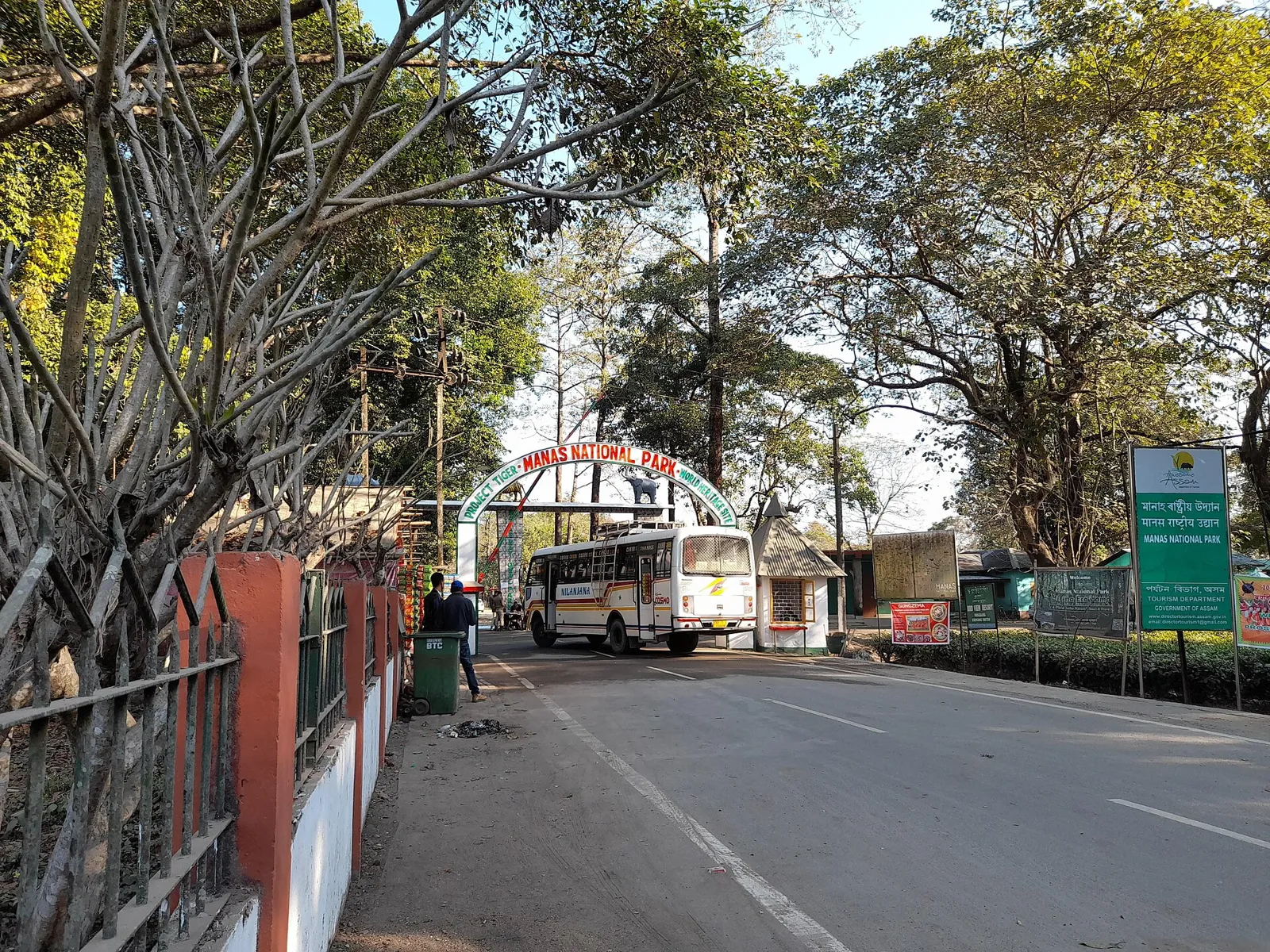
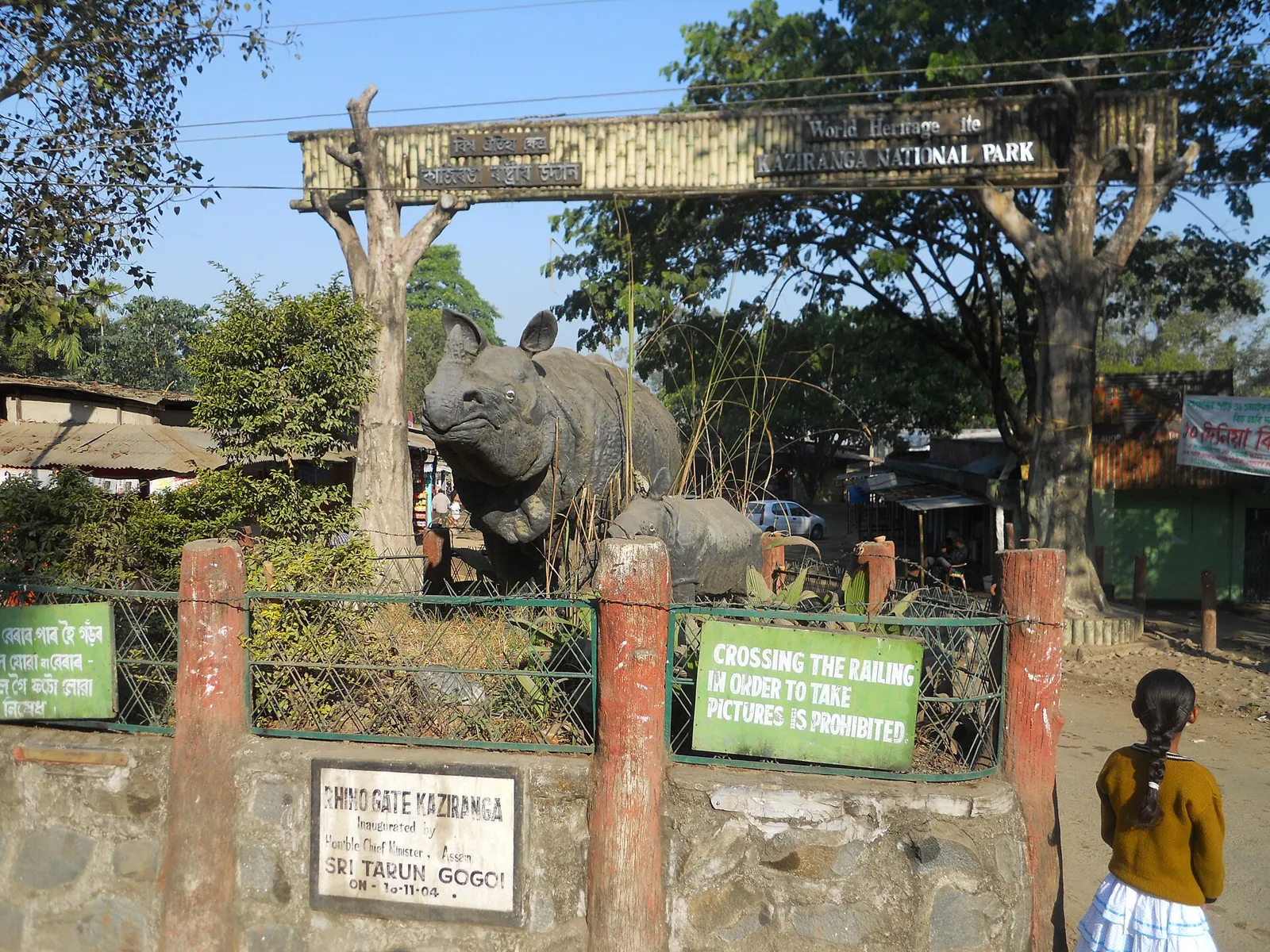
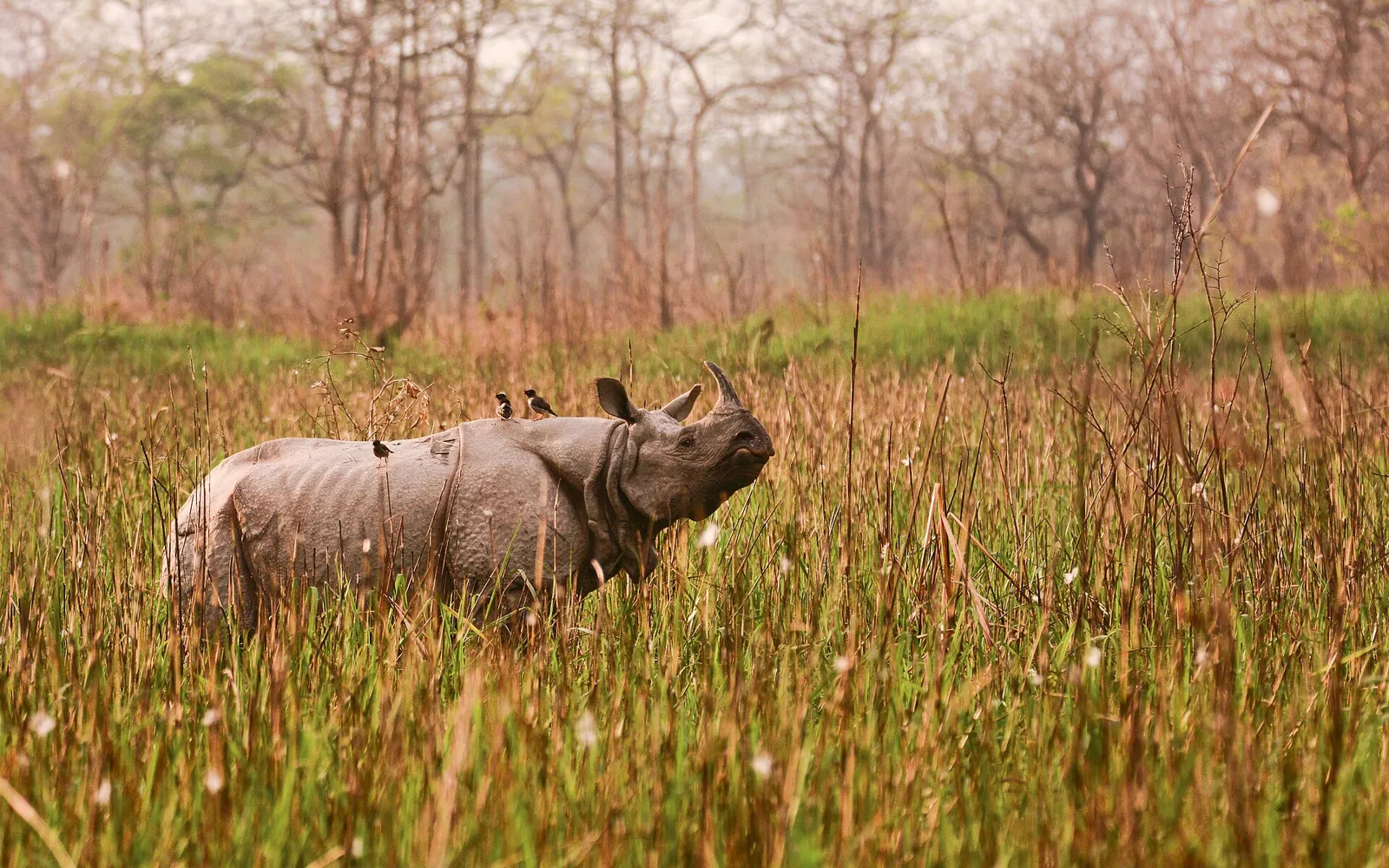
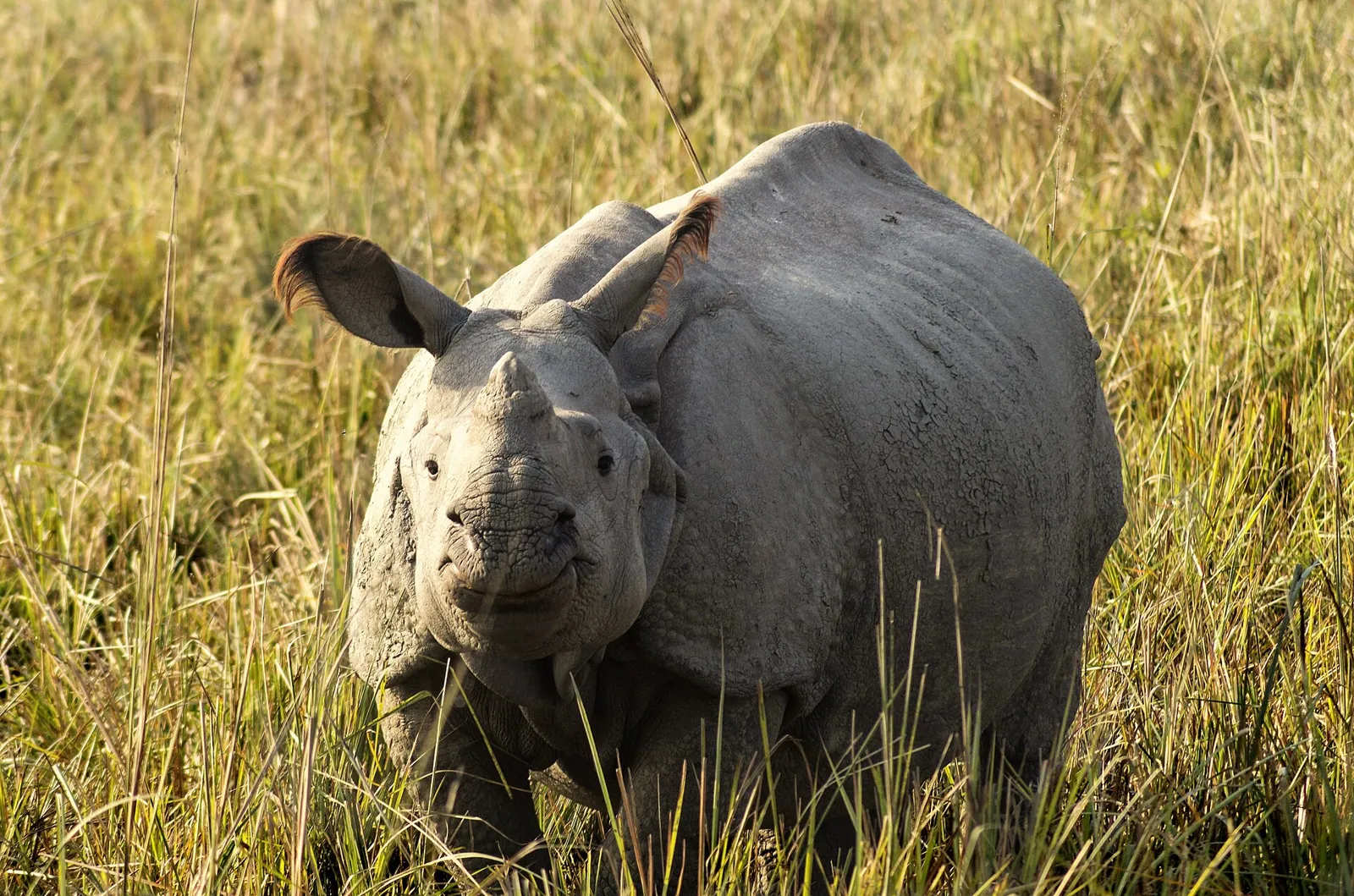
Assam offers a distinctive mix of river landscapes, wildlife, living religious traditions and everyday tea-country life. The Brahmaputra, one of Asia’s great rivers, shapes journeys through floodplain villages, sandbars and river islands such as Majuli. In Kaziranga National Park, one-horned rhinoceroses graze in grasslands, while Manas and other protected areas offer forests and varied wildlife. Tea gardens and historic towns add a different pace, from Dibrugarh and Jorhat to the Ahom monuments around Sivasagar and Charaideo.

The state suits many kinds of trip: wildlife watching, birding, cultural visits, short city breaks and slower journeys through the countryside. Guwahati is a practical starting point for Kamakhya Temple, Umananda and the Brahmaputra; Majuli appeals to visitors interested in satras and river life. Hill country around Haflong and Dima Hasao brings another perspective. Distances can be long, and seasonal river conditions affect plans, so Assam rewards travellers who allow time for changing scenery rather than trying to cover everything in one rush.
Landscape & climate

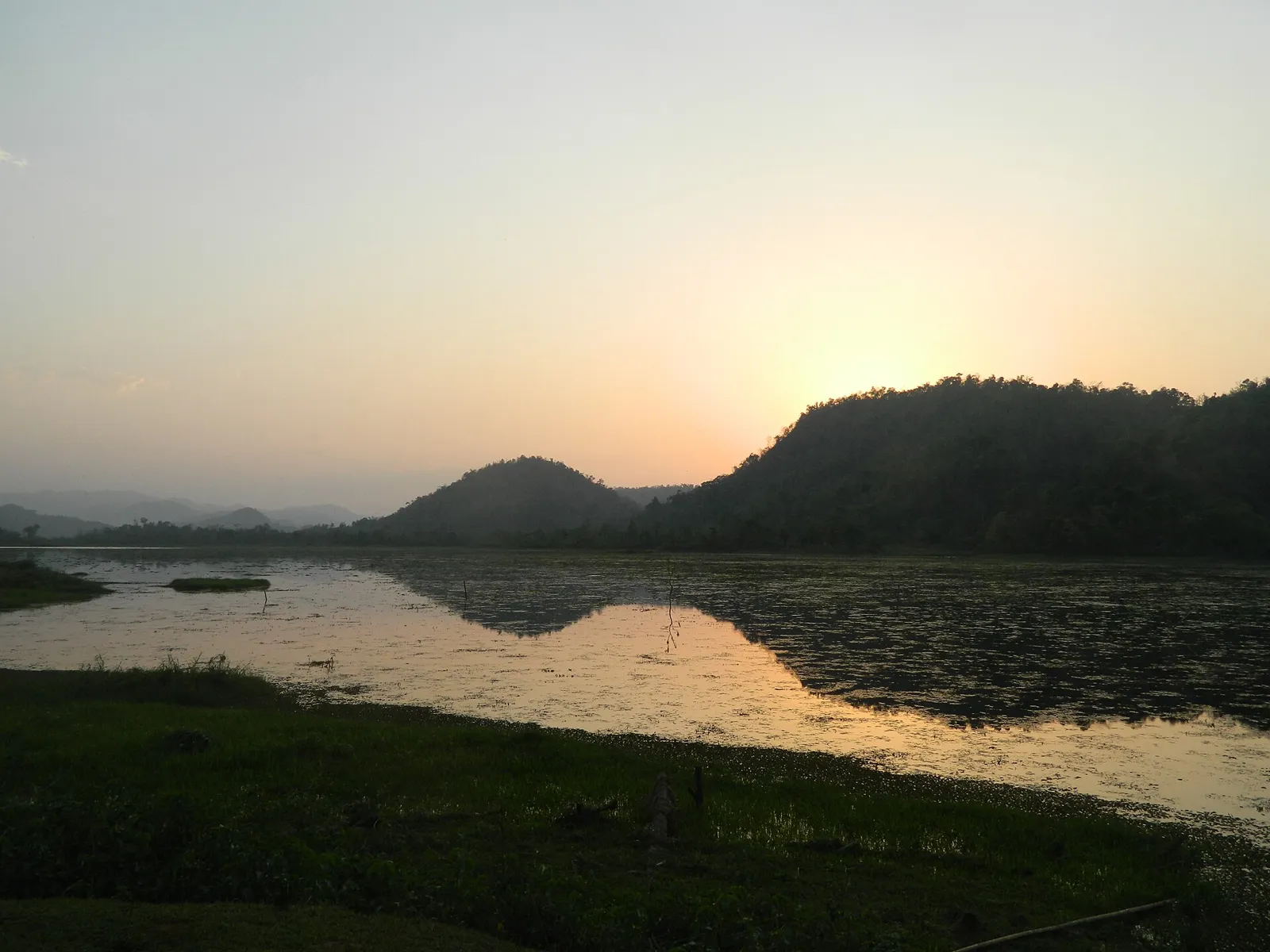
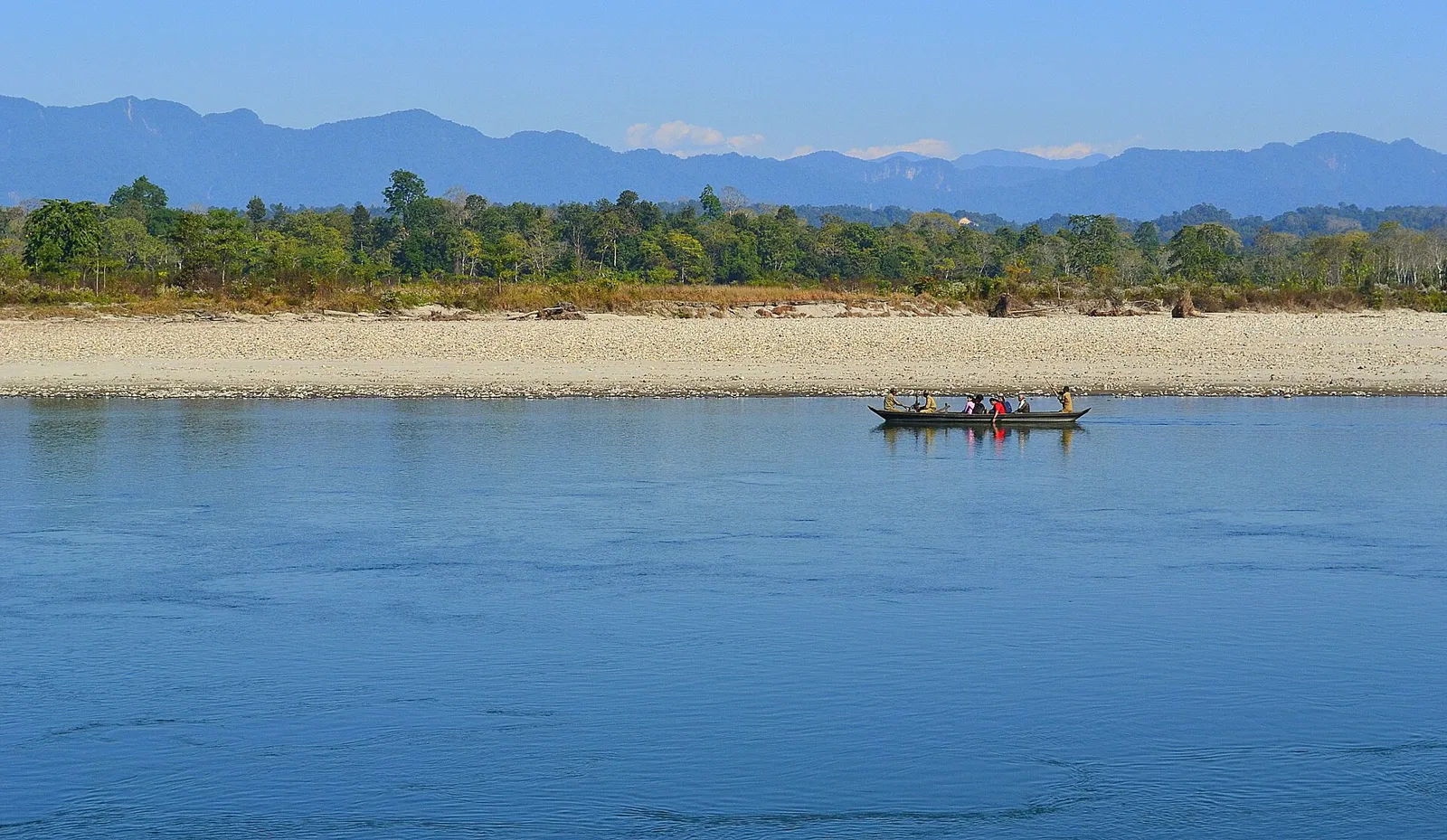
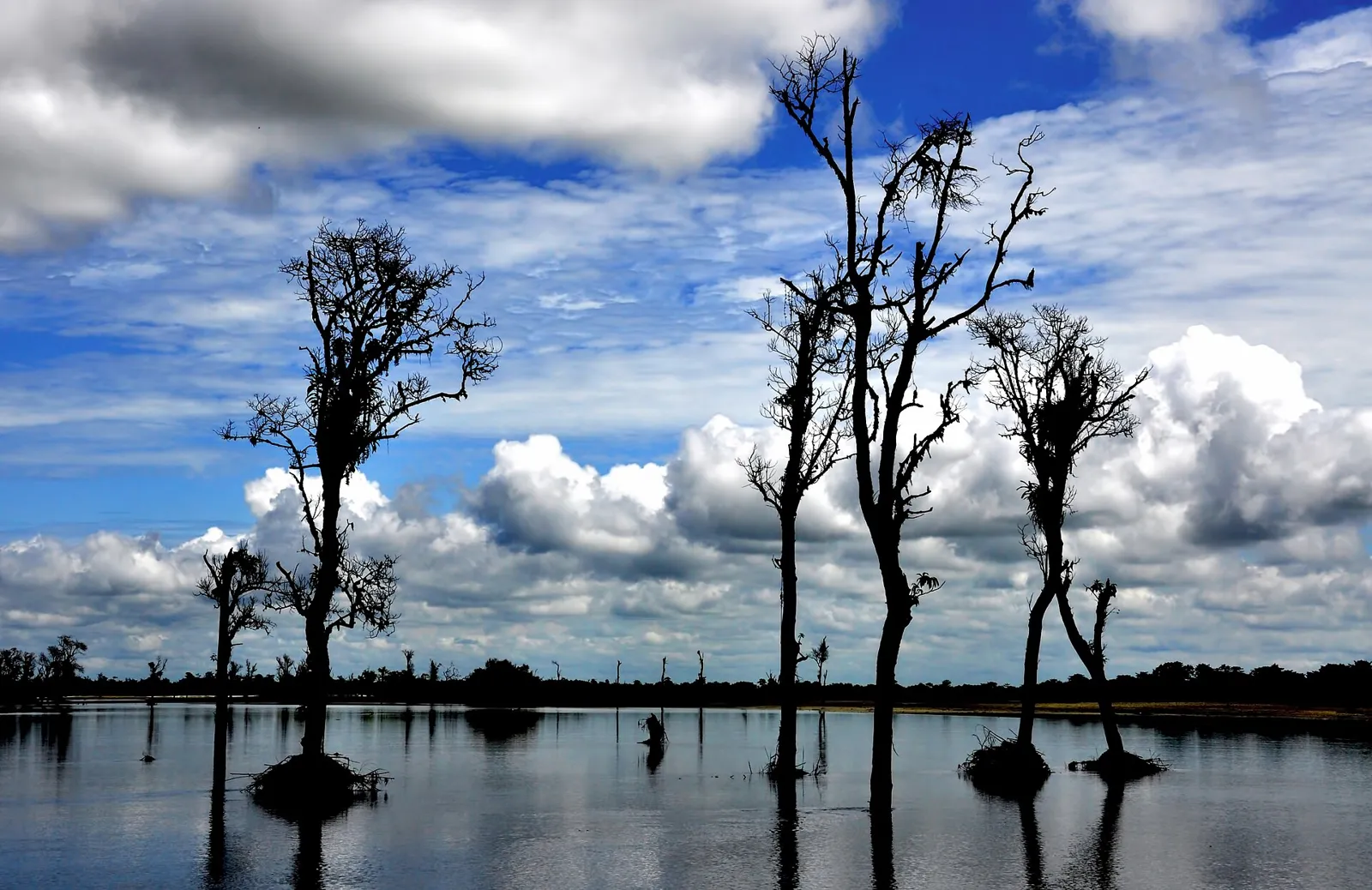
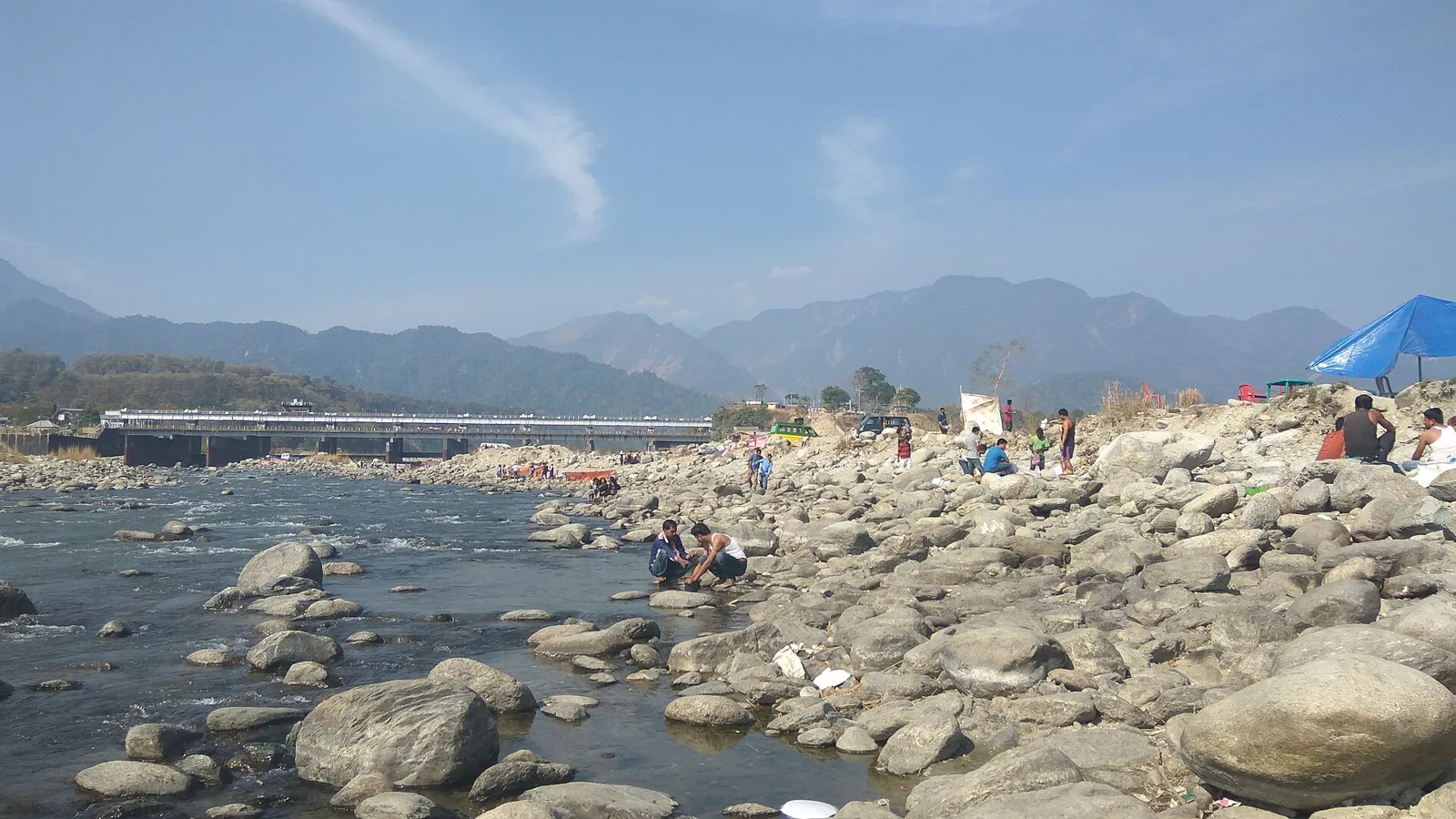
The Brahmaputra valley runs broadly east to west through Assam, bordered by Himalayan foothills to the north and hills to the south. Its broad floodplain holds wetlands, grasslands, villages and tea-growing areas, as well as riverine sandbars that shift with water levels. The Brahmaputra and its tributaries, including the Subansiri, Manas and Dhansiri, influence settlement, farming and travel. Majuli is a large inhabited river island; Dipor Bil near Guwahati and Chandubi Lake in Kamrup are among the state’s notable wetland and lake landscapes.

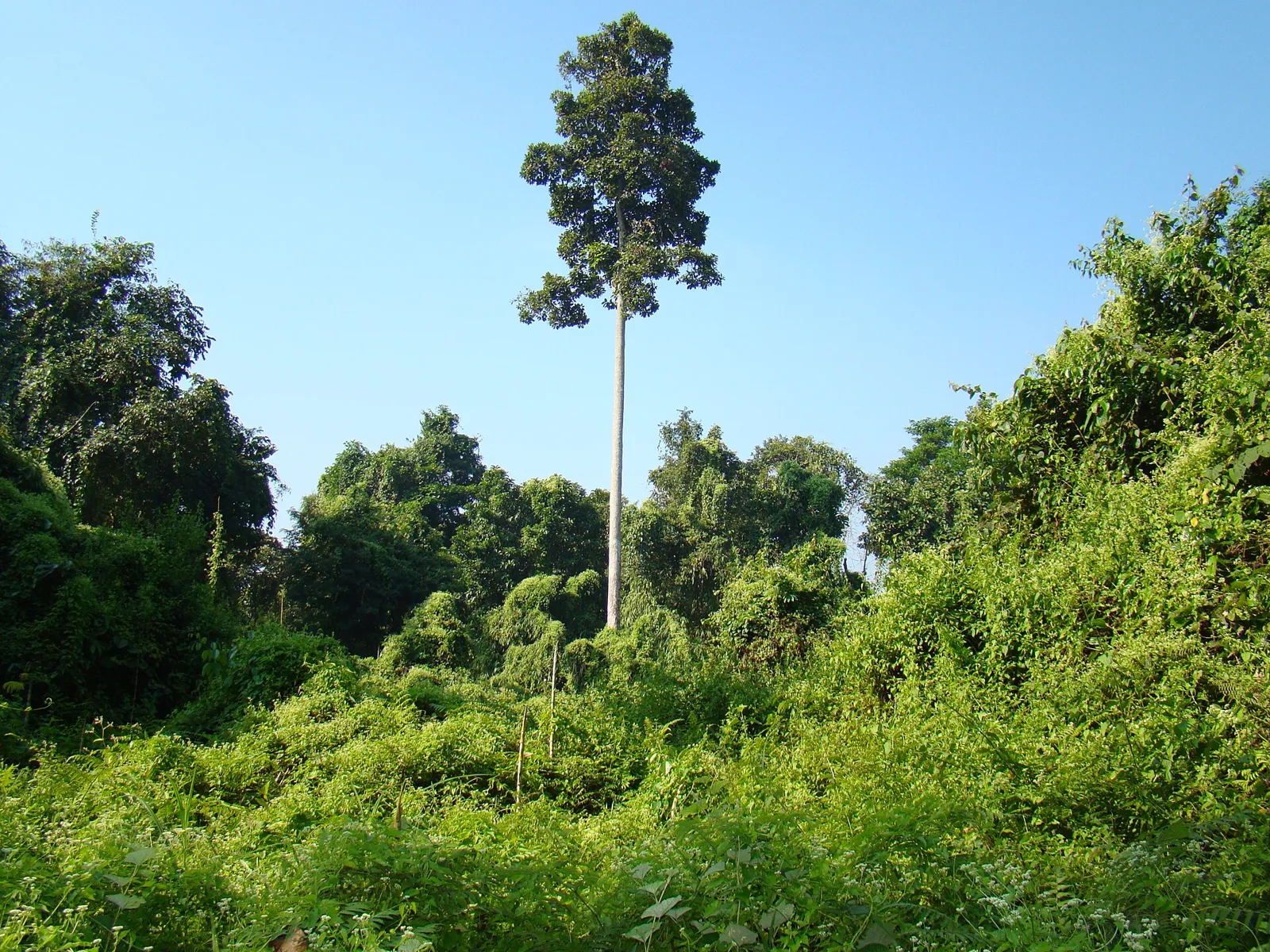
Assam’s eastern districts contain extensive tea country and forests, including Dibru-Saikhowa and the wooded foothills around Nameri. Kaziranga and Orang protect floodplain habitats, while Manas lies near the Bhutan border. In the south and centre, the terrain rises into forested hills; Dima Hasao’s highlands include Haflong, the state’s principal hill town. The climate is humid and strongly seasonal. The monsoon, usually from June into September, brings heavy rain and can cause flooding, erosion and disruption. Winters are generally cooler and drier, while pre-monsoon months can be warm, humid and stormy. Conditions vary between the valley, hills and foothills, and river levels change the character of many places.

History & heritage

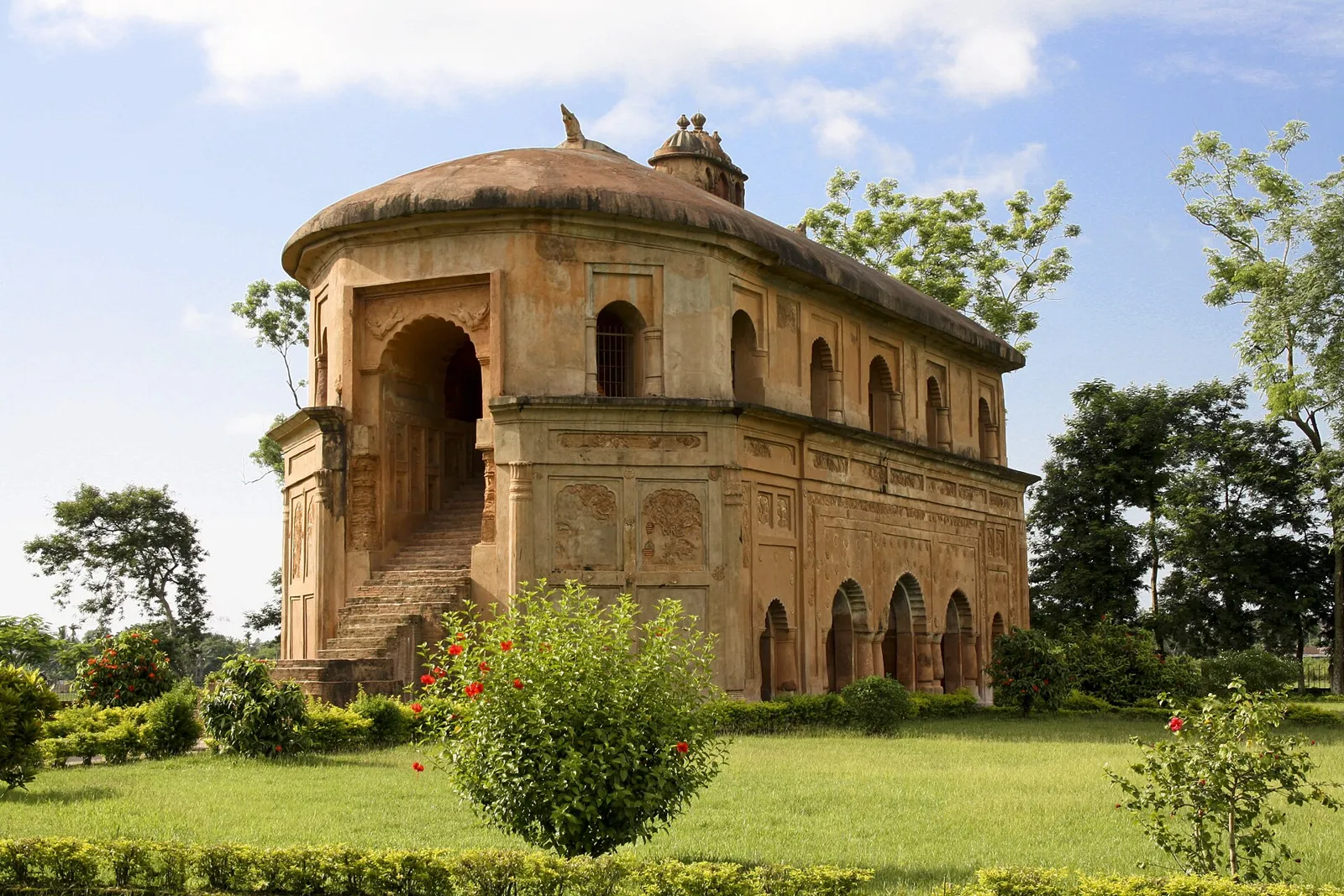
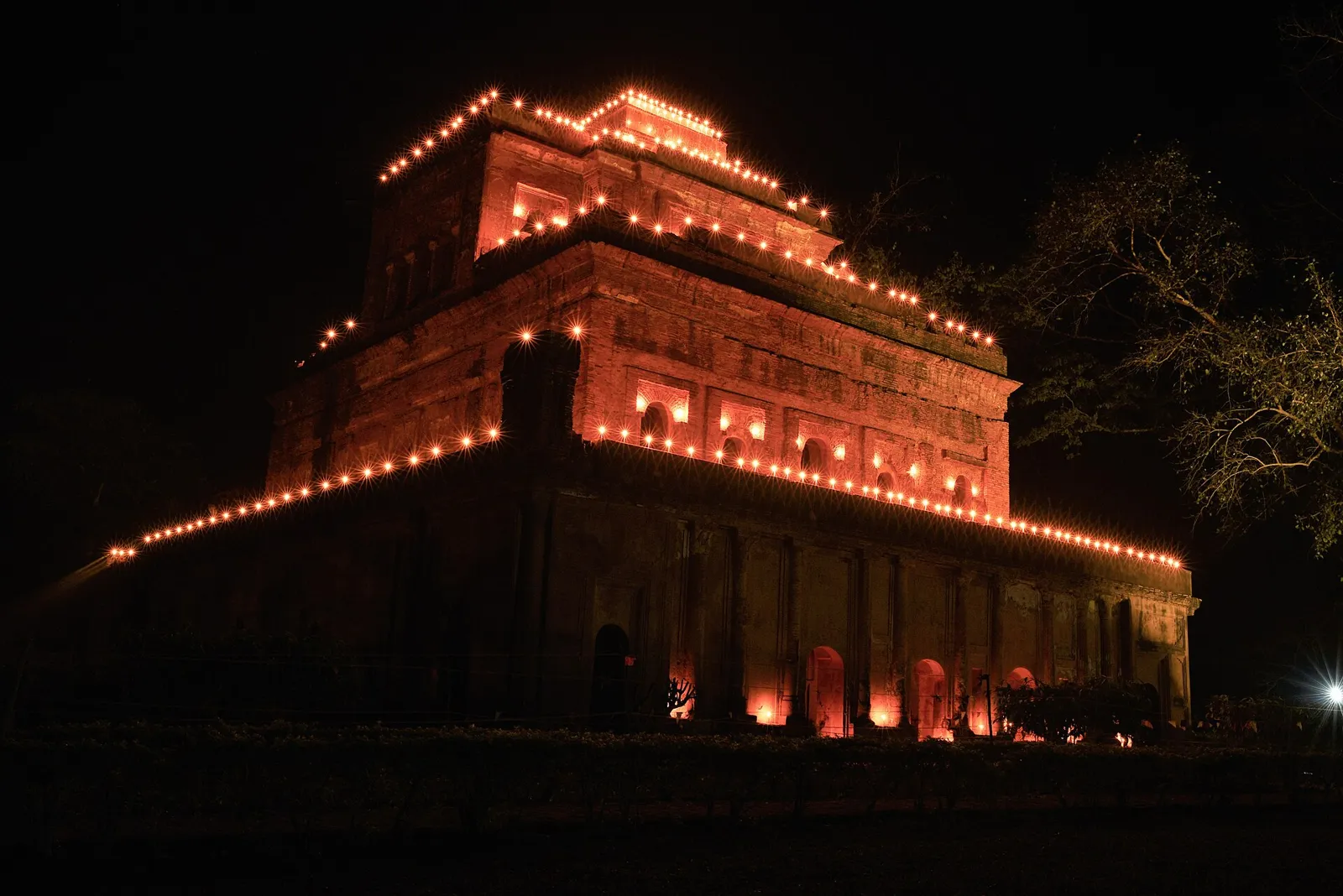
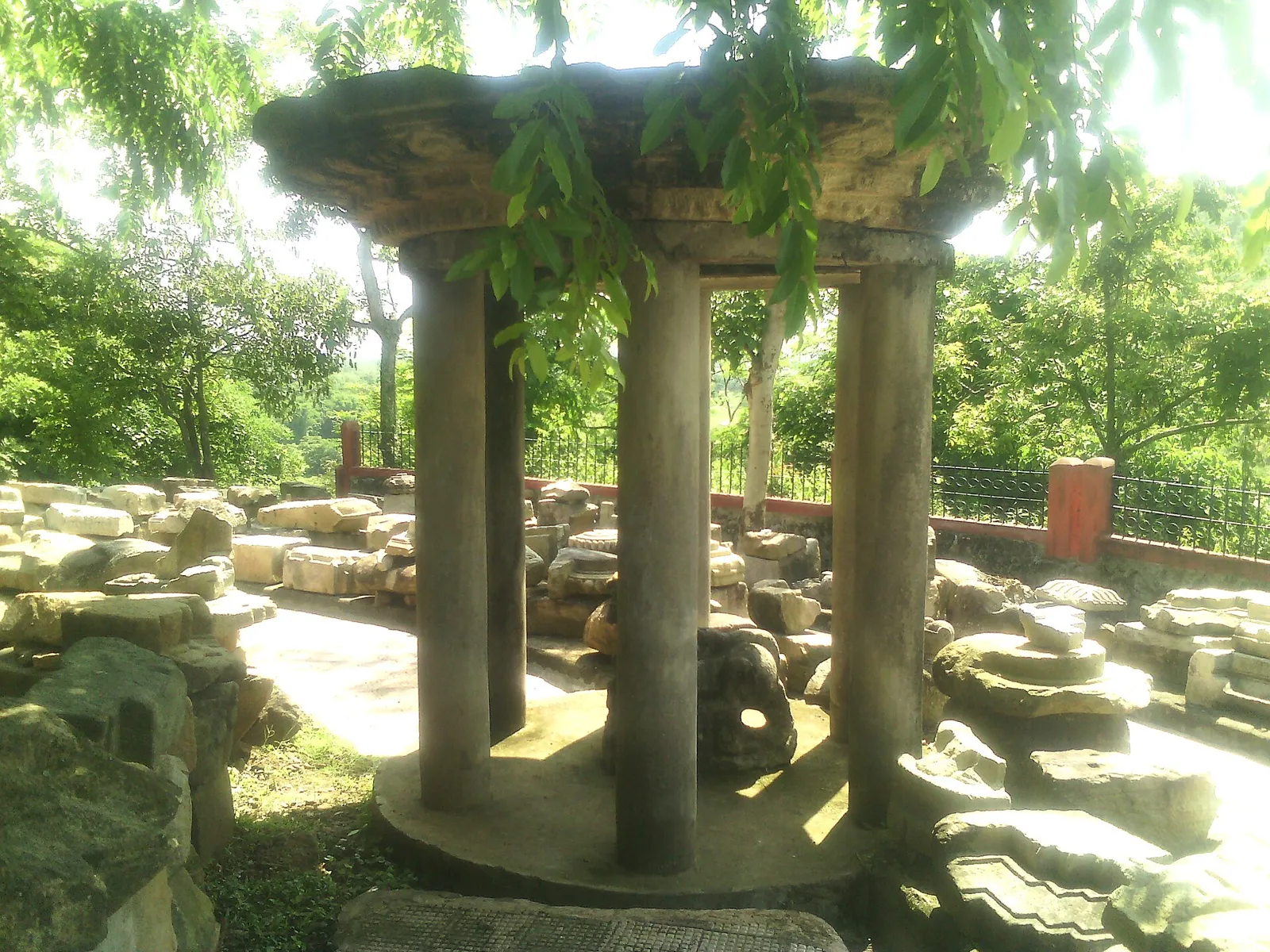
Assam’s past reaches back to ancient kingdoms of the Brahmaputra valley. The region was associated with Pragjyotisha and Kamarupa, names found in literary and historical traditions, and developed as a centre of varied political and religious life. Archaeological remains at sites such as Madan Kamdev and Sri Surya Pahar reflect long histories of temple building and worship. From the thirteenth century, the Ahom kingdom established a powerful state in the upper valley. Ahom rulers governed for centuries, developing distinctive administrative practices and leaving monuments around Sivasagar, including Rang Ghar, Talatal Ghar, Kareng Ghar and the Sivadol complex. Charaideo’s royal burial mounds, or maidams, are a significant part of this heritage.

The arrival of the British followed the Treaty of Yandabo in 1826, after the First Anglo-Burmese War. Colonial rule expanded tea cultivation, introduced new commercial and administrative systems, and brought workers from other parts of India to the plantations. Assam’s tea industry became globally important, while colonial-era migration and changing land use reshaped its society. The region also participated in the wider Indian freedom movement. After independence, Assam became a constituent state of the Republic of India in 1950. Subsequent administrative reorganisations created several states in the Northeast and altered Assam’s boundaries. The state’s contemporary identity reflects this layered history: ancient and medieval sites, Ahom architecture, colonial tea estates and a diverse modern society. Visitors can encounter these strands in Guwahati’s museums, Sivasagar’s monuments, Barpeta Satra and the satras of Majuli, as well as in towns and villages across the valley.

Culture, people & festivals

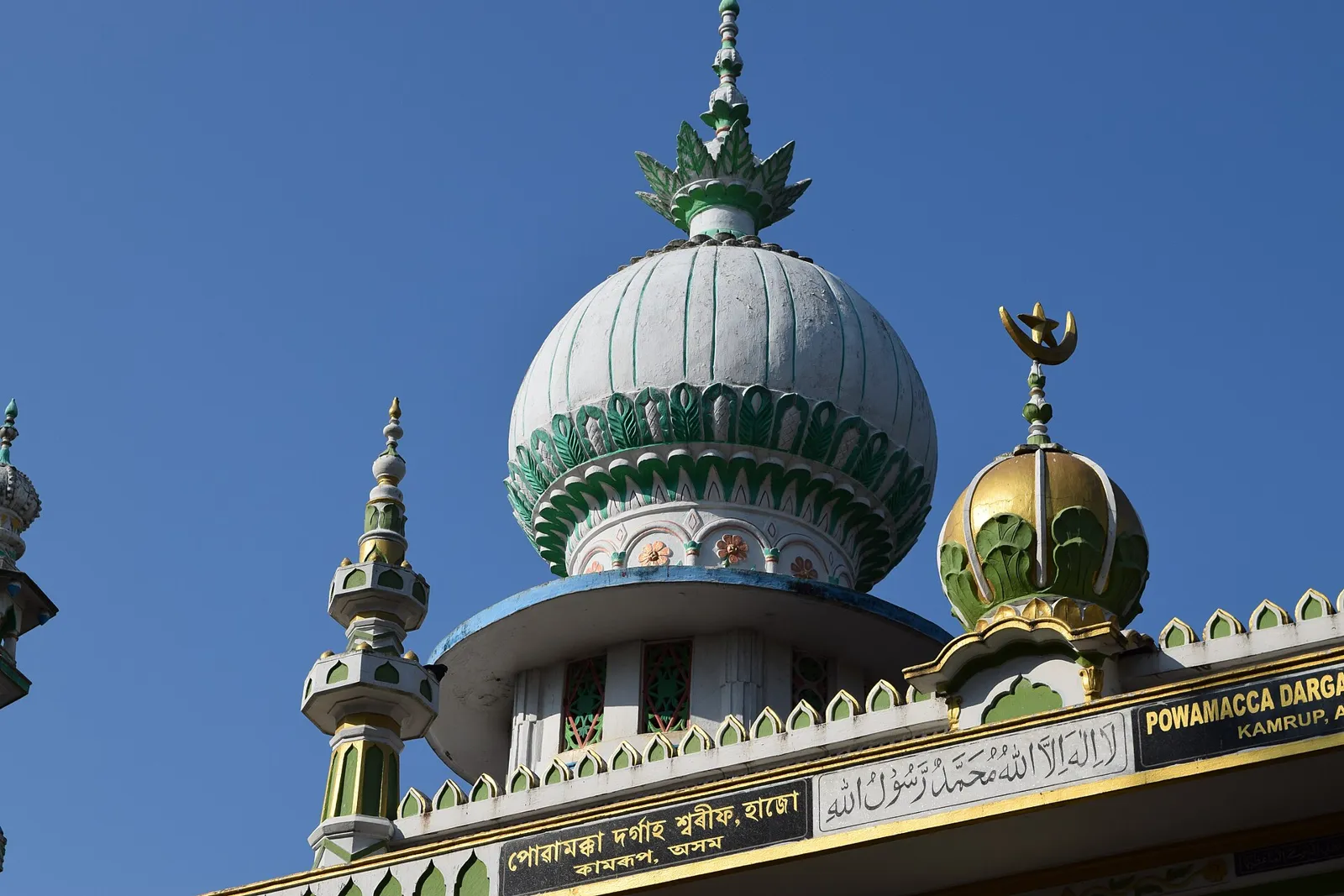
Assam is home to many communities and languages. Assamese is widely spoken, alongside Bodo, Bengali, Mising, Karbi, Dimasa, Rabha, Tiwa, Deori and other languages. Religious life includes Hindu, Muslim, Christian and Buddhist communities, as well as Indigenous practices and traditions. The Vaishnavite movement associated with Srimanta Sankardev shaped devotional music, drama and the satras, or monastic institutions. Majuli’s Auniati and Kamalabari satras are important places to learn about this heritage. Sattriya, a classical dance form that developed in the satras, is performed alongside diverse folk dances and musical traditions.

Bihu is Assam’s best-known festival cycle. Rongali, or Bohag Bihu, usually falls in April and welcomes the Assamese New Year and spring with dancing, music and community gatherings. Kati or Kongali Bihu, generally in October, has a quieter agricultural character, while Magh or Bhogali Bihu, in January, centres on harvest feasts and communal celebration. Ambubachi Mela, usually held in June at Kamakhya Temple in Guwahati, draws pilgrims and visitors. Other celebrations include Ali-Aye-Ligang, observed by many Mising communities around February or March, and Bwisagu among Bodo communities, around April. Festival dates follow local calendars and can vary; respectful visitors should follow hosts’ guidance about photography, worship spaces and participation.

Food & flavours

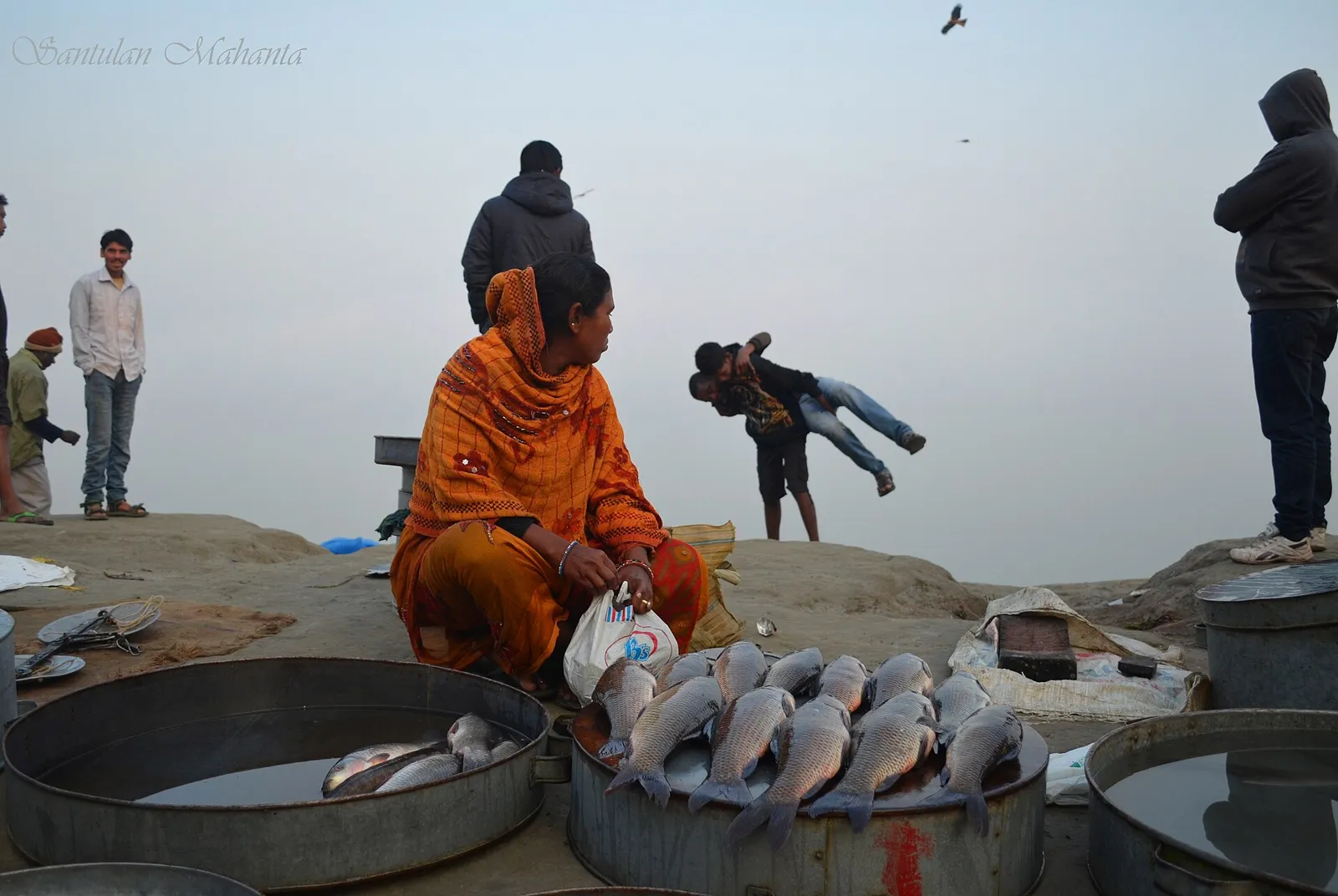
Rice is central to Assamese meals, served with vegetables, greens, fish and dishes that balance sour, bitter and savoury flavours. Masor tenga is a light, tangy fish curry, often flavoured with ingredients such as tomatoes, lemon or sour fruit. Khar, named for its distinctive alkaline ingredient, is another characteristic preparation, while seasonal xaak (leafy greens) and simple vegetable dishes are common. Fish from rivers and wetlands is widely enjoyed, though menus and ingredients differ between communities and locations. Duck, chicken and pork also feature in some regional and community cuisines; travellers can ask about ingredients and preparation when choosing a meal.

Pitha, made in many shapes and styles from rice, is especially associated with Bihu. Til pitha is filled with sesame and jaggery, while ghila pitha is a fried rice-flour cake; recipes vary by household. Laru, sweet balls often made with coconut or sesame, and jolpan—a light combination of rice preparations, curd and jaggery—are popular snacks and festive foods. Assam’s tea is part of daily life, from a simple cup in a roadside stall to tastings on an estate. In the hills and across the valley, local ingredients and food customs reflect the state’s many communities, so menus can change substantially from one area to another.

Crafts, textiles & what to buy

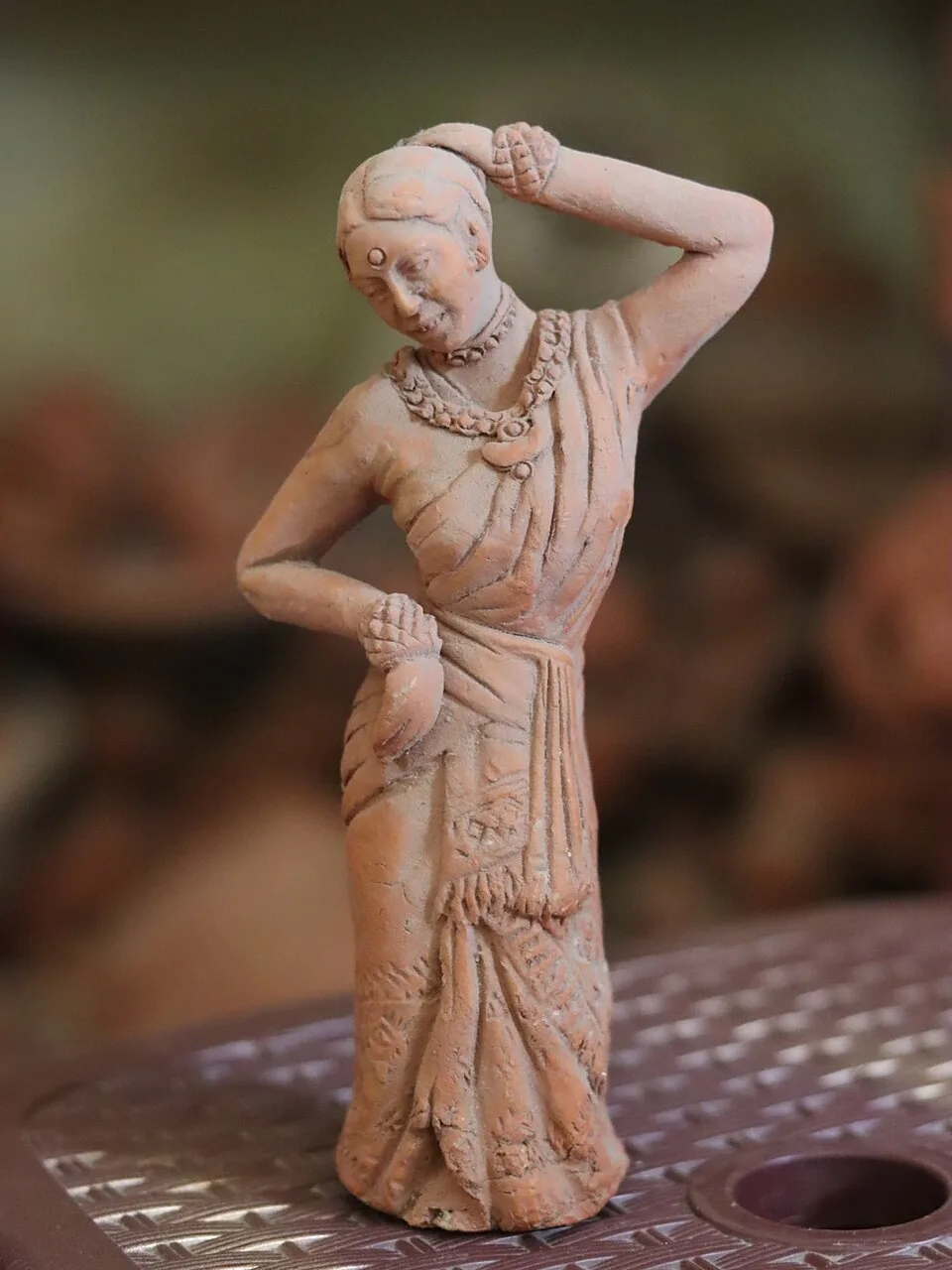
Assam’s best-known textile is muga silk, a naturally golden silk traditionally produced in the state and woven into mekhela chadors, scarves and other garments. Eri and pat silk are also valued. Handloom weaving is part of everyday and ceremonial life, especially in villages, and designs and techniques vary between communities. The gamosa, a woven cloth used in hospitality, worship and Bihu celebrations, is an emblem of Assamese identity. Assam’s gamosa has a Geographical Indication (GI) tag, as do products including Muga silk and Assam Orthodox Tea.

Look for handwoven textiles in Guwahati, Sualkuchi—often called a silk-weaving centre—and local markets in towns across the valley. Majuli is known for traditional mask-making and manuscript painting connected with satra culture; Majuli masks and Majuli manuscript painting have GI recognition. Other GI-tagged regional products include Boka Chaul, Joha rice and Kaji Nemu, the fragrant Assamese lemon. Tea is widely available in estate shops and town markets, though packaging and provenance differ. Ask sellers about the maker and materials, and favour items made locally. For wildlife and forest products, avoid buying anything derived from protected species or collected from the wild.

Getting there & getting around

Lokpriya Gopinath Bordoloi International Airport at Guwahati is Assam’s main air gateway. Other airports serving parts of the state include Dibrugarh’s Mohanbari Airport, Jorhat, Silchar, Tezpur and Lilabari near North Lakhimpur; routes and services vary. Guwahati is the principal rail hub, with other useful stations including Dibrugarh, New Tinsukia, Jorhat Town and Silchar. Rail access is useful for longer journeys, but the best station depends on the destination and current connections. Check current transport information before setting out.

National Highway 27 links Guwahati with western and eastern parts of the state and forms part of a major east–west corridor. National Highway 15 serves the north-bank route, while National Highway 6 connects areas towards southern Assam. Road journeys are a practical way to reach towns, parks and hill areas, but travel times can be affected by weather, traffic and road conditions. In cities and larger towns, taxis, app-based services where available, auto-rickshaws and local buses help with short trips. Shared vehicles and buses link many towns. Ferries cross the Brahmaputra and connect with places such as Majuli; services and landing points can change with river levels, so verify local arrangements. For remote parks or villages, arrange transport with a reputable local operator and allow flexibility.

When to go & travel tips

For much of the Brahmaputra valley, November to April is generally the most comfortable period for sightseeing, with cooler, drier winter months particularly suitable for wildlife visits. Winter and early spring can also be rewarding in tea-growing areas. The monsoon brings lush scenery but heavy rain, high river levels and possible flooding; park access and ferry crossings may be affected. For Dima Hasao and other hill areas, check local weather and road conditions before travelling, especially during and just after the rains. Festival trips are memorable, but confirm dates locally because observances follow regional calendars.

Pack light, breathable clothing, a rain layer and sturdy footwear; add warmer layers for winter mornings and hill travel. Use sun protection and insect repellent, and carry any regular medicines. Ask before photographing people, ceremonies or religious spaces, dress respectfully at places of worship, and remove footwear where requested. Follow wildlife guides’ instructions and keep a safe distance from animals. Floods and fast-changing river conditions require caution: use established ferry services and do not enter swollen rivers or isolated wetlands. There is no single permit rule for every destination; confirm any current entry or access requirements with official park, district or transport authorities before travel.

Highlights

Where to begin

City by city

Cities & hubs of Assam

Every sight is grouped under its city — places within about 12 km together, day trips within 40 km alongside — even across district lines. Open a city to see its attractions.

See every city, town and village of Assam

Away from the cities — 7 more places by district

District discovery

Assam: 20 districts covered

Open a district to see its destinations and neighbours. More districts are added as our team writes them.

20 of 20 districts have destination guides

Destinations

Every guide in this state

Open a district to see its cities and towns, villages and places to see.

Baksa1 place

Places to see

Barpeta2 places

Villages

Places to see

Charaideo1 place

Places to see

Darrang1 place

Places to see

Dhubri1 place

Villages

Dibrugarh1 place

Cities & towns

Dima Hasao2 places

Cities & towns

Villages

Goalpara1 place

Places to see

Golaghat1 place
Jorhat2 places

Cities & towns

Kamrup4 places
Kamrup Metropolitan8 places
Kokrajhar1 place
Majuli3 places
Morigaon1 place
Nagaon1 place

Places to see

Sivasagar5 places
Sonitpur4 places
Tinsukia2 places

Cities & towns

Udalguri1 place

Places to see

Festivals & fairs

The calendar here

Full calendar

14 Apr 2027 – 15 Apr 2027

Bihu (Rongali)

Assam · Harvest

Assamese new year with Bihu dance and songs.

ProvisionalAssam

Festivals of Assam through the year

Usual season and where each is best known. Exact dates follow local calendars — linked festivals have dated guides.

  • BihuBohag (April), Magh (January), Kati (October); statewide.
  • Ambubachi MelaJuneKamakhya Temple, Kamrup Metropolitan district.
  • Majuli Raas LeelaNovemberMajuli district.
  • BaishaguAprilBodo community, Kokrajhar district.
  • Ali-Ai-LigangFebruaryMising community, in Dhemaji, Lakhimpur and Majuli.
  • RongkerDecember–JanuaryKarbi Anglong.
  • Jonbeel MelaJanuaryMorigaon district.
  • Dehing Patkai FestivalJanuaryTinsukia district.
  • Durga PujaStatewide.
From travellers and locals

Be the first to share photos, stories, advice or a helpful contact for Assam.

Loading…