Ghumoopedia — Explore, Discover, Experience
Sign in
Sivasagar Sivadol, near Dhemaji

City guide · Assam

Dhemaji

Dhemaji is the administrative headquarters of Dhemaji district in northern Assam. Its position on the north bank of the Brahmaputra makes it a service and trading centre for nearby towns and rural communities, with public offices, shops and transport links serving the wider district.

Famous for

  • Ghuguha Dol
  • Deori heritage
  • Mising culture
  • Ahom-era monuments
  • Riverine landscapes

Why Dhemaji matters

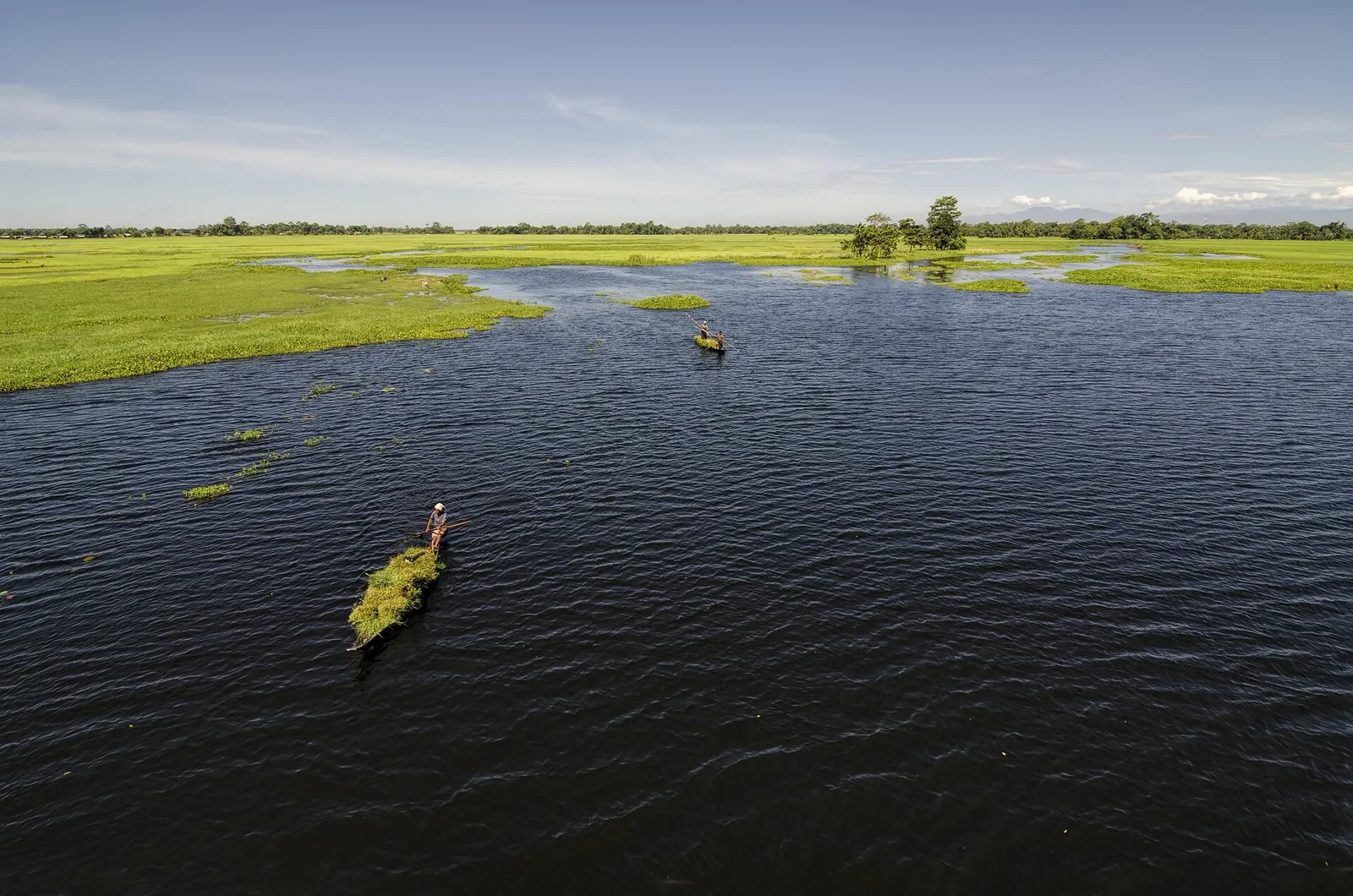
Dhemaji is the administrative headquarters of Dhemaji district in northern Assam. Its position on the north bank of the Brahmaputra makes it a service and trading centre for nearby towns and rural communities, with public offices, shops and transport links serving the wider district. The name is associated with the Deori words “Dema-ji,” meaning “great water,” a fitting reference to a landscape shaped by rivers and seasonal flooding.

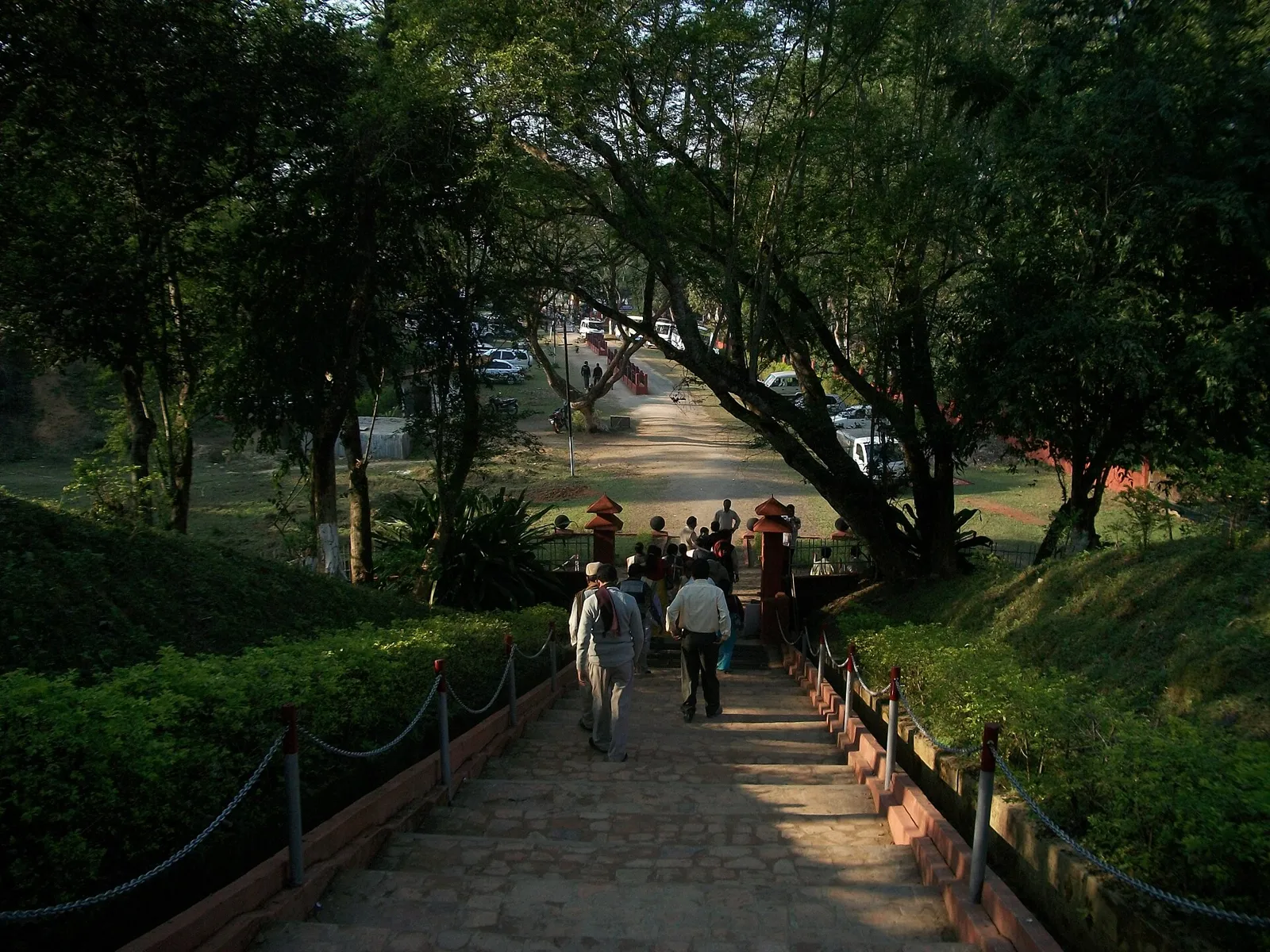
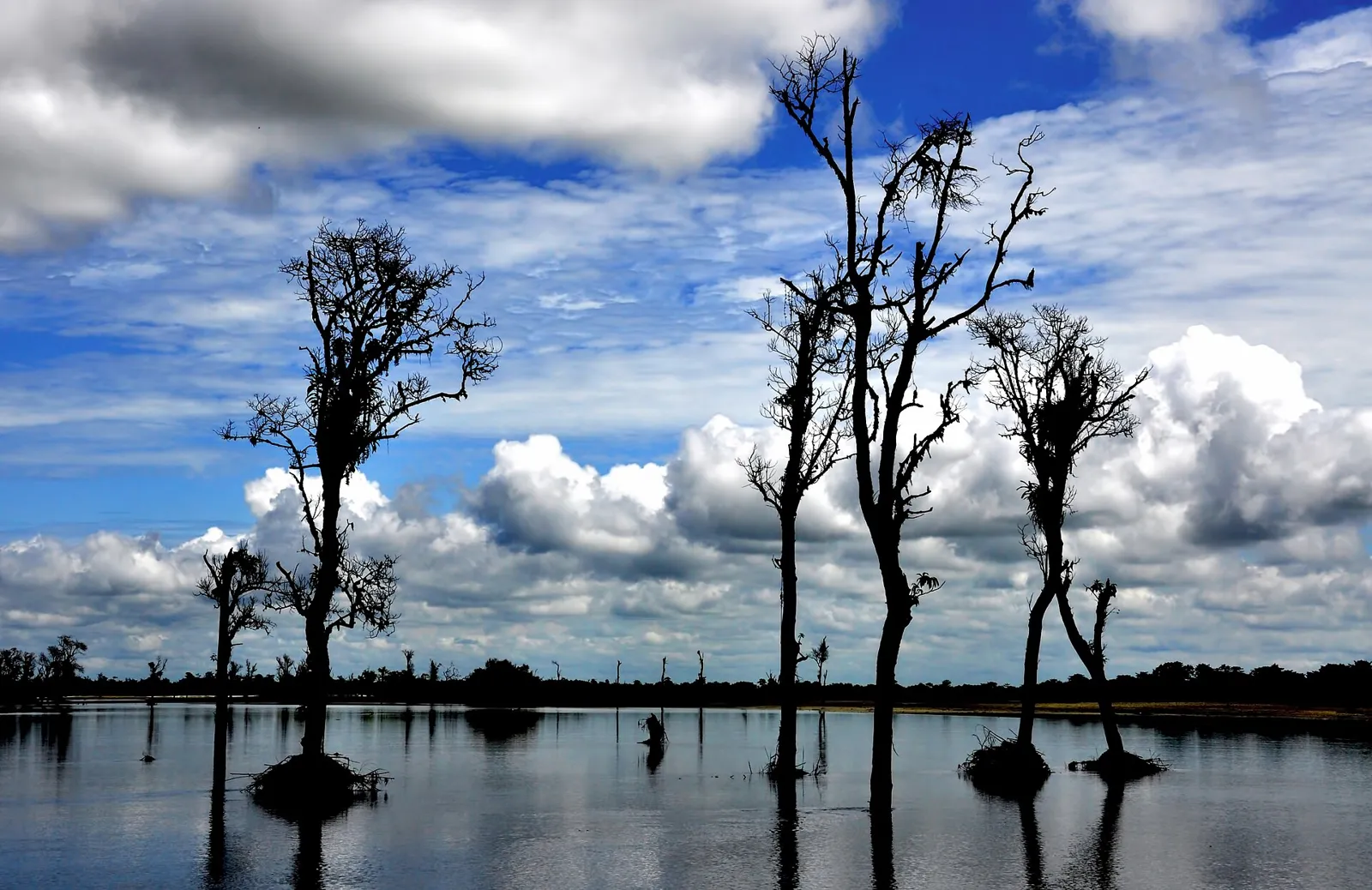
Visitors come for a quieter view of Assam’s river country and for glimpses of its layered history and living cultures. Sites such as Ghuguha Dol and local places of worship offer a sense of the area’s past, while nearby rivers, wetlands and foothills draw those interested in nature and village life. Assamese, Mising and Deori traditions are part of the district’s distinctive character. Dhemaji is less a conventional sightseeing hub than a useful base for exploring this less-visited corner of Assam, where seasonal rhythms, agriculture and river landscapes remain central to everyday life.
Famous for: crafts, trade & products

Dhemaji is not especially known for a single city-made textile, signature saree, GI-tagged product or large manufacturing industry. The local economy is closely tied to agriculture and district-level trade. Town shops and markets serve residents from surrounding settlements, with everyday goods and agricultural produce among the practical reasons people come into the centre.

Assamese handloom is part of the wider regional tradition: visitors may find garments such as mekhela chador and woven cloth in local shops, though particular designs or silk production should not be assumed to originate in Dhemaji. Bamboo and cane objects are also crafts associated with communities across Assam and may be encountered through local sellers. For a feel of what is available, browse the central bazaar and small retail streets, asking shopkeepers about the maker and place of origin. The district’s administrative offices, schools and public services are also important institutions in the town, which functions as a commercial and service centre rather than a specialised craft-production destination.

History

The area around present-day Dhemaji was once part of the Chutia kingdom. In 1524, it was annexed and brought under the Ahom kingdom. Remains associated with the former capital survive in the district, although they are not well preserved. Monuments and sacred sites including Ghuguha Dol, Ma Manipuri Than and Padumani Than reflect the patronage and religious life of different periods.

During the colonial era, the region became part of British-administered Assam; the town’s later development was shaped chiefly by its role as a local administrative and market centre. Roads and rail links helped connect the area with other parts of the Brahmaputra valley, while agriculture continued to underpin settlement and trade. In modern times, Dhemaji’s importance grew when it became the headquarters of a separate district, formed from Lakhimpur district in 1989. It now anchors government services and commerce for the surrounding communities, while its historical sites preserve traces of older political and cultural landscapes.

Food, festivals & culture

Rice is central to everyday meals, often served with vegetables, fish and seasonal greens. Assamese home cooking may include tangy fish tenga, while pitha and sweet or toasted rice-flour snacks are enjoyed during celebrations. Food habits vary across the district’s Assamese, Mising and Deori communities, and local markets reflect the region’s agricultural seasons.

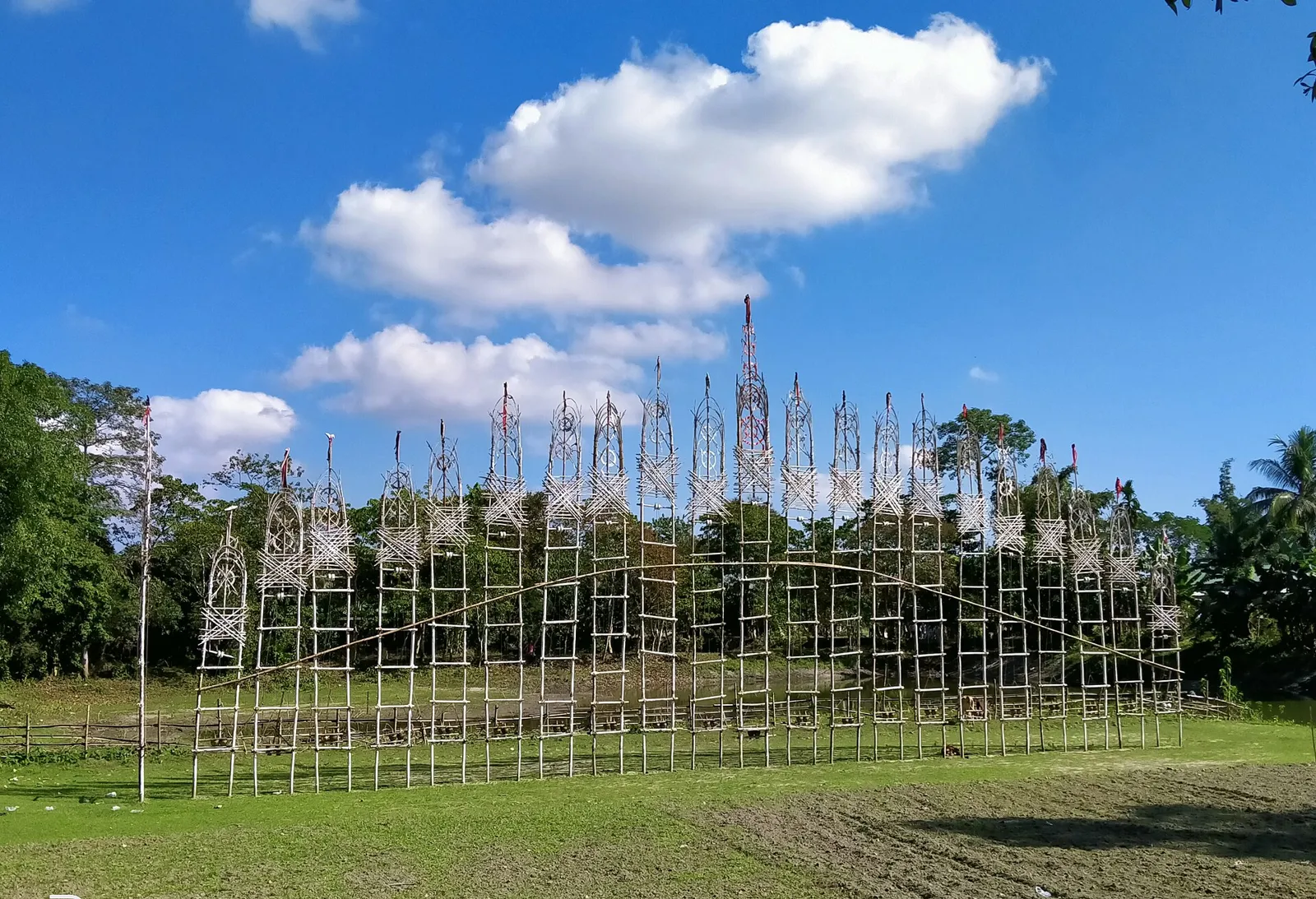
Bihu is celebrated through the year: Bohag Bihu in spring, Magh Bihu in midwinter and Kati Bihu in autumn. Mising communities also observe Ali-Aye-Ligang, a spring festival associated with sowing and accompanied by traditional music and dance. Assamese is widely used, alongside Mising and Deori in their communities. Bihu songs and dances are familiar across the area, while Mising cultural performances are an important part of local identity. Ghuguha Dol and local temples and thans provide places for worship and community observances; visitors should be respectful of customs at religious sites.

Visiting the city

October to April is generally the most comfortable period to visit, with cooler, drier weather than the rainy season. Monsoon months can bring heavy rain and flooding, so check local conditions before travelling. Lilabari Airport, near North Lakhimpur, is the nearest airport commonly used for the area; Dhemaji railway station is the town’s main rail stop.

Within town, taxis, auto-rickshaws and other local vehicles can help with short journeys; arrange transport locally for sites beyond the centre. Explore the central market area for shops and everyday town life, then visit Ghuguha Dol and nearby places of worship. The wider district’s river and countryside scenery is best explored with local guidance, since routes and access can change with the season. Allow extra flexibility during wet weather.

Trips from the city

Nearest places to visit from Dhemaji

Our closest destination guides, by straight-line distance.

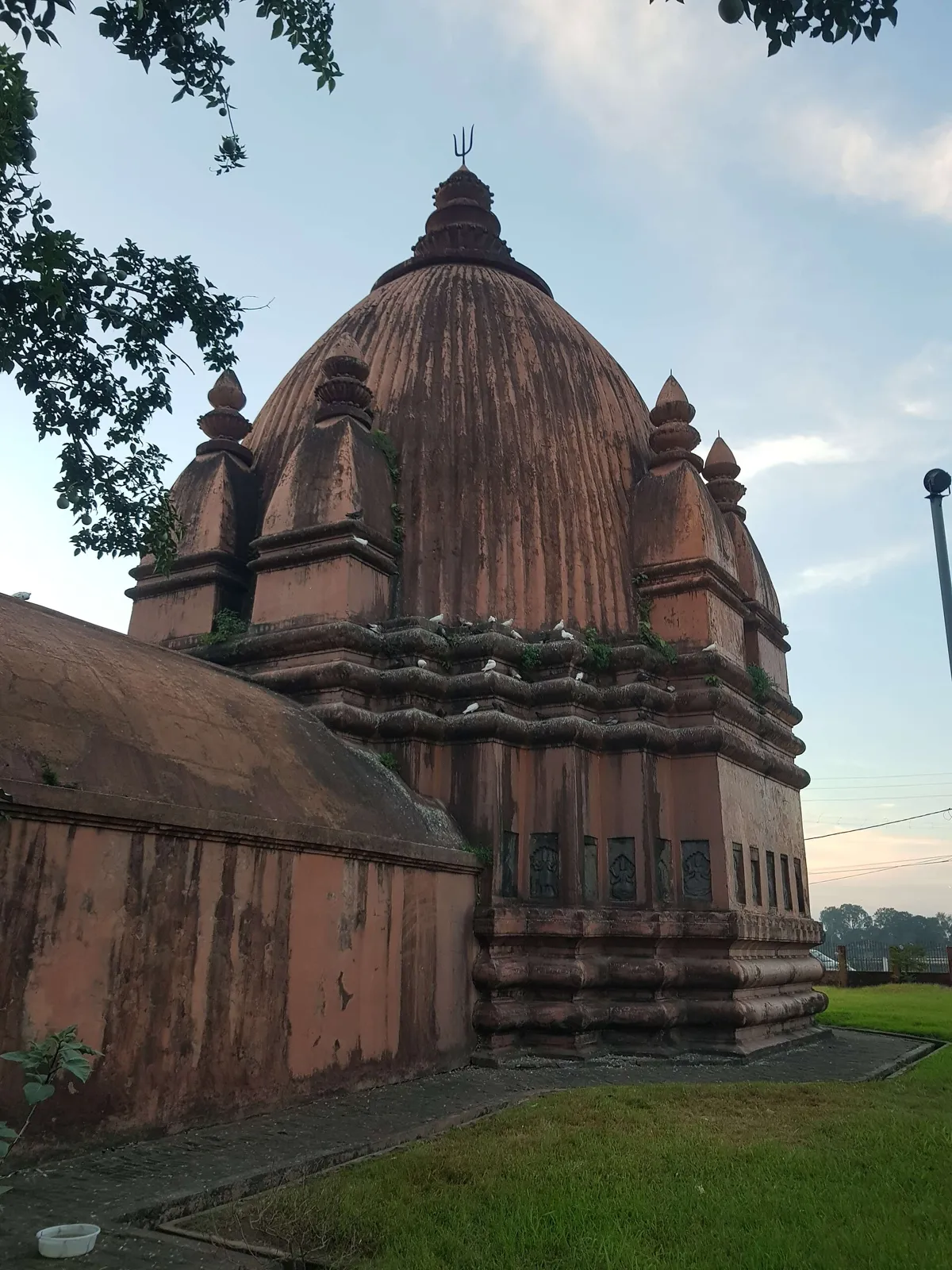
Sivasagar Sivadol

55 km away · Sivasagar district

Sivasagar Sivadol

Sivasagar Sivadol is a complex of three Hindu shrines and a museum beside Sivasagar tank in Assam. Visitors come to see its temples, including the tall Sivadol.

Rang Ghar

58 km away · Sivasagar district

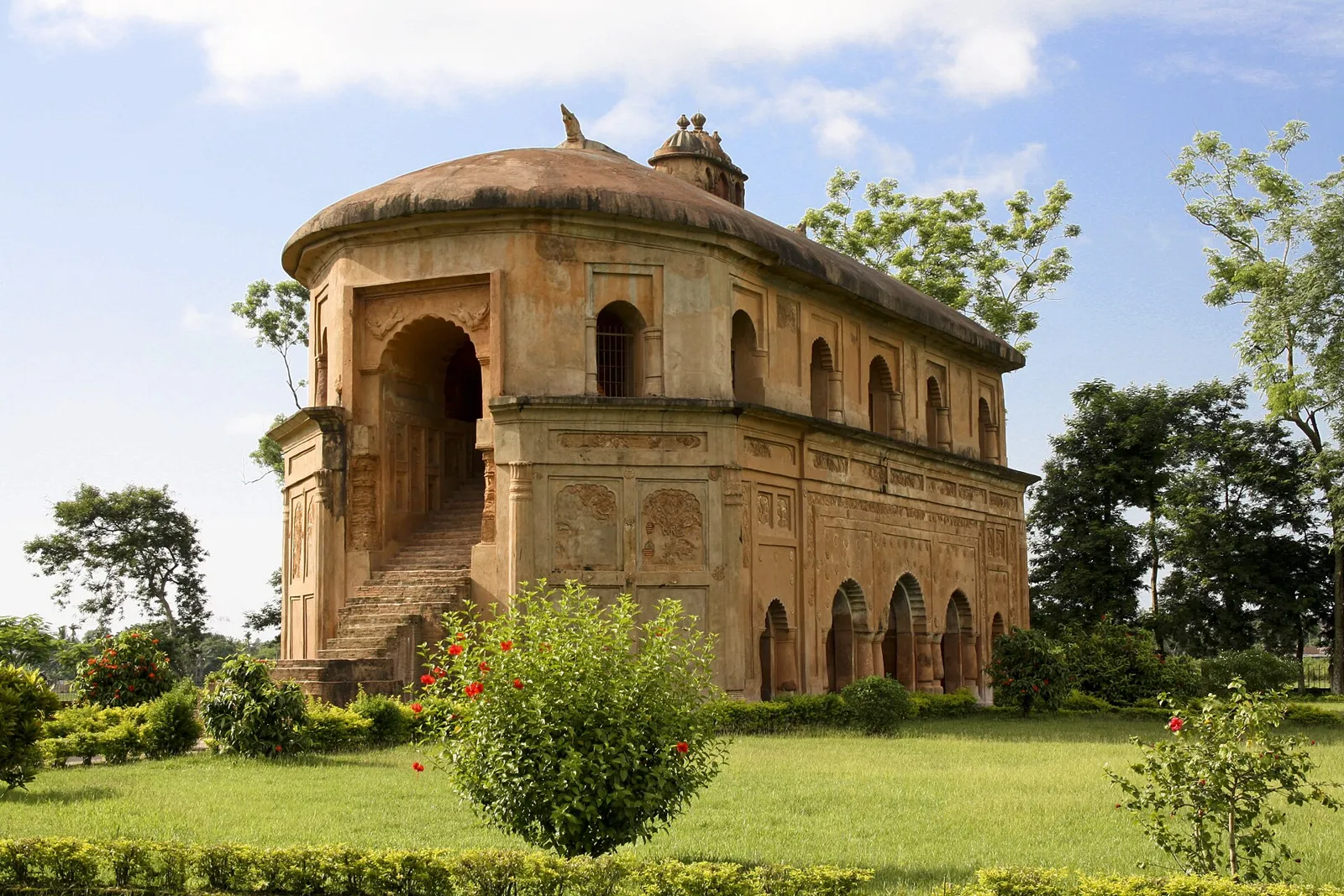
Rang Ghar

Rang Ghar is a two-storey former royal viewing pavilion in Sivasagar district, Assam, known for its links to Ahom-era sports and Rongali Bihu.

58 km away · Sivasagar district

Talatal Ghar

Talatal Ghar is an eighteenth-century palace and military stronghold at Rangpur in Assam, and the largest monument of the Ahom era. Visitors explore its surviving ruins and underground features.

Kareng Ghar

63 km away · Sivasagar district

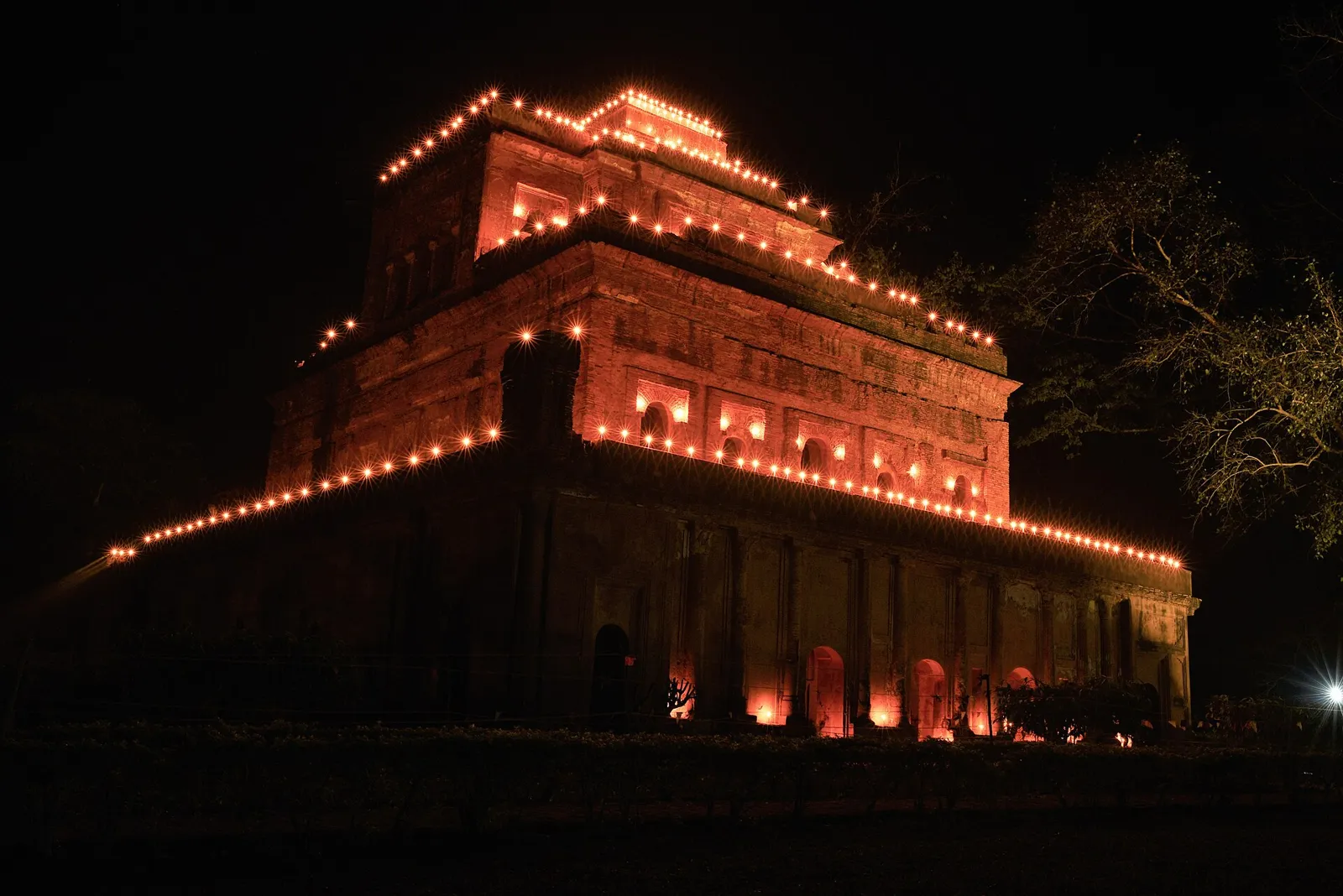
Kareng Ghar

Kareng Ghar, or Garhgaon Palace, is a historic palace in Assam’s Sivasagar district. Visitors come to see its distinctive multi-level form and learn about its place in Ahom history.

Majuli

65 km away · Majuli district

Majuli

Majuli is a river island in Assam, valued as a centre of Assamese neo-Vaishnavite culture and home to several tribal communities. Visitors reach it by ferry or boat from Jorhat.

Charaideo

67 km away · Charaideo district

Charaideo

Charaideo is a historic Assamese town and the Ahom kingdom’s first capital. Visitors come to see its maidams, burial mounds associated with Ahom kings and royal family members.

Auniati Satra

76 km away · Majuli district

Auniati Satra

Auniati Satra is a Vaishnavite monastery on Majuli, connected with the Ahom dynasty and Ekasarana Dharma. People visit to learn about its devotional life, festivals and traditions of theatre, music and dance.

Dibru-Saikhowa National Park

81 km away · Tinsukia district

Dibru-Saikhowa National Park

Dibru-Saikhowa National Park spans Dibrugarh and Tinsukia districts in Assam. Visitors come for its varied forest and wetland habitats, endangered species and rich fish diversity.

Map

Dhemaji on the map

  1. 1Sivasagar Sivadol
  2. 2Rang Ghar
  3. 3Talatal Ghar
  4. 4Kareng Ghar
  5. 5Majuli
  6. 6Charaideo
  7. 7Auniati Satra
  8. 8Dibru-Saikhowa National Park

Assam

Other cities to explore