
Ghumoopedia — Explore, Discover, Experience
Sign in
Digboi, near Digboi

City guide · Assam

Digboi

Digboi is a city and municipal corporation in Assam’s Tinsukia district, known for its petroleum heritage. Visitors are drawn to its early oil-industry history, refinery and long-operating well.

Famous for

  • Historic oil refinery
  • Assamese oil industry
  • Digboi Oil Museum
  • Colonial-era bungalows
  • Eighteen-hole golf course
In the city
1
District
Tinsukia

Why Digboi matters

Digboi is a small industrial town in Tinsukia district, Upper Assam, whose story is closely tied to the beginnings of the region’s oil industry. Oil exploration here dates to the late nineteenth century, and its refinery, established in 1901, remains a landmark of the town’s working life. Digboi is still associated with oil production and is the headquarters of Indian Oil Corporation’s Assam Oil Division, even though output from the old field is modest today.

Visitors come for this industrial heritage as much as for the town’s distinctive character: old company bungalows, the Digboi Oil Museum and the golf course at Digboi Club. The town also offers a base for exploring the tea-growing landscapes and communities of Upper Assam. Its relatively quiet streets and layered colonial-era history set it apart from the region’s larger commercial centres. Digboi’s importance lies not in a broad range of shopping attractions, but in the story of how oil shaped work, infrastructure and settlement in this part of Assam.

Famous for: crafts, trade & products

Digboi is best known for petroleum and its historic refinery, rather than for a signature textile, handicraft or GI-tagged product. The refinery began operating in 1901 and remains part of Indian Oil Corporation’s Assam Oil Division. The town’s oil heritage is interpreted at the Digboi Oil Museum, while the surrounding oilfield landscape reflects more than a century of exploration and production. The refinery is an industrial site, not a general-purpose shop for visitors; petroleum products are sold through ordinary fuel and retail outlets.

For visitors looking for locally made goods, the town’s shops and markets serve everyday needs, but Digboi is not widely known as a specialist craft or textile-buying destination. Assamese handloom, food and household goods are more likely to be found through general markets in the wider Tinsukia area than as a distinctive Digboi product. The town’s other notable institutions and attractions include the Digboi Club, with its eighteen-hole golf course, and the historic company bungalows. These are part of the town’s heritage and social history, rather than commercial products to take home.

History

Oil exploration in Upper Assam followed reports of petroleum seeping from the ground and riverbanks. A hand-dug well at Nahorpung in 1866 was unsuccessful, while systematic drilling at Digboi began later in the nineteenth century. The name is often linked to the story of an engineer urging workers to “dig, boy,” though accounts of its origin vary. A refinery opened in Digboi in 1901, and the Assam Oil Company, formed in 1899, managed the growing oil business.

The industry brought workers, engineers and company infrastructure to a forested part of Upper Assam. Bungalows and other facilities built during the colonial era gave the town a distinctive character. Labour relations were also part of its history: a major refinery strike in 1939 was met with severe colonial repression. After independence, oil operations continued, and the refinery was later modernised. It is now part of Indian Oil Corporation, while Digboi remains associated with the country’s oldest continuously producing oilfield.

Food, festivals & culture

Digboi’s food reflects the wider traditions of Upper Assam. Everyday meals commonly centre on rice, vegetables, fish and seasonal greens; regional dishes may include khar, sour fish tenga, and snacks or sweets such as pitha and laru. Tea is part of daily life across the region. Food habits vary among the town’s Assamese, Bengali, Hindi-speaking and other communities, so local eateries offer a mix of home-style and familiar Indian meals.

Bihu is central to Assamese cultural life: Bohag Bihu welcomes spring, Magh Bihu marks the winter harvest season, and Kati Bihu is observed in autumn. Durga Puja, Eid and Christmas are also celebrated by local communities. Bihu songs and dance are familiar across the region, alongside wider Assamese musical and performance traditions. Assamese is widely spoken, with Bengali, Hindi and English also heard; other community languages contribute to the town’s diverse character. Temples, namghars, mosques and churches serve as places of worship and community gathering.

Visiting the city

The cooler, generally drier months from October to April are comfortable for exploring; monsoon months can bring heavy rain. Dibrugarh Airport, also known as Mohanbari Airport, is the nearest major airport. Digboi has its own railway station, while Tinsukia Junction is a larger rail hub for connections across the region.

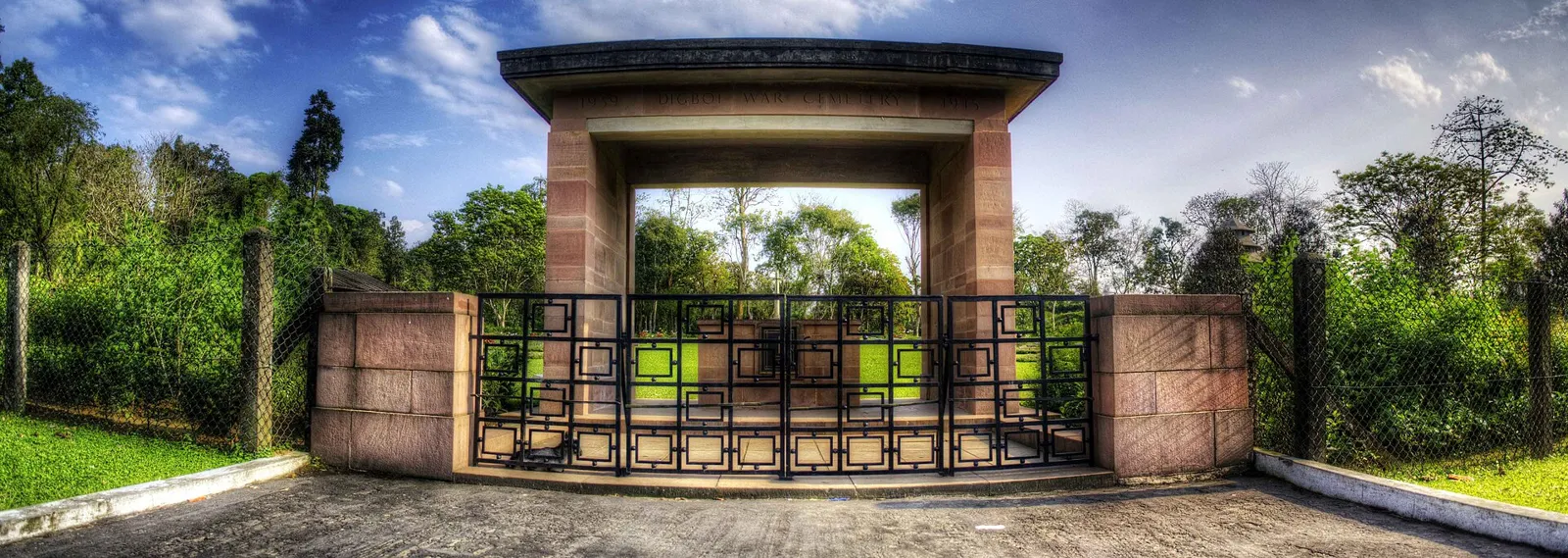
Auto-rickshaws and taxis are useful for getting around locally, and a hired vehicle can help with visits beyond the town centre. Explore the central town, the Digboi Oil Museum and the historic company-bungalow neighbourhoods. The refinery and Digboi Club golf course are notable landmarks, but access may be controlled, so check locally before planning a visit. The Digboi War Cemetery is another place of historical interest.

Attractions

Places to visit in Digboi

Sights within about 12 km of each other, even when they fall in different districts.

Map

Digboi on the map

  1. 1Digboi

Assam

Other cities to explore