Ghumoopedia — Explore, Discover, Experience
Sign in
Sri Surya Pahar, near Abhayapuri

City guide · Assam

Abhayapuri

Abhayapuri is a town in Assam’s Bongaigaon district and the headquarters of the North Salmara subdivision. Set among forested hills and connected by National Highway 31, it serves as a local administrative and commercial centre between Bongaigaon and western Assam.

Famous for

  • Bijni kingdom heritage
  • Lalmati-Duramari Ganesh Temple
  • Lungai Pahar Shiva Temple
  • Rajbari palace
  • Bihu celebrations

Why Abhayapuri matters

Abhayapuri is a town in Assam’s Bongaigaon district and the headquarters of the North Salmara subdivision. Set among forested hills and connected by National Highway 31, it serves as a local administrative and commercial centre between Bongaigaon and western Assam. Its location also makes it a useful base for exploring nearby heritage sites and the surrounding countryside.

The town’s strongest draw is its history as a capital of the Bijni kingdom. Visitors can see the former royal palace, known as Rajbari, and make trips to the Lalmati-Duramari Ganesh Temple and the hilltop Lungai Pahar Shiva Temple. The area’s temple remains and carved stone images add an archaeological dimension to a visit. Bihu celebrations and other community festivals reflect Assamese cultural life. Abhayapuri is not a large resort or specialist shopping destination; its appeal lies in its royal past, religious sites and quieter setting within a region of forests and hills.
Famous for: crafts, trade & products

Abhayapuri is best known for its historical and religious landmarks rather than for a distinctive textile, craft or manufactured product. Rajbari recalls its years as a seat of the Bijni rulers, while the Lalmati-Duramari site is notable for temple ruins and carved images. The Lungai Pahar Shiva Temple is another recognised local destination. These are the town’s clearest points of interest for visitors seeking heritage and devotional sites.

The town has local shops and markets that serve everyday needs, but no particular craft bazaar, signature food product or GI-tagged product is distinctly associated with Abhayapuri. Assamese handloom, bamboo and cane crafts are found in the wider state, but availability in town can vary and they should not be treated as Abhayapuri specialties. Visitors looking for these products can ask local shopkeepers about current stock or explore larger commercial centres in the region.

History

Abhayapuri became a capital of the Bijni kingdom after the Assam earthquake of 1897 damaged the royal palaces at Dumuria. Queen Abhayeswari Devi, then ruler of Bijni, moved the capital to the Deohati forest area. The settlement was later named Abhayapuri after Abhoyamata, the ruling family’s deity. It was the kingdom’s third capital, following Bijni and Dumuria.

The Bijni dynasty began with Bijit Narayan, also known as Chandra Narayan, in 1671. The family traced its lineage to the Koch rulers of the Kamata region. During the colonial period, the estate’s land and revenues were subject to British-era administration and settlement arrangements. The kingdom officially joined the Union of India in 1956, during Raja Bhairabendra Narayan’s rule. In later decades Abhayapuri developed as an administrative centre; today it is the headquarters of the North Salmara subdivision and is connected to surrounding towns by road and rail.

Food, festivals & culture

Assamese is widely used in the area, alongside languages spoken by its diverse communities. Everyday meals in the region commonly draw on Assamese cooking, including rice, fish, vegetables and leafy greens. Pitha and other rice-based treats are associated with festive occasions, though Abhayapuri is not especially known for a signature dish or sweet.

Bihu, Assam’s seasonal agricultural festival, is celebrated across communities, with songs and dances central to its festivities. Durga Puja, Diwali, Holi, Saraswati Puja, Lakshmi Puja, Kali Puja and Shivaratri are also observed; Muslim residents celebrate Eid and Muharram. The town’s religious landmarks include the Lalmati-Duramari Ganesh Temple and the Lungai Pahar Shiva Temple. The area also has a literary association: the Asam Sahitya Sabha held its annual conference here in 1977, and the venue is remembered as Sahitya Sabha Path. Together, its festivals, worship and literary history reflect the town’s varied cultural life.

Visiting the city

The drier, cooler months, roughly October to April, are generally a comfortable time to visit. Abhayapuri lies on National Highway 31, about 21 km from Bongaigaon and roughly 200 km west of Guwahati. The nearest railway station is Abhayapuri Railway Station. Air travellers can use Lokpriya Gopinath Bordoloi International Airport in Guwahati; Rupsi Airport is another regional option, with onward travel by road.

Auto-rickshaws and local vehicles are useful for getting around town; arrange transport locally for sites beyond the centre. Explore the town centre, Rajbari and Sahitya Sabha Path, then visit Lalmati-Duramari and Lungai Pahar. The Shiva temple is about 10 km from the main town and involves a stairway climb. Allow time for road travel between sites and check local conditions before setting out.

Trips from the city

Nearest places to visit from Abhayapuri

Our closest destination guides, by straight-line distance.

Sri Surya Pahar

24 km away · Goalpara district

Sri Surya Pahar

Sri Surya Pahar is an archaeological landscape in Assam, marked by remains associated with Hinduism, Buddhism and Jainism. Visitors come to see its scattered lingas, stupas, figures and evidence of an ancient settlement.

Chakrashila Wildlife Sanctuary

36 km away · Kokrajhar district

Chakrashila Wildlife Sanctuary

In Assam, Chakrashila Wildlife Sanctuary covers parts of Kokrajhar and Dhubri districts. Visitors are drawn by its golden langurs; it is the country’s second protected habitat for the species.

Uzan Bazaar

43 km away · Kamrup Metropolitan district

Uzan Bazaar

Uzan Bazaar is a long-established neighbourhood in Guwahati, with both homes and businesses. Visitors may come for its commercial activity and to explore an area counted among the city’s oldest settlements.

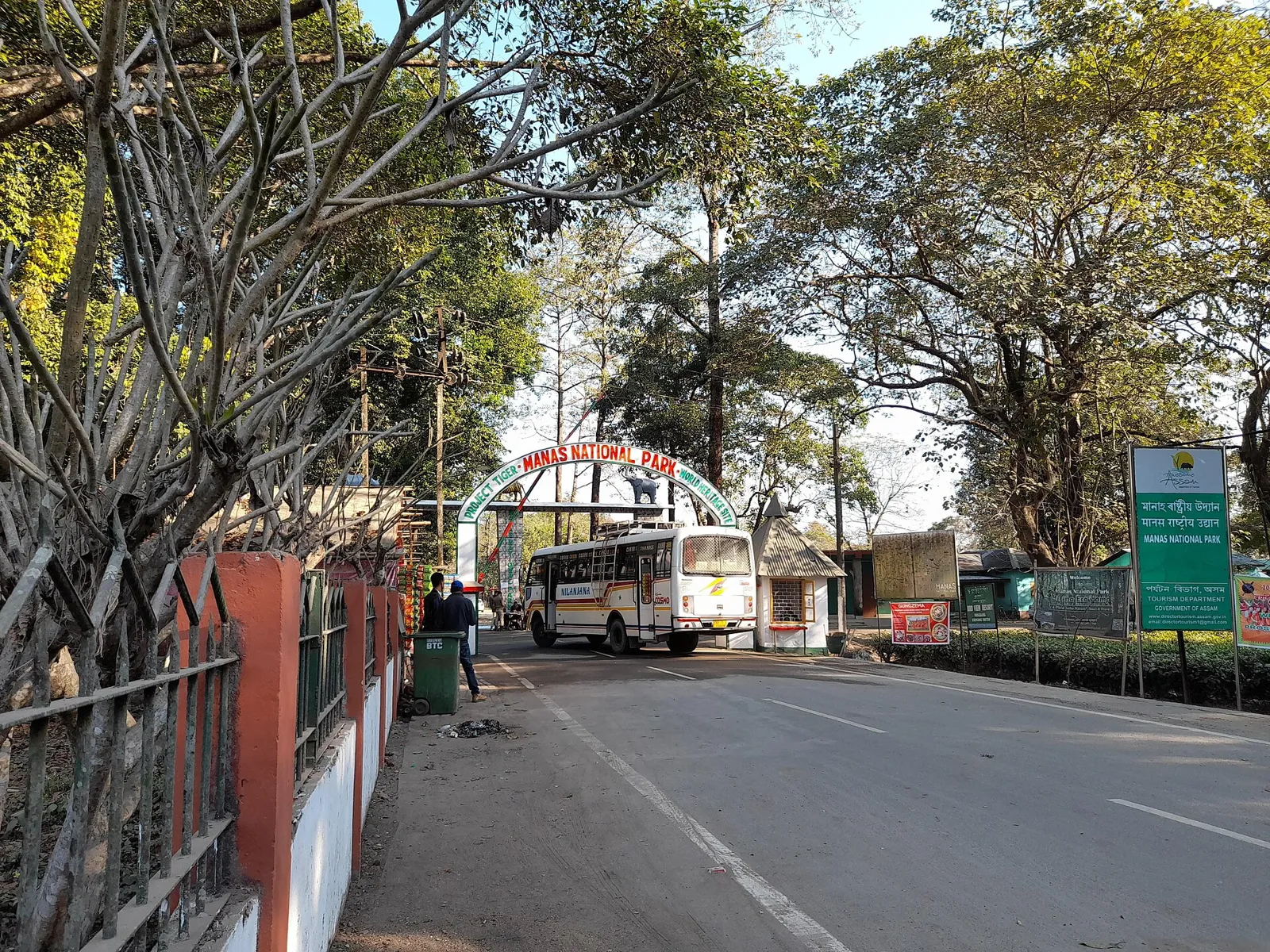
Manas National Park

50 km away · Baksa district

Manas National Park

In Assam’s Baksa district, Manas is known for varied habitats and rare wildlife; visitors come to see species such as the pygmy hog and golden langur.

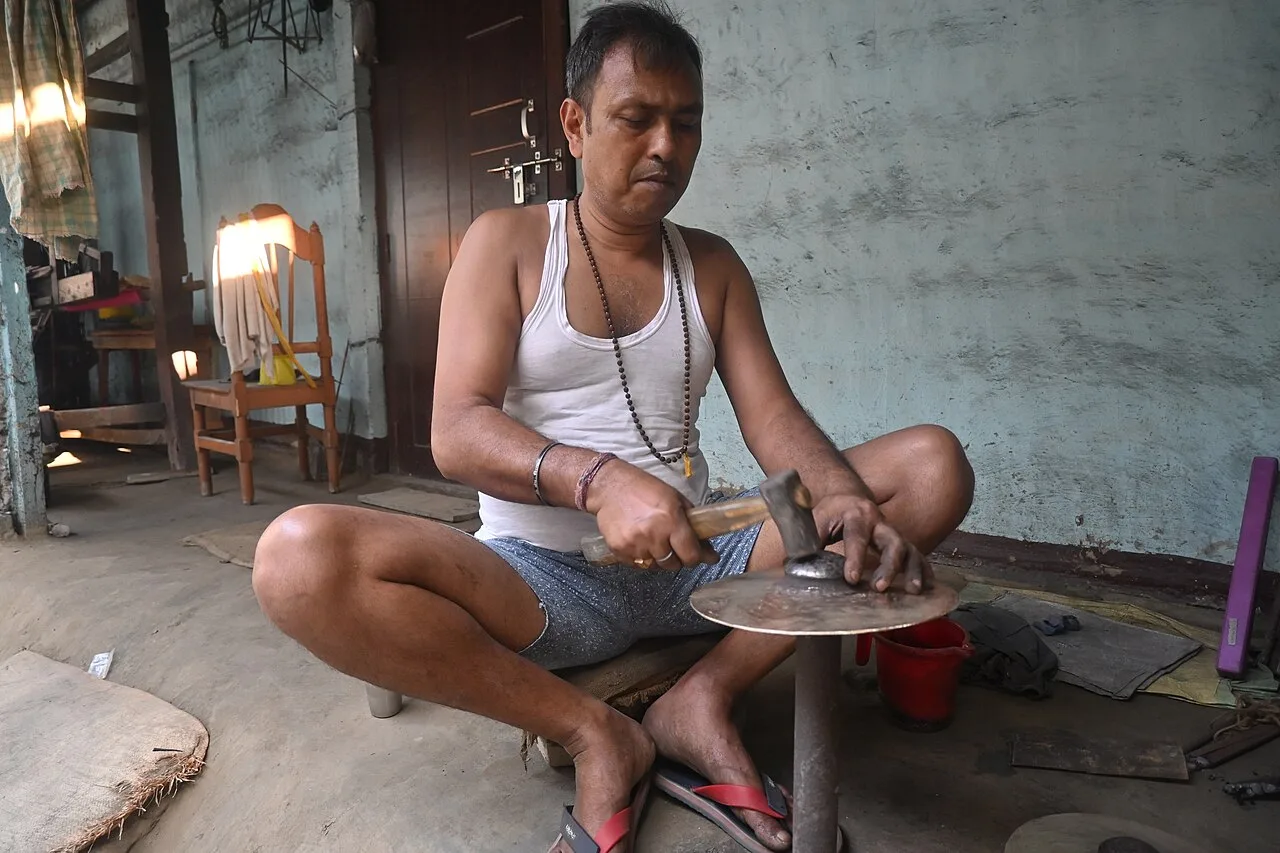
Sarthebari

53 km away · Barpeta district

Sarthebari

Sarthebari is a settlement in Assam’s Barpeta district, described as both a village and a town with a town area committee. Visitors are drawn by its bell-metal craft.

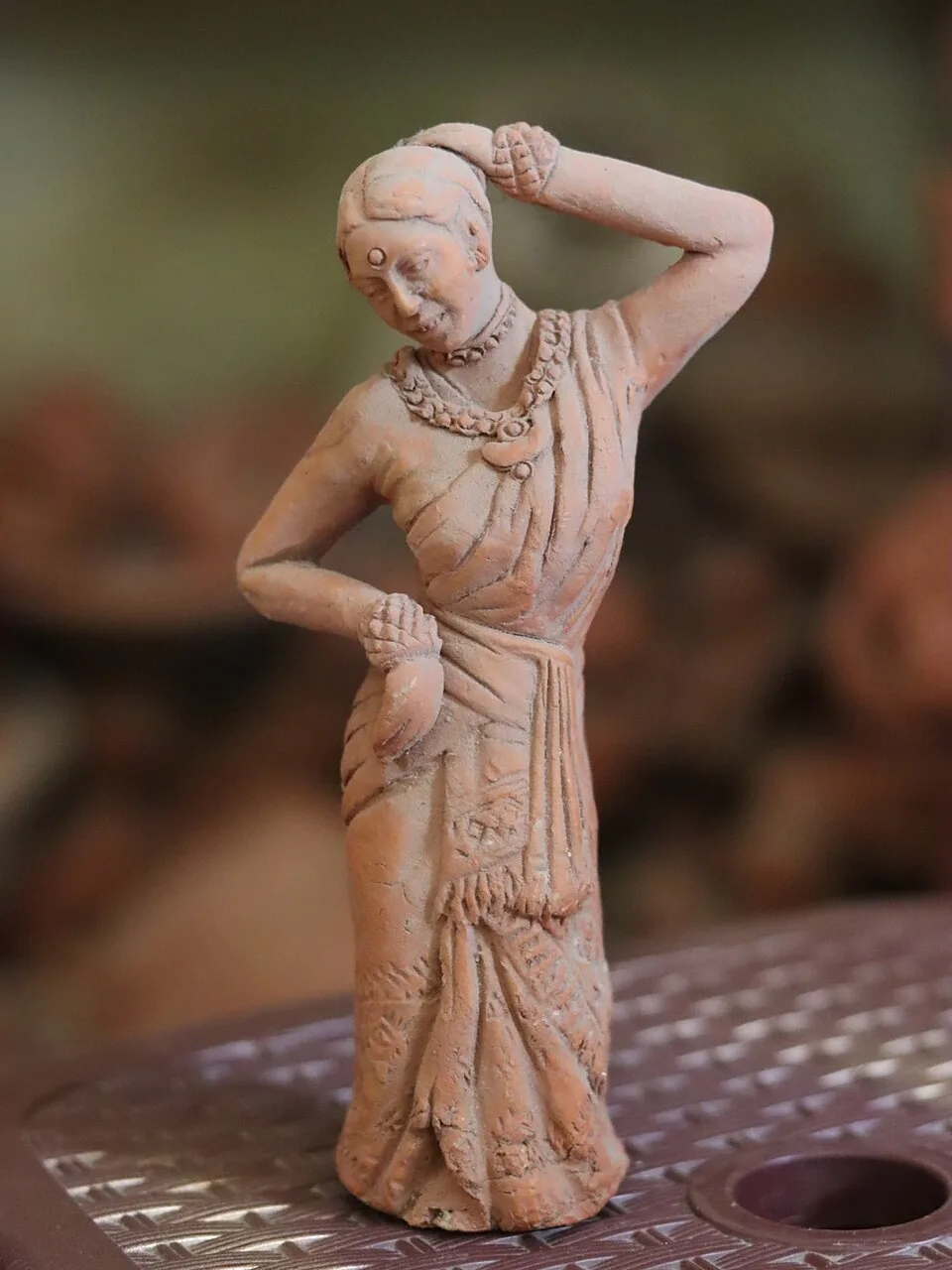
Asharikandi

74 km away · Dhubri district

Asharikandi

Asharikandi is a village in Assam’s Dhubri district, known for traditional terracotta and pottery. Visitors come to learn about its craft traditions and one of India’s largest concentrations of these crafts.

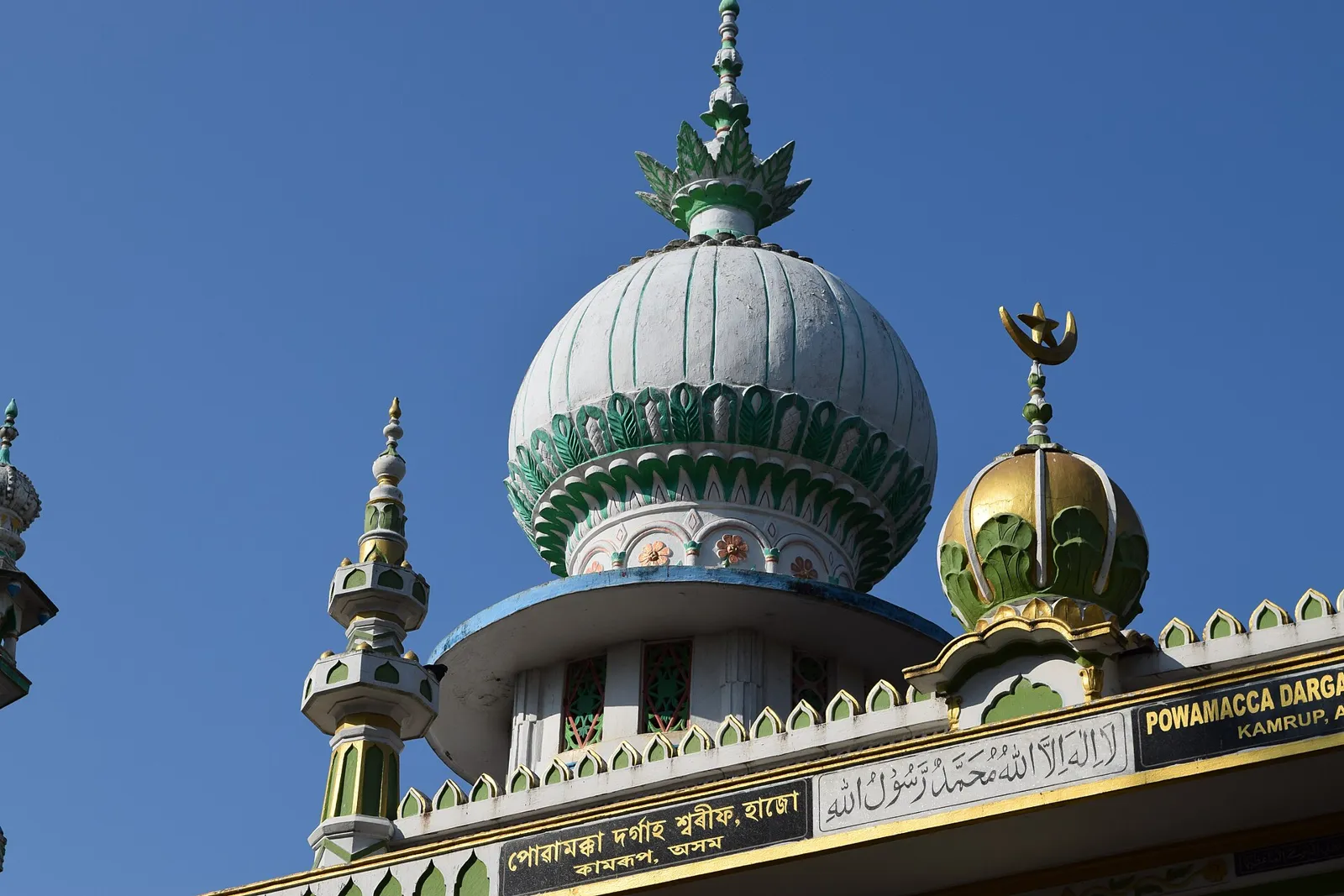
Hajo

84 km away · Kamrup district

Hajo

Hajo, in Assam’s Kamrup district, is an old town visited for pilgrimage sites sacred to Hindus, Buddhists and Muslims, and for its temples, monuments and tortoise-preservation tradition.

Chandubi Lake

88 km away · Kamrup district

Chandubi Lake

Within Kamrup district’s Rabha Hasong Autonomous Council, Chandubi Lake is a natural lake near the Garo Hills. Visitors come for its forest setting, winter birdlife, sightseeing and picnics.

Map

Abhayapuri on the map

  1. 1Sri Surya Pahar
  2. 2Chakrashila Wildlife Sanctuary
  3. 3Uzan Bazaar
  4. 4Manas National Park
  5. 5Sarthebari
  6. 6Asharikandi
  7. 7Hajo
  8. 8Chandubi Lake

Assam

Other cities to explore